
Film
The Common Touch
A wartime British drama about a young heir who infiltrates a homeless hostel to uncover corporate corruption threatening the vulnerable. It's a period piece with genuine social conscience—less noir thriller than sincere plea for decency. Made in 1941, it believes in the power of individual moral awakening to challenge systems. For viewers drawn to cinema with something to say.
Should you watch it?
Watch it if you like earnest British social dramas from the early war years, where a sheltered young man's class blinkers are the real target and the sermon arrives wrapped in warm, human scenes.
Skip it if the pace is leisurely and the politics are plainly stated, so if you want sharp modern storytelling or a thriller's momentum, this will feel dated and talky.
What it asks of you: Plan for just under two hours of talky, sentimental scenes that unfold at an unhurried pace, asking patience more than close, moment-to-moment attention.
Not sure? Find tonight's pick in a minute.
If you liked this
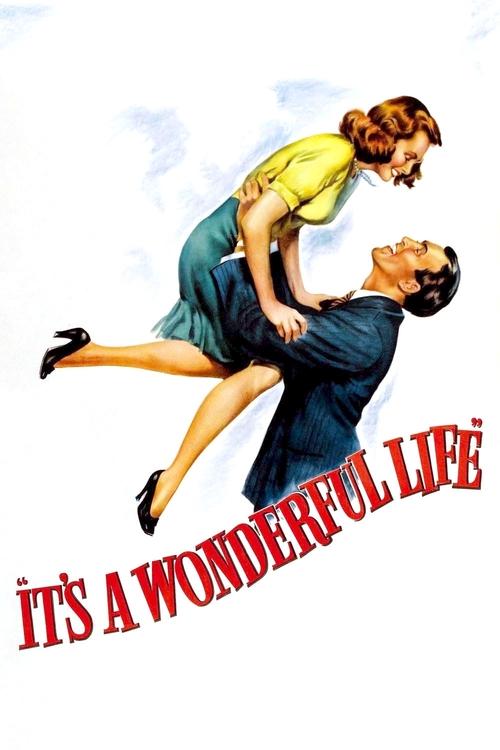
It's a Wonderful Life1946
A man examines the ripple effect of his life on those around him, discovering his worth through community. Like Common Touch, it's earnest about ordinary people's dignity and the systems that threaten it.
But The sentimentality has calcified into cultural monument—it's harder to see past the institution now than the actual film.
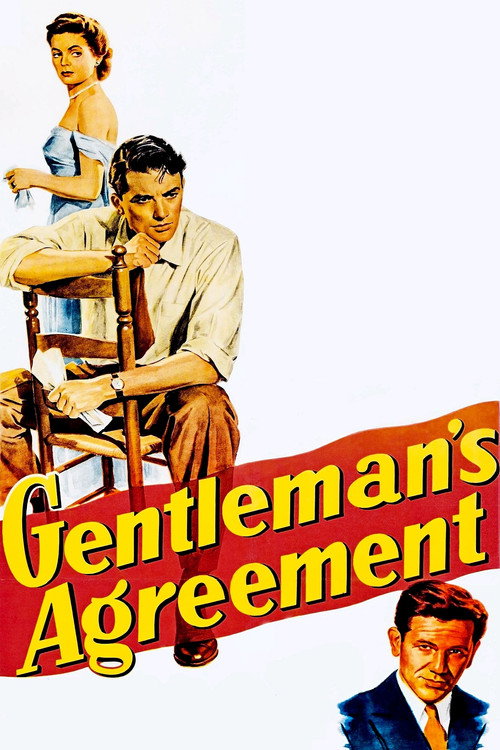
Gentleman's Agreement1947
A journalist goes undercover in high society to expose antisemitism. Same structure as Common Touch—privileged person discovers injustice through deception, then must act on conscience.
But Post-war liberalism can feel didactic and safe. The problem-solving is neat in ways real prejudice isn't.
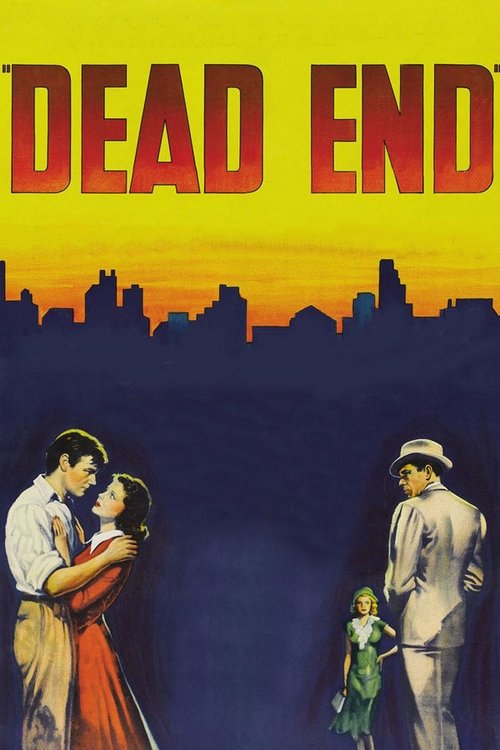
Dead End1937
Squalid tenement kids and desperate adults collide in New York. Captures the same conviction that environment shapes morality and that society abandons its poorest without apology.
But The sentiment occasionally overwhelms the storytelling. Some scenes tip into melodrama rather than naturalism.
Not sure tonight? Get a pick in a minute, starting from The Common Touch
The wildcard
Something you would not have found on your own.
Jeanne Dielman, 23, quai du Commerce, 1080 Bruxelles1976
Both films insist on the humanity and complexity of people society dismisses. Common Touch does it through moral drama; Dielman does it by refusing to dramatize at all—by treating an ordinary woman's day as worthy of absolute attention.
A widow's mundane household routine over three days. No plot, no drama—only the meticulous labor of keeping a home. Radical in making invisible work visible, and in respecting the poor woman's dignity.
But Three and a half hours of watching someone do housework. The film moves at real time. You must actively choose to find it interesting.

More like this (7)
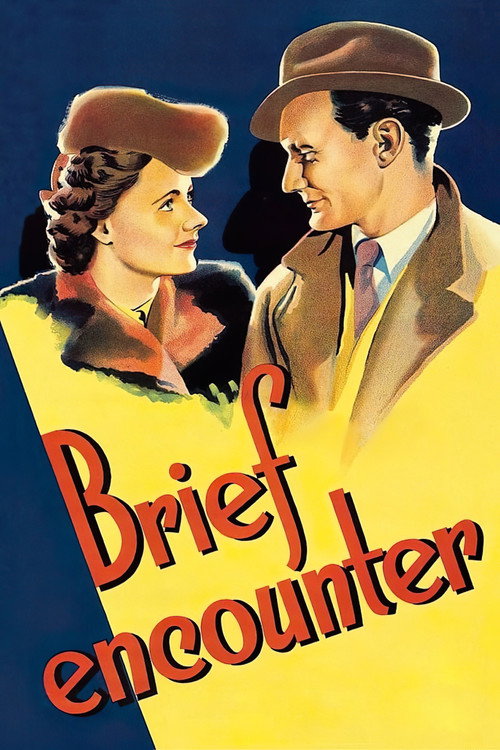
Brief Encounter1945
British wartime cinema at its most restrained and human. Shares Common Touch's belief in quiet moral complexity over spectacle, and the ache of choosing duty over desire.
But Constrained emotion means the film moves slowly. Patience is mandatory; catharsis is withheld.
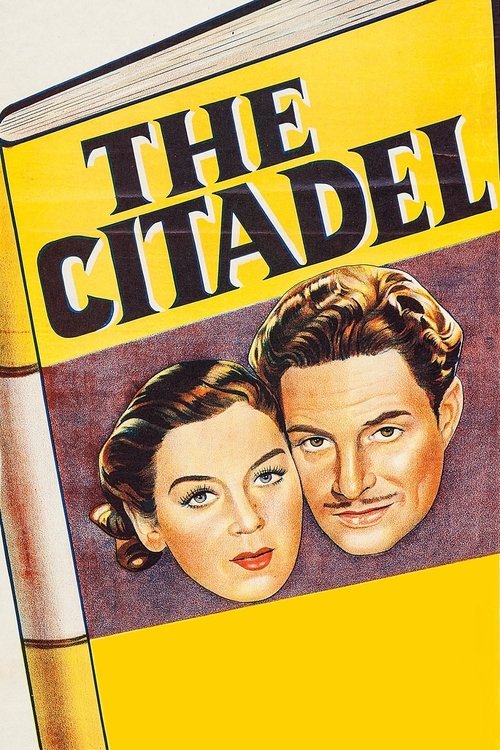
The Citadel1938
A young doctor must choose between money and medicine, witnessing poverty's cost on health. Same dilemma as your film—can one person's conscience matter against institutional indifference?
But Earnestness about social problems can feel archaic. The solutions offered are simpler than the questions deserve.
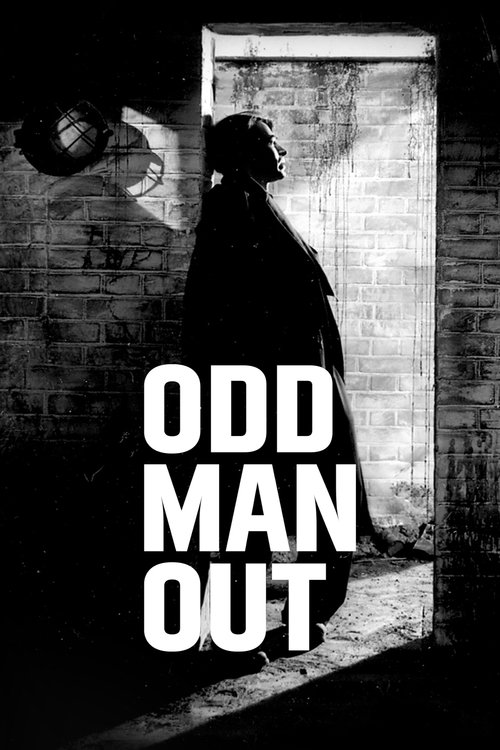
Odd Man Out1947
IRA gunman on the run through Belfast. Different politics, but identical in how it renders the poor and marginal as fully human when the system sees them as disposable.
But It's bleak rather than hopeful. The moral awakening comes too late to change anything.
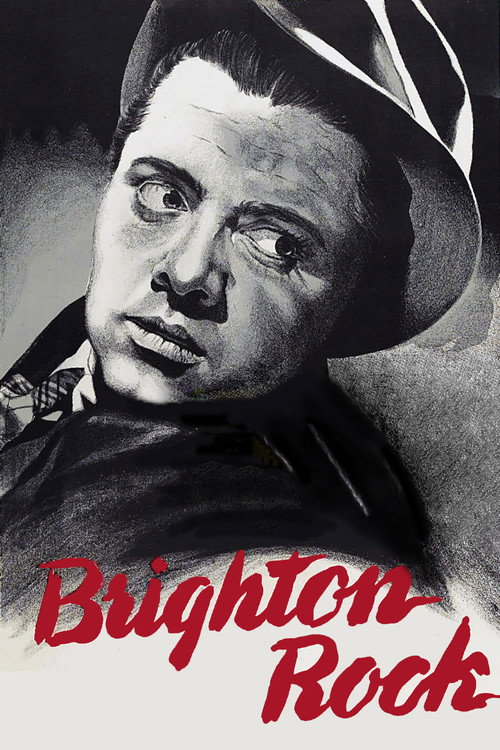
Brighton Rock1948
A teenage gang leader in seaside poverty. Like Common Touch, it asks whether environment excuses evil, and whether middle-class morality is actually moral at all.
But Grimy and vicious. The young protagonist's evil is genuine, not redeemable—this isn't comforting.
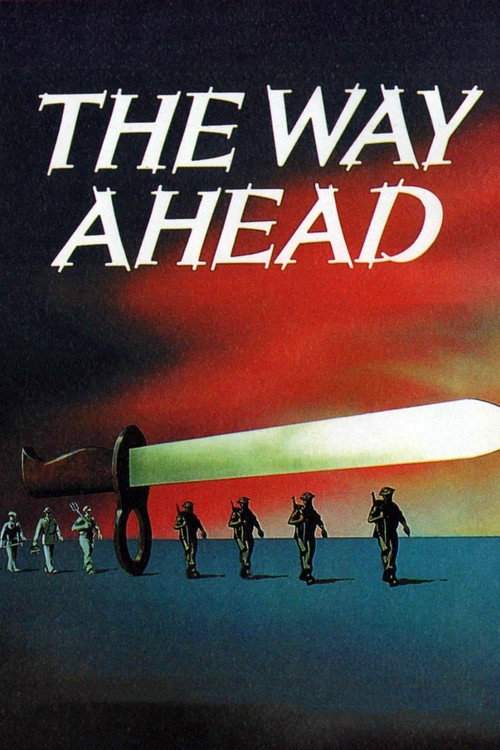
The Way Ahead1944
Army recruits from different classes learn they're all equal under fire. Wartime democratic idealism: working people matter, cooperation beats hierarchy. Common Touch's politics in uniform.
But Wartime propaganda undercuts the subtlety. It's rousing rather than complex.
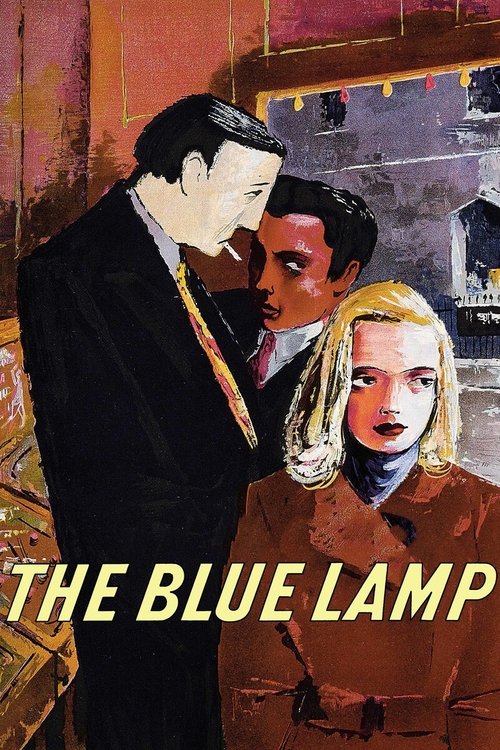
The Blue Lamp1950
A young criminal and a policeman. Both are products of their circumstances; both are shown with full humanity. System failure isn't individual—it's structural and tragic.
But The perspective is conservative. Sympathy for the criminal doesn't challenge the institutions that made him.
Stalker1979
Both films pivot on a character navigating through a corrupt system toward moral clarity. But where Common Touch moves quickly toward revelation and choice, Stalker suggests that systems are labyrinths—the truth, if you reach it, may not free you at all.
A guide escorts two men through a forbidden zone to a room of wishes. Meditative science fiction about desire, corruption, and whether truth can survive institutions designed to suppress it. Soviet cinema of astounding gravity.
But Nearly three hours of philosophical wandering with minimal action. If you need plot to stay engaged, this will exhaust you.

People
Cast
 Geoffrey HibbertPeter Henderson
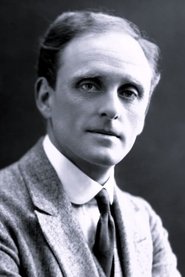 Harry WelchmanLincolns Inn
 Greta GyntSylvia Meadows
 Joyce HowardMary
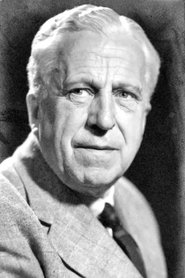 Edward Rigby'Tich'
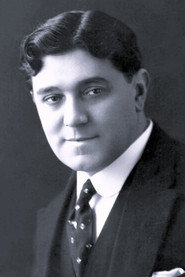
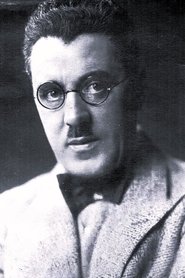 George CarneyCharlie
 Eliot MakehamInky
- Mark Hambourg'Chopin'
- Paul MartinChris
 Raymond LovellCartwright
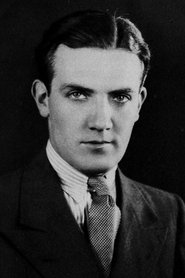 John LongdenStuart Gordon
Directing
- Arthur BarnesAssistant Director
- John BaxterDirector
Writing
- Barbara K. EmaryScreenplay
- Geoffrey OrmeScreenplay
- Herbert AyresStory
Production
- Wallace OrtonAssociate Producer
- John BaxterProducer