
Film
The Angry Silence
A devastating portrait of social ostracism in 1960s industrial Britain. When a factory worker refuses to join a strike, his principled stand isolates him from his community, his mates, and eventually his own family. Tense, intimate, and morally complex—it asks uncomfortable questions about loyalty, conscience, and the cost of standing alone.
If you liked this
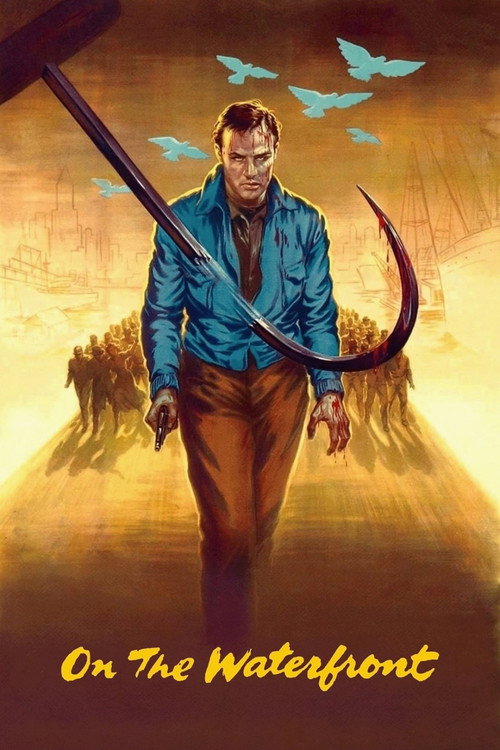
On the Waterfront1954
Brando's dockworker faces a similar choice between union loyalty and personal integrity. Both films explore how communities enforce conformity through intimidation, and what happens when someone breaks ranks.
But The film's politics lean toward the individual over collective action, which some find reactionary. It's also slower and less cinematic than you might expect.
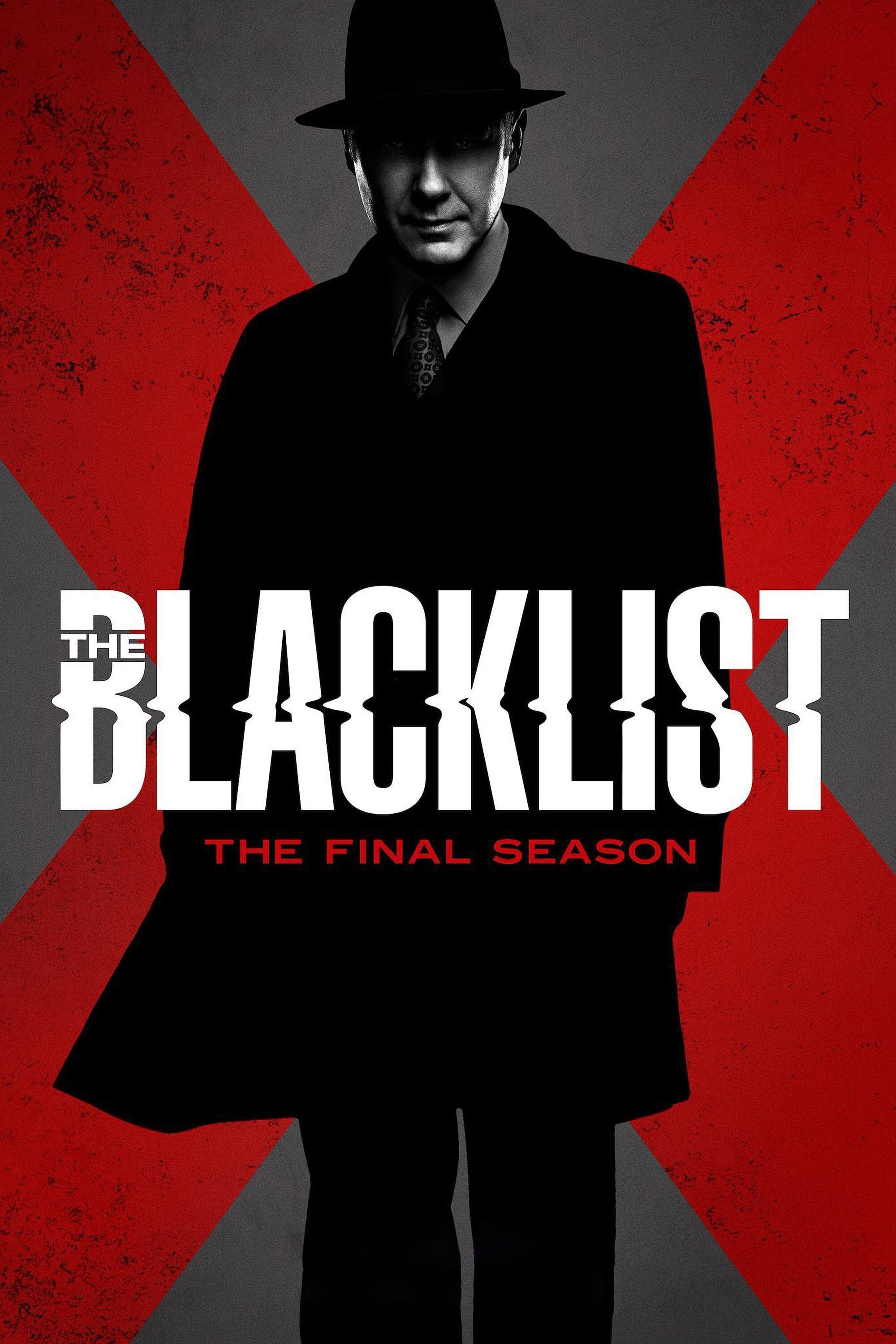
The Blacklist2013
A modern parallel: James Spader's character is a pariah, systematically isolated and hunted. Both stories examine how groups weaponise silence and exclusion as punishment, and the psychological toll of being cast out.
But Twenty-two episodes per season is a lot of commitment, and the narrative sprawls. The show prioritises spectacle over the intimate character work that makes The Angry Silence resonate.
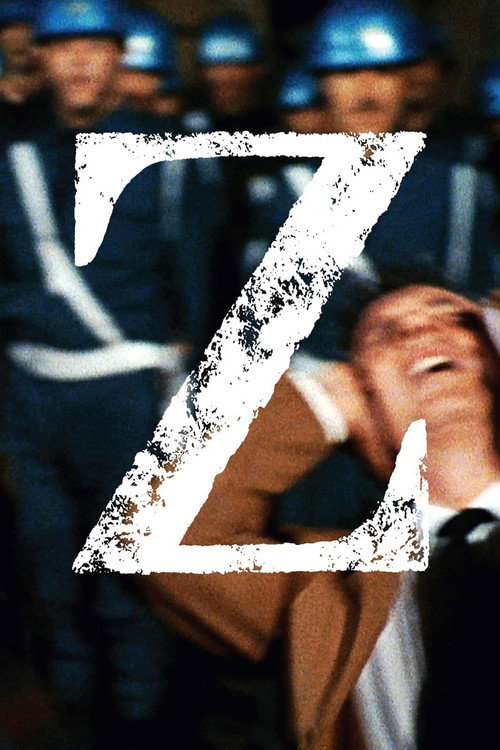
Z1969
Costa-Gavras's masterpiece about political murder and institutional silence. Like The Angry Silence, it's about how systems silence dissent—but here the stakes are life and death, and the silence is enforced from above, not below.
But It's a European political thriller from the Cold War, dense with names and corruption. If you want catharsis or a clear hero, you won't find it here.
Not sure tonight? Get a pick in a minute, starting from The Angry Silence
The wildcard
Something you would not have found on your own.
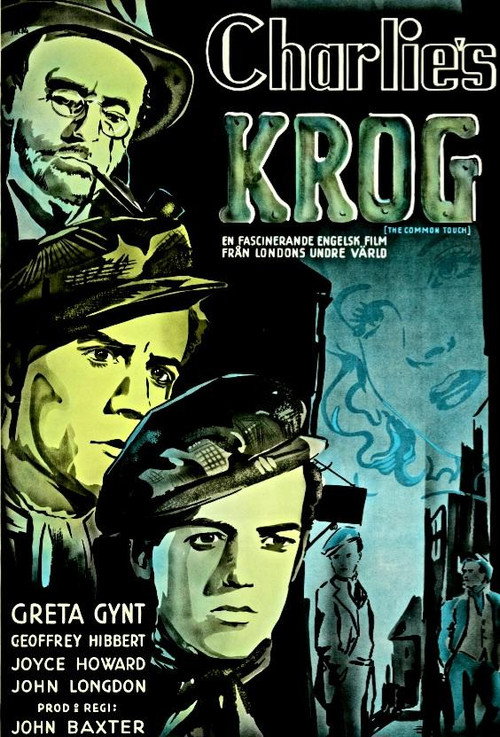
The Common Touch1941
Both examine the unspoken rules of working-class solidarity and what happens when they're broken or examined from outside. Both are about belonging and exile.
A wealthy man goes undercover in a working-class hostel to understand poverty. It's a mirror image of The Angry Silence—where that film shows how a community destroys a man who won't conform, this one shows a privileged outsider learning what conformity costs the dispossessed.
But It's a wartime British social realist film, earnest and didactic. The message is heavy, and the acting is stiff by modern standards.
More like this (8)
Kes1970
Ken Loach's debut captures working-class Yorkshire with the same unflinching eye. A boy's quiet rebellion against an oppressive system; the film never sentimentalises his isolation, just observes it.
But There's no triumphant arc. The ending is bleak and punishing, which some find unbearable rather than moving.

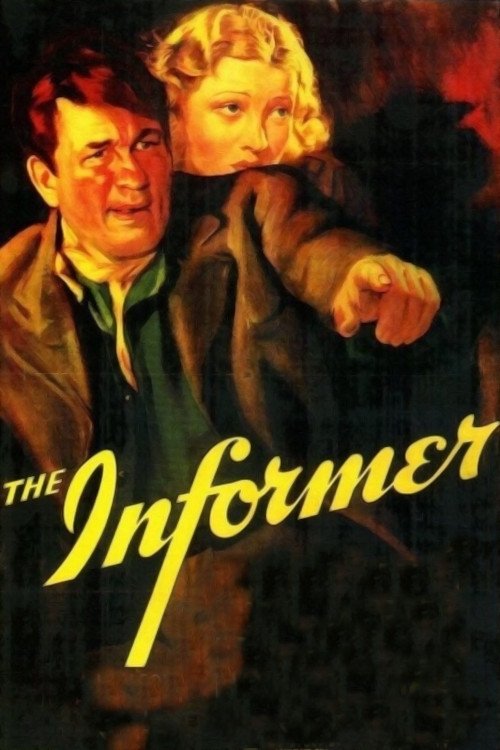
The Informer1935
John Ford's Irish rebel is trapped by his own need for money and acceptance. Like The Angry Silence, it's about a man caught between loyalty and survival, watched and judged by a community that won't forgive.
But It's a 1930s film with dated attitudes and melodramatic moments. The style is expressionist rather than naturalistic, which can feel arch to modern eyes.
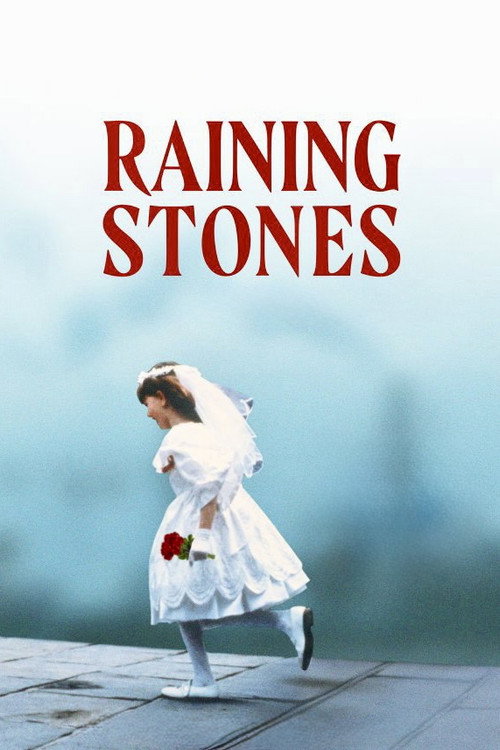
Raining Stones1993
Another Ken Loach film about a working man struggling to keep his dignity in a rigged system. The quiet desperation and community pressure mirror The Angry Silence's themes, but with 1990s unemployment as the backdrop.
But It's deliberately paced and understated to the point of monotone. The plot barely moves, and resolution feels impossible—some find that liberating, others find it exhausting.
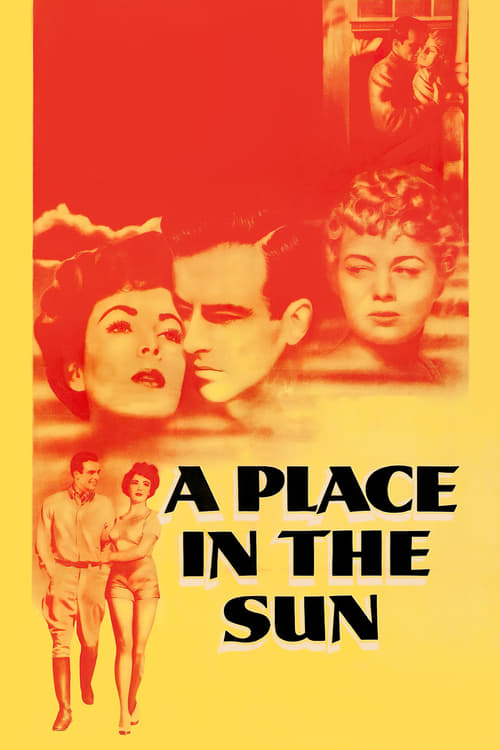
A Place in the Sun1951
Montgomery Clift's social climber is destroyed by the gap between his ambitions and his origins. Both films are about men trapped by circumstance and the judgement of those around them, losing everything trying to escape.
But It's long and melodramatic by modern standards. The romance subplot feels dated, and the ending is heavy-handed about class guilt.
The Killing1956
Kubrick's racetrack heist explores loyalty among thieves and the paranoia when trust breaks down. The claustrophobia and betrayal echo The Angry Silence's vision of a world where you can't trust anyone.
But The narrative structure is fractured and sometimes confusing. The violence is sudden and cold, which can feel gratuitous if you're not expecting it.

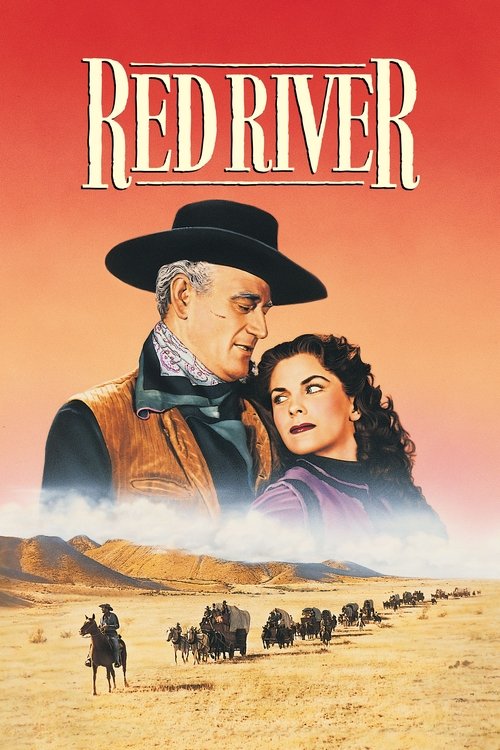
Red River1948
Hawks's Western is about a cattle drive where the boss's authority is challenged. Like The Angry Silence, it examines what happens when someone defies an autocratic figure and the group has to choose sides.
But It's a Western, so if that's not your thing, nothing here will change your mind. The climactic confrontation feels rushed and unearned after two hours of buildup.
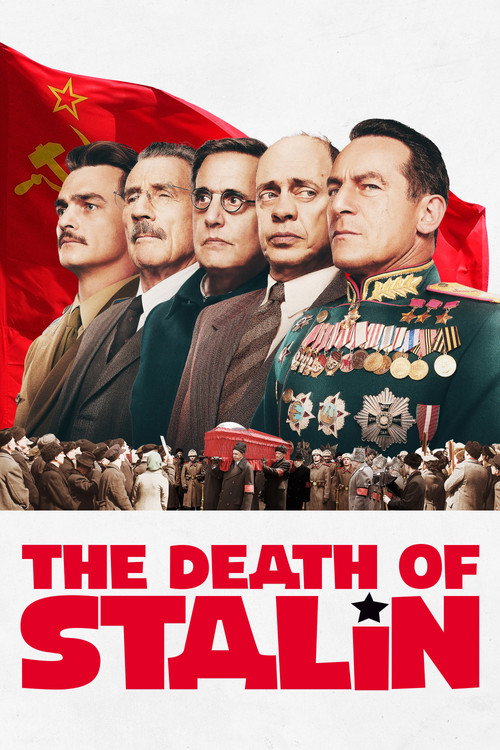
The Death of Stalin2017
Both use formal realism (or fake realism) to expose how institutional power operates through informal social pressure. Both show the mundane machinery of group punishment.
Armando Iannucci's mockumentary about Soviet power politics in monochrome. The social mechanism is fascism instead of unionism, but the anatomy is identical: how groups enforce silence, punish deviation, and destroy individuals who won't play along.
But It's a satirical comedy about atrocity, which sounds glib and wrong. The mockumentary style is mannered, and the Stalinist material is genuinely disturbing beneath the jokes.
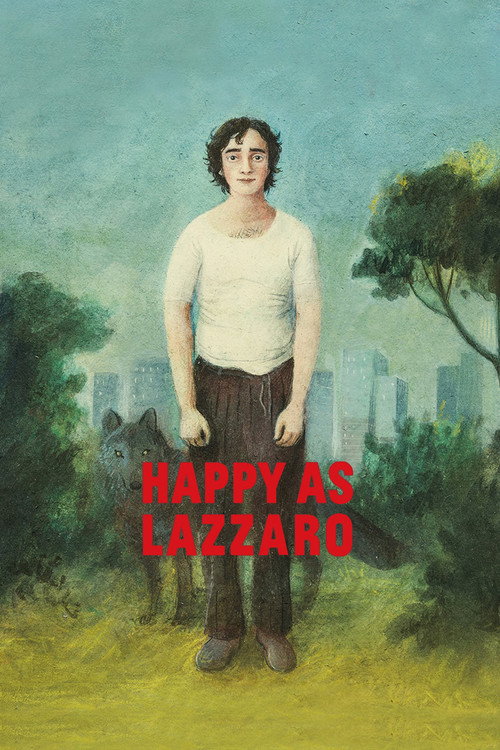
Happy as Lazzaro2018
Both use a single righteous man's destruction to anatomise a system. Both refuse to sentimentalise him or offer redemption. Both suggest that integrity in an unjust world is a kind of death.
Alice Rohrwacher's fable about a saint-like peasant destroyed by a feudal system that demands his exploitation. Like The Angry Silence, it's about a man who refuses to play the game and is systematically erased for it—but told as magical realism instead of kitchen sink drama.
But It's Italian, slow, allegorical, and plotless in the conventional sense. The tone is dreamlike and strange; if you want clarity and momentum, this will frustrate you.
People
Cast
 Richard AttenboroughTom Curtis
 Pier AngeliAnna Curtis
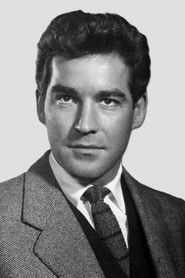 Michael CraigJoe Wallace
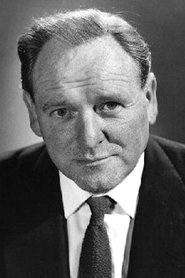 Bernard LeeBert Connolly
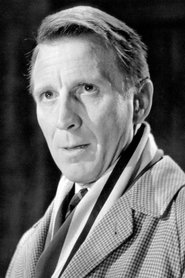 Alfred BurkeTravers
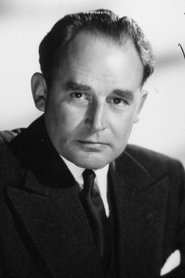 Geoffrey KeenDavis
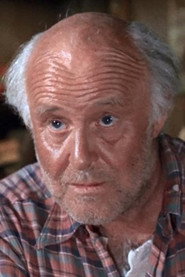 Laurence NaismithMartindale
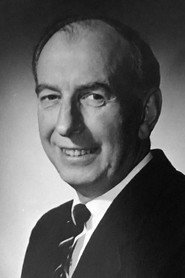 Russell NapierThompson
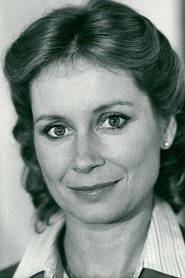
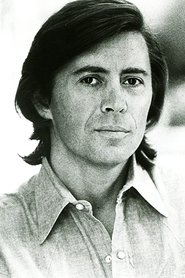 Brian BedfordEddie
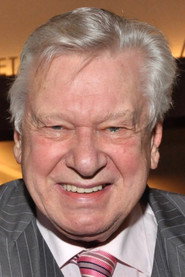 Brian MurrayGladys
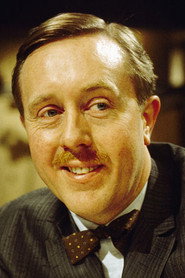 Norman BirdRoberts
Directing
- Basil RayburnAssistant Director
- Julian MackintoshAssistant Director
- Beryl BoothContinuity
- Guy GreenDirector
Writing
- Michael CraigScreenplay
- Richard GregsonScreenplay
- Bryan ForbesWriter
Production
- Jack RixAssociate Producer
- Maureen GoldnerCasting
- Bryan ForbesProducer
- Richard AttenboroughProducer
- Inez EastonProduction Secretary
Recommended by
Victim, The Loneliness of the Long Distance Runner, Heavens Above!