
Film
The Bad Sister
A 1931 melodrama about two sisters, family betrayal, and the con men who wreck their lives. It's a brisk, slightly unhinged early-talkie that moves like a silent film still remembering how to gallop. A period piece where ambition and desire crash into each other at high speed, with Bette Davis in particular burning through the frame like she's already become a star and nobody's told the camera yet.
If you liked this
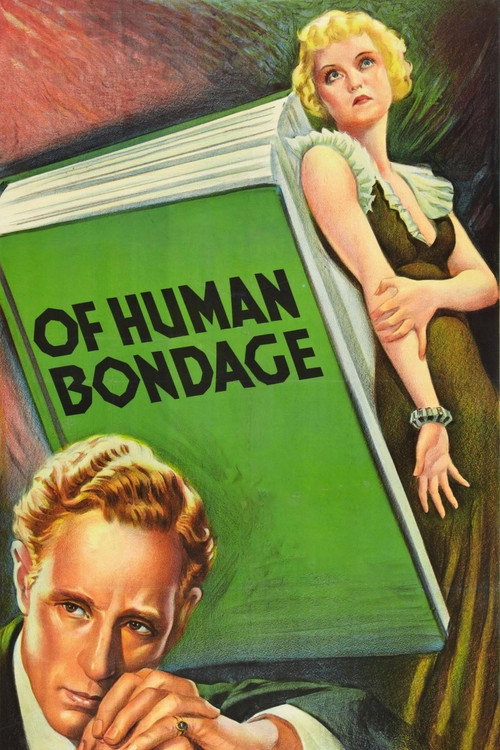
Of Human Bondage1934
Bette Davis in her breakthrough role, raw and self-destructive as a waitress who ruins a man's life. She commanded Hollywood's attention with this one—a darker, more complex femme fatale than the era usually allowed.
But It's a harsh, unglamorous portrait of a woman nobody likes, which some viewers find punishing rather than cathartic. The pacing is uneven, as 1930s dramas sometimes are.
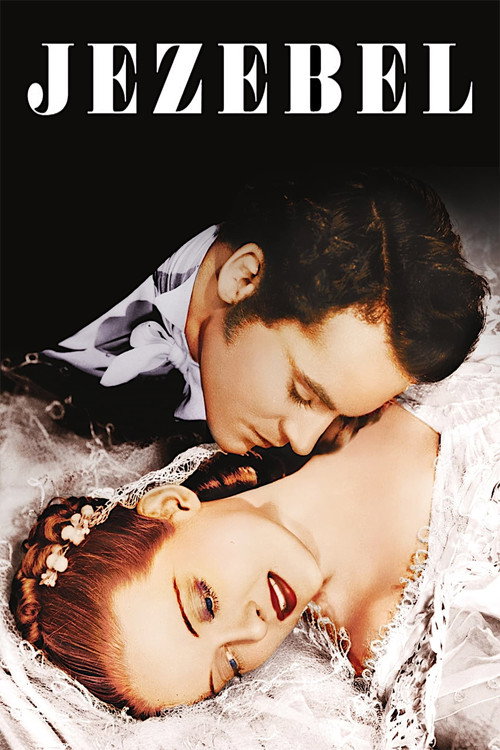
Jezebel1938
Davis again, this time as a Southern belle who sabotages her own happiness through pride and spite. It has the same melodramatic fire as *The Bad Sister* but with a bigger budget and Wyler's direction behind it.
But The racial politics are very much of 1938. It's also a slower burn than *The Bad Sister*—more languid, less urgent.
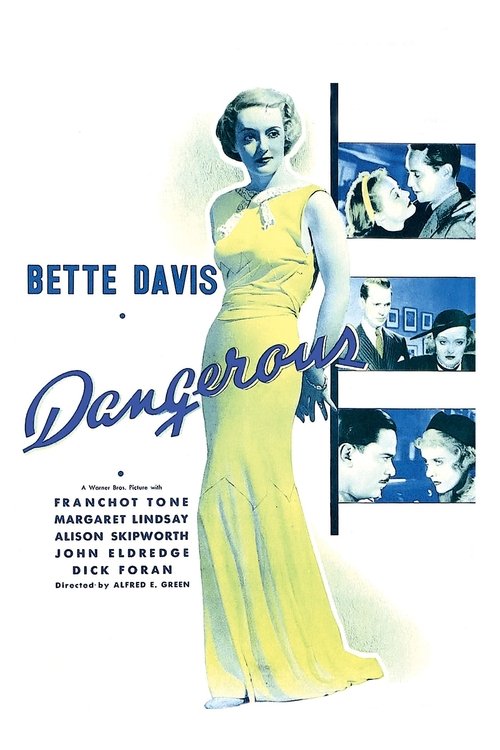
Dangerous1935
Davis won the Oscar for this one: a failed actress climbing back to respectability through a new marriage. It's got the same con-artist energy and moral murk as *The Bad Sister*, packed into a tighter frame.
But It's melodrama with the volume turned up. If you don't like your drama sincere and a little overwrought, this won't win you over.
Not sure tonight? Get a pick in a minute, starting from The Bad Sister
The wildcard
Something you would not have found on your own.
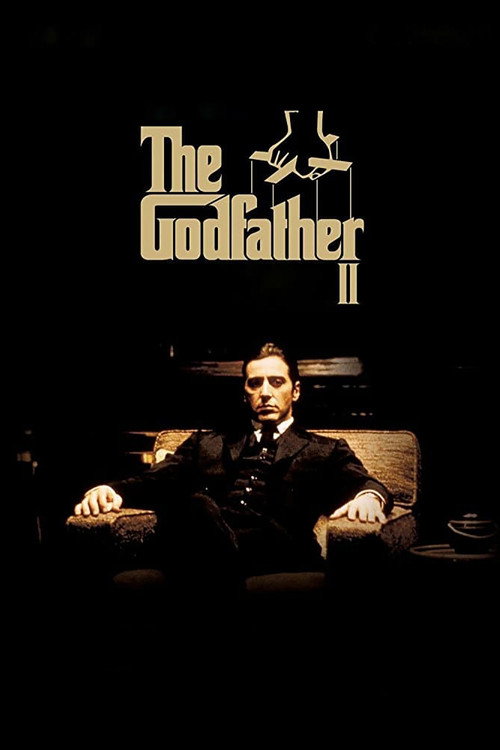
The Godfather Part II1974
Both are fundamentally about con men and the families they wreck; both show how moral rot spreads when attractive people pursue selfish ends without conscience.
It tells two stories of family and betrayal across time—young Vito's rise and Michael's consolidation of power. Like *The Bad Sister*, it's about how charm and ruthlessness are the same thing, just applied in different directions. The architecture is similar: ambition, con, corruption.
But It's nearly four hours long and demands total attention. It's also so canonically revered that watching it can feel like homework. And the violence is real in ways 1931 never could show.
More like this (8)
The Asphalt Jungle1950
Humphrey Bogart in a harder, smarter con-man role than Valentine Corliss. This is the template for every heist film that followed—precise, morally foggy, and entirely engrossing.
But It's nearly twenty years later and shot in a completely different style. If you're hoping for early-talkie charm, you'll get film noir efficiency instead.

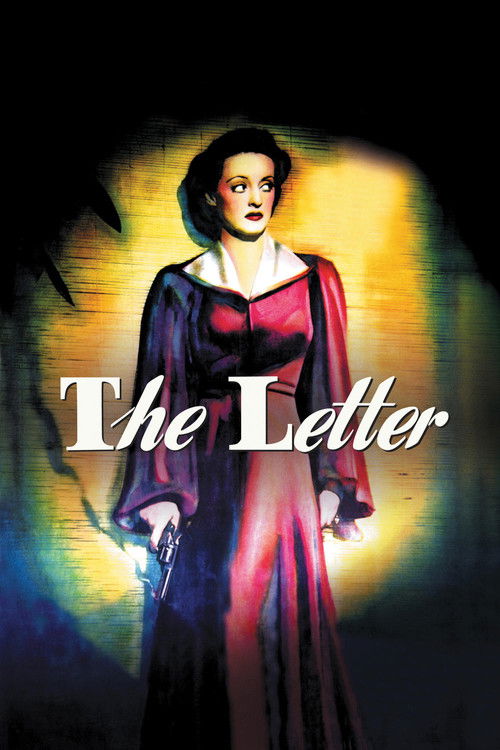
The Letter1940
Davis as a woman who commits murder and then spends the film lying her way through justice. A masterclass in how to play someone who knows exactly how guilty she is.
But It's a courtroom drama where you spend most of the runtime wishing the guilty party would get away with it. That moral ambiguity can feel unsettling.
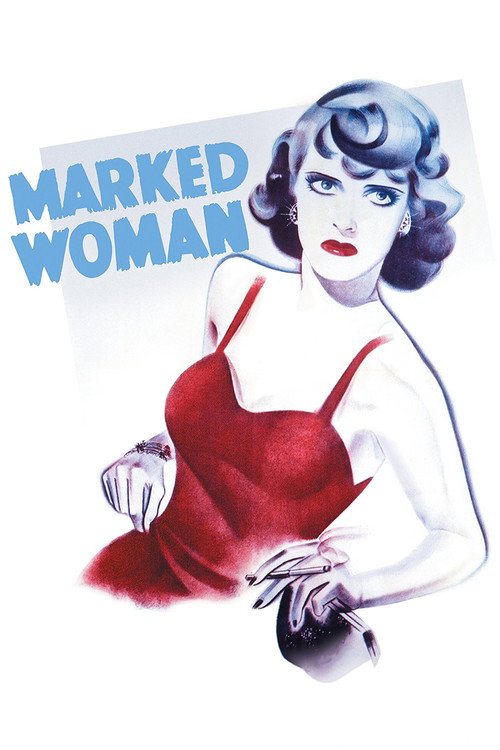
Marked Woman1937
Davis and Humphrey Bogart in a film about a woman testifying against gangsters. The chemistry crackles, and it's got the same scrappy, urgent energy as *The Bad Sister*.
But The plot is fairly straightforward and the dialogue occasionally creaks. It's essentially a B-picture elevated by two actors who were becoming too good for the material.
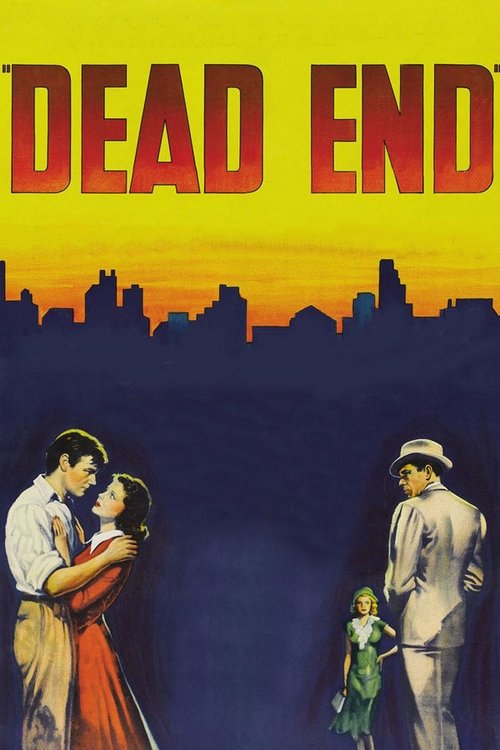
Dead End1937
Bogart as a charming thug and con man who preys on the poor. The film has that same interest in how attractive villainy can be, and how it corrupts everything it touches.
But It's more of an ensemble piece than a showcase for any one actor. The theatrical staging can feel stagey if you're not in the mood for it.
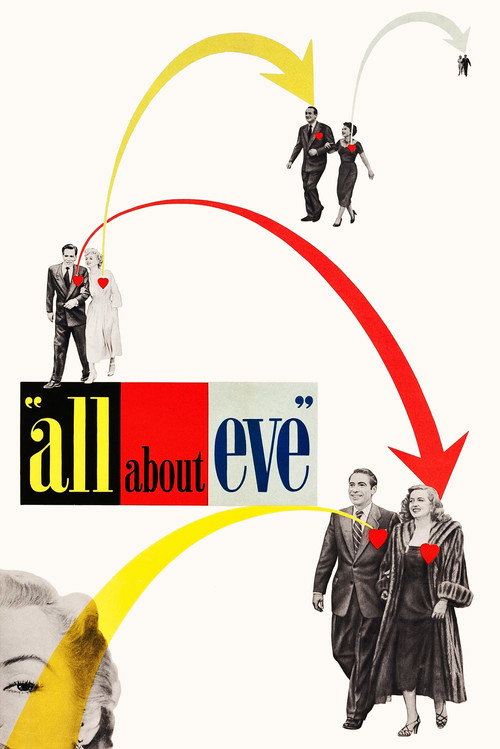
All About Eve1950
Sisters, ambition, betrayal, and someone using charm to get what they want at any cost. Mankiewicz wrote this, so every line crackles. It's what *The Bad Sister* wanted to be if it had another twenty years to figure itself out.
But It's a completely different register—witty and controlled where *The Bad Sister* is messy and urgent. If you want the same emotional chaos, you won't find it here.
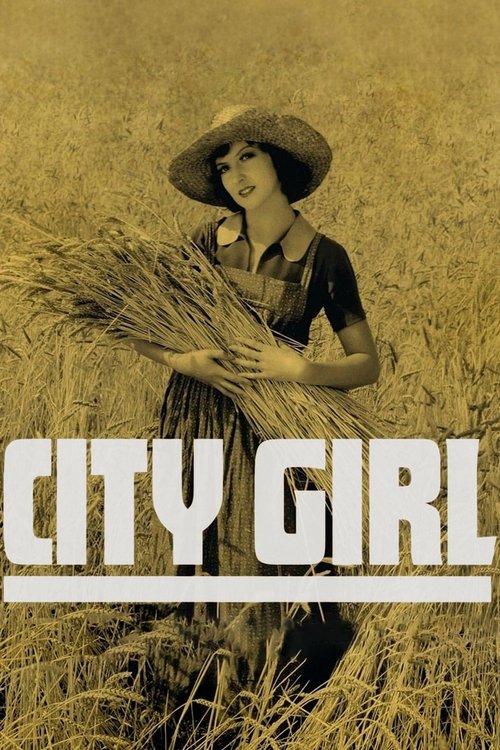
City Girl1930
F.W. Murnau's last film, made the same year as *The Bad Sister*. A rural girl seduced by city life and a con man. It has the same collision of innocence and deception, shot with expressionist poetry.
But It's slow and visually demanding in ways early talkies rarely are. Some prints are damaged and the pacing will feel glacial if you're used to modern cinema.
In a Lonely Place1950
Both films ask whether attractive, charismatic people are fundamentally trustworthy or whether that charm is a weapon. Both suggest the answer is the latter.
Bogart as a man accused of a crime he might not have committed, and whether it matters. Directed by Ray, it's a psychological thriller that cares more about interior corruption than plot mechanics. Like *The Bad Sister*, it's interested in whether people are redeemable or whether charm is just camouflage.
But It's a 1950s melodrama, which means it's sometimes uneven. The ending might disappoint you if you want moral clarity. And Bogart plays someone actively unlikeable, which is different from the charismatic villain.

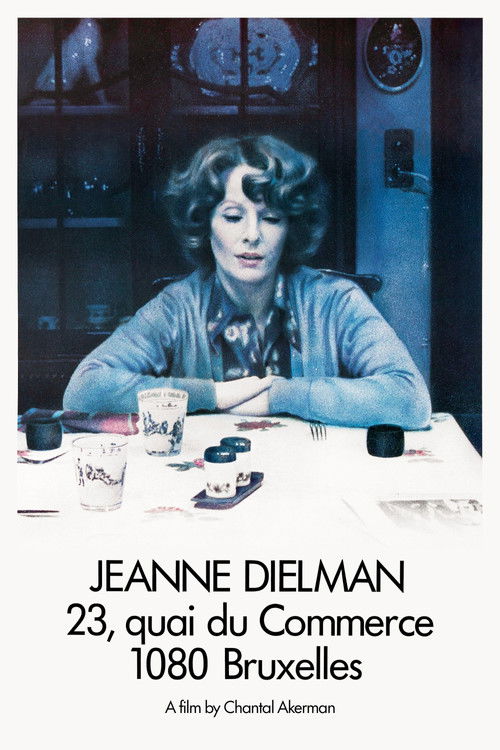
Jeanne Dielman, 23, quai du Commerce, 1080 Bruxelles1976
Both films are preoccupied with how women use their bodies and charm to survive economically, and what that costs them. *Dielman* just has sixty years of hindsight and a radically different formal approach.
Chantal Akerman's three-hour film about a woman's daily routine—cooking, cleaning, sex work—rendered in real time. It sounds austere but it's hypnotic. Like *The Bad Sister*, it's about women's economic dependence and what they'll trade away. The difference is that Akerman watches without judgment, and lets the routine's deadening repetition speak for itself.
But It's three hours of a woman doing housework, shot mostly in static wide shots. If you approach it as narrative cinema, you'll be bored. It requires patience and a willingness to sit with discomfort.
People
Cast
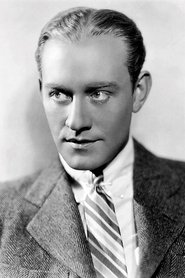 Conrad NagelDr. Dick Lindley
 Sidney FoxMarianne Madison
 Bette DavisLaura Madison
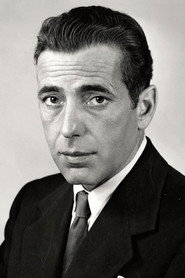 Humphrey BogartValentine Corliss
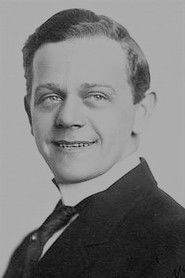 Charles WinningerMr. Madison
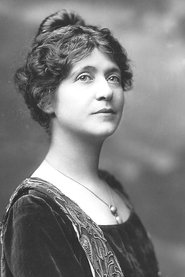 Emma DunnMrs. Madison
 Zasu PittsMinnie
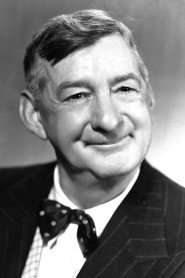
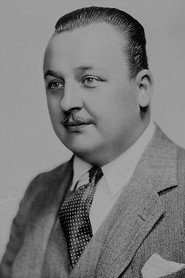 Bert RoachWade Trumbull
 David DurandHedrick Madison
 Mary AldenMinor Role (uncredited)
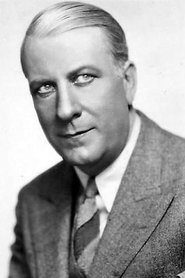 King BaggotPoliceman on Street (uncredited)
Directing
- Hobart HenleyDirector
Writing
- Edwin H. KnopfDialogue
- Edwin H. KnopfScreenplay
Production
- Carl Laemmle Jr.Producer