
Film
City for Conquest
James Cagney burns bright as a working-class boxer in Depression-era New York, chasing redemption and a lost love through the ring. Raoul Walsh directs this crime-tinged romance with the kinetic energy of a punch, swapping sentiment for genuine emotional stakes. For anyone who loves scrappy, unglamorous heroes and the particular ache of watching people claw for something better.
If you liked this
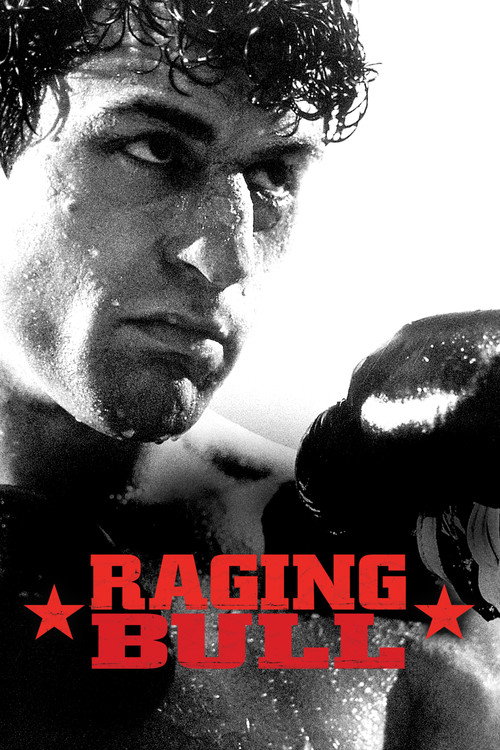
Raging Bull1980
Scorsese's masterpiece channels the same boxing-as-redemption energy, with De Niro's fury giving the sport a raw spiritual dimension. A definitive exploration of ambition destroying the thing you love.
But It's visually austere, punishingly long, and its protagonist is repellent in ways that never quite reconcile. The black-and-white cinematography can feel deliberately distancing.
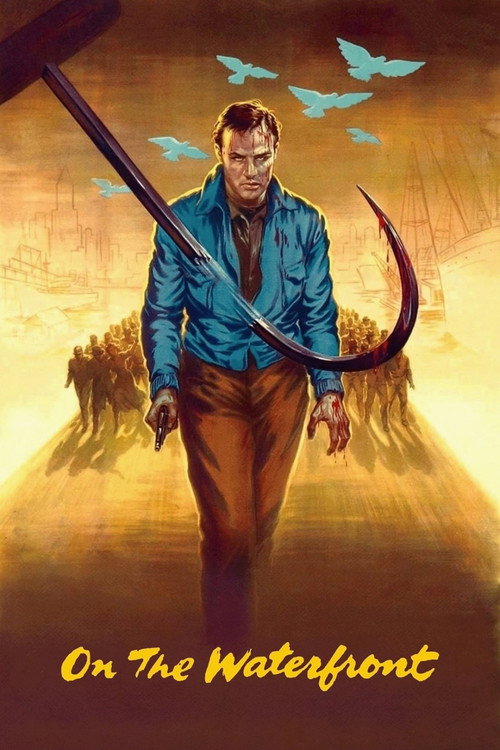
On the Waterfront1954
Brando's dockworker grapples with conscience and class in post-war New York—same city, same moral scaffolding, equally interested in redemption through violence and love. The atmosphere of working-class struggle is almost identical.
But The pacing is deliberately slow and meditative. If you want kinetic energy like Cagney brings, you'll find less of it here, and the social message can feel didactic.
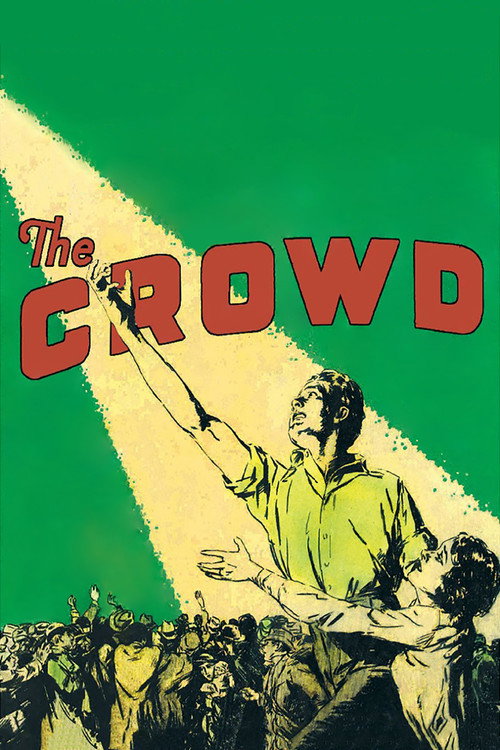
The Crowd1928
King Vidor's silent masterpiece about ordinary people trying to rise above their circumstances in a faceless city. The same DNA: romantic love as the only redemption against systemic indifference. A visual feast.
But It's silent cinema—requires patience with the rhythm and style of 1920s filmmaking. The emotional beats won't land if you're not giving it your full attention.
Not sure tonight? Get a pick in a minute, starting from City for Conquest
The wildcard
Something you would not have found on your own.
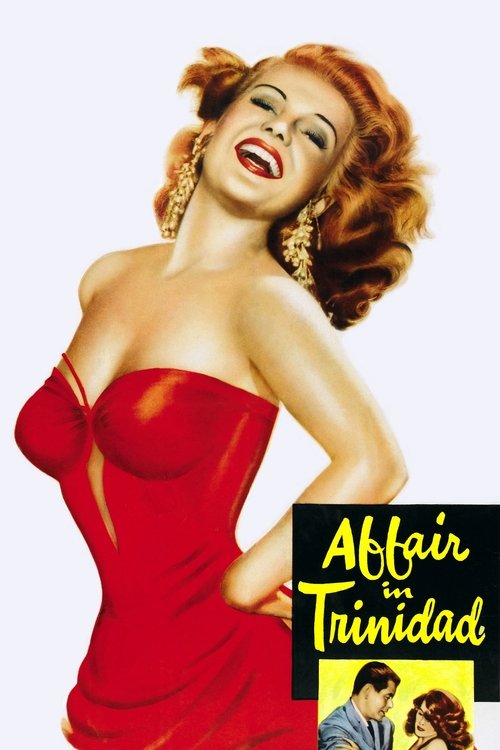
Affair in Trinidad1952
Both center on a lover forced into performance (boxing, dance) to survive economically. Here Hayworth's character masters the stage as a form of power; in City for Conquest, Peggy is victimized by it. Same setting, opposite empowerment.
Rita Hayworth in a tropical noir where dance becomes a weapon and survival strategy—the inverse of Peggy's arc. Instead of an innocent dreaming of better things, we have a woman using seduction and performance as tools of agency and vengeance.
But It's a B-picture with looser plotting and less psychological depth. The tone is far more lurid and pop, and the romance is entanglement rather than heartbreak.
More like this (7)
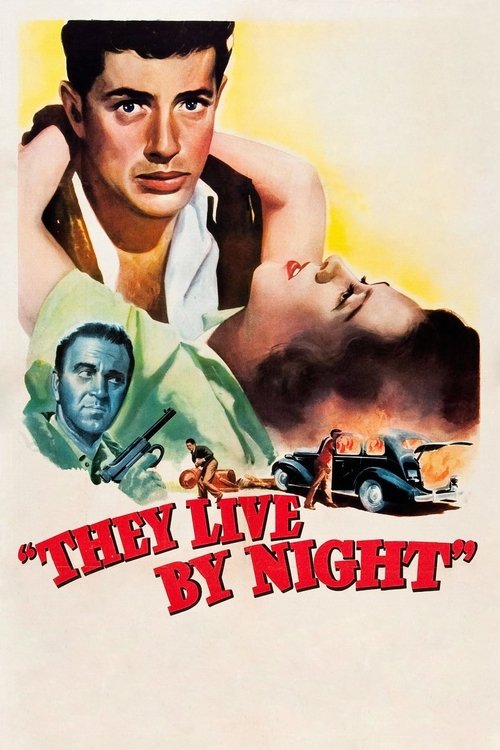
They Live by Night1949
Nicholas Ray's debut is a fever dream of young love tangled with crime and desperation. The doomed romance at its core shares City for Conquest's heartbreak, wrapped in noir shadows and genuine tenderness.
But It's slow-burn and melancholic where you might expect action. The ending is beautifully inevitable in a way that provides no comfort whatsoever.
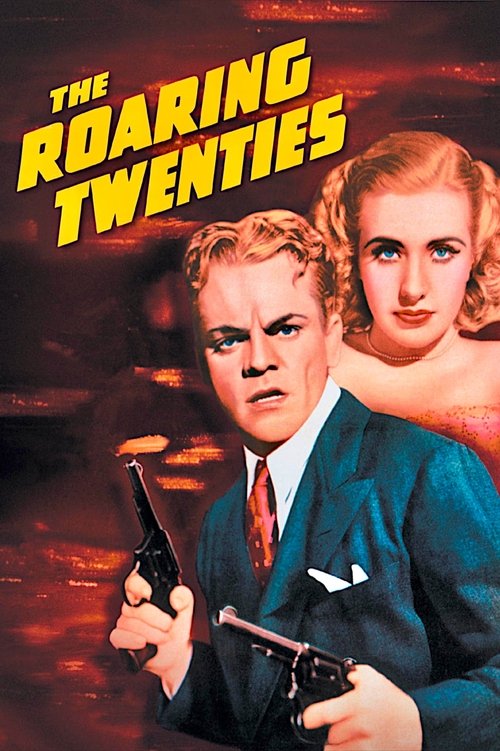
The Roaring Twenties1939
Cagney reunites with director Walsh for another dive into the criminal underworld, this time during Prohibition. Same actor, same director, same era—but here the boxing is replaced by bootlegging and the mood is even darker.
But The story is less focused, bouncing between three male friendships. If you loved the Danny-Peggy romance, you'll find far less of it in the emotional center.
Champion1949
Kirk Douglas as a boxer who claws his way to the top, destroying everyone around him including the woman who loves him. It's a darker, more cynical cousin to City for Conquest, asking what the championship actually costs.
But It's grim and offers little sentiment. There's no Old Timer figure to ground you in warmth—everyone is complicit or exploited.
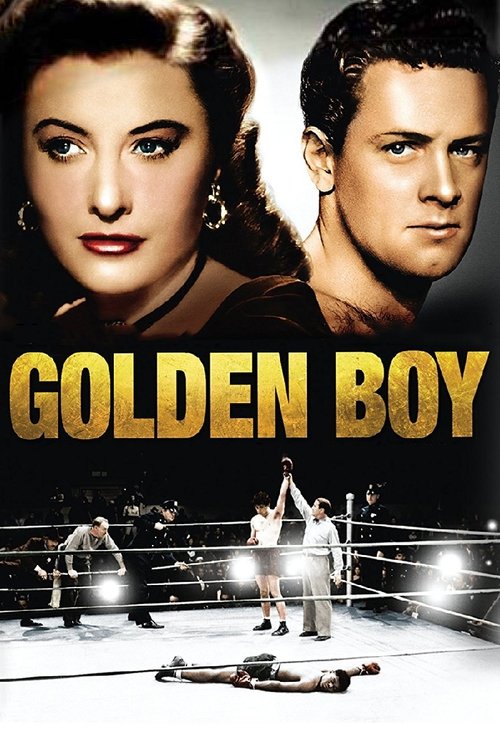
Golden Boy1939
Barbara Stanwyck and Adolphe Menjou in a tale of a young violinist forced into boxing to escape poverty. The class anxiety and romantic tension mirror City for Conquest almost exactly, made the same year.
But It lacks the kinetic spark of Cagney's performance. The pacing is more restrained, and the film is less visually alive than Walsh's work.
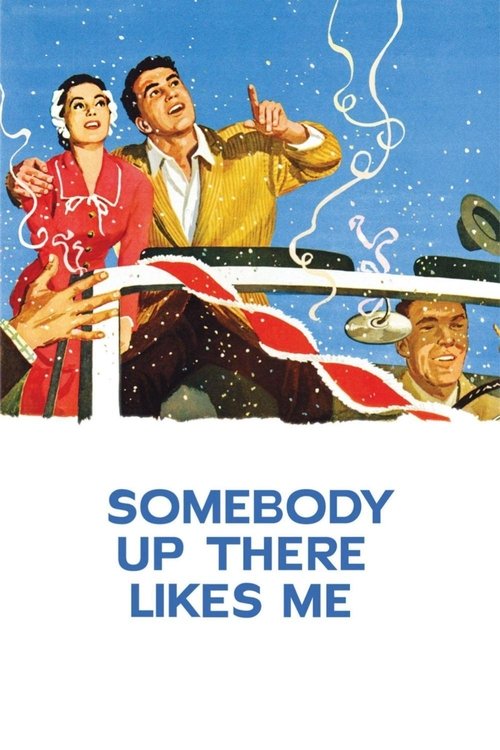
Somebody Up There Likes Me1956
Paul Newman as Rocky Graziano, a juvenile delinquent who finds purpose in boxing. The redemptive arc is similar, though Newman's charisma tips it toward something more hopeful than Cagney's grinding struggle.
But It's Technicolor Hollywood—glossier and less willing to sit with real poverty. The gritty realism of City for Conquest gets smoothed into star-vehicle shine.
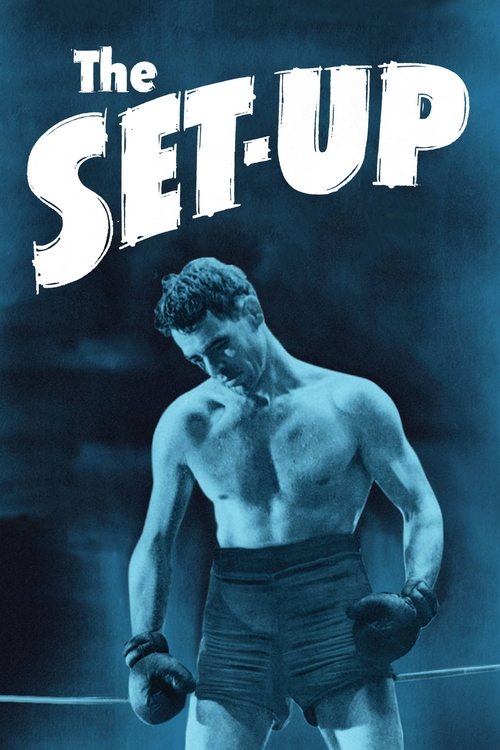
The Set-Up1949
Robert Wise's real-time boxing drama, shot in a single night. It captures the claustrophobia and desperation of the fight game with documentary precision and an ending that lands like a punch to the sternum.
But It's very small in scale—no big romance, no sweeping ambition, just one aging fighter and ninety minutes of dread. The grimness offers no escape hatch.
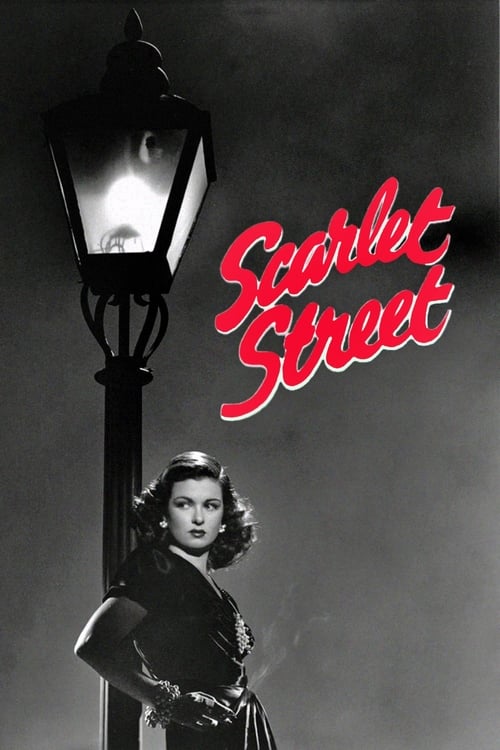
Scarlet Street1945
Both explore how poverty and love conspire to destroy good intentions. Where City for Conquest finds a glimmer of hope in Cagney's grit, Scarlet Street suggests hope itself is the trap. Same noir logic, opposite emotional truth.
Fritz Lang's American masterpiece about a meek cashier undone by an affair with a femme fatale. Edward G. Robinson is crushed by passion and class aspiration—but the perspective is inverted: we see the world through the eyes of the destroyed, not the destroyer.
But It's deeply misanthropic and offers zero consolation. The Old Timer figure here would only accelerate your doom. Also in black-and-white and from an earlier era—it demands you meet it on its own terms.
People
Cast
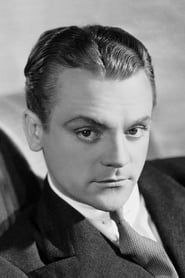 James CagneyDanny Kenny
 Ann SheridanPeggy Nash
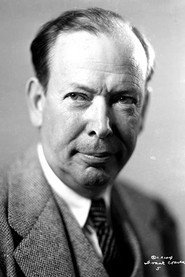 Frank Craven'Old Timer'
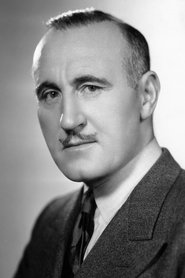 Donald CrispScotty MacPherson
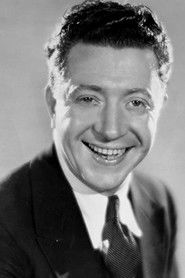 Frank McHugh'Mutt'
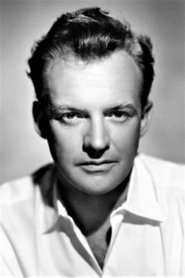 Arthur KennedyEddie Kenny
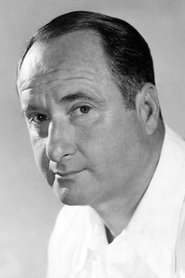 George Tobias'Pinky'
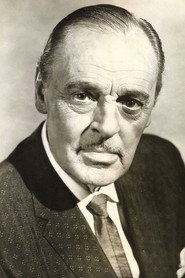 Jerome Cowan'Dutch'
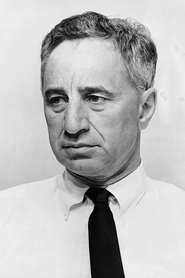 Elia Kazan'Googi'
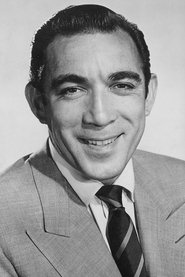 Anthony QuinnMurray Burns
 Lee PatrickGladys
 Blanche YurkaMrs. Nash
Directing
- Anatole LitvakDirector
- Jean NegulescoDirector
Writing
- Aben KandelNovel
- John WexleyScreenplay
Production
- Hal B. WallisExecutive Producer
- Anatole LitvakProducer
- William CagneyProducer
- Jack L. WarnerProduction Manager