
Film
Shoulder Arms
Chaplin as a hapless soldier in the trenches of World War One, caught between the genuine horror of modern warfare and pure slapstick absurdity. It's tender and anarchic at once—sometimes in the same scene—and moves at the speed of silent comedy. For anyone curious how artists processed the unprocessable.
Should you watch it?
Watch it if you love silent slapstick built on physical invention, where a little tramp-like everyman gets into trouble with ordinary objects and the gags land because the timing is so precise.
Skip it if you need sound, dialogue or a fully developed plot; this is a brief, pantomime-driven comedy whose humour is broad and whose war is mostly a playground for sight gags.
What it asks of you: It runs about half an hour and moves quickly from one bit to the next, so it asks you to watch closely and accept silence, exaggerated mime and a lightness toward the trenches.
Not sure? Find tonight's pick in a minute.
If you liked this
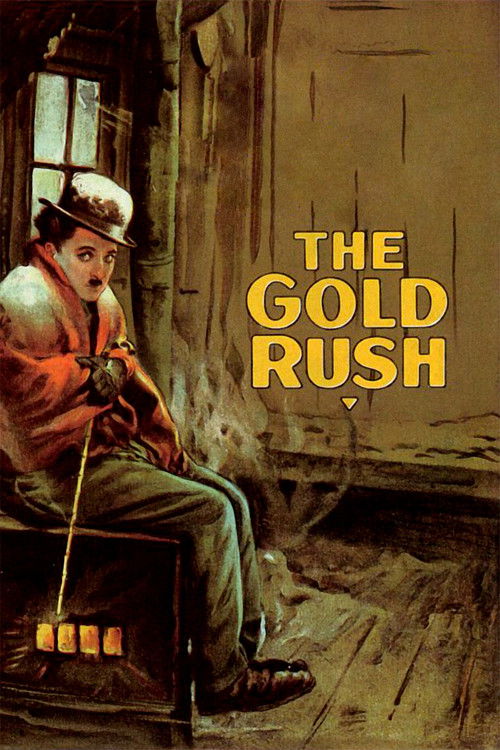
The Gold Rush1925
Chaplin's masterpiece of pathos and ingenuity. A lone prospector in the Yukon builds shelter, love, and meaning from nothing but determination and a shoe (yes, a shoe). The most purely moving film of the silent era.
But Silent films from this period can feel distant or slow if you're not accustomed to them. The emotional beats are sometimes subtle.
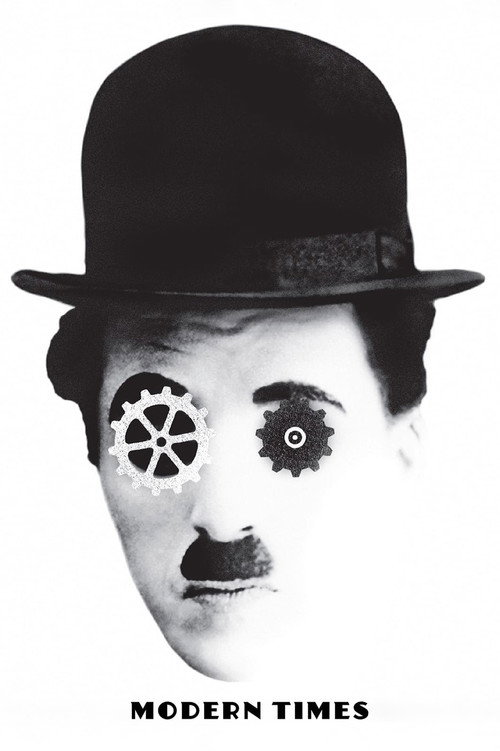
Modern Times1936
Chaplin against the machine age: factories, assembly lines, industrialized dehumanization. He finds comedy in the margins—and then finds pathos, and then finds hope. The final scene may stay with you for years.
But It's a sound film but dialogue-light, and the social critique can feel heavy-handed if you're watching for laughs alone.
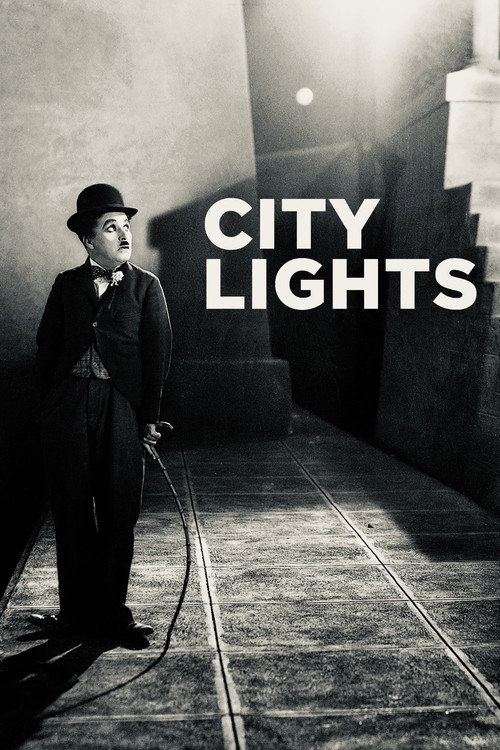
City Lights1931
Chaplin the vagrant, a blind flower-seller, a millionaire. It's a three-act play about love and dignity played for both comedy and heartbreak. One of cinema's greatest achievements, silent or otherwise.
But The last act is a genuine emotional crescendo that leaves no room for laughter. That's the point, but not everyone comes to Chaplin for tears.
Not sure tonight? Get a pick in a minute, starting from Shoulder Arms
The wildcard
Something you would not have found on your own.
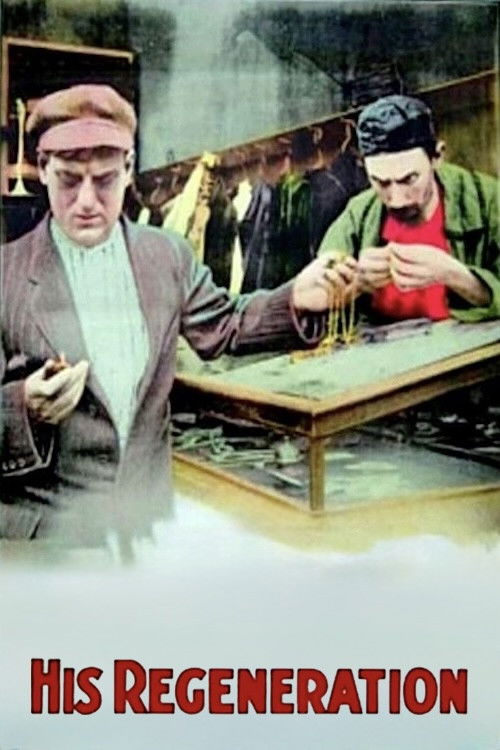
His Regeneration1915
Both are artists' attempts to process the Great War, but Chaplin uses comedy as a pressure valve while this uses silence and restraint as a pressure valve. They're opposite medicines for the same wound.
A drama about Wilfred Owen, Siegfried Sassoon and their psychiatrist at a hospital for shell-shocked officers. It treats the psychological wound of war—not absurdly, not comically, just with full seriousness. The film Shoulder Arms acknowledges but cannot fully name.
But It's literary and interior, with long scenes of men talking about trauma and poetry. No action, no release, no jokes. Can feel static if you want something to *happen*.
More like this (7)
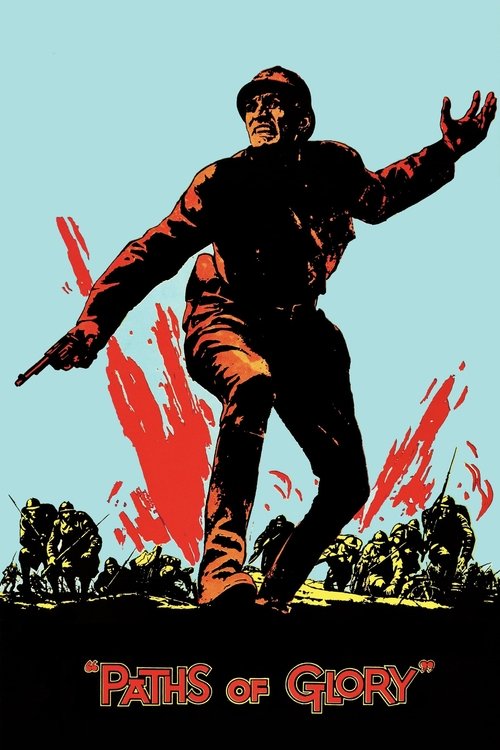
Paths of Glory1957
Kubrick's ferocious anti-war film about a French general's callous disregard for his own soldiers. It shares Shoulder Arms' dawning horror at what war actually is, but with no comedy to soften the blow.
But It's bleak and intellectually angry rather than entertaining. Watching good men destroyed by bureaucratic evil is not a comfortable evening.
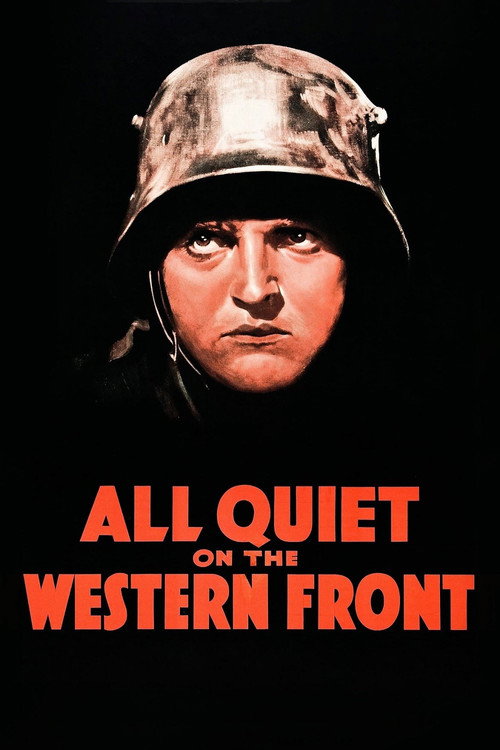
All Quiet on the Western Front1930
The definitive screen adaptation of Remarque's novel: the erosion of idealism under trench warfare, seen from a young German soldier's perspective. Unflinching and humanizing. Still the most honest WWI film.
But It's relentlessly grim, with graphic violence for its era. There are no comedic breaks and no redemptive arc—just the waste of it all.
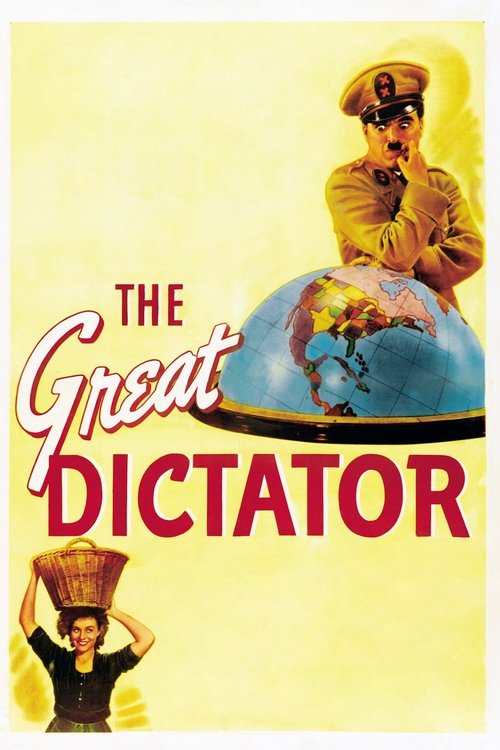
The Great Dictator1940
Chaplin's only talkie where he plays two roles: a Jewish barber and Hitler himself. He made this before victory was assured, and it's equal parts satire, plea, and sermon. Bravest thing he ever filmed.
But The final monologue is a direct address to the camera about faith and humanitarianism. If that sounds sentimental to you, it will feel sentimental—though Chaplin earned the right.
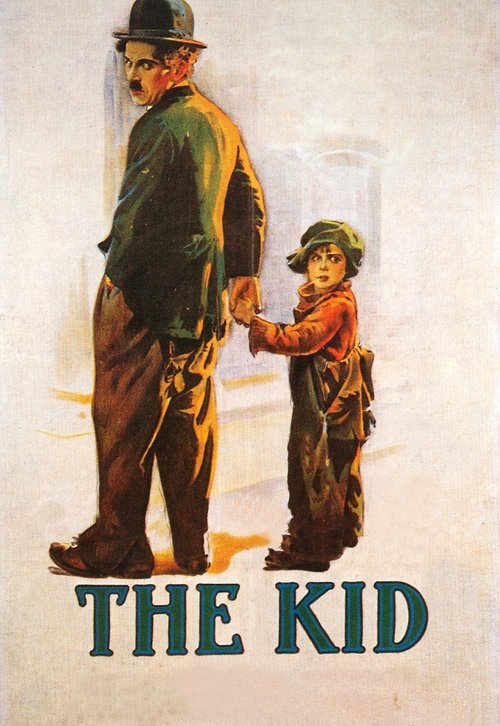
The Kid1921
Chaplin the tramp with a street orphan. It's funny and tender in measures that still feel perfectly balanced nearly a century later. The relationship between the two carries the whole film, and it's genuine.
But The opening reels about the mother's desperation and poverty are genuinely heavy. It's not a light watch, even though it has more laughs than Shoulder Arms.
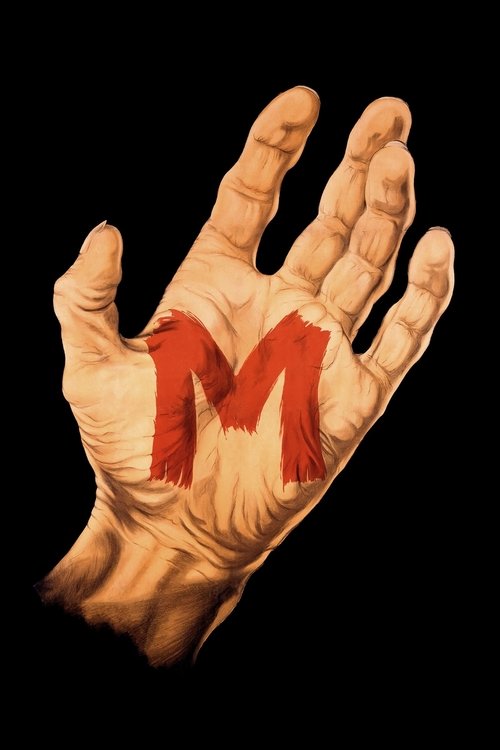
M1931
Lang's Weimar masterpiece about a child-killer hunted by both police and criminal underworld. A different kind of moral chaos than Shoulder Arms, but the same question: what does society owe to mercy and justice?
But It's a very dark procedural with exploitation of a sensitive crime at its centre. The final scenes are emotionally brutal.
Intolerance: Love's Struggle Throughout the Ages1916
Griffith's sprawling, ambitious epic interweaving four historical periods to ask whether humanity ever learns. It's visually staggering and thematically sincere about the cost of conflict. Made just before Shoulder Arms.
But It's four hours of silent cinema with a somewhat muddled message. The narrative structure can feel chaotic even when you understand what he's attempting.

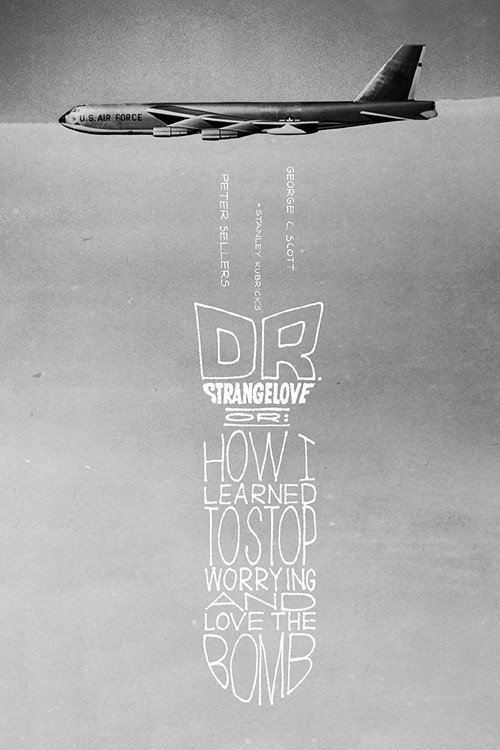
Dr. Strangelove or: How I Learned to Stop Worrying and Love the Bomb1964
Both use slapstick and farce to ask whether comedy is the only honest response to mechanized violence. Chaplin was tentative; Kubrick is absolute.
Kubrick's comedy-thriller about nuclear Armageddon: bureaucrats, generals, systems failures, and the absurd fact that a single man can end the world. Hilarious and terrifying. Comedy as the only sane response to insanity.
But It's deliberately obscene and nihilistic. If you wanted Shoulder Arms to ultimately affirm human decency, this film will infuriate you.
People
Cast
 Charlie ChaplinDoughboy
 Edna PurvianceThe Girl
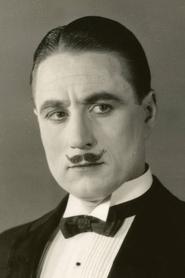 Sydney ChaplinCharlie's Comrade / The Kaiser
 Loyal UnderwoodShort German Officer
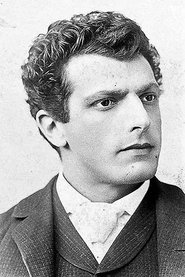 Henry BergmanFat Whiskered German Soldier / The Kaiser's General / Bartender
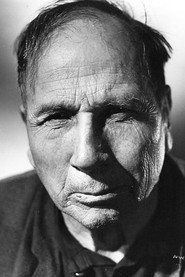 Tom WilsonDumb German Wood-Cutter
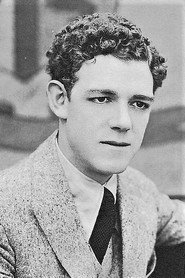 Albert AustinAmerican Soldier / Clean Shaven German Soldier / Bearded German Soldier
- Jack WilsonCrown Prince
- W.J. AllenMotorcyclist (uncredited)
- L.A. BlaisdellMotorcyclist (uncredited)
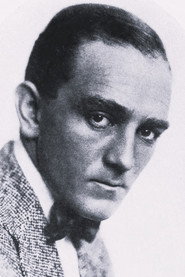 Alva D. BlakeU.S. Soldier / German Officer (uncredited)
- Cliff BrouwerSoldier (uncredited)
Directing
- Charles ReisnerAssistant Director
- Tom HarringtonAssistant Director
- Charlie ChaplinDirector
Writing
- Charlie ChaplinScreenplay
Production
- Charlie ChaplinProducer