
Film
Twin Dragons
Jackie Chan plays both halves of a switched-at-birth pair: one a rough-edged street mechanic, the other a refined concert conductor. They collide in Hong Kong and get tangled in mistaken identities, crime, and chaos. It's a goofy, energetic action-comedy that uses its high concept for genuine laughs rather than pathos—Chan gets to be two completely different people, and the film knows exactly how silly that is.
Should you watch it?
Watch it if you love Jackie Chan's slapstick set pieces and don't mind a silly, loose plot if the physical comedy keeps coming, the way it does in the lighter Hong Kong comedies of the early nineties.
Skip it if you want a tight, grounded story; this one runs on mistaken identity and broad farce, and its jokes can feel repetitive across its roughly hundred-minute running time.
What it asks of you: Give it a light, easygoing hour and three-quarters, asking you to go along with coincidence and goofy escalation rather than follow intricate plotting or emotional depth.
Not sure? Find tonight's pick in a minute.
If you liked this
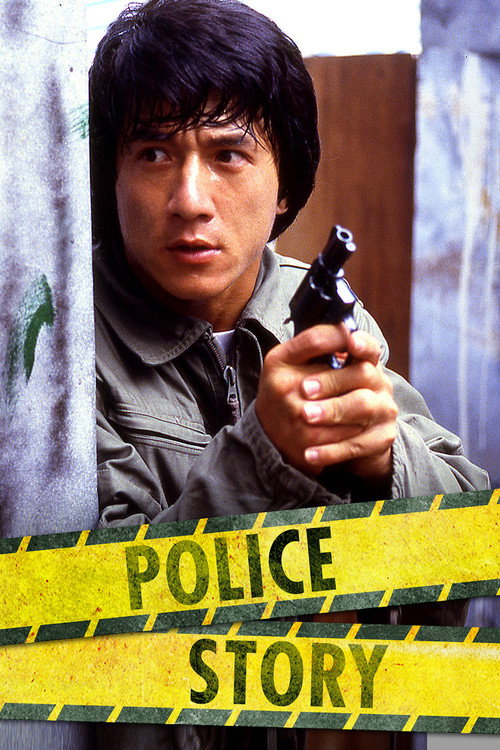
Police Story1985
The template for Chan's Hong Kong action comedies: a cop fighting criminals with improvised weapons, impossible stunts, and physical comedy that makes you wince and laugh simultaneously. Pure invention.
But The plot is thin and the dubbing can be distracting. If you need narrative weight, this will feel like a series of set pieces held together by goodwill.
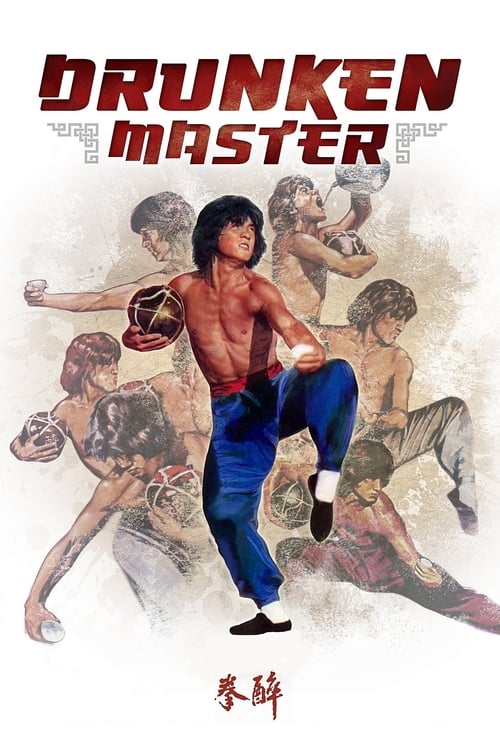
Drunken Master1978
Chan as a young street fighter learning kung fu while drunk. The action is fluid and hilarious, mixing slapstick with genuine martial arts skill. A masterclass in turning physicality into comedy.
But It's subtitled and the tonal shifts between comedy and violence feel jarring if you're not in the right headspace. The pacing can drag between action scenes.
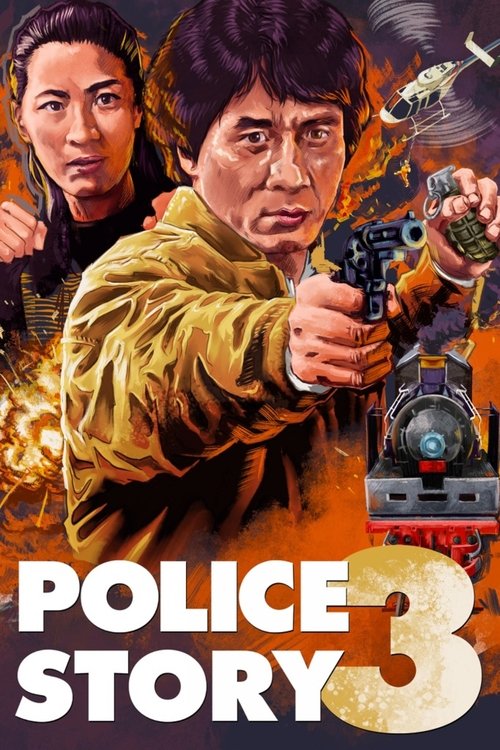
Police Story 3: Super Cop1992
Chan infiltrating a drug cartel while doing his own motorcycle stunts that genuinely risk his life. The action is breathtaking, the chemistry with Michelle Yeoh is electric, and it all moves like lightning.
But The plot is a straightforward cop thriller with no surprises. If the stunts don't entrance you, there's not much else holding your attention.
Not sure tonight? Get a pick in a minute, starting from Twin Dragons
The wildcard
Something you would not have found on your own.
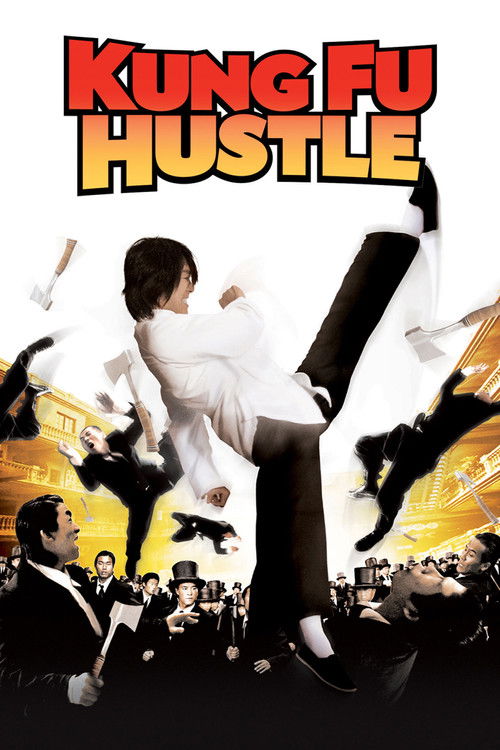
Kung Fu Hustle2004
Both films use the comedy-action hybrid form that defines Hong Kong filmmaking, and both understand that physicality is the language. Chow learned from Chan; this is the logical evolution.
Stephen Chow's love letter to Hong Kong action cinema, made by someone who worships the form Chan pioneered. It has his blend of comedy and spectacular fights, but filtered through anarchic absurdism and genuine heart. The physical comedy is virtuosic.
But It's stylized to the point of surrealism—if you want grounded action, the cartoonish tone will feel arch and alienating. The humor is very specific to Hong Kong cinema culture.
More like this (8)
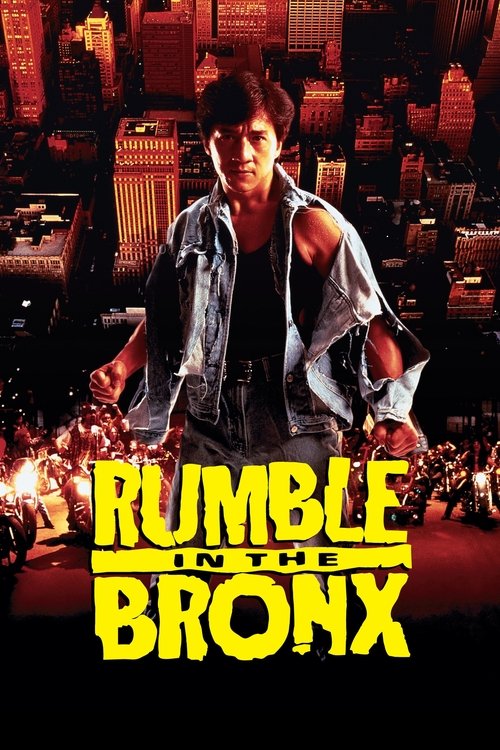
Rumble in the Bronx1995
Chan fighting gang members in New York while still doing pratfalls and finding comedy in mayhem. It's louder and faster than his Hong Kong films, and surprisingly charming despite—or because of—the absurdity.
But The dubbed dialogue is terrible. The cultural weirdness of Jackie Chan's character in 1990s New York might feel dated or uncomfortable depending on your patience.
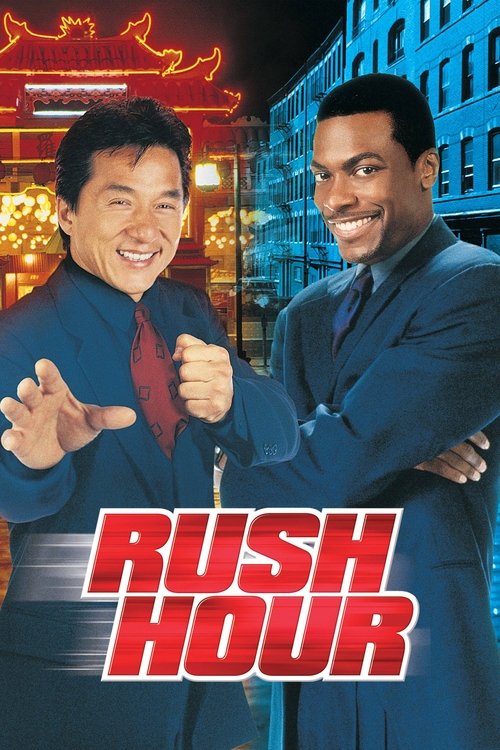
Rush Hour1998
Chan and Chris Tucker in a buddy-cop action-comedy that actually works. The humor lands, the action is inventive, and they have genuine rapport. Hollywood figured out how to use him without flattening his charm.
But It's slicker and less inventive than his best Hong Kong work. If you want pure stunt spectacle, this leans too hard on plot and banter.
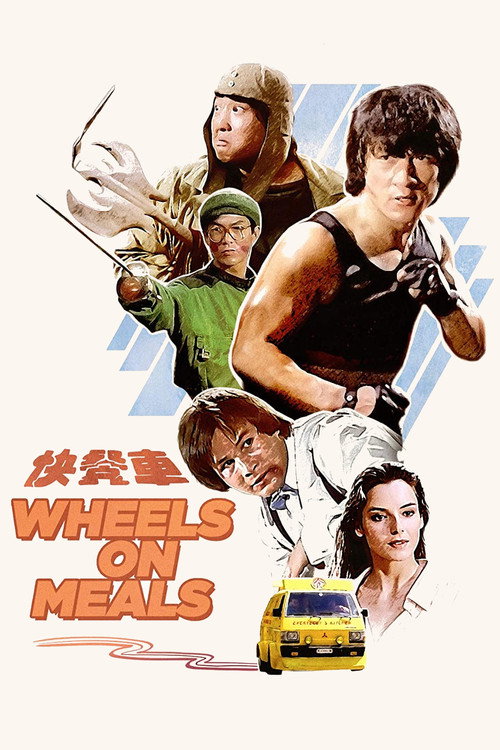
Wheels on Meals1984
Chan and Sammo Hung as food-truck operators who stumble into crime. The opening action sequence alone is worth the price of admission—pure joy and invention with zero wasted movement.
But The middle section drags badly, and the film feels padded. You'll be checking your watch between the great bits.
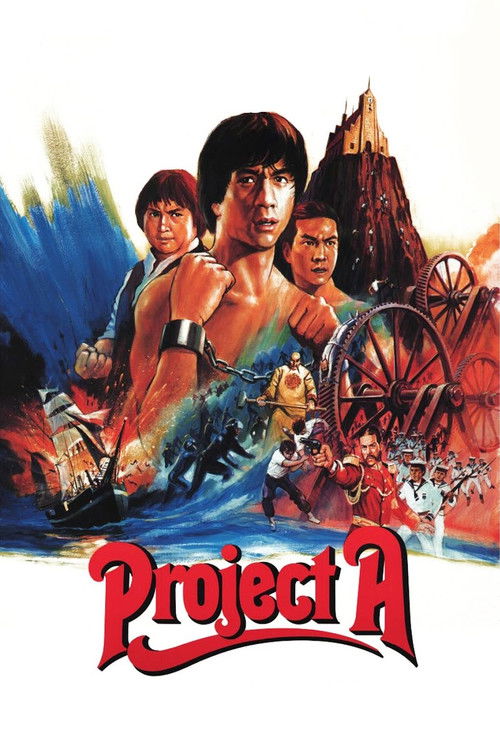
Project A1983
Chan as a coast guard fighting pirates in the 1920s with some of his most audacious stunt work. The action is meticulously choreographed and the humor comes from genuine physical mishaps that actually hurt him.
But The plot is forgettable and the film's pacing is uneven. Long stretches of dialogue-heavy setup can test your patience.
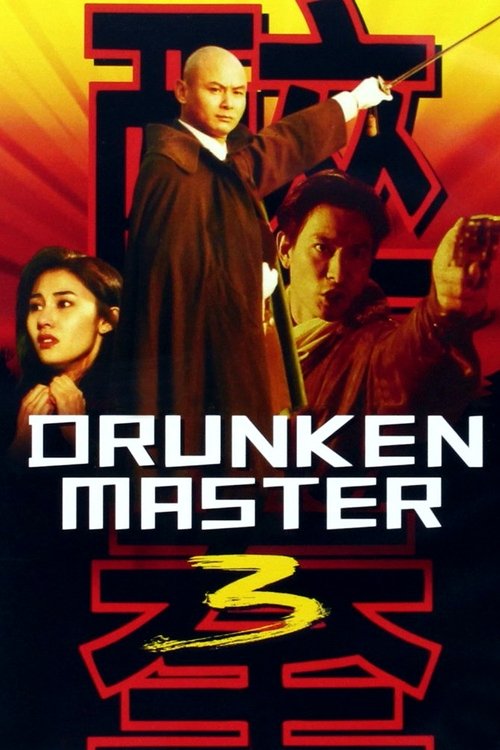
Drunken Master III1994
Chan returning to the character but older, tougher, and fighting with even more creativity. It's him at his physical peak, bruised and bleeding but refusing to stop. A love letter to the form.
But The story beats feel repetitive if you've seen the first one. Some of the violence edges toward genuinely dark in a way that can unsettle.
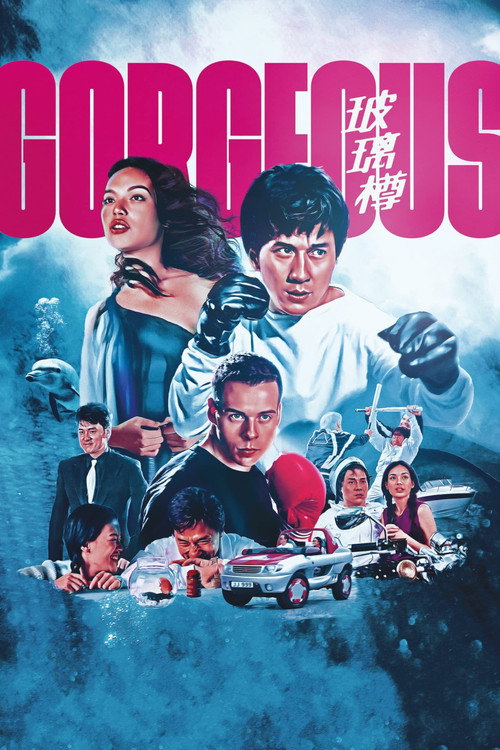
Gorgeous1999
A romantic action-comedy with Chan playing against type as the smitten pursuer. The action is still inventive and the film has real warmth underneath the spectacle. It's lighter than his crime thrillers.
But The romance subplot will feel saccharine if you're not invested in it. The action takes a backseat to relationship drama, which some fans find frustrating.
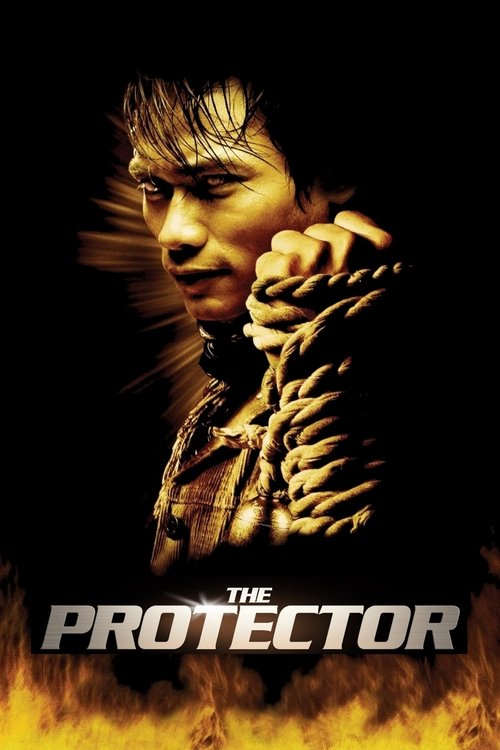
The Protector2005
Both are rooted in the belief that a skilled body is the star, not dialogue or plot. Both trust you to be thrilled by movement itself, and both are best watched on a big screen where you can see exactly what they're doing.
Tony Jaa doing intricate, brutal martial arts without cuts or wirework—you see every bone-breaking impact. It's slower and more serious than Twin Dragons, but the same electricity in the body, the same joy in what physicality can express on camera.
But It's violent in a graphic way that can feel grim rather than fun. The pacing is deliberate and meditative; if you want constant momentum, it will feel tedious.
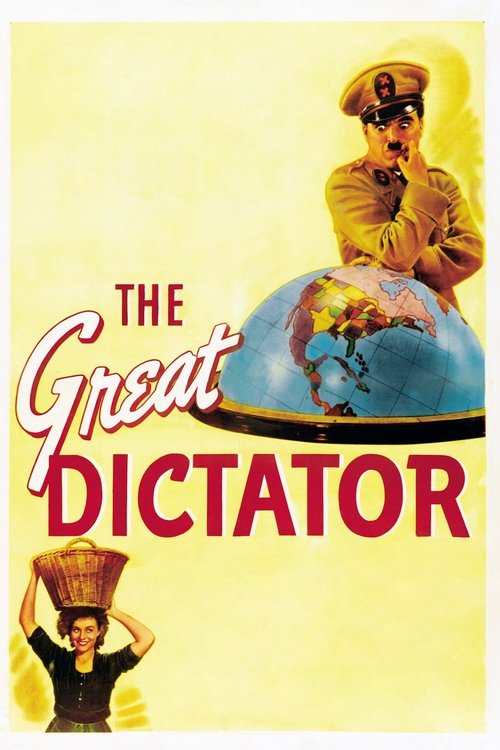
The Great Dictator1940
Both films hang on a star playing twins or doubles, using the conceit not just for laughs but to explore what makes someone who they are. In both, the gimmick is the point—it's about doubling as a way to see a person whole.
Chaplin plays dual roles—a Jewish barber and a fascist dictator—in a film that uses physical comedy and mistaken identity for something both hilarious and devastating. The final speech will break you. It's proof that the gimmick can contain the profundity.
But It's a 1940 film in black and white at a slower pace than modern movies. The pathos and politics overshadow the comedy, and if you're not prepared for that shift, it can feel manipulative.
People
Cast
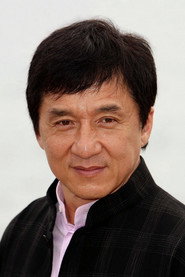 Jackie ChanMa Yau (John Ma) / Bok Min (Boomer)
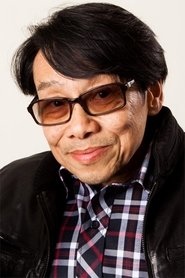 Teddy RobinTarzan (Tyson)
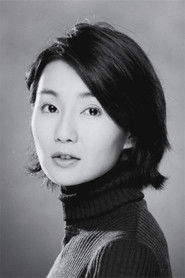 Maggie CheungBarbara
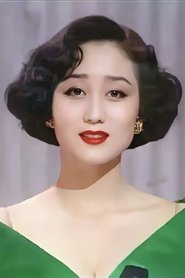 Nina Li ChiTong Sum (Tammy)
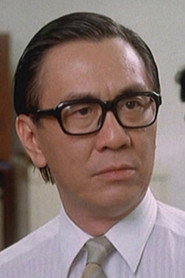 James Wong JimMr. Ma
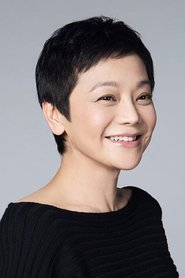 Sylvia ChangMrs. Ma
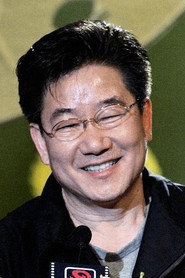 Kirk Wong Chi-KeungCrazy Bull
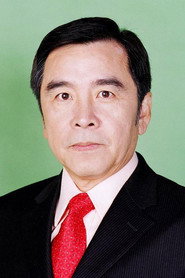 David Chiang Da-WeiSgt Chiang / Hotel Security
 Alfred Cheung Kin-TingBoss Yung
 Anthony Chan YauHotel Concierge
Directing
- Ringo Lam Ling-TungDirector
- Tsui HarkDirector
Writing
- Joe Cheung Tung-ChoStory
- Teddy RobinStory
- Tsui HarkStory
- Wong YikStory
- Barry Wong Ping-YiuWriter
- Joe Cheung Tung-ChoWriter
- Tsui HarkWriter
Production
- Ng See-YuenProducer
Recommended by
Supercop 2, Mr. Nice Guy, The Protector, Police Story 2, Spiritual Kung Fu