
Film
Rumble in the Bronx
Jackie Chan's first major American release is a gleeful collision of Hong Kong action cinema and Bronx street comedy. Chan plays a naive tourist who finds himself battling local gangs and international criminals while protecting his uncle's market. It's kinetic, funny, and stuffed with inventive fight choreography—the kind of film that makes you grin at pure physical virtuosity.
Should you watch it?
Watch it if you prize physical comedy with real stunt-work, where the set pieces double as jokes and the furniture takes as much punishment as the fists.
Skip it if the plot is a loose framework that gets thin between the fights, and its sentimental and gently goofy tone may feel too soft if you want grit.
What it asks of you: Attention can drift without costing you much, since it's a light, brisk watch that runs just under two hours and shifts between market comedy and sudden brawls.
Not sure? Find tonight's pick in a minute.
If you liked this
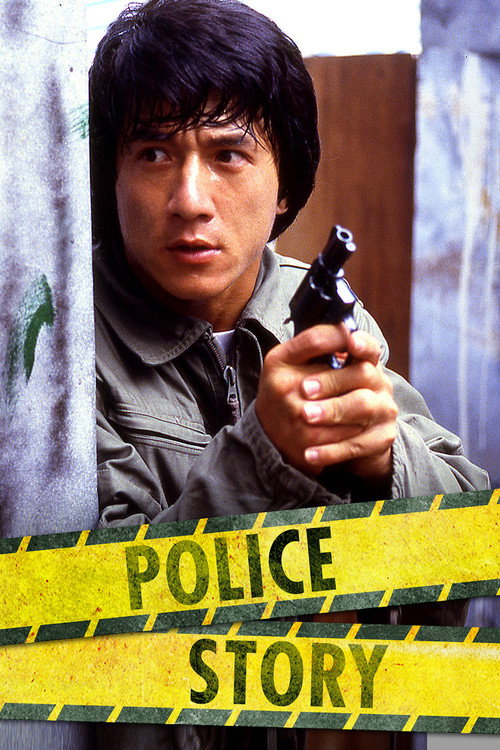
Police Story1985
The template for everything Chan would do in America. Equally funny and thrilling, with stunts that feel genuinely dangerous. You'll see where Rumble learned its DNA.
But The plot is thin even by action standards, and the tonal whiplash between slapstick and violence takes adjustment.
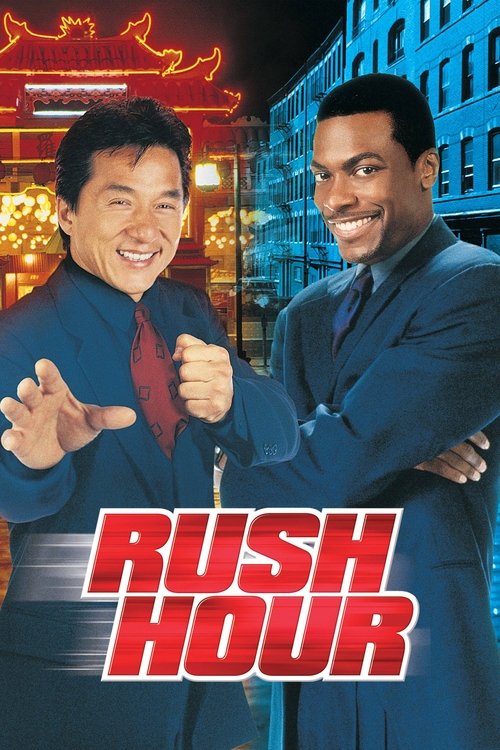
Rush Hour1998
Chan and Chris Tucker in Hong Kong and Los Angeles, with the same ingredient list—comedy, action, fish-out-of-water charm—but better-oiled. A genuine crowd-pleaser that showed American studios how to use him.
But Relies heavily on Tucker's comedy, which can feel dated. The racial buddy-cop dynamics haven't aged flawlessly either.
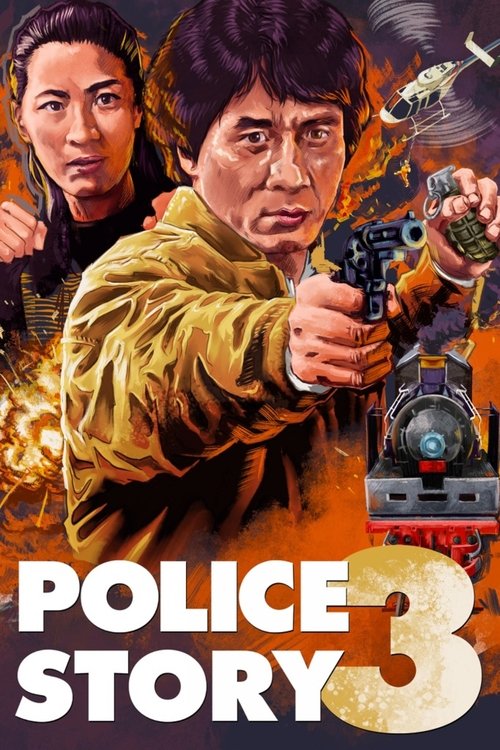
Police Story 3: Super Cop1992
Chan as an undercover cop infiltrating a drug cartel, with stunts that feel improvised and dangerous. The finale on a moving train is genuinely extraordinary. This is Chan at his physical peak.
But The plot is barely coherent, especially if you're watching the cut versions common in the West. Dubbed dialogue can feel awkward.
Not sure tonight? Get a pick in a minute, starting from Rumble in the Bronx
The wildcard
Something you would not have found on your own.
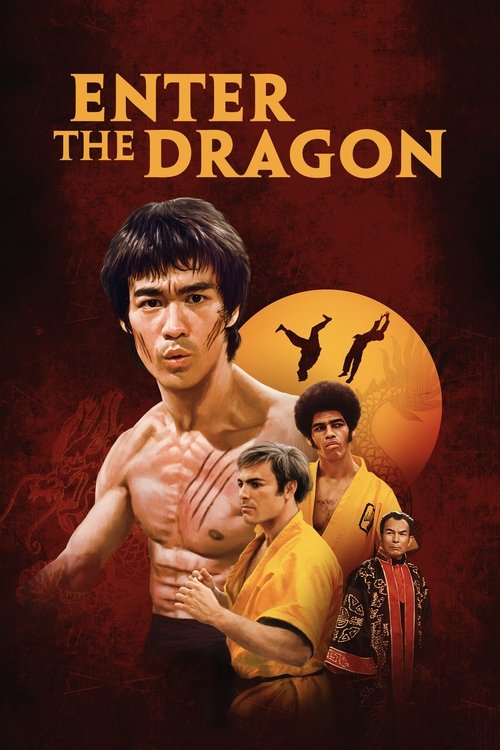
Enter the Dragon1973
Both are Hong Kong action stars' attempts to crack America, using their body and innovation rather than star power. Lee defined the form; Chan reinvented it by refusing to be serious.
Bruce Lee's only completed American film and the template for every martial arts movie that followed. Raw, direct, and featuring the most influential fighter ever filmed. Watching it after Rumble shows you where Chan's entire career traces back to—and why he had to be funny to survive in Lee's shadow.
But The plot is skeletal even by the standards of its era. The film moves like a highlight reel, which means some scenes feel abrupt or incomplete.
More like this (8)
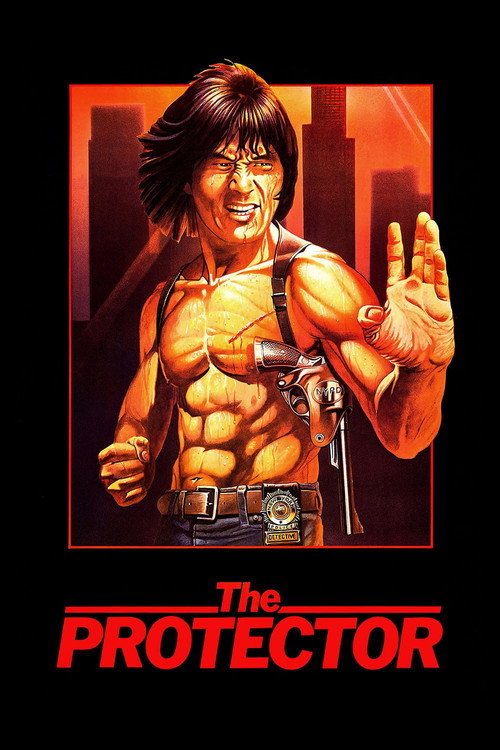
The Protector1985
Chan's first attempt at a straight action film, shot partly in New York. Less comedy than Rumble, more grounded—a template for what he might have become if he'd never been funny.
But It's stiff and earnest by his standards. The film wants to be serious in ways that don't quite work, and Chan seems uncomfortable without humor to land on.
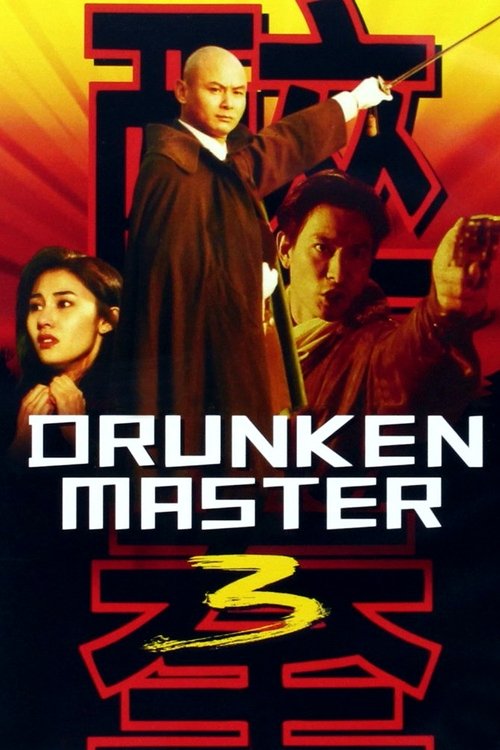
Drunken Master III1994
Chan and Yuen Wo-ping in perfect sync. The fight choreography is a masterclass in using space and improvisation. This is what happens when an action director trusts his star completely.
But The plot involves smuggling cultural artifacts and lurches between tones. Some viewers find the opening too broad and silly even for Chan.
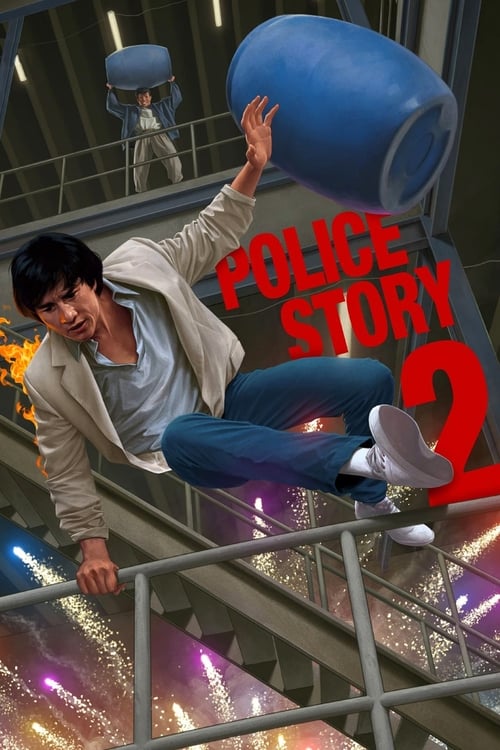
Police Story 21988
Chan returns to his most beloved character, now facing terrorists and time bombs. The escalation is gleeful—each setpiece tries to one-up the last. Pure momentum.
But By design it's louder and broader than the original, which some feel dilutes the first film's balance. The dubbing is particularly rough on some versions.
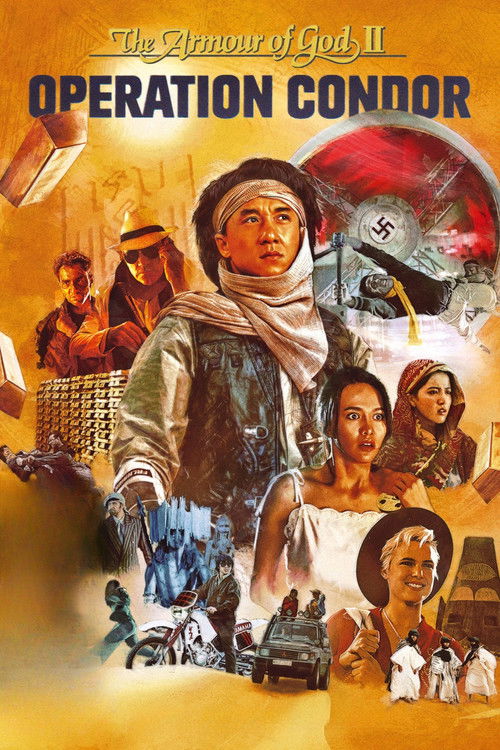
Operation Condor1991
Chan in a globe-trotting adventure, searching for Nazi gold in the Sahara. It's playful, romantic, and features Chan doing comedy as well as he does action—which is to say, exceptionally.
But The tone is so light it occasionally feels weightless. Some sequences feel padded, and the whole thing is unapologetically silly about its premise.
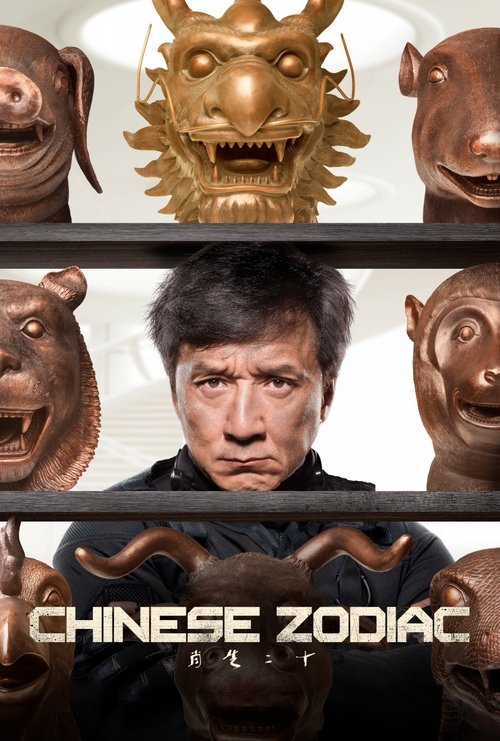
Chinese Zodiac2012
Chan's love letter to action cinema, blending globe-trotting adventure with genuine emotional stakes. He's hunting stolen Chinese artifacts, and the setpieces are inventive and funny.
But By this point Chan was in his fifties, and the film asks a lot of his aging body. The plot meanders, and some of the comedy doesn't translate.
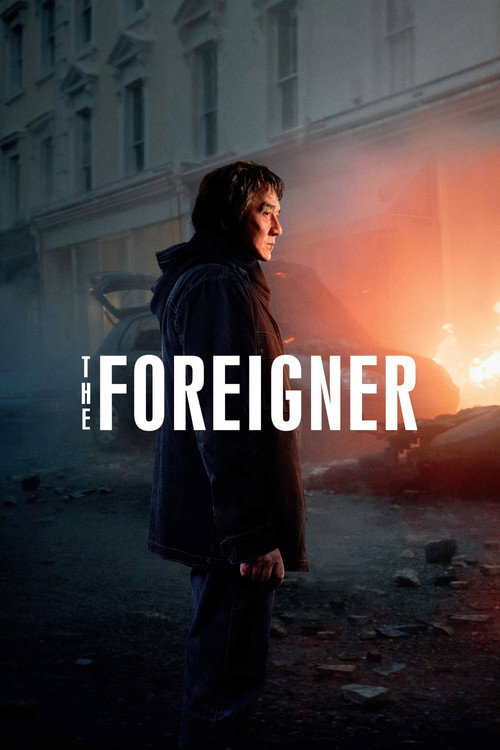
The Foreigner2017
Chan plays a grief-stricken father seeking revenge after a terrorist attack. It's serious, angry, and shows a side of him most action comedies won't touch. Pierce Brosnan is excellent as a conflicted politician.
But It's a conventional revenge thriller without the inventive humor that makes Chan special. The tone is grim, and some of the plot mechanics feel borrowed from better thrillers.
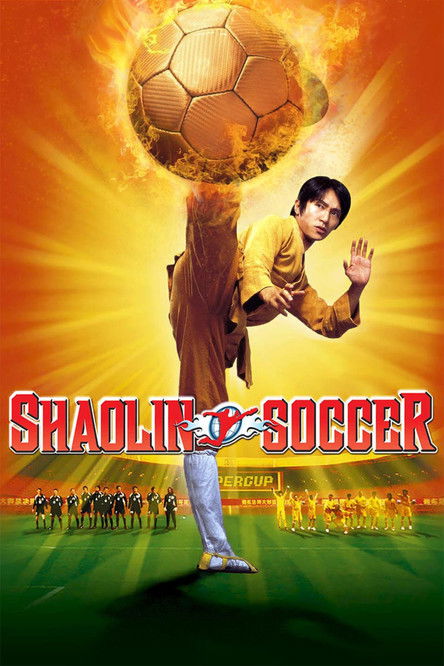
Shaolin Soccer2001
Both films treat action setpieces as comedy sketches rather than dramatic centerpieces. Both delight in the absurdity of watching an expert body do the impossible thing.
Stephen Chow's mad fusion of martial arts and soccer, where the hero uses kung fu to play the beautiful game. It's visually audacious, deeply weird, and genuinely moving about found family. Action cinema untethered from plot logic.
But The humor is surreal and culturally specific. The CGI looks deliberately artificial. If you need a coherent story, this will frustrate you.
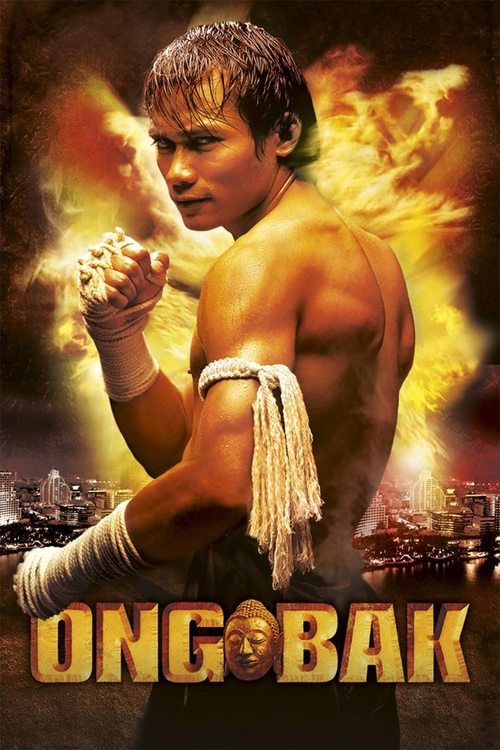
Ong-Bak2003
Like Rumble, it's a hero from one world (rural Thailand) dropped into an urban underworld. Both films discover action through environments and local conflicts rather than spy-thriller plotting. Both are about physicality as communication.
Tony Jaa in Bangkok, fighting a gang to recover a stolen Buddha head. Filmed in real locations with minimal cuts—you see every stunting choice, every risk. It's a deliberate argument that digital effects and editing tricks had made action lazy, and that bodies are enough.
But The plot is genuinely thin. The acting is stiff outside the action. The sound mixing is poor on many releases, making dialogue scenes feel awkward.
People
Cast
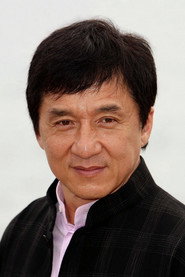 Jackie ChanKeung
 Anita Mui Yim-FongElaine
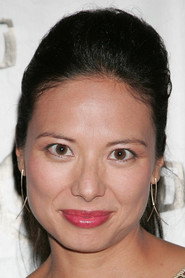 Françoise YipNancy
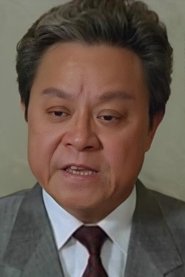 Bill Tung BiuUncle Bill
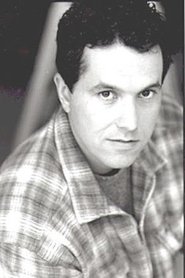 Marc AkerstreamTony
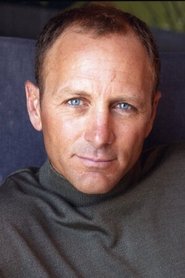 Garvin CrossAngelo
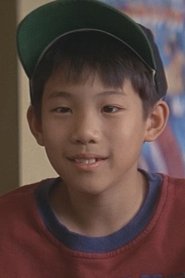 Morgan LamDanny
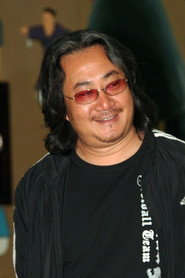 Ailen Sit Chun-WaiTony's Gang Member
- Chan Man-ChingTony's Gang Member
- Fred AndrucciTony's Gang Member
- Mark AntoniukTony's Gang Member
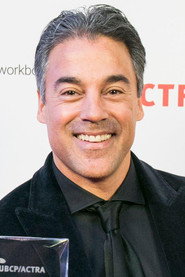 Lauro David Chartrand-DelValleTony's Gang Member
Directing
- Stanley Tong Gwai-LaiDirector
- William Cheng Wai-MingFirst Assistant Director
- Adelon ParenSecond Assistant Director
- Lidia StanteSecond Assistant Director
- Sharon Lam Suk-ChingSecond Assistant Director
Writing
- Edward TangWriter
- Fibe Ma Mei-PingWriter
Production
- Jill GirlingAssistant Location Manager
- Roberta Chow Chung-HangCo-Producer
- Leonard HoExecutive Producer
- Johnny Lee Man-YiuLine Producer
- Tam Chi-SanLine Producer
- Leanne PerronLocation Manager
- Rick ScottLocation Manager
- Barbie Tung Wan-SiProducer
- Jason HoltslanderProduction Assistant
- Michael ParkerProduction Manager
- Sue Woo Siu-LingProduction Manager
Recommended by
Police Story, Project A, Police Story 3: Super Cop, The Legend of Drunken Master, Jackie Chan: My Stunts, Armour of God, TNT Jackson, Who Am I?, Mr. Nice Guy, Police Story 4: First Strike, The Protector, Police Story 2, Operation Condor, The Quest, Twin Dragons, City Hunter, The Big Brawl, DOA: Dead or Alive, Thunderbolt, The Accidental Spy, Fantasy Mission Force, Snake in the Eagle's Shadow, Once a Thief, Ride On, Bleeding Steel, Dragon Lord, Wing Chun