
Film
History of the World: Part I
Mel Brooks marches through Rome, the Spanish Inquisition, the French Revolution and beyond in a rowdy sketch-comedy relay race, tossing dignity out the window at every stop. It's broad, filthy, wildly uneven, and periodically brilliant — a vaudeville revue wearing a toga. For anyone who wants their history lessons delivered via song-and-dance numbers about oral hygiene and mass beheadings.
If you liked this
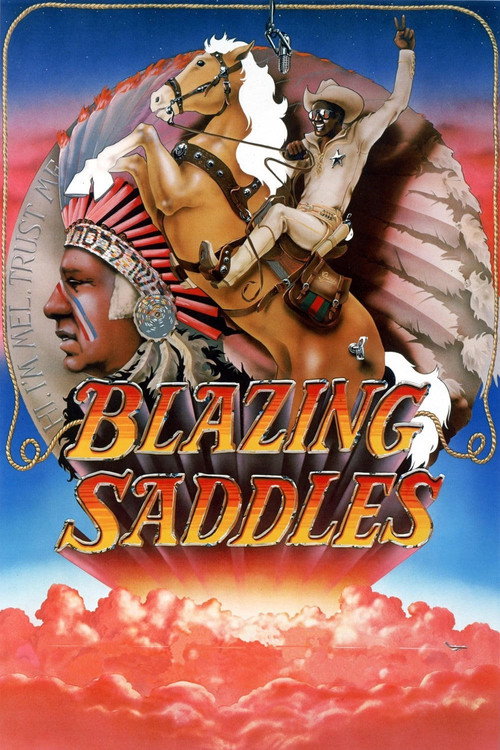
Blazing Saddles1974
Brooks at his most gleefully anarchic, torching the Western genre and American racism in the same breath. Faster, meaner, and funnier than History of the World, with an even higher joke-per-minute rate.
But Its shock-comedy racial material was pointed satire in 1974; today it lands harder and requires more context to enjoy comfortably.
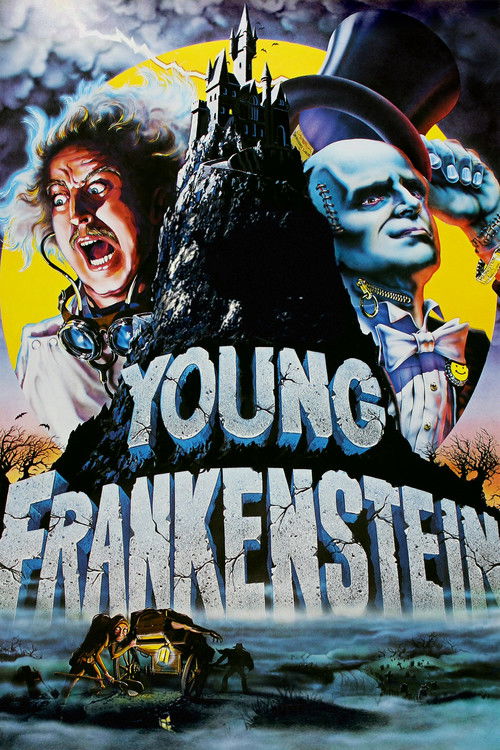
Young Frankenstein1974
Brooks's most disciplined film — a loving, gorgeous black-and-white parody of Universal horror with Gene Wilder at his unhinged best. Proof he could do a tight script as well as chaos.
But It's gentler and more controlled than History of the World; if you want maximum silliness and shock value, this feels almost restrained.
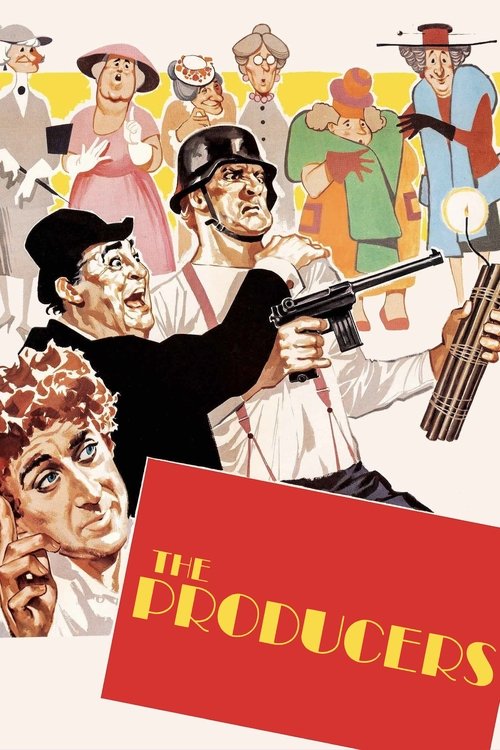
The Producers1968
Brooks's debut and arguably his sharpest satire — a scheme to profit from a flop Broadway musical about Hitler. Zero Mostel and Gene Wilder are a perfect unhinged duo.
But Lower budget, more theatrical pacing, and a narrower comic target than the anthology sprawl of History of the World.
The wildcard
Something you would not have found on your own.
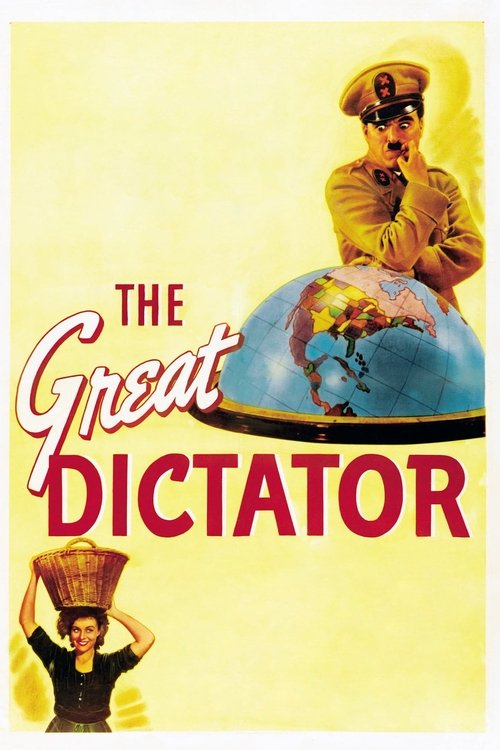
The Great Dictator1940
Brooks built a career on the idea that laughing at monsters disarms them — Hitler jokes run through The Producers and this film — and Chaplin did it first, live, while the monster was still in power.
Chaplin plays a Hitler stand-in and uses physical comedy, absurd spectacle, and a closing speech of real moral weight to attack fascism while it was still an active threat. Brooks has cited it as a direct influence on his own willingness to mock tyrants.
But The tonal swerve into sincere political address at the end is a shock if you're expecting wall-to-wall gags — it asks you to feel something, not just laugh.
More like this (8)
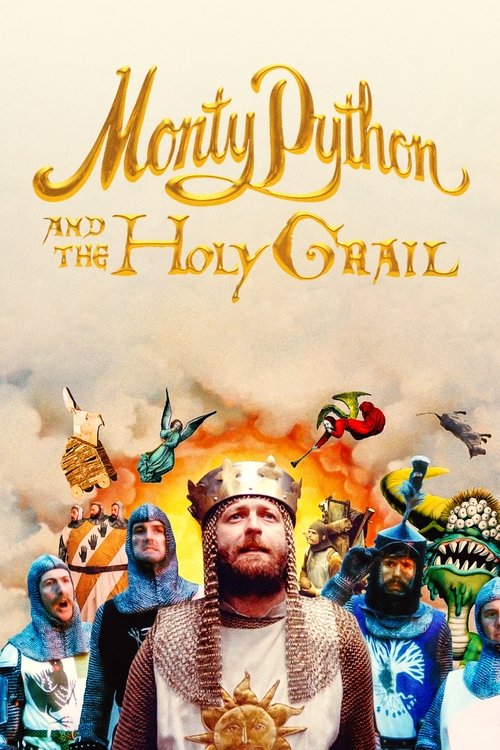
Monty Python and the Holy Grail1975
Another troupe treating history as a costume box to trash — medieval England reduced to coconut horses and killer rabbits. Different comic engine, same total disregard for reverence.
But More absurdist and less interested in narrative momentum; the sketch logic is even looser than Brooks's.
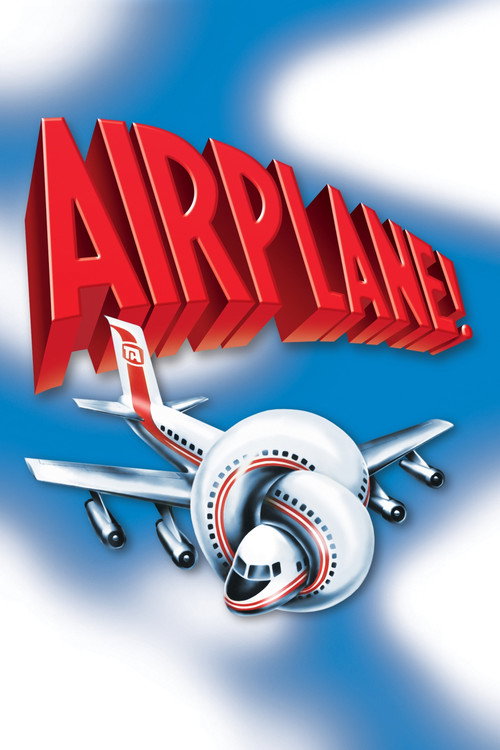
Airplane!1980
Pure joke-density disaster-movie parody from the ZAZ team, released the same era as History of the World. If you want the gag rate cranked even higher, this is the benchmark.
But No historical setting or grand scope — it's a single airplane, not a tour through civilization.
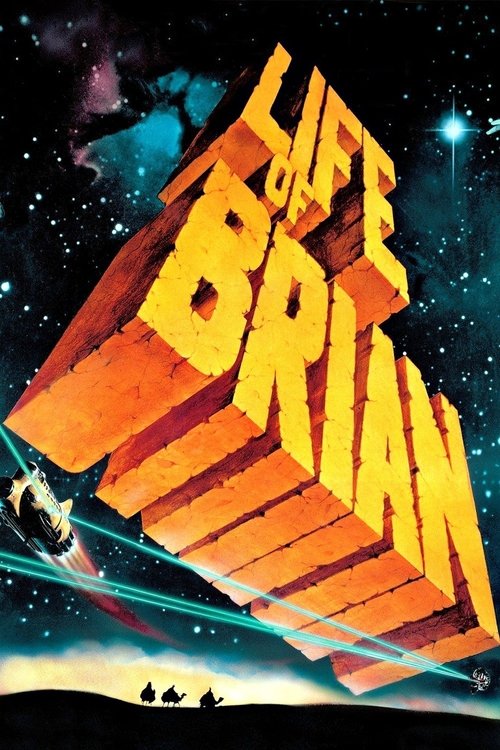
Life of Brian1979
Sets religious satire in ancient Judea with real narrative shape and surprising tenderness underneath the blasphemy. Braver and more focused than Brooks's scattershot approach.
But Its target — organized religion rather than tyranny or class — caused real controversy and some viewers still find it pointed rather than silly.
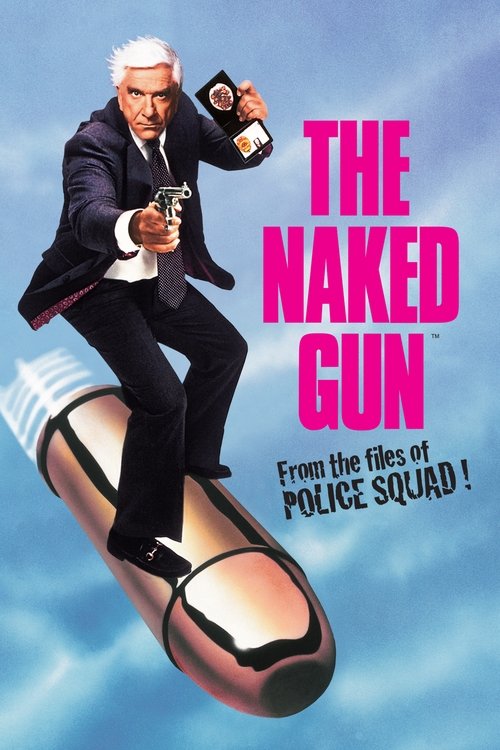
The Naked Gun: From the Files of Police Squad!1988
Leslie Nielsen deadpanning through relentless sight gags and puns, a spiritual cousin to Brooks's anything-for-a-laugh philosophy but tighter and more consistently hilarious.
But Contemporary crime-thriller spoof rather than historical romp — no togas, guillotines, or popes involved.
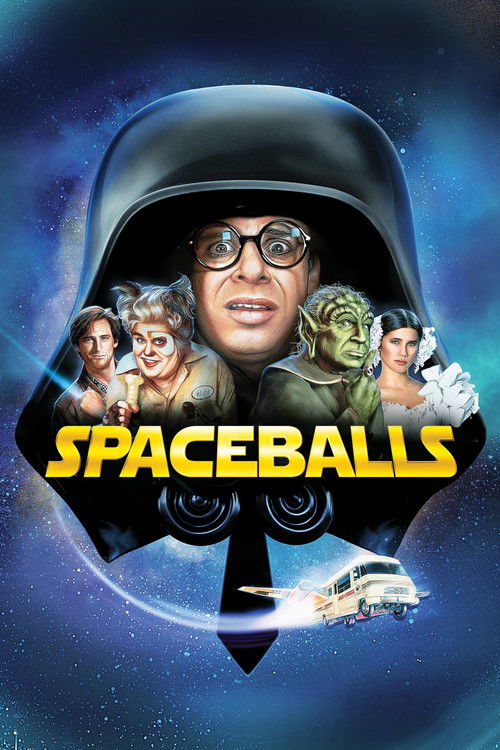
Spaceballs1987
Brooks turns his anarchic energy on Star Wars instead of history books, with the same willingness to break the fourth wall and go for the dumbest possible joke.
But Thinner and more merchandise-parody focused; less historical satire, more genre spoof for a specific audience.
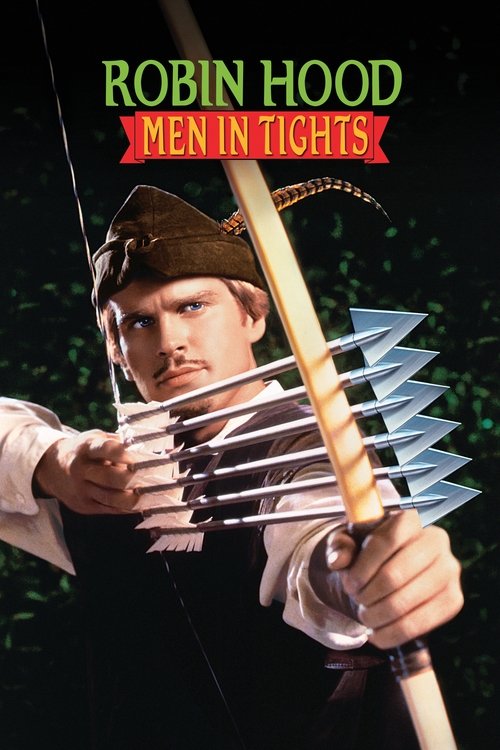
Robin Hood: Men in Tights1993
Late-period Brooks, still swinging at genre convention, this time medieval adventure films. Cary Elwes is a good sport, and the songs are dumb in the best way.
But Noticeably lower energy and thinner jokes than his 70s and early-80s work — comfort food rather than a classic.
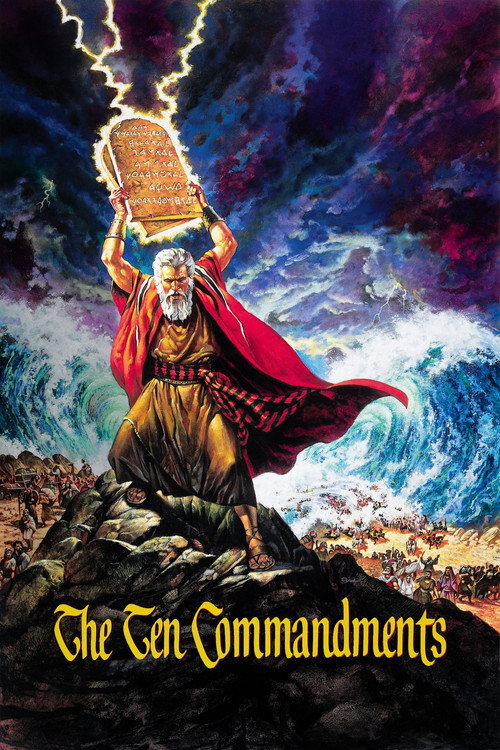
The Ten Commandments1956
Brooks's opening sketch is a direct parody of this film's iconography; watching the source lets you see exactly what he's demolishing, tablet by tablet.
Cecil B. DeMille's thunderous, humourless epic is the exact thing Brooks's Moses-with-fifteen-tablets bit is mocking — same story, maximum solemnity, cast of thousands, Charlton Heston's beard doing half the acting.
But It's over three and a half hours of stately, old-Hollywood grandeur with none of the irreverence — a genuine commitment, not a quick watch.
Drunk History2013no page yet
It's Brooks's whole thesis — history is material for a bit, not a museum piece — shrunk into TV sketch format and literally soaked in booze instead of vaudeville.
A genuinely drunk narrator slurs their way through real historical events while actors lip-sync the chaos in costume. Same impulse as Brooks — history is ridiculous, so let's treat it that way — but built for television in six-minute bursts.
But The joke is one-note by design and works best in small doses; a full season back-to-back can feel repetitive.
People
Cast
 Mel BrooksMoses / Comicus / Torquemada / Jacques / King Louis XVI
 Dom DeLuiseEmperor Nero
 Madeline KahnEmpress Nympho
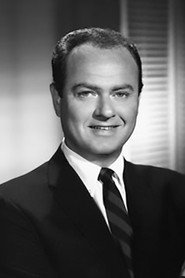 Harvey KormanCount de Monet
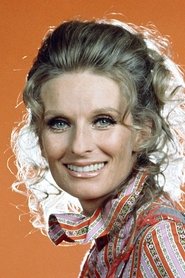 Cloris LeachmanMadame Defarge
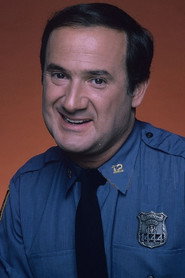 Ron CareySwiftus
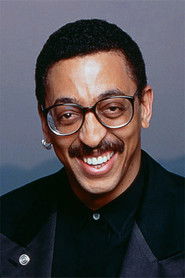 Gregory HinesJosephus
 Pamela StephensonMademoiselle Rimbaud
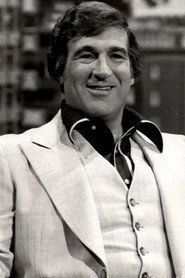 Shecky GreeneMarcus Vindictus
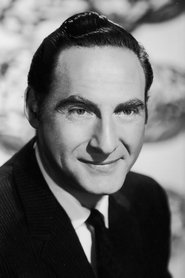 Sid CaesarChief Caveman
 Mary-Margaret HumesMiriam
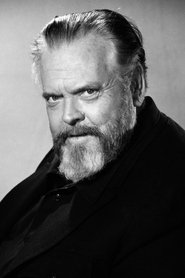 Orson WellesNarrator (voice)
Directing
- Brian W. CookAssistant Director
- Jerry ZiesmerAssistant Director
- Michael StevensonAssistant Director
- Penny DanielsContinuity
- Mel BrooksDirector
- Betsy NortonScript Supervisor
- Ken TuohySecond Assistant Director
- Mitchell BockSecond Assistant Director
Writing
- Mel BrooksScreenplay
Production
- Jim TurnerAccountant
- K. Lenna KatichAccountant
- Alan JohnsonAssociate Producer
- Stuart CornfeldAssociate Producer
- Jane FeinbergCasting
- Maggie CartierCasting
- Mike FentonCasting
- Joel ChernoffCo-Producer
- Bill BordenLocation Manager
- Terry NeedhamLocation Manager
- Mel BrooksProducer
- Leah ZappyProducer's Assistant
- Randy AuerbachProducer's Assistant
- Judi RosnerProduction Coordinator
- Loretta OrdewerProduction Coordinator
- Alexander De GrunwaldProduction Manager
- Ralph S. SingletonProduction Manager
- Irene WalzerPublicist
- Lillian MichelsonResearcher
Recommended by
Blazing Saddles, Robin Hood: Men in Tights, Young Frankenstein, Life of Brian, Spaceballs