
Film
The Good Soldier Švejk
A 1957 Czechoslovak comedy about a drafted Czech everyman whose cheerful incompetence and innocent scheming become the perfect weapon against military bureaucracy. It's a picaresque romp through wartime absurdity, episodic and joyfully chaotic, played with brilliant deadpan timing. For anyone who loves subversion wrapped in a grin.
If you liked this
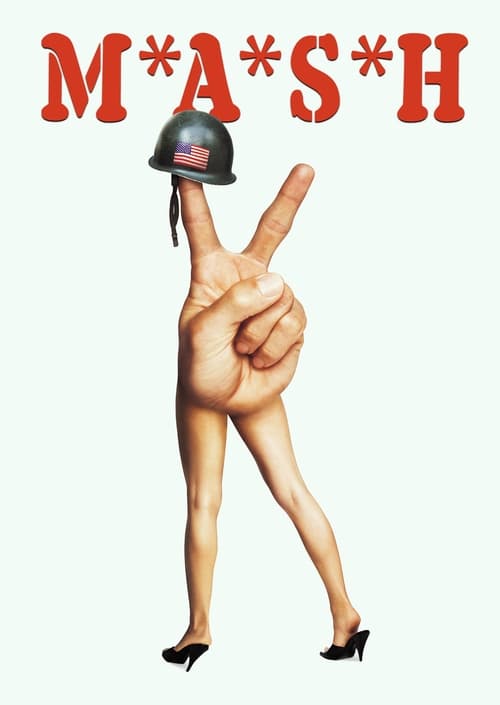
M*A*S*H1970
A surgical unit behind enemy lines uses absurdist humour to survive an insane war. Like Švejk, it finds comedy in the gap between military logic and human reality, and loves its characters enough to let them fail.
But Darker and more cynical than its reputation suggests. The comedy is increasingly shadowed by genuine horror and loss.
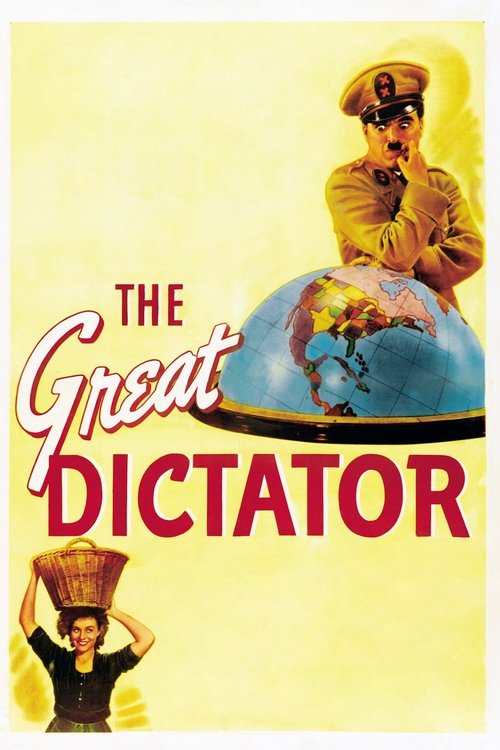
The Great Dictator1940
Chaplin's physical comedy dismantles fascism through bumbling and humanity. Both films weaponise kindness and foolishness against murderous systems, and both believe in the little man's quiet dignity.
But The final speech breaks character completely. Some find it necessary catharsis; others find it sentimental.
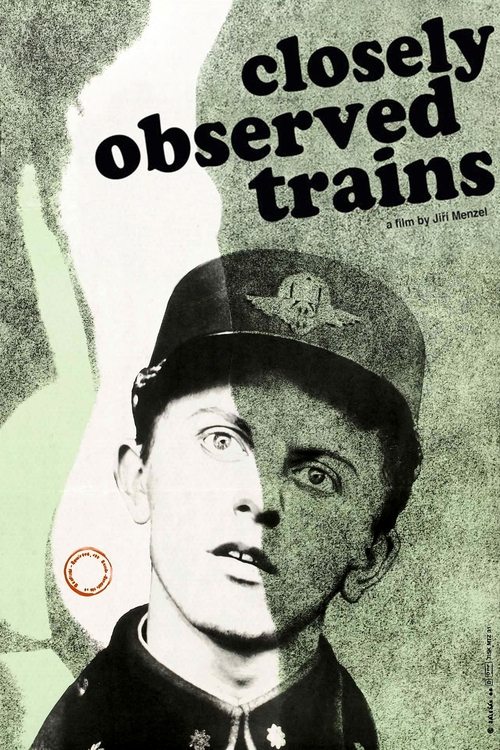
Closely Watched Trains1966
Another Czech New Wave masterpiece about wartime railway workers whose small rebellions and romantic mishaps become acts of resistance. Shares Švejk's tone of gentle subversion and period charm.
But Gentler and more melancholic than Švejk. The humour is quieter, the stakes feel more intimate.
Not sure tonight? Get a pick in a minute, starting from The Good Soldier Švejk
The wildcard
Something you would not have found on your own.
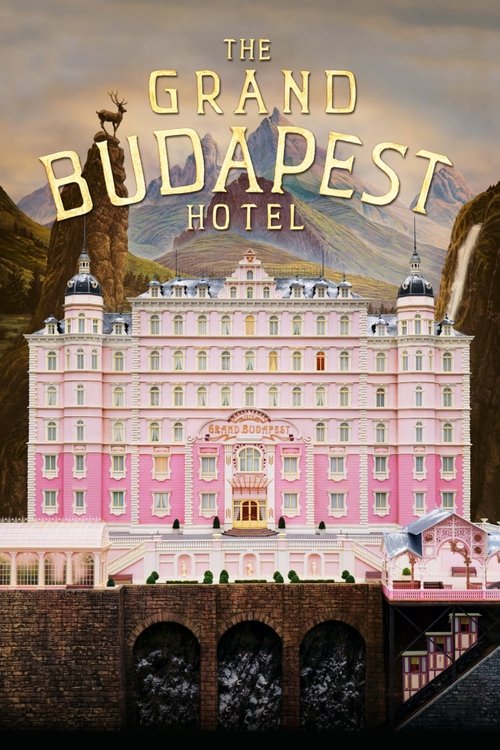
The Grand Budapest Hotel2014
Both use episodic anecdote and charming everyman characters to map survival through bureaucratic madness, but 1957 uses realism and 2014 uses stylisation. Opposite tools, same music.
A meticulously composed confection about an old man remembering his time as a bellhop under a legendary concierge. It's got Švejk's picaresque structure and its faith that style and courtesy are survival tools in chaos.
But Wes Anderson's aesthetic is relentlessly artificial. Some find it precious or emotionally hollow. It asks you to feel moved by a postcard.
More like this (6)
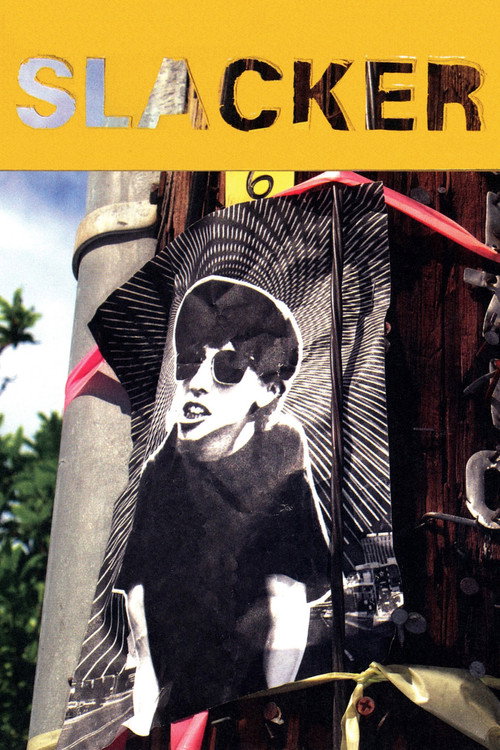
Slacker1990
Episodes linked by accident rather than plot. Like Švejk, it's a shaggy, episodic wander through a world of characters united by refusal to engage seriously with systems.
But No arc, no payoff, and deliberately slight. It's a tone poem, not a story. If you need momentum, you won't find it.
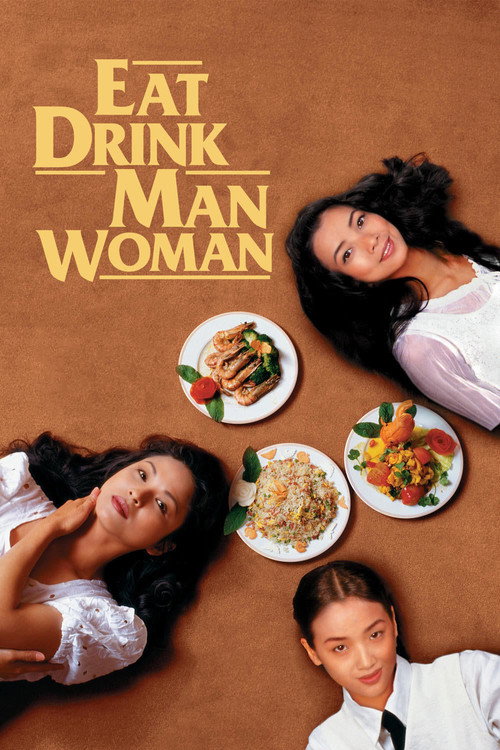
Eat Drink Man Woman1994
A multigenerational comedy about family chaos and the small rebellions that matter. Shares Švejk's warmth and belief that life's real dramas happen between the cracks of larger systems.
But It's a Taiwanese film in Mandarin with cultural specifics you may not immediately grasp. Also more sentimental about tradition than Švejk dares to be.
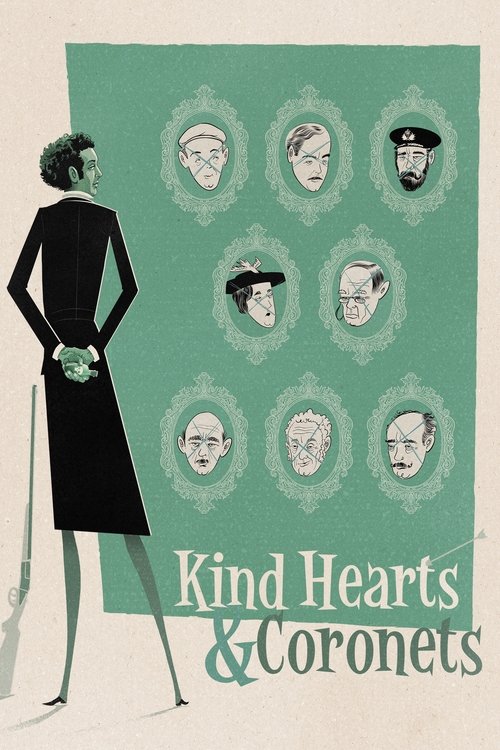
Kind Hearts and Coronets1949
A man cheerfully murders his way up the inheritance line, played with impeccable courtesy by Alec Guinness. Both films find comedy in someone navigating a rigid system through unflappable politeness.
But It's much darker. Murder is the engine here, and the charm is deliberately corrupt. Not everyone enjoys rooting for a killer.
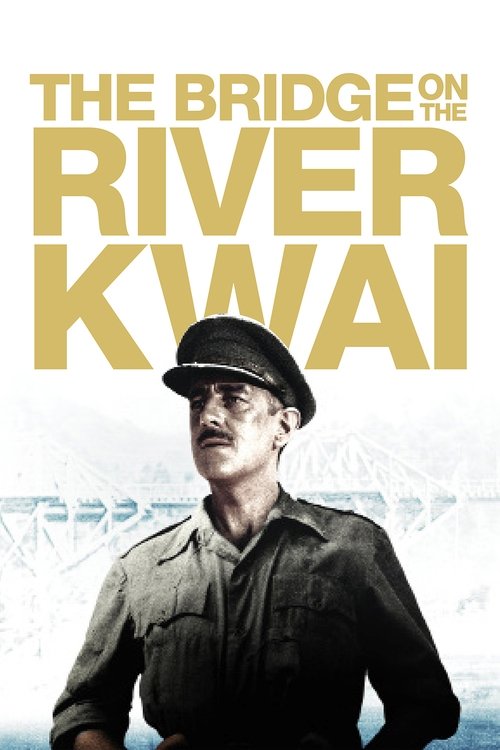
The Bridge on the River Kwai1957
Released the same year as Švejk, it's a war film about a man's obsessive entanglement with authority. Like Švejk, it explores what happens when individuals meet institutions they can't quite refuse.
But It's dead serious. The opposite tone from Švejk, which might make comparison feel forced rather than illuminating.
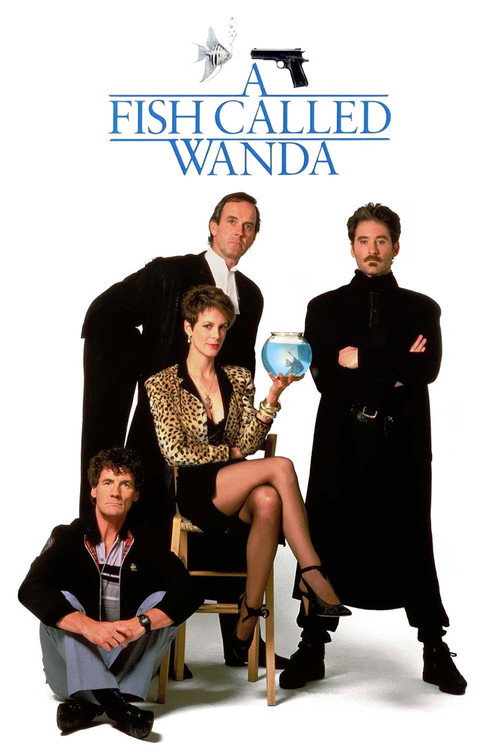
A Fish Called Wanda1988
Crime caper where nobody can be trusted but everyone's too charming to dislike. Shares Švejk's faith that wit and likeability can get you through almost anything, and that affability is its own form of cunning.
But Much cruder. Sexual humour and brutal violence are baked in. It's a very different register from Švejk's gentler subversion.
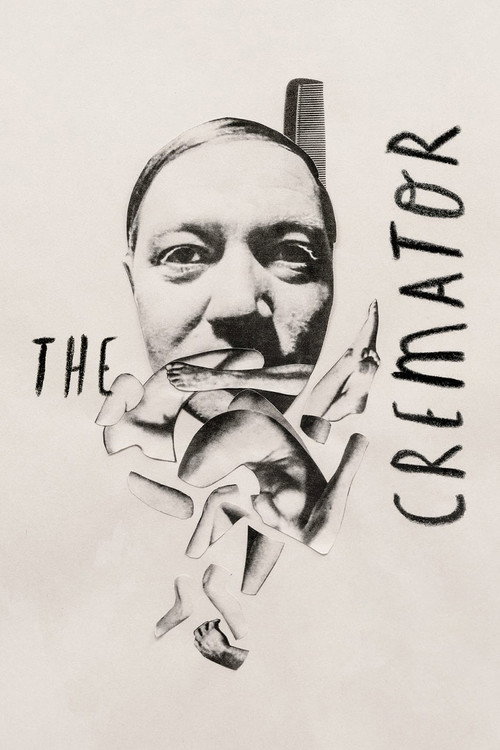
The Cremator1969
Both are Czech films about how individuals navigate totalitarian systems, but Švejk laughs and The Cremator screams. Watching them together shows you two faces of the same catastrophe.
A Czechoslovak noir-horror about a crematorium operator who becomes a Nazi collaborator, told with documentary flatness and creeping dread. It's Švejk's shadow self—the same Czech wit and institutional entanglement, but the humour curdled into nightmare.
But Bleak and queasy. There's no warmth here, only the horrifying politeness of ordinary people doing evil. It's deliberately unwatchable in parts.
People
Cast
 Rudolf HrušínskýJosef Švejk
 Eva SvobodováMüllerová
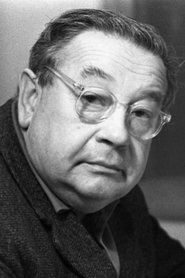 Josef HlinomazPalivec
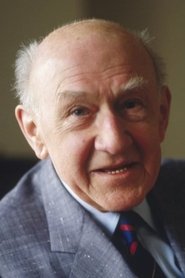 František Filipovskýagent Bretschneider
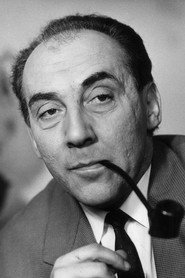 Miloš Kopeckýfeldkurát Katz
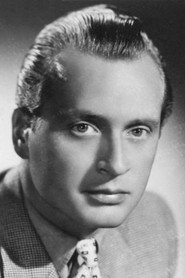 Svatopluk Benešnadporučík Lukáš
- Božena HavlíčkováKaty Wendlerová
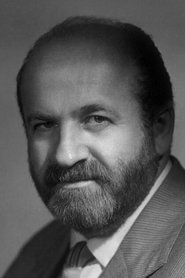 Felix le Breuxpolicejní rada
- Libuše Bokrovábaronka von Botzenheimová
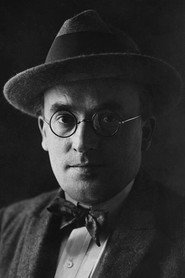 Bedřich Karenprofesor Heuer
Directing
- Karel SteklýDirector
- Lada VackováFirst Assistant Director
- Eva KolářováScript Supervisor
Writing
- Jaroslav HašekNovel
- Karel SteklýScreenplay
Production
- Josef BeranProduction Manager
- Václav DobešUnit Manager