
Film
The Firemen's Ball
Miloš Forman's 1967 Czechoslovak comedy follows a provincial firehouse's chaotic retirement ball, where every plan—from the beauty pageant to the raffle—unravels in perfectly timed humiliation. Shot like a documentary of human incompetence, it's simultaneously hilarious and melancholy, finding both comedy and small tragedies in ordinary people trying and failing. A masterpiece of ensemble awkwardness for anyone who loves laughing at life's quiet disasters.
Should you watch it?
Watch it if you enjoy comedy that finds its laughs in shabby, everyday bureaucratic disorder and in faces that barely react, the dry observational humour of early Czech New Wave films.
Skip it if you need a tight plot or jokes that build; this is a loose string of set pieces, and its gentle absurdism can feel aimless when you want a payoff.
What it asks of you: Brisk at under seventy-five minutes, it moves in short scenes that drift from one mishap to the next, asking you to accept slow, sprawling chaos rather than rushing anywhere.
Not sure? Find tonight's pick in a minute.
If you liked this
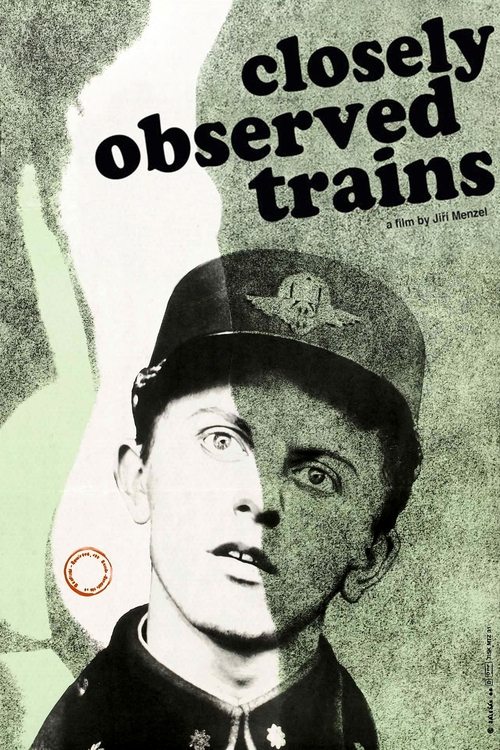
Closely Watched Trains1966
Another Czechoslovak New Wave gem about small-town life during wartime, combining deadpan humor with genuine pathos. Tender, funny, and full of the same wry observation of human nature that makes Forman's work sing.
But The sexual and romantic elements are integral to the plot, which may not land for all viewers. The pace is deliberately leisurely, not plot-driven.
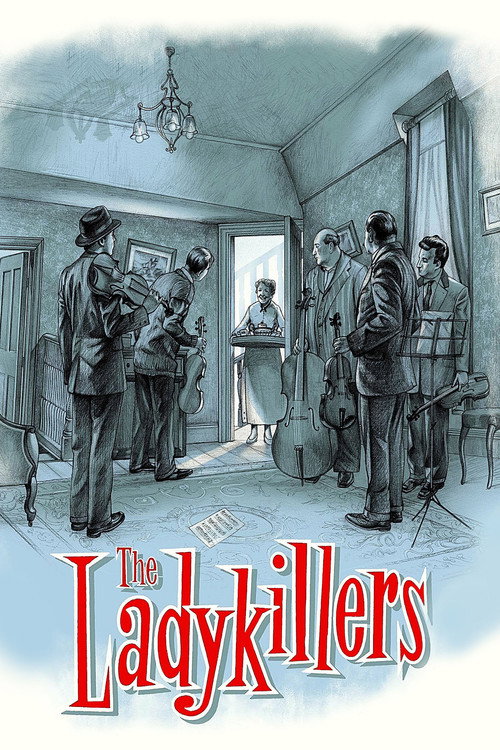
The Ladykillers1955
Ealing's brilliant comedy of incompetence: criminals planning a heist derailed by their landlady. Same DNA—a group of ordinary men failing catastrophically at a coordinated task, with the comedy rising from their dogged persistence despite obvious disaster.
But Very much a product of 1950s British comedy sensibility; some may find it dated or the pacing slack compared to modern comedies.
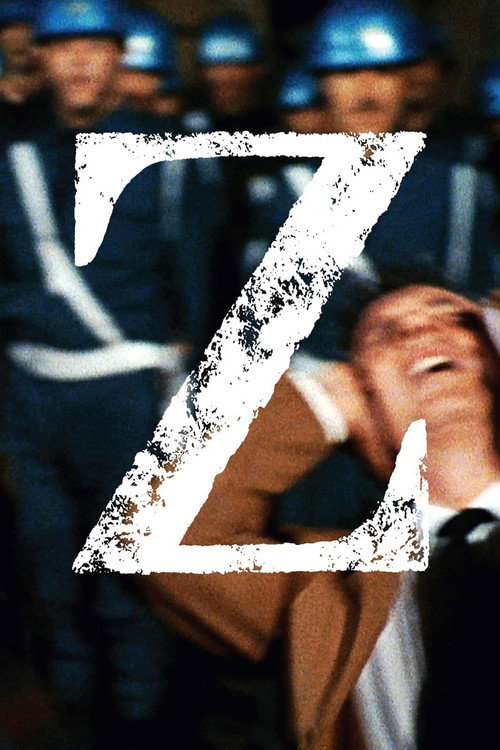
Z1969
Costa-Gavras' political thriller proves that Eastern European cinema of this era excelled at combining multiple genres—here, tension and dark satire about corruption and state power. Forman worked in that same tradition of mixing genres and finding truth.
But It's a serious political film disguised as a thriller, not a comedy. Some will find the didacticism heavy-handed.
Not sure tonight? Get a pick in a minute, starting from The Firemen's Ball
The wildcard
Something you would not have found on your own.
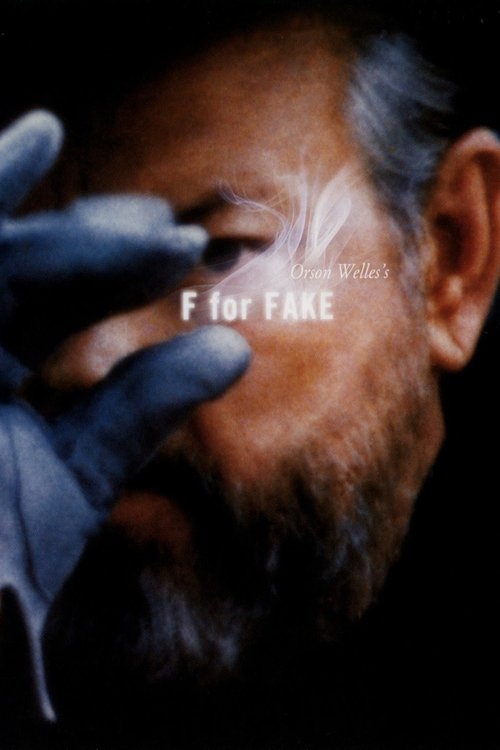
F for Fake1973
Both films are about the gap between what people present and what actually happens; Forman uses naturalistic comedy, Welles uses formal disruption, but they're asking the same question about authenticity and performance.
Welles' essay-film about deception and artifice uses documentary-style footage and formal play to ask what's real. Like The Firemen's Ball, it's an ensemble of failed performances and people pretending, but Welles is deliberately deconstructing cinema itself while Forman pretends to be showing you reality.
But It's deliberately fragmented and disorientating—not a narrative, an idea in motion. Some find it brilliant; others find it maddening or too arch.
More like this (7)
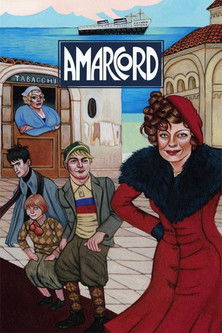
Amarcord1973
Fellini's autobiographical ensemble film about small-town Italian life under fascism—chaotic, bawdy, full of failed rituals and community bumbling. The same blend of social comedy and underlying sadness; a group portrait of a place and its people.
But Surrealist and digressive; the plot doesn't march forward. If you want narrative momentum, this isn't it. Also quite sexually frank for 1973.
Ikiru1952
Kurosawa's film about a dying bureaucrat navigating a committee meeting contains some of Forman's DNA—the formal incompetence, the tragedy hidden in routine. But it's philosophical rather than comic, asking deeper questions about meaning and work.
But It's a slow, contemplative meditation on mortality. Not light. If you want laughs, you won't find many here.

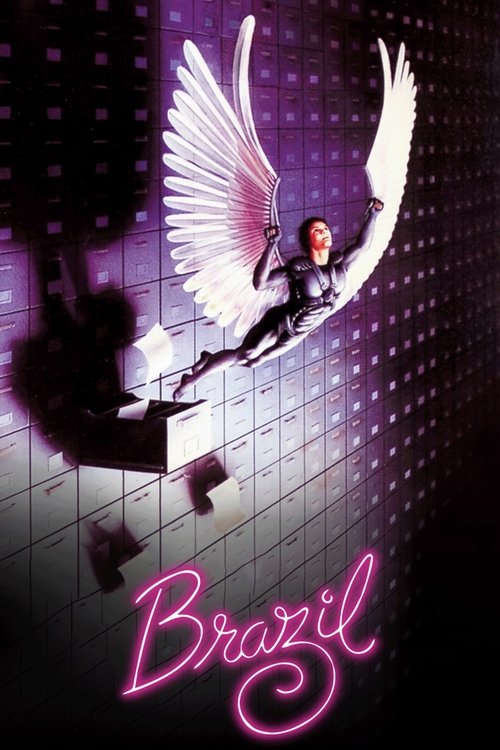
Brazil1985
Terry Gilliam's dystopia of bureaucratic absurdity shares Forman's eye for how systems fail and individuals get crushed by the machinery. It's wildly inventive visually where Forman is restrained, but the DNA is similar—systems collapsing under their own weight.
But It's baroque and surreal, sometimes incoherent. Some find it fascinating; others find it exhausting.
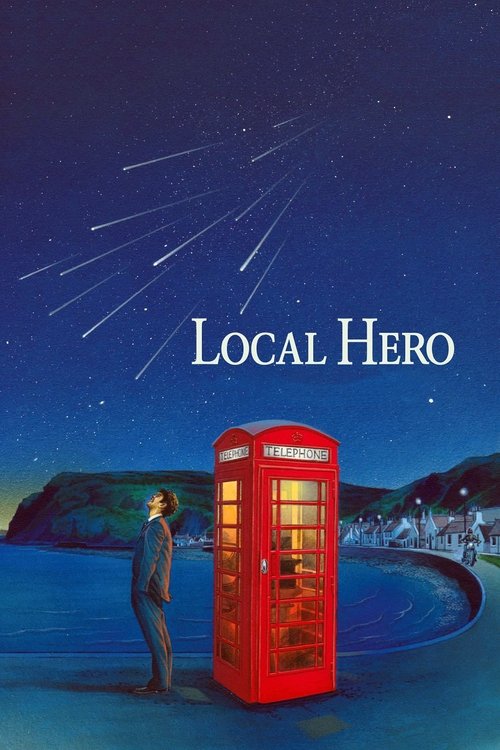
Local Hero1983
Bill Forsyth's Scottish comedy about a corporate oil executive trying to buy a village, foiled by the village's disinterest. Same gentle, sad comedy about people resisting the world's plans with quiet stubbornness and misunderstanding.
But Whimsical in a way that can feel precious. If you don't tune to the movie's frequency, it might feel thin or overly sentimental.
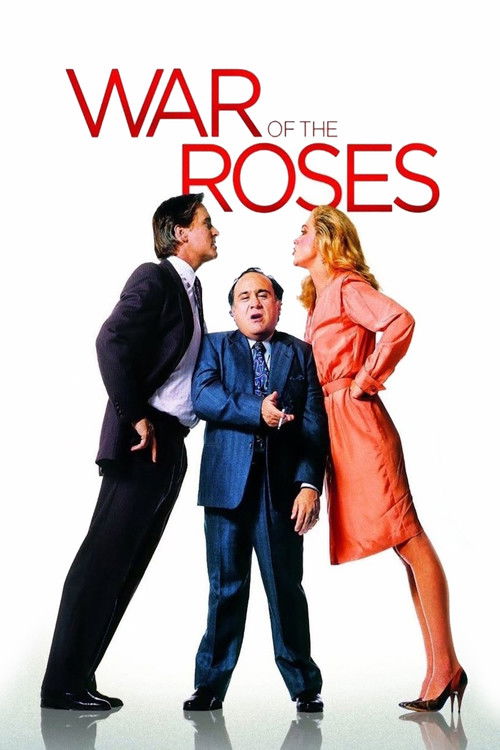
The War of the Roses1989
Danny DeVito's dark comedy about a marriage falling apart is tonal whiplash—switching between laughter and genuine violence. Like Forman's film, it finds darkness in the everyday failure of human projects and social rituals.
But It's cynical about love and marriage in a way some find misogynistic. Also somewhat dated in its sensibility now.
Return of the Jedi1983
Both use ensemble physical comedy and incompetent coordination as their engine; Forman does it with firemen in a small town, Marquardt does it with creatures in a forest, but the rhythm and style of failure are identical.
This sounds insane, but the Ewok village scene—dozens of actors in costumes failing to coordinate, things going wrong, the comedy of incompetence—shares The Firemen's Ball's documentary eye for human failure masquerading as spectacle. A blockbuster made in the spirit of Forman's provincial farce.
But You have to sit through an entire Star Wars film to get to the ten minutes that connect. Also, whether you find the Ewoks charming or unbearable will determine whether this lands.

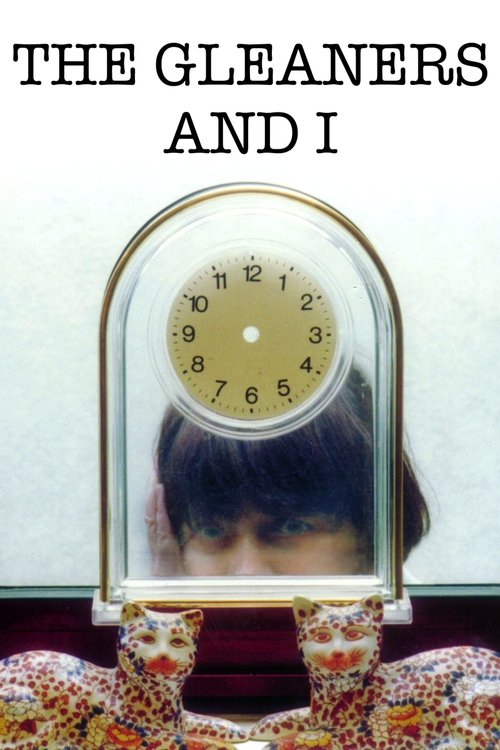
The Gleaners and I2000
Both are essentially films about human dignity and failure seen with complete affection; Forman fictionalizes it as comedy, Varda documents it directly, but they share the same moral vision of how to look at people struggling through ordinary life.
Varda's documentary essay about people collecting leftover food after harvest is formally similar to The Firemen's Ball in one crucial way: it watches ordinary people going about their work with a camera that loves them without condescension. Meditative, funny, heartbreaking, and made with complete attention to human gesture.
But It's a documentary essay, not a narrative. Some will find it slow or formless. It requires patience and a willingness to think about what you're watching rather than be entertained by it.
People
Cast
 Jan VostrčilHead of Committee
- Josef ŠebánekCommittee Member
 František DebelkaCommittee Member
 Josef ValnohaCommittee Member
- Ladislav AdamCommittee Member
- Vratislav ČermákCommittee Member
- Václav NovotnýCommittee Member
- František PaskaCommittee Member
- František ReinsteinCommittee Member
- Josef ŘehořekCommittee Member
- J. ŘeháčekCommitee Member
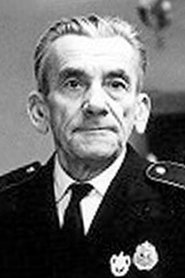 Josef KolbJosef
Directing
- Miloš FormanDirector
- Jaroslav PapoušekFirst Assistant Director
- Marie BeránkováScript Supervisor
Writing
- Vladimír BorCreative Producer
- Ivan PasserScreenplay
- Jaroslav PapoušekScreenplay
- Miloš FormanScreenplay
- Václav ŠašekStory
Production
- Zdeněk PolákAssistant Production Manager
- Carlo PontiProducer
- Rudolf HájekProducer
- Rudolf HájekProduction Manager
- František JaderníkUnit Manager
- Jaroslav SolničkaUnit Manager
Recommended by
One Flew Over the Cuckoo's Nest, Sons of the Desert, Closely Watched Trains, A Taxing Woman, Red, T-34