
Film
The Smiling Madame Beudet
A 1923 French silent film about a woman trapped in a loveless marriage who begins to live increasingly in fantasy and imagination. Formally daring and psychologically complex, it's a meditation on female interiority and domestic unhappiness that moves with the grace and invention of early cinema at its best. For anyone curious about where modernist cinema came from.
If you liked this
Sunrise: A Song of Two Humans1927
F.W. Murnau's masterpiece about marriage, infidelity and redemption, told with visual poetry and expressionist invention. It captures the same emotional turbulence Beudet explores but channels it through catastrophe and reconciliation.
But At 95 minutes it demands patience, and the melodrama can feel overwrought to modern eyes. Silent cinema doesn't suit everyone.

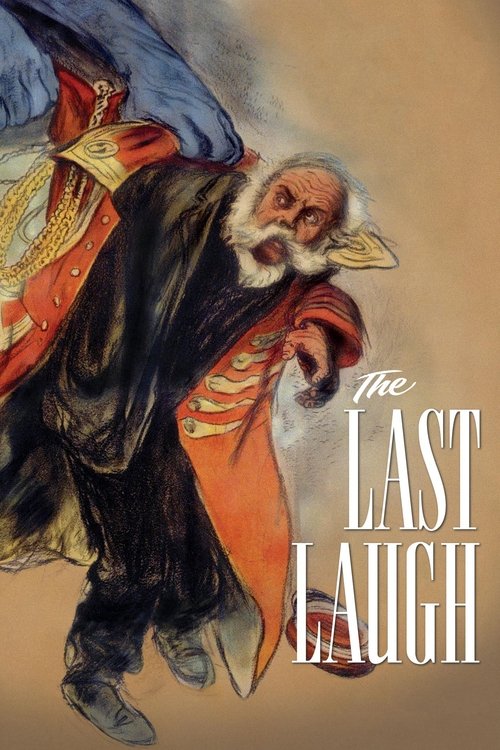
The Last Laugh1924
Murnau again, but this time a study of masculine pride and social humiliation. Like Beudet, it's fascinated by inner life and uses the camera to show us what characters feel rather than what they say.
But The emotional register is bleak and the ending won't satisfy anyone looking for catharsis. It's austere.
The Phantom Carriage1921
Arne Börglund's Swedish ghost story about regret and punishment, told with dreamlike visual sophistication. It shares Beudet's interest in the supernatural as a language for psychological states.
But The moralising can feel heavy-handed now, and the print quality on most versions is poor. The pacing is glacial.

Not sure tonight? Get a pick in a minute, starting from The Smiling Madame Beudet
The wildcard
Something you would not have found on your own.
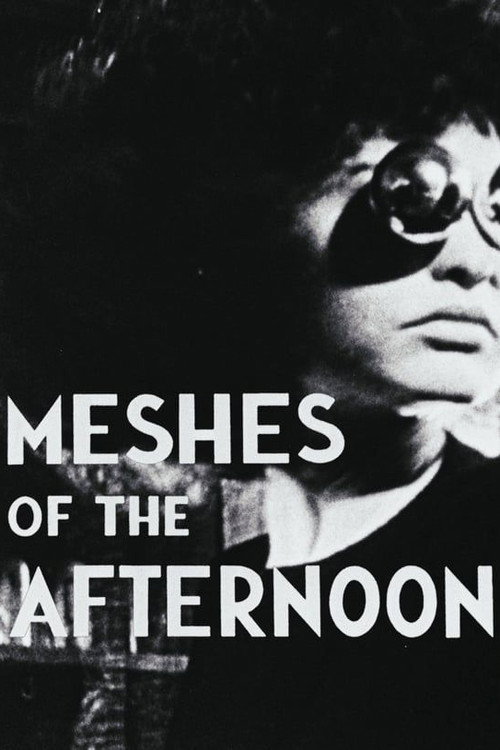
Meshes of the Afternoon1943
Both films use the home and everyday domesticity as a site for psychological investigation. Both are fascinated by doubling, fantasy and the space between what a woman appears to be and what she feels. Both do it in under an hour with complete formal control.
Maya Deren's 14-minute experimental film—almost a poem rather than narrative—about a woman returning home and encountering repeated, shifting versions of herself. It visualises female interiority and the dreamlike logic of consciousness in ways that make Beudet look like a blueprint.
But It's radically abstract. There is no plot, no conventional drama. If you need narrative coherence this will frustrate you immediately.
More like this (8)
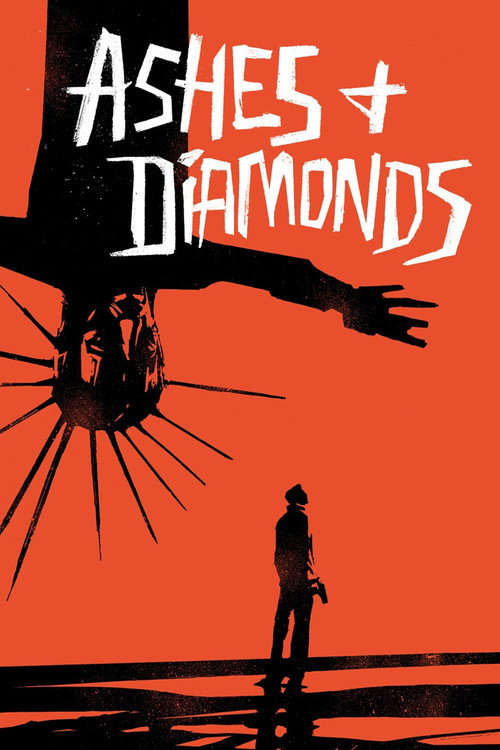
Ashes and Diamonds1958
Andrzej Wajda's Polish masterpiece about a man's final night alive, shot with stunning black-and-white cinematography and an ache that's almost unbearable. It understands inwardness and the gap between what we want and what we get.
But It's relentlessly grim and the politics are specifically Polish. The philosophical density can feel airless.
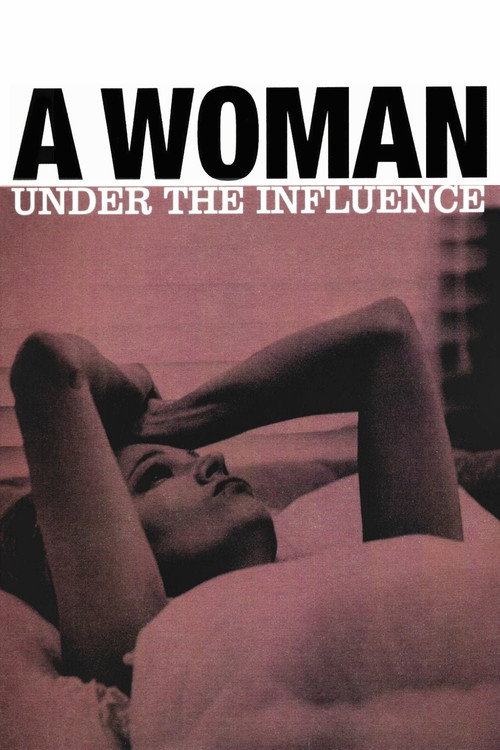
A Woman Under the Influence1974
John Cassavetes' raw, unsentimental portrait of a wife's mental breakdown and her husband's inability to help. It's Beudet's DNA stretched across three hours and rendered in agonising close-up.
But It's genuinely difficult to watch. Gena Rowlands' performance is so exposed that it feels like witnessing real suffering. Not therapeutic.
Jeanne Dielman, 23, quai du Commerce, 1080 Bruxelles1976
Chantal Akerman's three-hour film about a widow's daily routines—shopping, cooking, sex work—filmed with glacial precision. It's a spiritual successor to Beudet: cinema about the interior lives of women that refuses to dramatise or sentimentalise.
But It's deliberately monotonous and nearly three hours long. If you want plot, narrative momentum, or emotional release, this will feel like punishment.

Mulholland Drive2001
David Lynch's elliptical mystery about Hollywood and female desire, structured around unreliable narration and fantasy. It understands how the mind rearranges reality the way Beudet does, but renders it as noir paranoia.
But It's bewildering and doesn't resolve. The second half feels deliberately obscure. Some will find it pretentious.

The Holy Mountain1973
Jodorowsky's surrealist odyssey uses visual metaphor and dream logic the way Beudet uses it—to express psychological states that realism can't touch. It's maximalist where Beudet is spare, but they speak the same language.
But It's grotesque, violent and deliberately obscure. The imagery is transgressive. It's a test of patience and nerve.

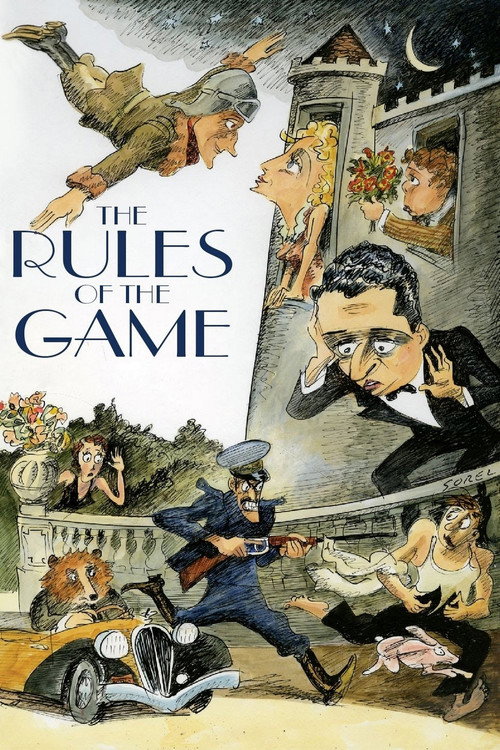
The Rules of the Game1939
Renoir's great French comedy-drama about desire, class and marriage, made 16 years after Beudet but in conversation with it. A portrait of how we perform ourselves and the gap between inner and outer worlds.
But It's long, complex and moves between tones quickly. The ensemble cast and intricate plotting can feel baroque and hard to follow.
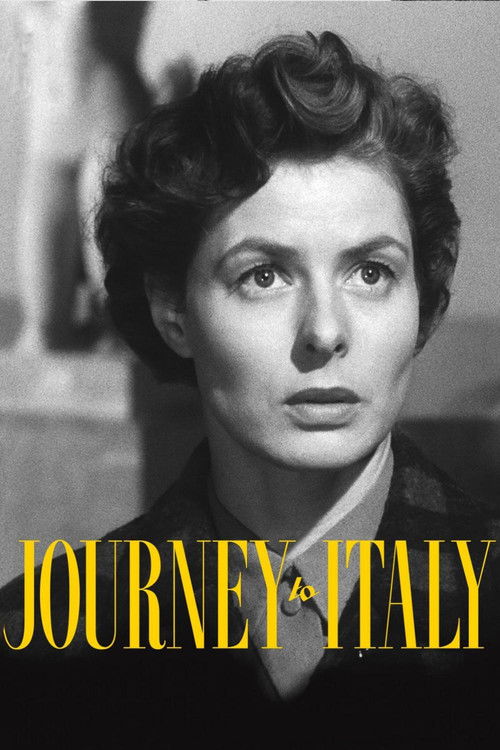
Journey to Italy1954
Where Beudet uses fantasy and montage to express marital unhappiness, Rossellini uses duration and silence. Both films understand that the real horror of a bad marriage is not melodrama but the slow erosion of connection. Both are formally innovative in service of emotional truth.
Rossellini's film about a married couple drifting apart while touring Italy. It's shot in naturalistic long takes and watches how small tensions compound into alienation. A quieter, more observant film about marriage than anything Beudet's era made possible.
But It's glacially slow. Nothing happens. Bergman and Sanders barely speak. Watching it feels like watching paint dry, deliberately.
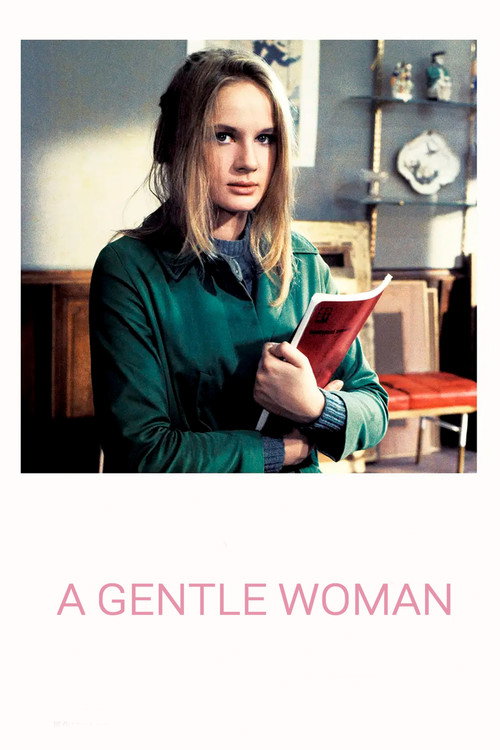
A Gentle Woman1969
Like Beudet, it's about a woman isolated within marriage, unable to communicate her suffering to the man beside her. But where Beudet finds escape in fantasy and imagination, Bresson's woman has nowhere to go. Both films treat female unhappiness not as melodrama but as a metaphysical problem.
Bresson's adaptation of Dostoevsky about a husband and wife whose emotional disconnection leads to tragedy. Shot with Bresson's severe style—minimal performance, distant camera—it's about the failure of two people to see each other across a gulf of feeling.
But It's one of the most austere films ever made. The acting style is anti-naturalistic. The pacing is punishing. It requires you to do the emotional work the film refuses to do.
People
Cast
 Germaine DermozMadame Beudet
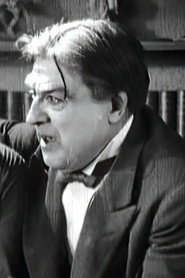 Alexandre ArquillièreMonsieur Beudet
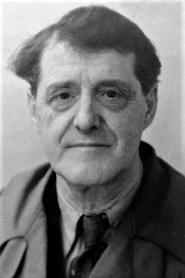 Jean d'YdMonsieur Labas
- Yvette GrisierMaid
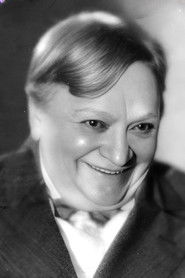 Madeleine GuittyMadame Labas
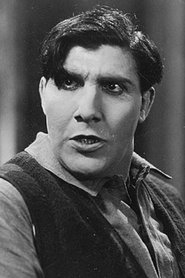 Raoul PaoliTennis Champion
 Armand ThirardClerk
Directing
- Germaine DulacDirector
Writing
- André ObeyTheatre Play
- Denys AmielTheatre Play
- André ObeyWriter
- Germaine DulacWriter
Production
- Charles DelacProducer
- Marcel VandalProducer