
Film
Tovarich
- Screwball comedy
- Light-hearted
A 1937 romantic comedy about Russian aristocrats working as servants in a Parisian household, hiding their true identities from their employers. Claudette Colbert and Charles Boyer sparkle as exiled nobility navigating both screwball hijinks and genuine affection. It's all charm and lightweight sophistication—a film that trusts its leads' chemistry over plot contrivance, made for viewers who like their comedy elegant and their romance uncomplicated.
If you liked this
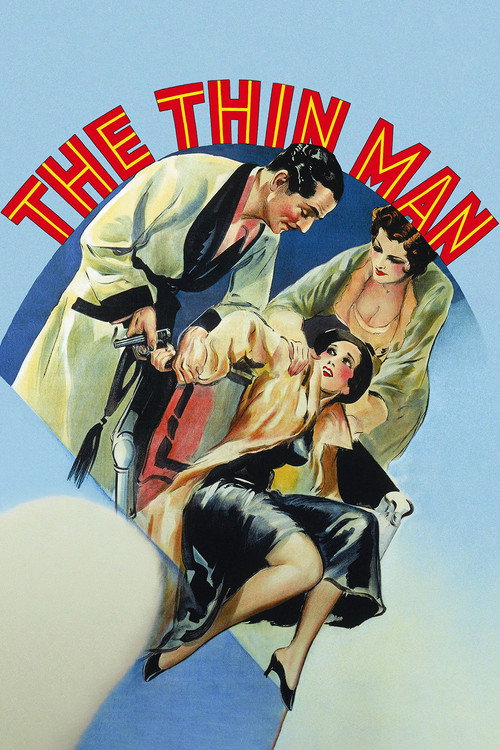
The Thin Man1934
William Powell and Myrna Loy crackle with the same witty, flirtatious banter Colbert and Boyer bring here. Fast-paced, genuinely funny, and built on real affection between its leads. A masterclass in romantic comedy.
But The plot is convoluted and mostly pretextual. If you need mystery to drive you, the whodunit elements will frustrate rather than compel.
It Happened One Night1934
Frank Capra's romantic screwball perfection: two leads at ease with comedy and sentiment, banter that sings, and a story about class and pretense that doesn't take itself seriously. The tonal blueprint for what Tovarich attempts.
But At 105 minutes it outstays its welcome slightly. The romance beats follow a predictable rhythm if you've seen the template before.

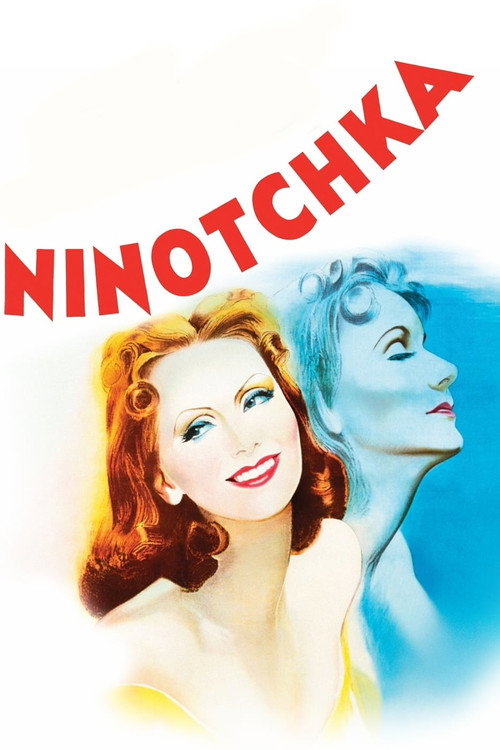
Ninotchka1939
Greta Garbo and Melvyn Douglas in a similar premise—Soviet rigidity meets Parisian charm. Sharper politically than Tovarich, funnier in places, with Garbo's deadpan thawing providing the film's engine. Essential pre-war romance.
But It's far more invested in satirizing Soviet bureaucracy than in the romantic couple. The humor is drier and can feel dated if the politics don't land.
Not sure tonight? Get a pick in a minute, starting from Tovarich
The wildcard
Something you would not have found on your own.
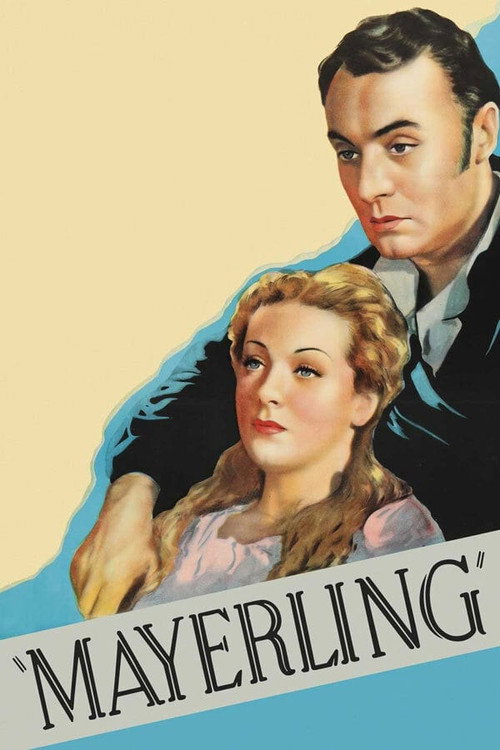
Mayerling1936
Both feature Boyer navigating European aristocratic worlds undone by history and politics, but Mayerling trades comedy's reprieve for tragedy's inevitability—the same universe in different moral registers.
Charles Boyer again, this time in a lavish tragic romance set in the Austrian imperial court. Boyer's melancholy opposite Danielle Darrieux reveals the dramatic depth beneath his light comedy persona. Gorgeous, fateful, operatic in scope.
But It's devastating and austere—the inverse of Tovarich's buoyancy. If you want romance, this is romance with a noose attached. Visually beautiful but emotionally grueling.
More like this (8)
Breakfast at Tiffany's1961
Audrey Hepburn and George Peppard share that same spark of mutual recognition beneath social masks. Romantic, funny, and built on character chemistry rather than circumstance. A later refinement of what Colbert perfected.
But It's considerably more melancholic than Tovarich, and its view of romance is more complicated and less purely joyful. The tone shifts can feel uneven.

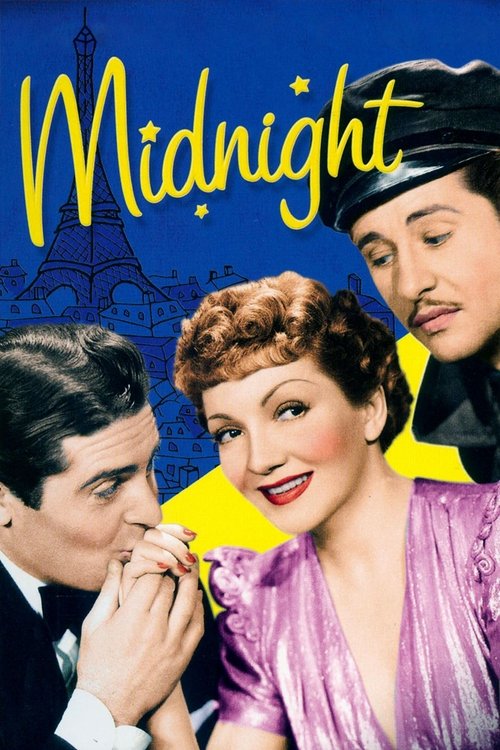
Midnight1939
Claudette Colbert again, reunited with director Anatole Litvak and co-star Don Ameche, in another comedy of mistaken identity and class confusion in Paris. If you loved her in Tovarich, this is her at similar ease with the machinery.
But The plot becomes increasingly labyrinthine and loses momentum in the second half. The charm nearly carries it, but not quite.
The Philadelphia Story1940
Cary Grant, James Stewart, and Katharine Hepburn navigate romance and class with intelligence and genuine wit. The script crackles, the casting is perfect, and it trusts the audience's sophistication. A comedy-romance masterpiece.
But At nearly two hours it tests patience in stretches. The ending can feel like it has options it doesn't quite explore, leaving some viewers wanting.

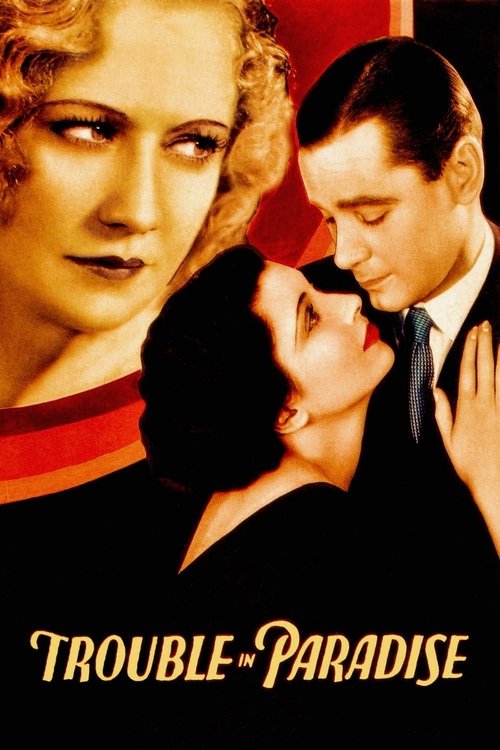
Trouble in Paradise1932
Ernst Lubitsch's directorial gem about con artists in Venice and Paris, with a lightness of touch and romantic sophistication that influenced everything after. Two elegant leads, impeccable timing, pure visual storytelling pleasure.
But The pace is deliberate—almost mannered—by modern standards. If you prefer plot momentum to character observation, it will feel overly slow.
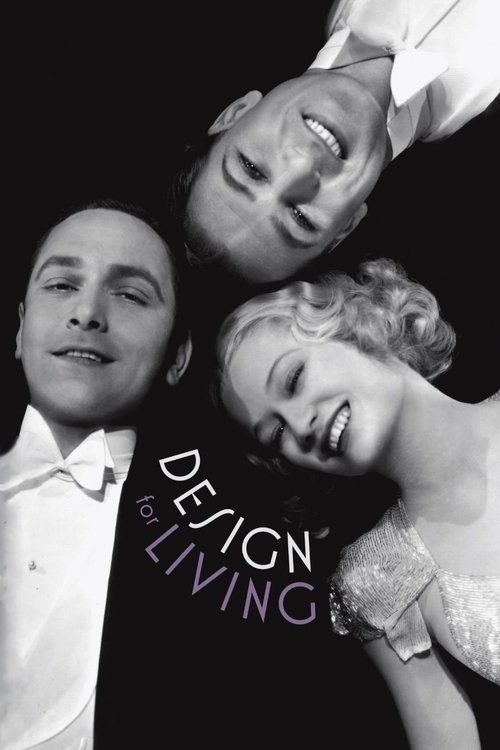
Design for Living1933
Fredric March, Gary Cooper, and Miriam Hopkins in a Noël Coward adaptation about unconventional romance and artistic life in Paris. Sophisticated, adult, funny in a way that feels genuinely clever rather than calculated.
But The sexual implications of the premise upset some viewers then and now. The resolution plays it safe, which some find disappointing after its setup.
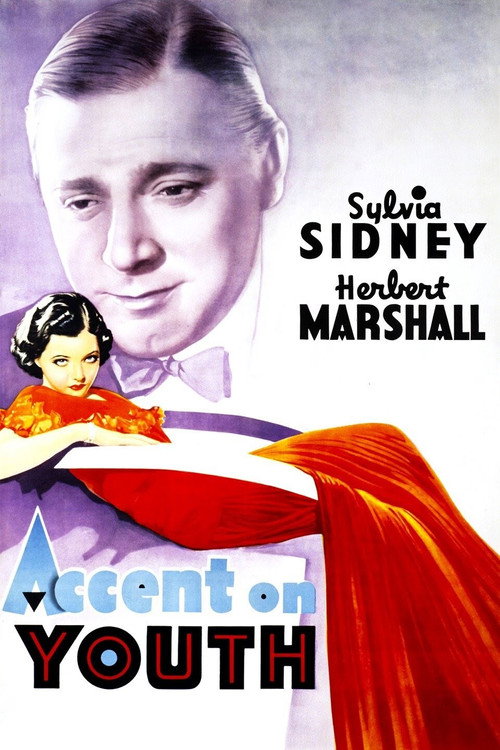
Accent on Youth1935
Herbert Marshall and Sylvia Sidney in a lighter romantic comedy about age, pretense, and finding love in unexpected places. Well-crafted and charming, with the same kind of emotional intelligence Tovarich displays.
But It's minor—enjoyable but unmemorable. The stakes feel low even by comedy standards, and it resolves without surprise.
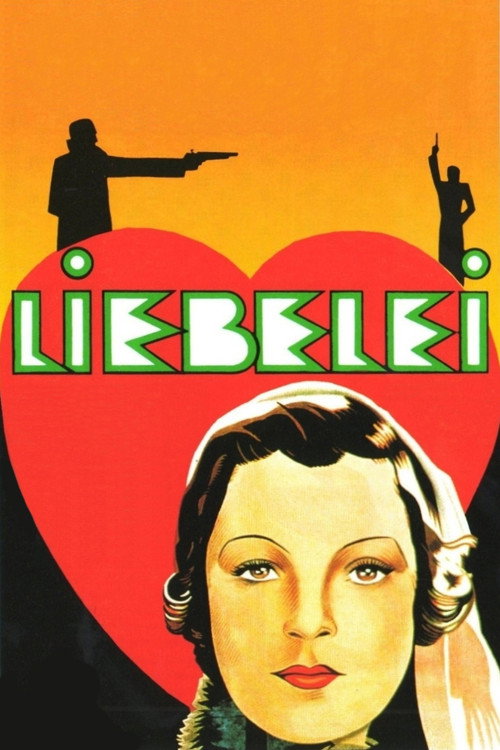
Liebelei1933
Like Tovarich, it captures the dying world of pre-revolutionary European aristocracy, but Ophüls' Vienna is fatalistic where Litvak's Paris is rescuing. Both mourn a class—but one offers escape, one offers only grace in ruin.
Max Ophüls' Austrian tragedy about doomed romance across class lines in Vienna. Exquisitely composed, moving without sentimentality, with a camera that seems to understand heartbreak. A precursor to all Ophüls' later masterpieces.
But It's pre-dubbed and shows its age technically. The plot resolves with death and resignation rather than triumph. Heavy viewing, despite its elegance.
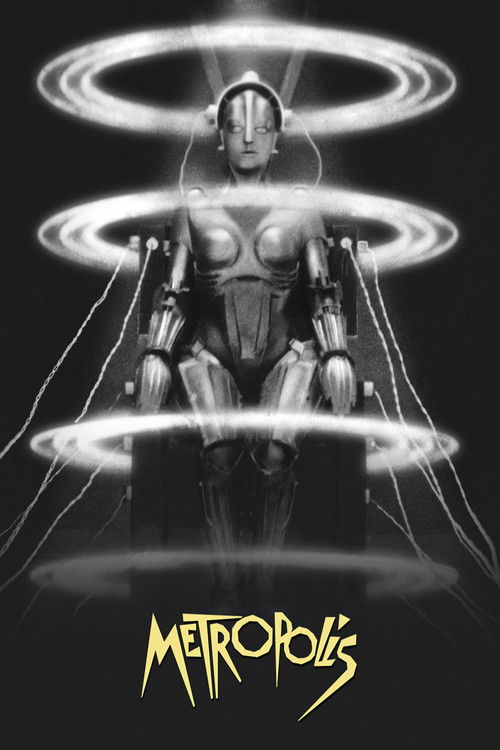
Metropolis1927
Both dramatize revolution and class upheaval through contrasting worlds—but where Tovarich finds romance in displacement, Metropolis sees apocalypse. Same historical anxiety, opposite emotional resolutions.
Fritz Lang's silent science-fiction epic about class, revolution, and the collision of workers and aristocrats in a dystopian future city. Visually staggering, thematically audacious, with a scope Tovarich only hints at. Essential cinema.
But It's silent, dense, and demands patience. The philosophical arguments are heavy-handed by modern standards. At over two hours it requires genuine commitment.
People
Cast
 Claudette ColbertGrand Duchess Tatiana Petrovna Romanov
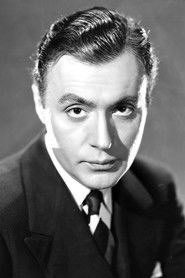 Charles BoyerPrince Mikail Alexandrovitch Ouratieff
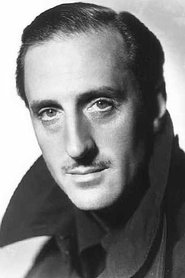 Basil RathboneCommissar Dimitri Gorotchenko
 Anita LouiseHelene Dupont
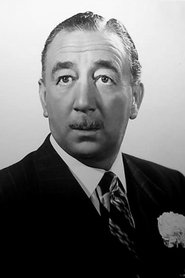 Melville CooperCharles Dupont
- Isabel JeansFermonde Dupont
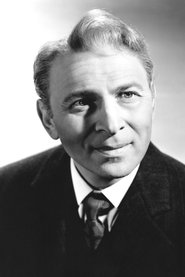 Morris CarnovskyChauffourier Dubieff
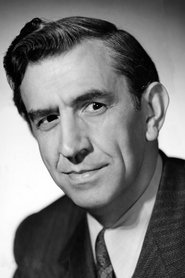 Victor KilianGendarme
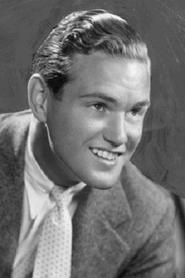 Maurice MurphyGeorges Dupont
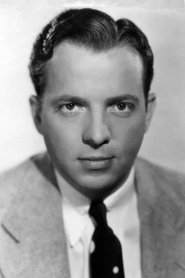 Gregory GayeCount Frederic Brekenski
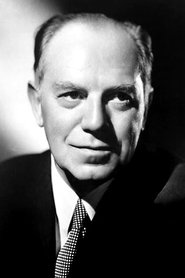 Montagu LoveM. Courtois
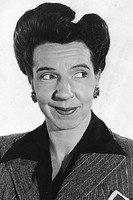 Renie RianoMadame Courtois
Directing
- Chuck HansenAssistant Director
- Anatole LitvakDirector
Writing
- Jacques DevalTheatre Play
- Robert E. SherwoodTheatre Play
- Casey RobinsonWriter
Production
- Robert LordAssociate Producer
- Hal B. WallisExecutive Producer
- Jack L. WarnerExecutive Producer
- Anatole LitvakProducer
- Robert FellowsUnit Manager