
Film
Liebelei
A jewel-box Vienna romance from 1933, directed by Max Ophüls in his debut. Two lovers from different worlds—a cavalry officer and an orchestra musician's daughter—collide with scandal, duty, and the unforgiving social codes of turn-of-the-century Austria. It's intimate and melancholic, shot with such visual grace that heartbreak feels like watching candlelight.
If you liked this
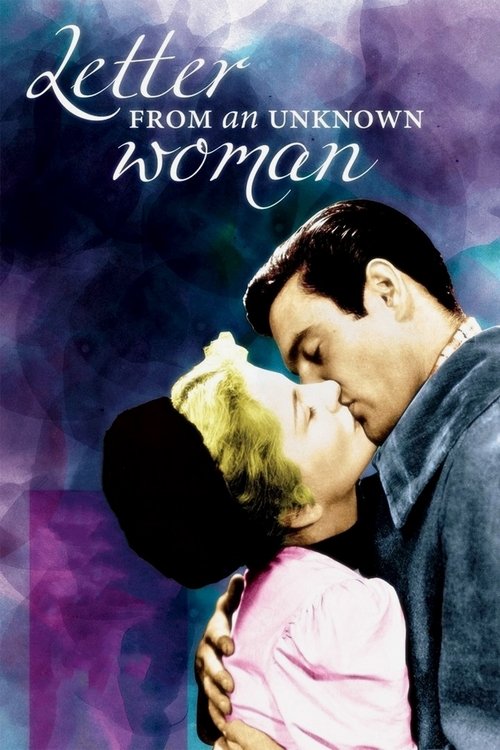
Letter from an Unknown Woman1948
Ophüls' masterpiece of yearning and regret, told in ravishing long takes. A woman's lifetime of love for a man who barely notices her, narrated as a deathbed confession. The camera moves like a sigh.
But It's slow and deliberately sad. If you need plot momentum or a neat resolution, this will feel like being trapped in amber.
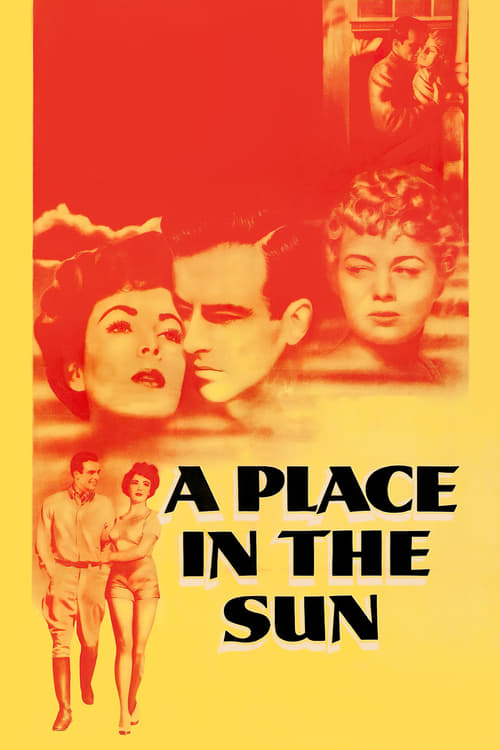
A Place in the Sun1951
Gorgeous, doomed romance between a factory worker and a wealthy woman, with class and fate working against them. George Stevens directs with the same tender fatalism Ophüls brought to Liebelei. Devastatingly human.
But It's a slow burn about impossible love with tragic inevitability. The ending is predetermined and there's no escape hatch.
The Watchers2022
A BBC period romance series with the same bittersweet tone—scandal, duty, and the weight of social expectation crushing tender feelings. Shot on video but with real emotional weight and beautiful dialogue.
But It's very British and very talk-heavy. If you need action or resolution, this meditative approach may test your patience.
Not sure tonight? Get a pick in a minute, starting from Liebelei
The wildcard
Something you would not have found on your own.
Sunrise: A Song of Two Humans1927
Both films show love as something destroyed not by fate but by the world—social expectation, money, other people's will. Both use visual grace to make that destruction aching rather than brutal.
F.W. Murnau's silent masterpiece about a man tempted to murder his wife by a city woman, and their reconciliation. Like Liebelei, it's about the fragility of love and how social pressure (and desire) can destroy it. Shot with hypnotic beauty.
But It's silent. Even restored, the pace and emotional register feel remote. If you need dialogue and contemporary naturalism, this will feel like watching through glass.

More like this (8)
Dangerous Liaisons1988
Cruel aristocrats, love games, and Viennese-adjacent decadence—but from the other side of morality. Glenn Close and John Malkovich as manipulators who are also victims of their own rules. Rapturous and poisonous.
But It's cynical and cold. The characters are mostly contemptible, and if you want romance to feel pure, this film has other ideas.

The Servant1963
Joseph Losey's film about class, desire, and who really holds power in a London townhouse. Like Liebelei, it's a tight chamber piece where social position determines everything, and love gets crushed under protocol.
But It's British and mannered, with a deliberately artificial aesthetic. The power games are subtle and if you miss the subtext, it can feel slow.

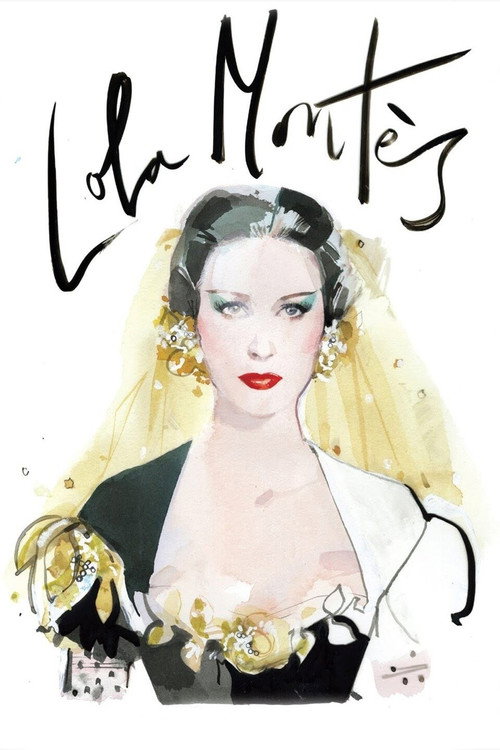
Lola Montès1955
Ophüls again—his last film, a sumptuous widescreen tragedy about a woman destroyed by love across three continents. If you respond to Liebelei, this is the full orchestra version of its themes.
But It's extremely stylized and can feel overwrought. The structure is fractured and some find the visual baroque overwhelming rather than moving.
A Little Chaos2015
A restrained period romance between a landscape designer and a nobleman at Versailles, with Kate Winslet bringing melancholy intelligence. It understands how social duty can make love feel like theft.
But It's very tasteful and quiet—almost timid at moments. If you want passion or real stakes, it can feel overly genteel and safe.

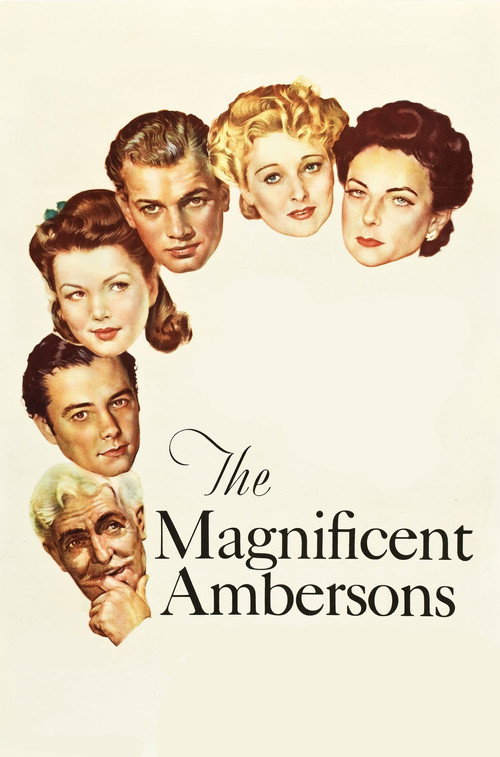
The Magnificent Ambersons1942
Welles' film about how wealth and social position corrode love and family across a generation. American rather than Viennese, but with the same tragic architecture—the world won't let these people be happy.
But It's unfinished (studio cuts complicated Welles' vision) and can feel uneven. The pacing is deliberate and some sequences drag.
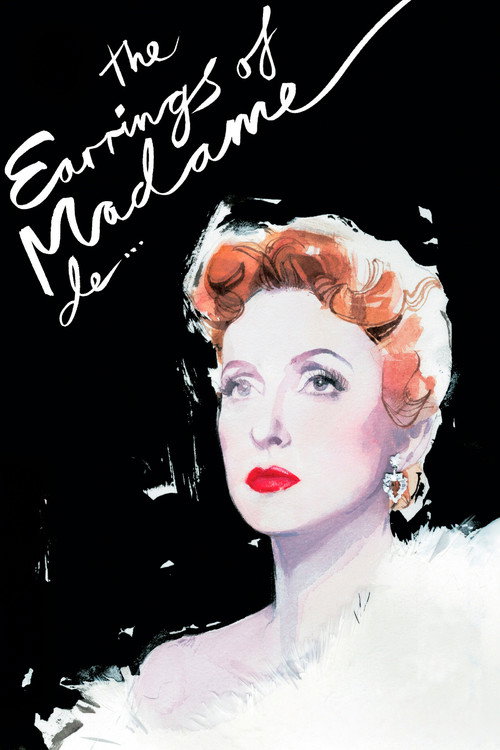
The Earrings of Madame de...1953
Ophüls again—a glittering, cynical look at how an earring destroys a marriage. It has Liebelei's Vienna sensibility but makes heartbreak look like a Viennese waltz. Exquisite and cruel.
But It's French, artificial, and knowingly superficial. If you want emotional honesty or psychological realism, this decorative style will feel like all surface.
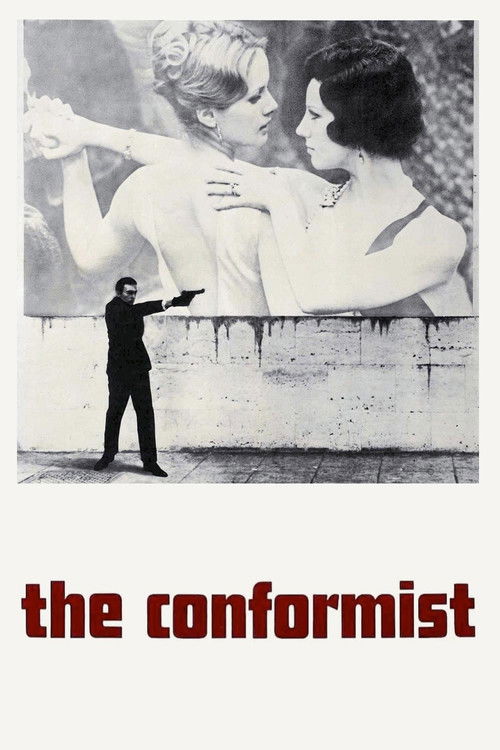
The Conformist1971
Both explore how social pressure forces people to destroy what they love. Both use camera movement and colour to show the seduction of conformity—how comfortable betrayal can feel.
Bertolucci's Fascist-era thriller about a man who betrays his lover to fit in, told in stunning widescreen compositions. It's structured like a chamber piece but stuffed with moral dread. The visual language is hypnotic.
But It's Italian, sexually explicit, and philosophically dense. The political allegory can feel overstated and the pacing is glacial.
Tokyo Story1953
Both films trust that love's real tragedy is not betrayal or death but the quiet, daily ways we fail each other under pressure. Both find that tragedy beautiful rather than operatic.
Ozu's film about an aging couple visiting their son in postwar Tokyo. It seems plotless—just conversations and family dynamics—but it's about how duty and love compete, and how we accommodate impossible choices. Devastating in its quietness.
But Nothing happens. If you need narrative drive, emotional drama, or Western-style character conflict, this will feel like watching paint dry in real time.

People
Cast
 Paul HörbigerDer alte Weyring - Kammermusiker
 Magda SchneiderChristine Weyring - seine Tochter
 Luise UllrichMizzi Schlager
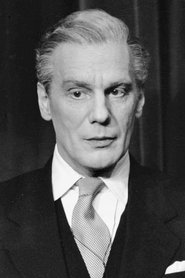 Gustaf GründgensBaron v. Eggersdorff
 Olga TschechowaBaronin v. Eggersdorff
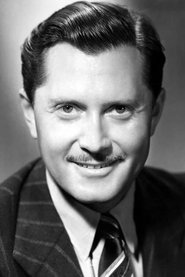 Carl EsmondOberleutnant Theo Kaiser
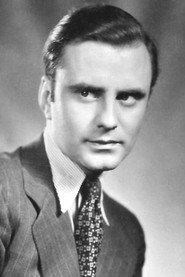 Wolfgang LiebeneinerLeutnant Fritz Lobheimer
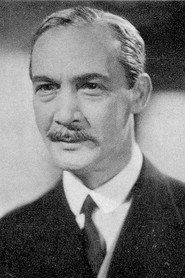 Paul OttoMajor v. Eggersdorff
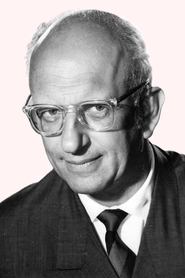 Werner FinckBinder, Cellist
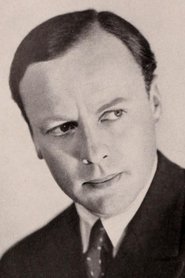 Ekkehard ArendtLeutnant von Lensky
Directing
- Max OphülsDirector
Writing
- Felix SaltenAdaptation
- Arthur SchnitzlerTheatre Play
Production
- Fred LyssaProduction Manager
- Heinz LandsmannUnit Manager