
Film
Mayerling
Other titles called Mayerling: the 1936 film.
Terence Young's sprawling 1968 prestige drama follows Crown Prince Rudolf of Austria as he rebels against imperial rigidity and imperial duty, finding solace in an affair with a younger woman. Lavish, melancholic, occasionally torpid, it trades plot momentum for the texture of constraint—the slow suffocation of privilege and duty. For those who love imperial romance and patient character study over event.
If you liked this
The Leopard1963
Visconti's masterpiece about aristocratic decline has the same doomed grace and obsessive attention to costume, landscape, and the weight of history bearing down on characters who sense their world ending.
But It moves slowly, trusts you to notice small things, and ends where it begins in spirit—some find that circular structure frustrating rather than profound.

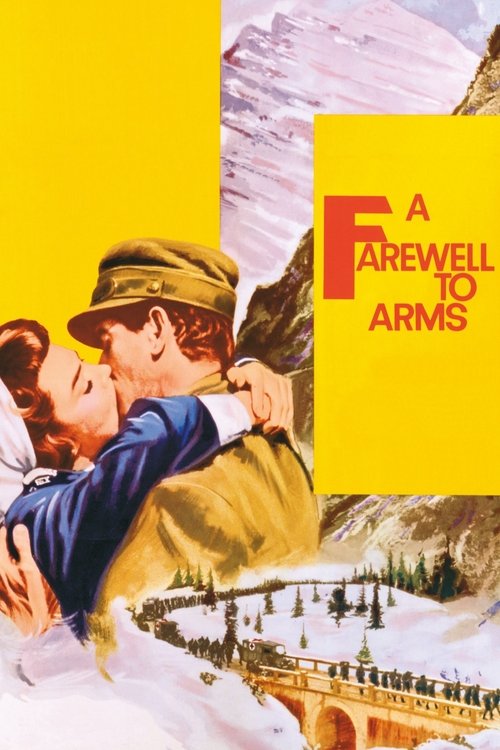
A Farewell to Arms1957
Rock Hudson and Jennifer Jones in Minnelli's sweeping WWI romance. Lush Technicolor, genuine emotional stakes, and the same doomed-lovers-against-history framework that gives Mayerling its ache.
But The film plays it straighter and more sentimental than Mayerling; if you want irony or moral complexity, this wears its heart too openly on its sleeve.
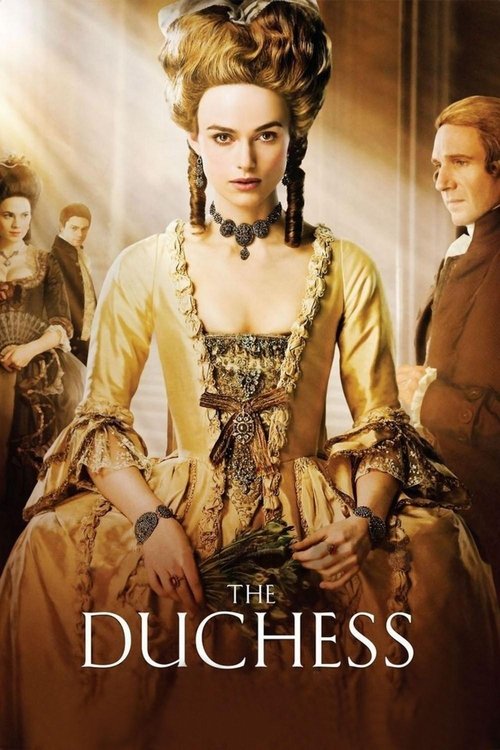
The Duchess2008
Keira Knightley as the Duchess of Devonshire—another gilded trap of a marriage, another woman seeking escape and love within suffocating protocol. Intimate, angry, visually sumptuous.
But More modern in sensibility and considerably angrier than Mayerling; the tone is almost thriller-like at times, which some may find jarring for a period piece.
Not sure tonight? Get a pick in a minute, starting from Mayerling
The wildcard
Something you would not have found on your own.
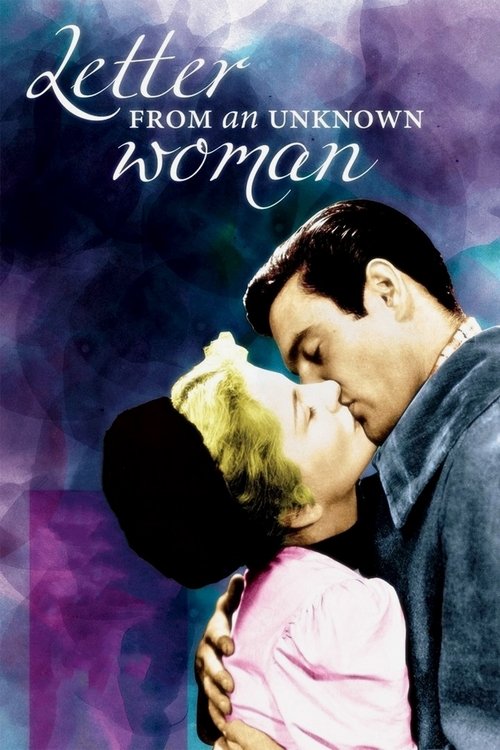
Letter from an Unknown Woman1948
Both are about love that defies social order and ends in death, but Ophüls shows how love can be entirely one-sided and still destroy you. Both films are interested in how desire moves through formal spaces—palaces, drawing rooms—like a ghost.
Ophüls' masterpiece about a woman who loves a man who barely knows her name—the inverse of Mayerling's mutual passion, but the same exploration of love as a form of beautiful suffering. Extraordinary camera work and a tone that is both romantic and devastated.
But It's in black and white, much shorter, and told from the woman's perspective in voiceover; the emotional register is quieter and more internalized than Mayerling's grand tragedy.
More like this (7)
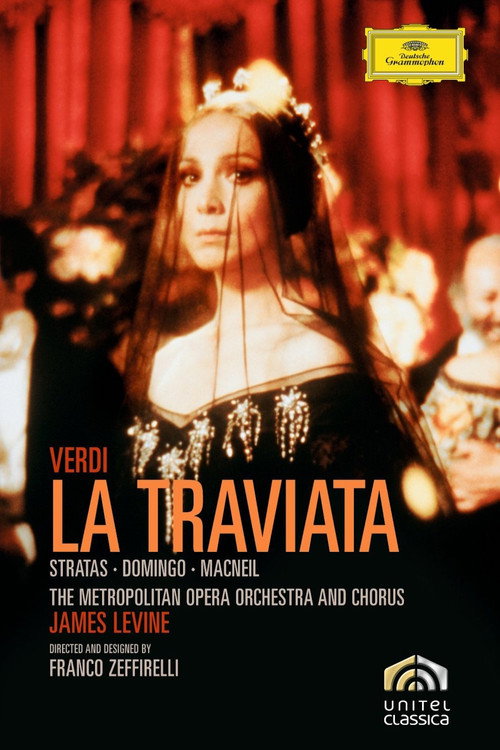
La traviata1982
Zeffirelli's opera film—Placido Domingo and Teresa Stratas in pure romance and tragedy. The same intensity about impossible love, class, and death; every emotion operatic and sincere.
But If you're not prepared for sung dialogue and a runtime over two hours, or if opera feels alien to you, this will test your patience severely.
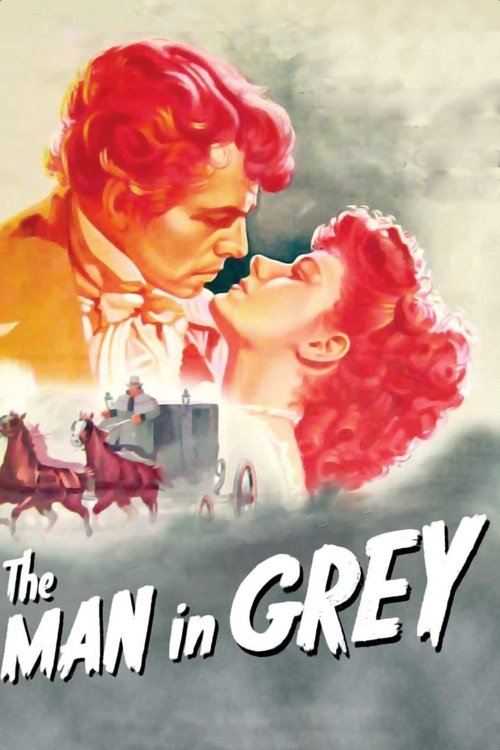
The Man in Grey1943
Gainsborough melodrama with James Mason at his most magnetic, set in the Regency. Glossy, gothic, theatrical—costume drama as pure emotion and intrigue rather than historical accuracy.
But The plot is preposterous by any standard; it's campy fun rather than serious art, and some will find that undercuts any dramatic weight.
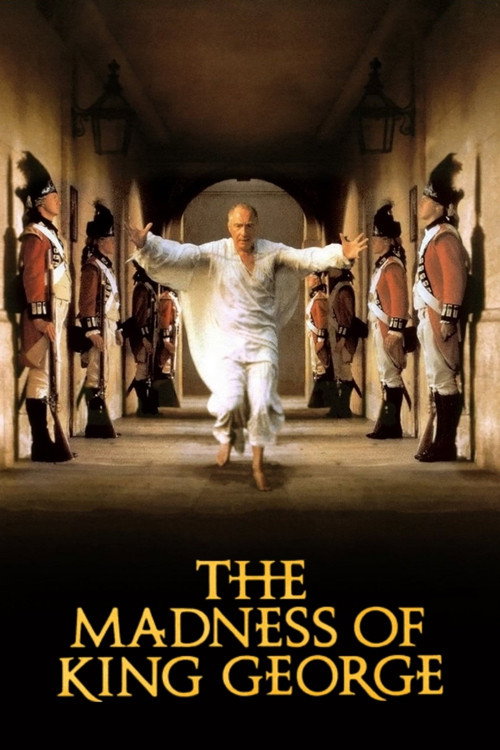
The Madness of King George1994
Intimate court drama about authority and madness, with superb performances from Nigel Hawthorne and Geoffrey Rush. Shows imperial life as constraint, duty, and psychological disintegration.
But It's British and somewhat theatrical in tone; if you want Continental glamour over sharp observation, this will feel chilly.
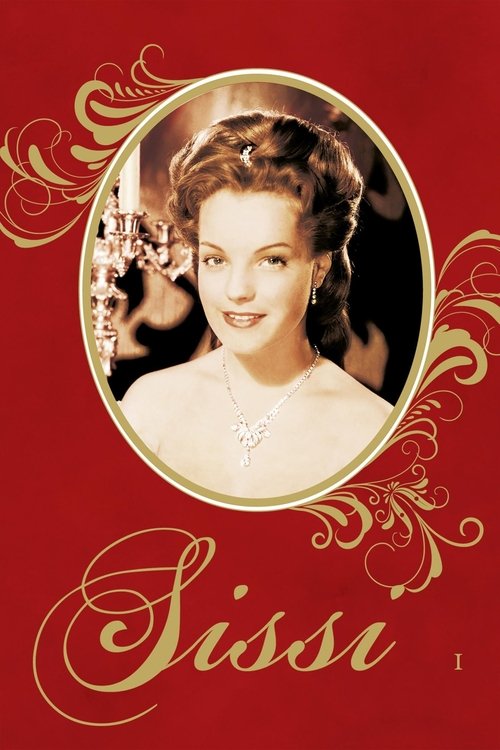
Sissi1955
Romy Schneider as the young Empress Elisabeth of Austria—the same world as Mayerling, but seen from the other side of the imperial household, with lighter tone and genuine warmth.
But It's considerably frothier than Mayerling and plays the romance straight; cynical viewers will find it almost aggressively cheerful.
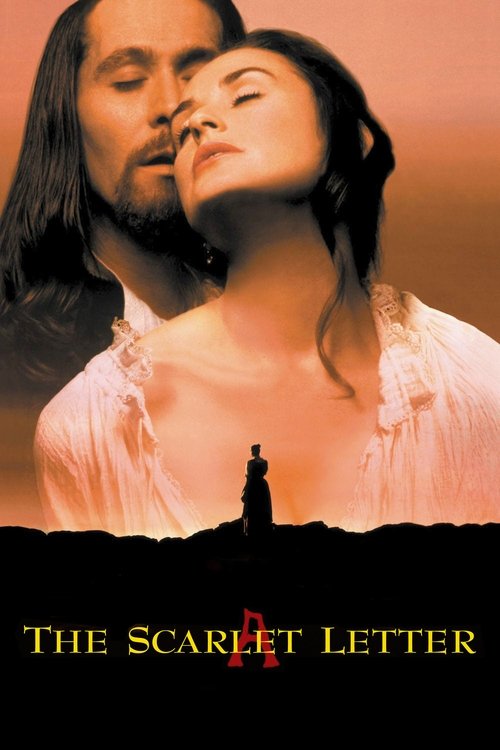
The Scarlet Letter1995
Demi Moore in a lush, sensual adaptation of Hawthorne—another film about transgressive love, social judgment, and the cruelty of rigid moral systems.
But It's much sexier and more visceral than Mayerling, and some see it as prestige-washing of what is essentially a romance film; it divides opinion sharply.
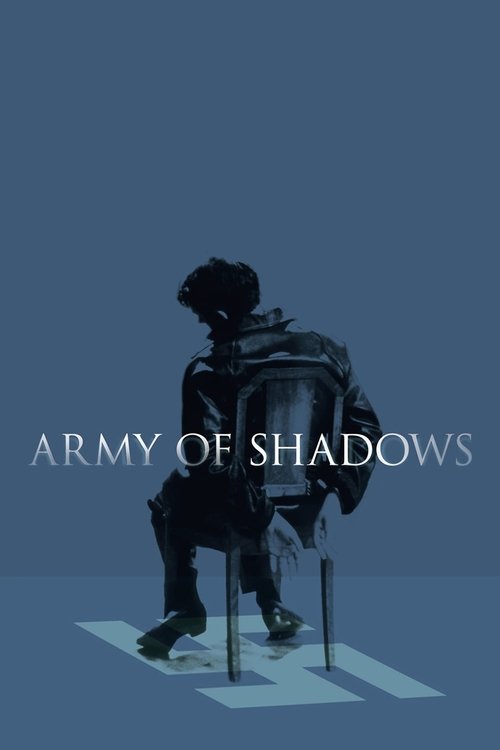
Army of Shadows1969
Both films are about men who see the future their societies need but cannot implement it, and both treat this gap between vision and reality as tragic. Where Mayerling is interior and romantic, this is exterior and political—but the structure of failure is identical.
Melville's French Resistance film came out the year after Mayerling. Its real subject is duty, idealism, and the machinery that crushes both. Austere, grave, morally complex. No grand romance, but the same sense of historical weight and personal futility.
But It's bleak, spare, and entirely unsentimental; the style is almost anti-cinematic. If you want beauty and emotion expressed directly, this withholds both.
The Night of the Hunter1955
Both use landscape and architecture—hunting lodge, river, mansion—as expressions of moral disorder. Both are interested in how beautiful surfaces hide violence. But where Mayerling internalizes its darkness, this one lets it loose as Gothic nightmare.
Charles Laughton's only directorial film: a gothic Americana nightmare about a preacher and two children. German Expressionist in mood, deeply strange. It shares Mayerling's interest in how appearance and power mask rot and danger.
But It's a psychological thriller, not a historical romance; it's in black and white, and its horror is intentional. If you're looking for another grand imperial tragedy, this is absolutely the wrong film.

People
Cast
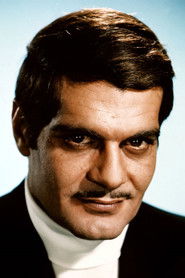 Omar SharifRudolf, Crown Prince of Austria
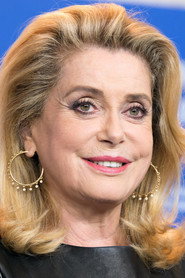 Catherine DeneuveBaroness Mary Vetsera
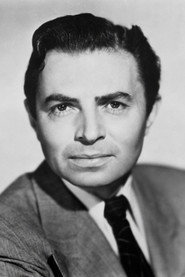 James MasonFranz Joseph I of Austria
 Ava GardnerEmpress Elisabeth of Austria
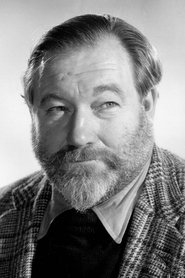 James Robertson JusticePrince of Wales
 Geneviève PageCountess Marie Larisch von Moennich
 Andréa ParisyPrincess Stéphanie
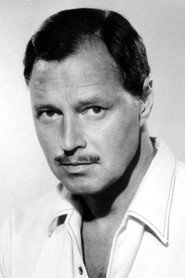 Ivan DesnyCount Josef Hoyos
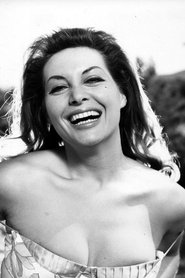 Fabienne DaliMizzi Kaspar
- Véronique VendellLisi Stockau
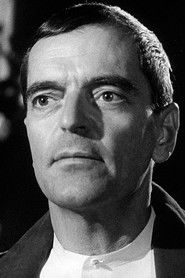 Howard VernonPrince of Montenuovo
 Irene von MeyendorffCountess Stockau
Directing
- Christian RaouxAssistant Director
- Betty ElviraContinuity
- Joan DavisContinuity
- Terence YoungDirector
- Bernard FarrelSecond Unit Director
Writing
- Denis CannanDialogue
- Juliet NissenDialogue
- Claude AnetNovel
- Michael ArnoldNovel
- Terence YoungScreenplay
Production
- Roger MorandAdministration
- Maurice JacquinAssociate Producer
- Marcel HellmanExecutive In Charge Of Production
- Eugène TuchererProducer
- Robert DorfmannProducer
- Hugo BenedekProduction Manager
- Georges VallonProduction Supervisor
- Mickey DelamarProduction Supervisor
- Clo D'OlbanUnit Manager
- Paul DufourUnit Manager