
Film
The Royal Hunt of the Sun
A 1969 historical drama about Pizarro's conquest of the Incan empire, built on the unlikely bond between captor and captive. Sumptuous, theatrical, deeply felt—it treats imperial ambition and spiritual faith as tragic forces. For those who want their history movies serious, visually rich, and morally complicated.
Should you watch it?
Watch it if you like epic historical films built on a two-hander between opposing men, where the conflict is about honor and the slow erosion of certainty rather than battles.
Skip it if you want fast action or a tidy plot; the pace is deliberate and talky, with long conversations doing much of the work, so patience is required.
What it asks of you: At just over two hours, its rhythm is unhurried and solemn, and attention goes to faces and arguments far more than to set pieces.
Not sure? Find tonight's pick in a minute.
If you liked this
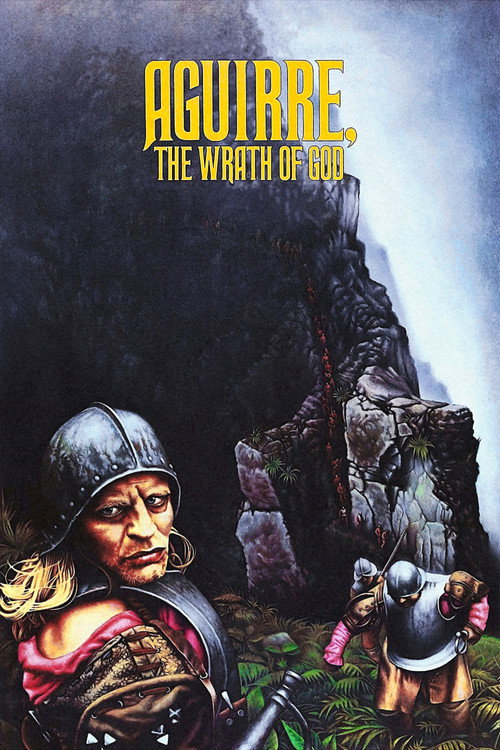
Aguirre, the Wrath of God1972
Werner Herzog's fever-dream account of Spanish conquistadors hunting El Dorado. Hypnotic, unsettling, visually extraordinary—it gets under your skin in ways conventional epics don't.
But It's deliberately disorienting and dark. No rousing triumph here, just obsession and decay. The pacing is slow and strange.
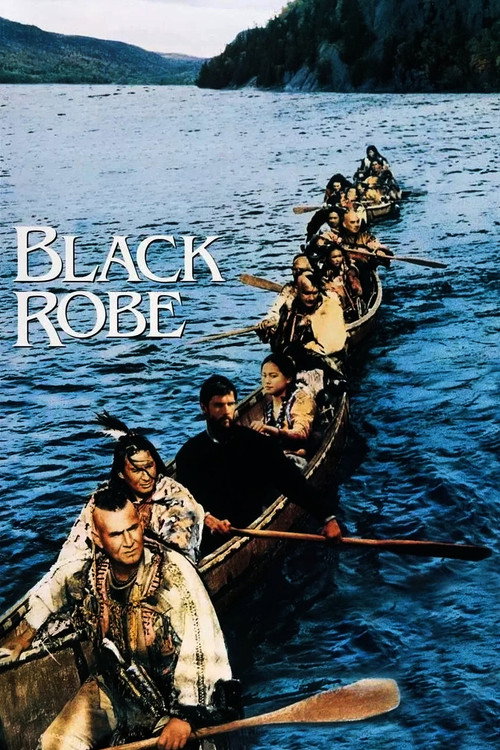
Black Robe1991
A Jesuit missionary in 17th-century Canada encounters indigenous belief systems that challenge everything he assumes. Thoughtful, visually stunning, genuinely curious about spiritual collision rather than dismissive.
But It's bleak and sometimes brutal. The theological debate will bore you if you're after pure action. Long stretches of contemplation.
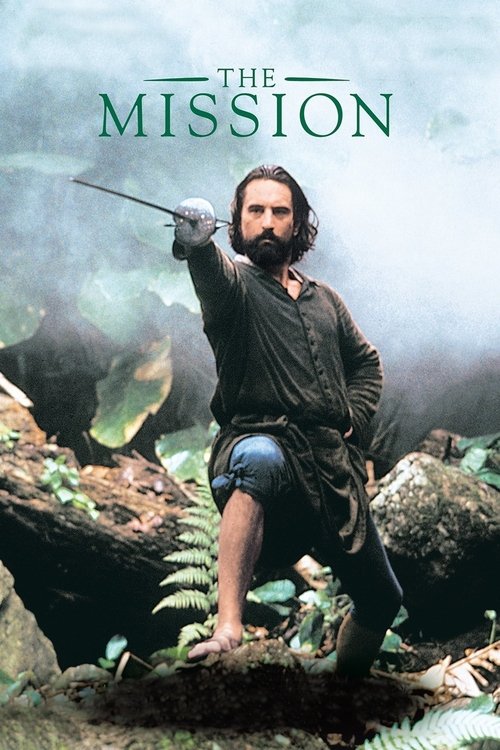
The Mission1986
Roland Joffé's majestic film about Jesuit priests defending a mission in Paraguay against Spanish colonial forces. Visually breathtaking, morally urgent, anchored by Jeremy Irons and Robert De Niro.
But Very earnest and can feel a bit overwrought. Some find the righteousness heavy-handed. The politics wear their heart very openly on their sleeve.
Not sure tonight? Get a pick in a minute, starting from The Royal Hunt of the Sun
The wildcard
Something you would not have found on your own.
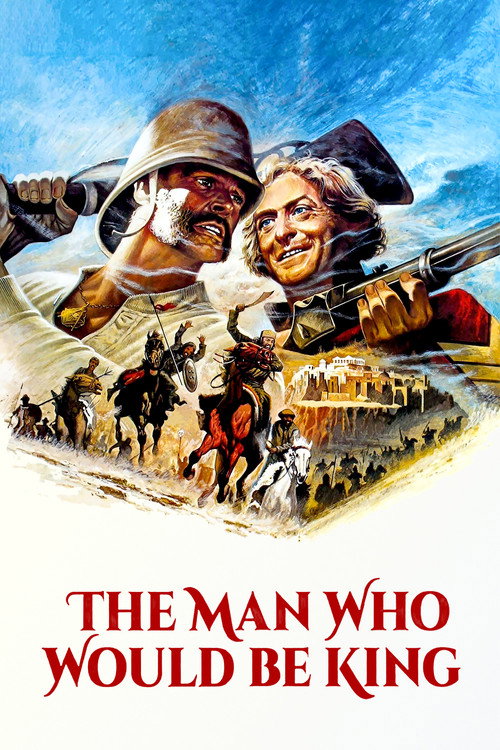
The Man Who Would Be King1975
Both explore the intoxication of being treated as a god by those who believe it, and the human cost of that worship. Both ask what happens when conqueror and conquered see each other as human.
John Huston's adventure about two British soldiers who con their way into becoming gods to an isolated Himalayan kingdom. It's Royal Hunt's spiritual cousin—about charisma, divinity, and the madness of playing god. Gorgeously shot, darkly funny, and morally sharp.
But It's a 1970s adventure film, so the pacing assumes you have patience. The colonial perspective is the point, not a bug, but it won't sit easy with everyone. Somewhat slow.
More like this (7)
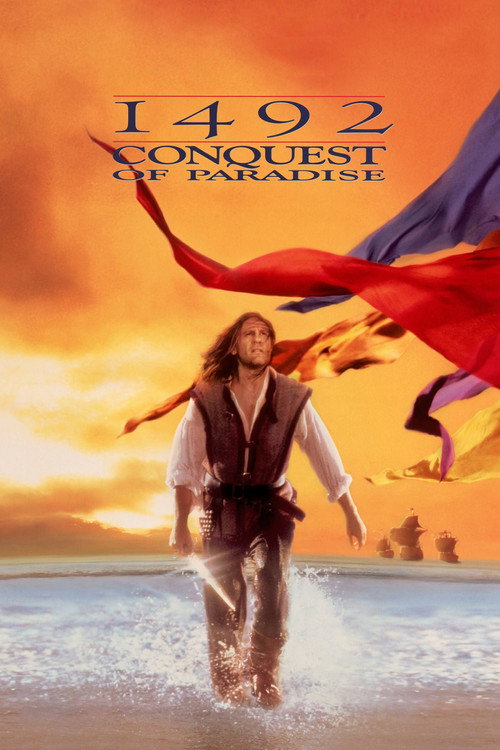
1492: Conquest of Paradise1992
Ridley Scott's Columbus epic with Gerard Depardieu. Lavish, painterly, melancholic—it's far more interested in disillusionment than triumph, and questions Columbus's legacy decades early.
But Scott's Columbus is noble to a fault, which softens the historical horror. Some scenes drag. It flopped for a reason, though not the ones you'd expect.
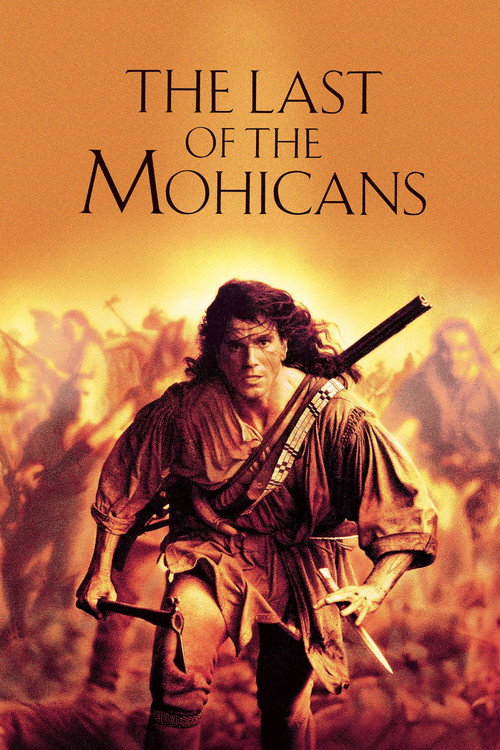
The Last of the Mohicans1992
Michael Mann's take on James Fenimore Cooper is pure kinetic beauty—gorgeous cinematography, emotional intensity, and surprisingly sophisticated about colonial America's moral quagmire.
But It's an action film first and a history lesson second. The romance subplot will feel familiar. Mann's style doesn't work for everyone.
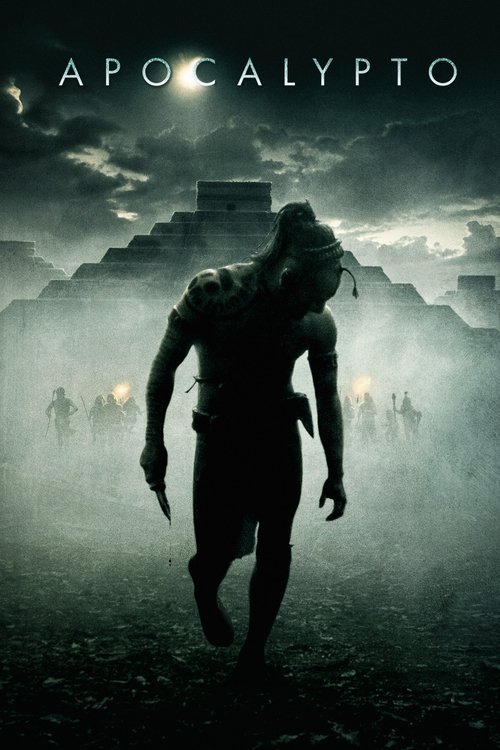
Apocalypto2006
Mel Gibson's Mayan epic is visceral, kinetic, and made with genuine anthropological curiosity about pre-Columbian civilization. No dialogue in English; you read the culture through action and ritual.
But Gibson's violence is graphic and relentless. The sacrifice sequences are hard to watch. His framing of Mayan culture has been criticized as reductive.
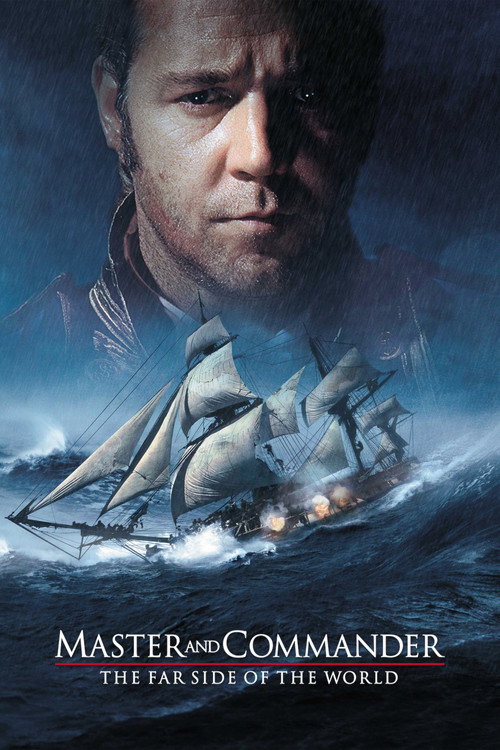
Master and Commander: The Far Side of the World2003
Russell Crowe as a British naval captain during the Napoleonic Wars. Not about conquest, but the psychology of command, ambition, and honor under impossible pressure. Gripping and intelligent.
But It's essentially a submarine thriller in period dress. If you want colonial history rather than military procedure, you'll be disappointed. The seafaring jargon gets thick.
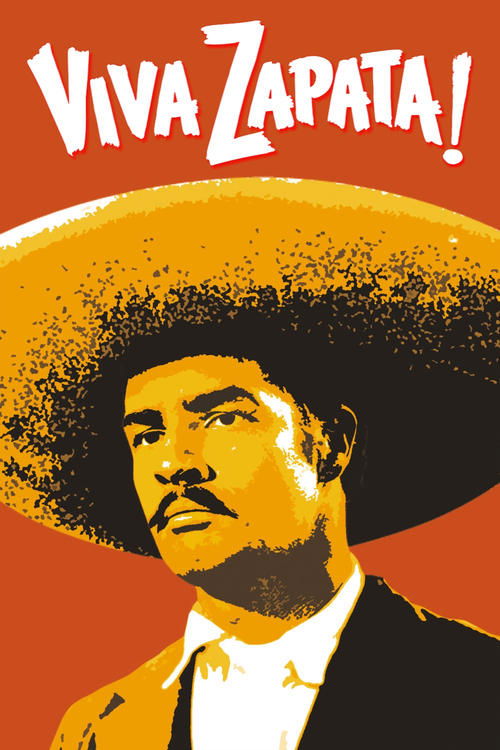
Viva Zapata!1952
Kazan's passionate drama of Mexican revolution with Marlon Brando and Anthony Quinn. It's about how power corrupts even those who fight for justice. Brando is magnetic, the script is fierce.
But It's a 1950s American take on Mexico, which comes with the limitations you'd expect. The romance feels obligatory. Some scenes are genuinely clunky by modern standards.
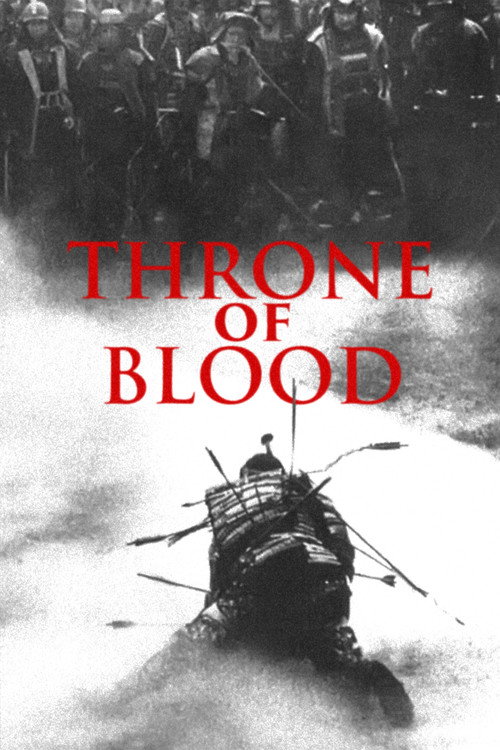
Throne of Blood1957
Both films are about powerful men destroyed by their own hunger for power and divinity. Both use spectacle and ritual to show how authority becomes a trap. Both are mounted like theater.
Kurosawa's Japanese adaptation of Macbeth, set in feudal warlord Japan. It transforms Shakespeare's ambition play into something operatic and terrifying. Practically no dialogue, all movement and shadow and dread.
But It's in Japanese with subtitles. It's also genuinely unsettling—the ending is one of cinema's most devastating. Not entertainment in the conventional sense.
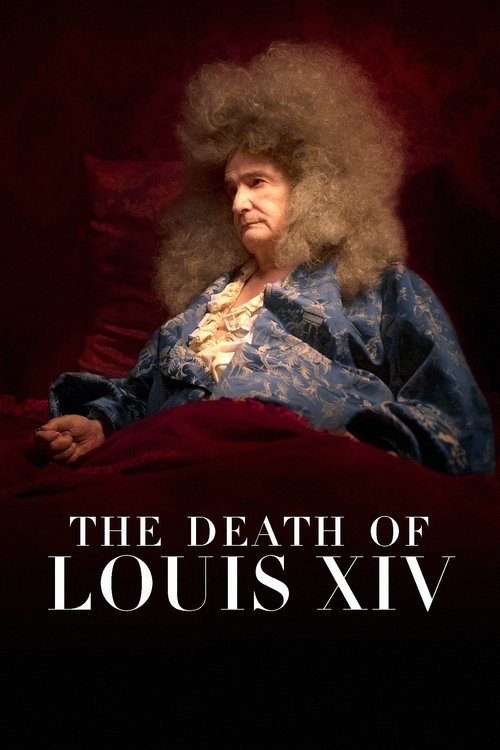
The Death of Louis XIV2016
Where Royal Hunt asks what happens when the conquistador sees his captive as human, Serra asks what becomes of the god-king when his divinity expires. Both use the relationship between power and flesh as their core question.
Albert Serra's 92-minute locked-down film of the Sun King's final hours—a radical, meditative act of defamiliarization. It strips conquest and empire down to decay, breath, and the absolute ordinariness of death. Hypnotic and strange.
But Almost nothing happens. It's nearly silent. It requires total patience and offers no comfort. Some will find it pretentious; others will find it unbearably sad.
People
Cast
 Robert ShawFrancisco Pizarro
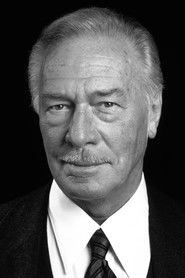 Christopher PlummerAtahualpa
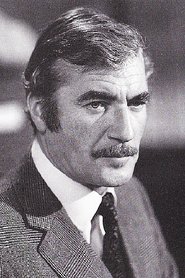 Nigel DavenportDe Soto
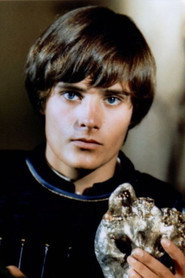 Leonard WhitingYoung Martin
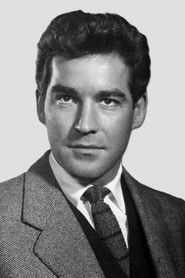 Michael CraigEstete
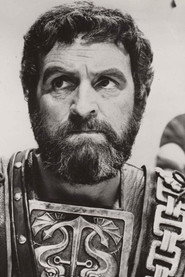 Andrew KeirValverde
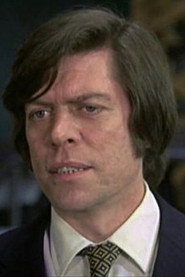 William MarloweCandia
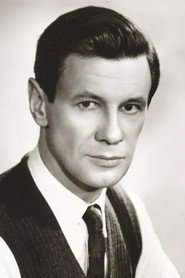 James DonaldKing Carlos
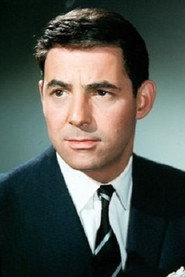 Alexander DavionDe Nizza
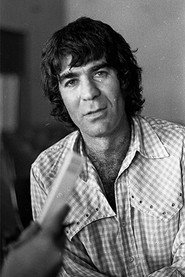 Shmulik KrausFelipillo
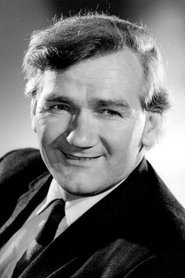 Percy HerbertDiego
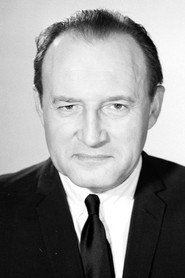 David BauerVillac Umu
Directing
- Irving LernerDirector
Writing
- Philip YordanScreenplay
- Peter ShafferWriter
Production
- Eugene FrenkeProducer