
Film
1492: Conquest of Paradise
Ridley Scott's 1492 is an ambitious historical epic about Columbus's voyages, shot with sumptuous Renaissance detail and a genuine attempt to reckon with conquest's human cost. Depardieu brings melancholic weight to a man driven by vision but haunted by consequence. It's a film that wants moral complexity from a well-worn story.
Should you watch it?
Watch it if you want a big, old-fashioned historical epic built on lavish sets, sweeping sea voyages and a restless, stubborn hero, and you don't mind a grand, earnest tone.
Skip it if you want the Columbus story sharpened into something tougher or more ambivalent, since this one plays its big ideas broadly and runs well past two and a half hours.
What it asks of you: Settle in for well over two hours of stately, mostly unhurried storytelling, where scale and spectacle do more of the work than quick dialogue.
Not sure? Find tonight's pick in a minute.
If you liked this
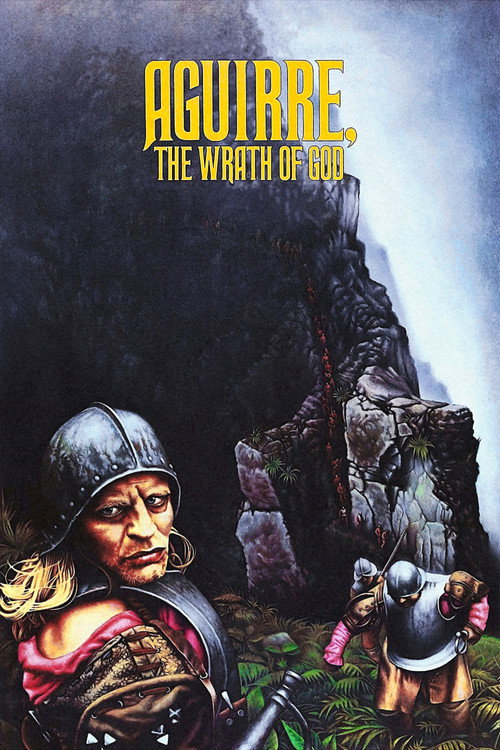
Aguirre, the Wrath of God1972
Herzog's masterpiece of obsession in the jungle. A conquistador consumed by the hunt for El Dorado, with Klaus Kinski delivering one of cinema's most ferocious performances. The parallels to Columbus's fevered ambition are inescapable.
But It's visually austere and philosophically punishing. There's no comfort here, and the pacing will feel glacial if you're used to modern action rhythms.
The Mission1986
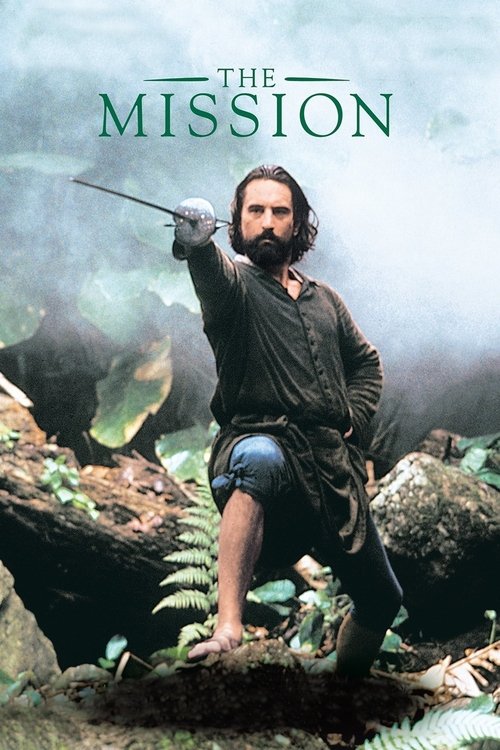
Joffé's stunning film about Jesuits and colonialism in South America. Robert De Niro and Jeremy Irons navigate faith, complicity, and resistance with extraordinary nuance. Confronts the spiritual destruction wrought by European expansion head-on.
But It's a period piece with a measured, chamber-drama sensibility. If you want propulsive narrative, this meditates instead of propels.
Black Robe1991
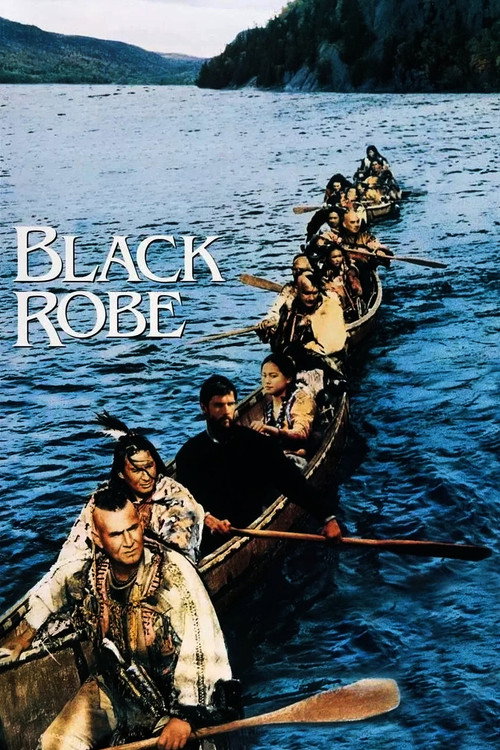
A Jesuit missionary journey through 17th-century Canada, told with ethnographic rigor and genuine ambiguity. The indigenous peoples aren't props—they have their own logic, spirituality, and reasons to resist. Bracingly unsentimental.
But It's deliberately slow and demands patience with sequences that don't explain themselves. Some viewers find it glacial; others find that glacial pace is the point.
Not sure tonight? Get a pick in a minute, starting from 1492: Conquest of Paradise
The wildcard
Something you would not have found on your own.
Cabeza de Vaca1991
Both films feature European visionaries undone by their own ambitions and the realities they encounter. But where 1492 laments Columbus's tragedy, Cabeza de Vaca suggests transformation through dispossession—a far more challenging spiritual reckoning.
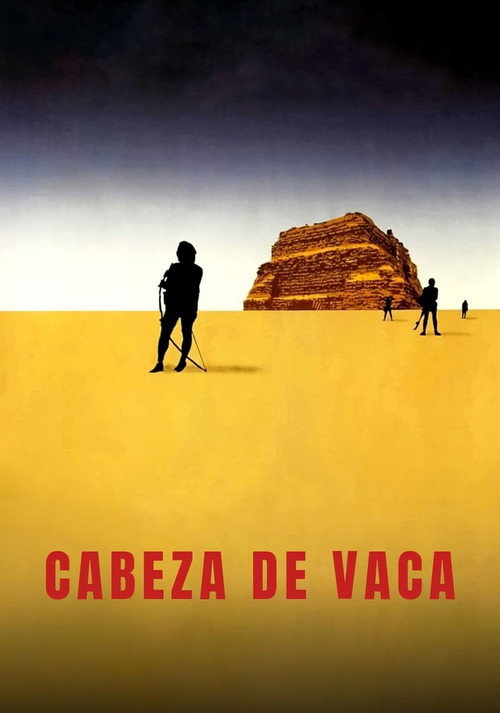
Écija's remarkable film follows a Spanish conquistador who, after shipwreck and captivity, becomes spiritually transformed by contact with indigenous peoples. It inverts the conquest narrative entirely—the colonizer is unmade and remade. Visually stunning, morally radical.
But It's in Spanish, subtitled, and rarely shown. The pacing is unhurried and some viewers find it too austere for comfort.
More like this (7)
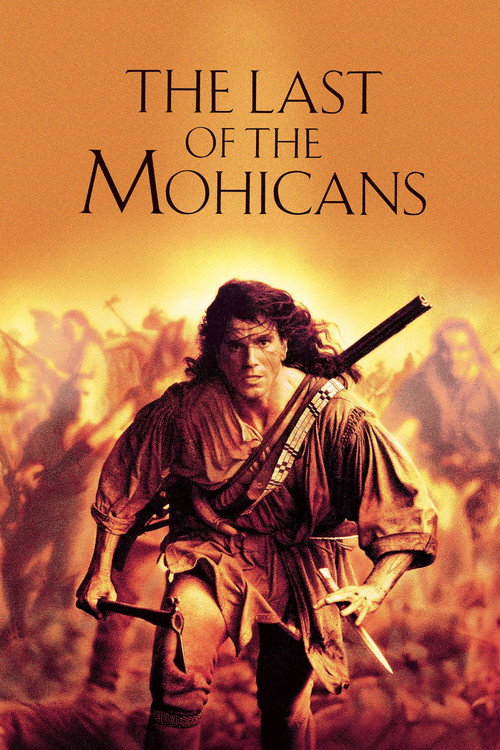
The Last of the Mohicans1992
Released the same year, Mann's adaptation has the sweep and action momentum 1492 reaches for but can't quite hold. Daniel Day-Lewis is magnetic, and the colonial conflict feels visceral and immediate in a way period epics rarely achieve.
But It simplifies its history considerably and leans heavily on romance as resolution. The action heroism can feel at odds with the film's darker implications.
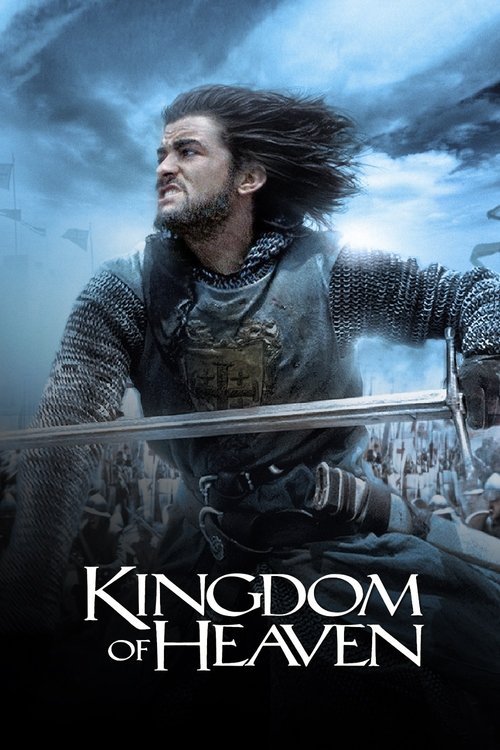
Kingdom of Heaven2005
Scott returns to historical conquest with more restraint and a clearer moral eye. The director's cut especially becomes a meditation on faith, violence, and the futility of crusade. Bloom plays an ordinary man caught in extraordinary collision.
But The theatrical cut is bloated and hollow. Even the restored version struggles with pacing, and the lead performance can feel passive rather than contemplative.
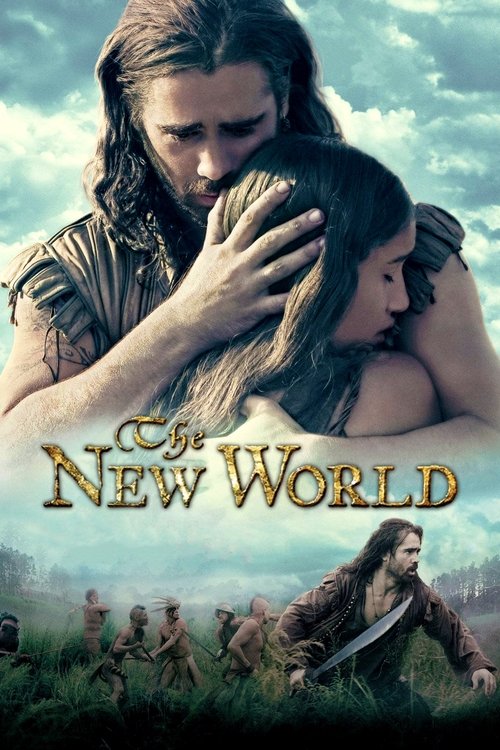
The New World2005
Terrence Malick's Pocahontas is impressionistic, lyrical, and genuinely strange—less interested in historical accuracy than in the collision of worlds as philosophy. If you want 1492's ambitions distilled and made poetic, this is it.
But Malick's style is an acquired taste. Whispered voiceovers, non-linear fragments, and painterly shots will feel pretentious or transcendent depending on your tolerance.
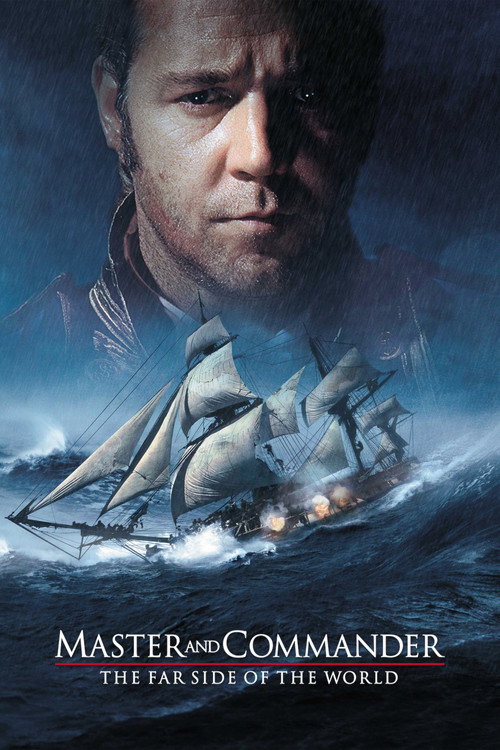
Master and Commander: The Far Side of the World2003
Russell Crowe and Paul Bettany anchor a naval historical epic with actual intellectual weight. The film treats imperial conquest with moral seriousness while delivering rousing adventure. Beautifully shot and genuinely intelligent.
But It's a thinking person's action film, which means it prioritizes character development over momentum. The naval battles are thrilling but brief.
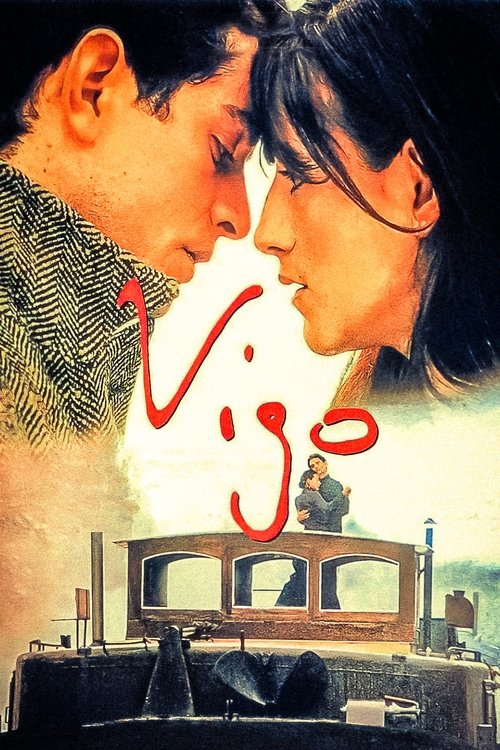
Vigo1998
Herzog's meditation on a visionary painter offers a different lens on ambition, failure, and artistic obsession. The parallels to Columbus are subtle but illuminating—both men driven by visions others couldn't see or wouldn't fund.
But It's as much essay as narrative. If you want plot momentum, this philosophical ramble will frustrate you.
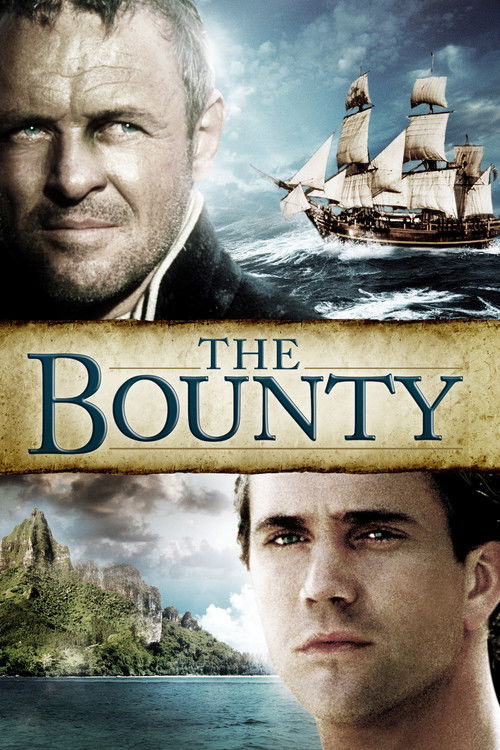
The Bounty1984
Mel Gibson and Anthony Hopkins in a revisionist take on mutiny and colonial authority. It complicates the hero/villain binary and suggests that blind obedience to empire destroys everyone aboard. Underrated and morally searching.
But It's a relatively obscure entry in a well-known historical moment. The pacing is uneven and some scenes drag without payoff.
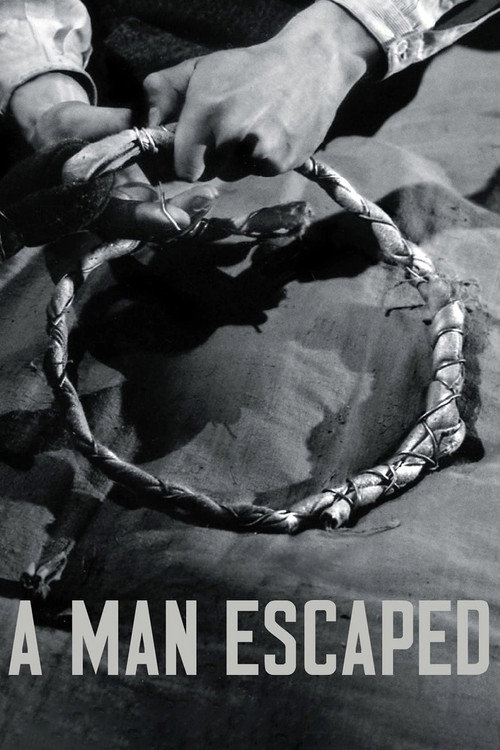
A Man Escaped1956
Both are films about complicity and spiritual captivity. Columbus is Bresson's prisoner, bound by the systems that enabled his voyage. The comparison strips away the adventure romance and reveals the mechanism underneath.
Bresson's austere Resistance drama about a French lieutenant's meticulous escape from a Nazi prison. Seems unrelated until you notice: both films are about men imprisoned by their circumstances and ideologies, trapped by systems larger than themselves. Bresson's spiritual severity finds what 1492 reaches for but misses.
But It's 1950s French minimalism—no orchestral score, minimal dialogue, long takes of hands working. If you need emotional catharsis or visual grandeur, this offers something else entirely.
People
Cast
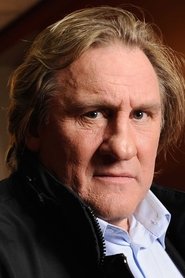 Gérard DepardieuChristopher Columbus
 Armand AssanteSanchez
 Sigourney WeaverQueen Isabella
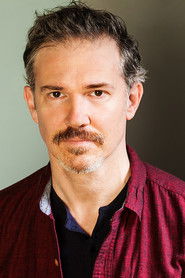 Loren DeanOlder Fernando
 Ángela MolinaBeatrix
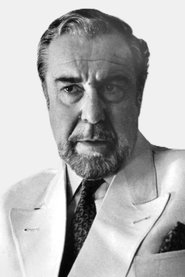 Fernando ReyMarchena
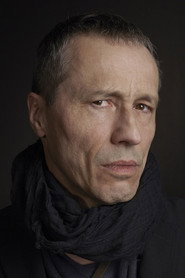 Michael WincottAdrian de Moxica
 Kevin DunnCaptain Mendez
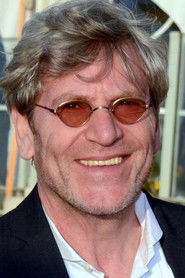 Tchéky KaryoMartín Alonso Pinzón
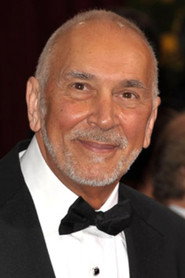 Frank LangellaSantangel
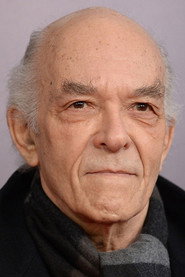 Mark MargolisBobadilla
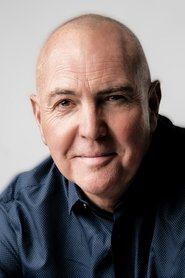 Arnold VoslooGuevara
Directing
- Adam SomnerAssistant Director
- Michael StevensonAssistant Director
- Ridley ScottDirector
- Kevin De La NoyFirst Assistant Director
- Terry NeedhamFirst Assistant Director
- Guillermo CanoScript Supervisor
- Luca KouimelisScript Supervisor
Writing
- Roselyne BoschScreenplay
- Roselyne BoschStory
Production
- Sergio MirandaAssociate Producer
- Dan ParadaCasting
- Louis DiGiaimoCasting
- Priscilla JohnCasting
- Iain SmithExecutive Producer
- Mimi Polk GitlinExecutive Producer
- Eduardo SantanaLocation Manager
- Juan Carlos CaroLocation Manager
- Kevin De La NoyLocation Manager
- Mark AlbelaLocation Manager
- Alain GoldmanProducer
- Garth ThomasProducer
- Marc BoymanProducer
- Pere FagesProducer
- Ridley ScottProducer
- Roselyne BoschProducer
- Belinda UriegasProduction Coordinator
- Joyce TurnerProduction Coordinator
- Trilby NortonProduction Coordinator
- Mario SotelaProduction Executive
- José Luis EscolarProduction Manager
- Sean ClaytonProduction Runner
- Joelle DelaneyProduction Secretary
- Maralyn CausleyProduction Secretary
- José Antonio Pérez GinerProduction Supervisor
- Patrick ClaytonProduction Supervisor
Recommended by
The Wind and the Lion, Kingdom of Heaven, The Physician, Cabeza de Vaca, The Royal Hunt of the Sun