
Film
Cabeza de Vaca
A 1991 Spanish-language epic about a conquistador who survives a disastrous 1528 expedition and spends eight years with Native Americans, gradually shedding his European identity and becoming their healer. It's patient, visually stunning, and morally complicated—a film about collision and transformation rather than conquest. For viewers who want their history films to actually wrestle with complicity.
If you liked this
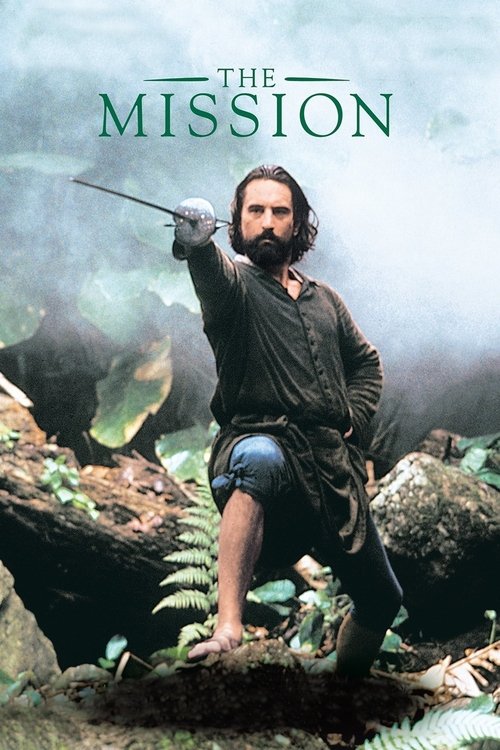
The Mission1986
A Jesuit priest navigates faith, colonialism, and indigenous autonomy in colonial South America. Like Cabeza de Vaca, it's a westerner's spiritual reckoning set against the machinery of empire, with comparable visual grandeur and moral weight.
But It's quite long, deliberately paced, and the religious philosophy can feel heavy-handed if you're not engaged with that particular wrestling match.
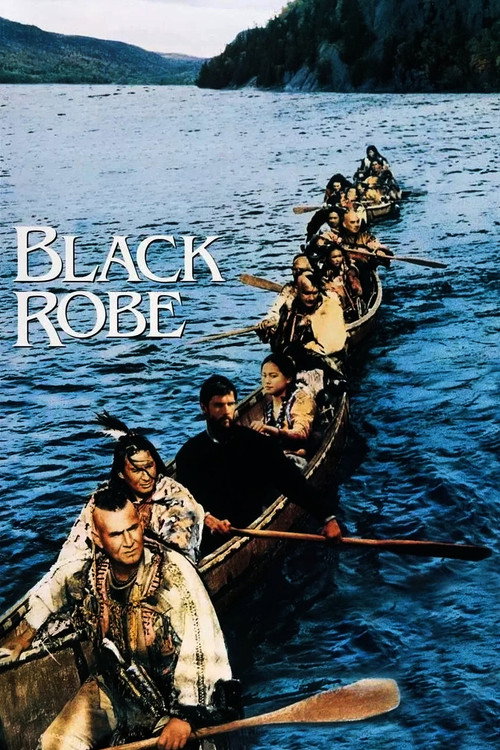
Black Robe1991
Another missionary in the New World, caught between two worlds and questioning everything he believed. The cultural collision feels lived-in rather than staged, and it shares Cabeza de Vaca's refusal to simplify either side.
But The violence is brutal and unflinching. Some find the pacing glacial, and the ending deliberately offers no comfort.
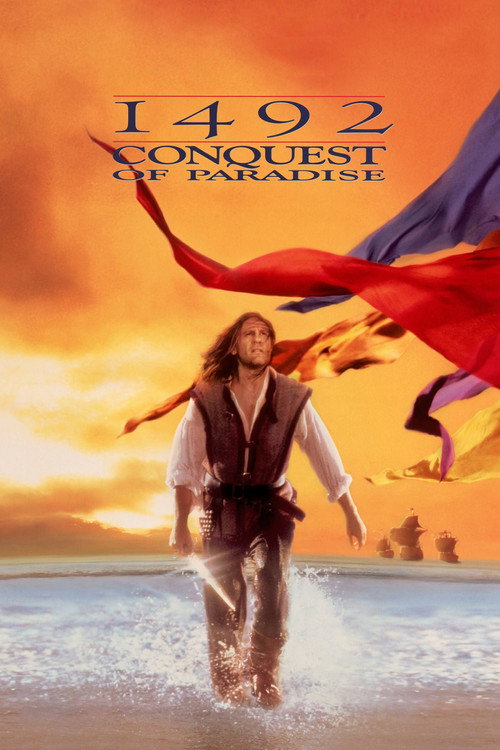
1492: Conquest of Paradise1992
Ridley Scott's Columbus film from just a year after Cabeza de Vaca, also grappling with European arrival in the Americas. It's epic and humanizing in ways the myth never is, with stunning cinematography and genuine doubt at its core.
But It's sometimes sprawling and unfocused, and some of the casting choices feel dated now. Also divisive—people either find it moving or self-important.
Not sure tonight? Get a pick in a minute, starting from Cabeza de Vaca
The wildcard
Something you would not have found on your own.
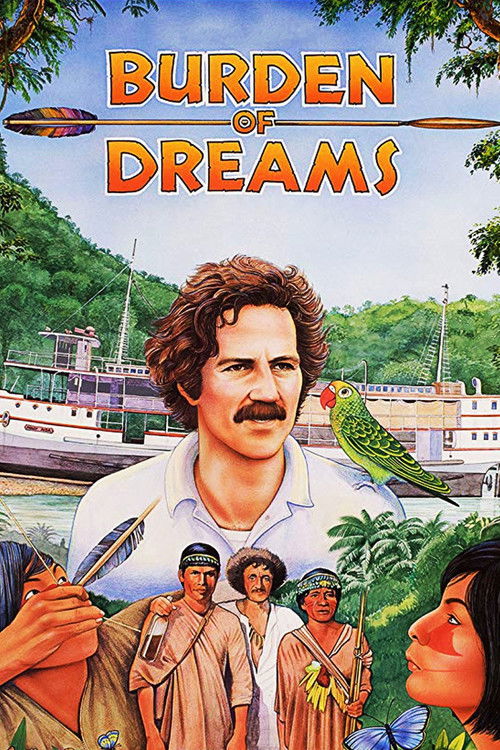
Burden of Dreams1982
Both explore how European ambition fractures against wilderness and indigenous culture; Burden of Dreams shows the real cost of that collision, making the fictional Cabeza de Vaca's surrender feel almost wise by comparison.
Les Blank's documentary about the making of Fitzcarraldo captures Herzog actually filming in the Amazon. It's both a film about filmmaking and a film about obsession, ego, and the impossibility of imposing will on an indifferent world—thematically inseparable from the fiction.
But It's a documentary about a film, so it requires knowing or caring about Fitzcarraldo. Some find Herzog insufferable in this, which makes the film harder to love.
More like this (8)
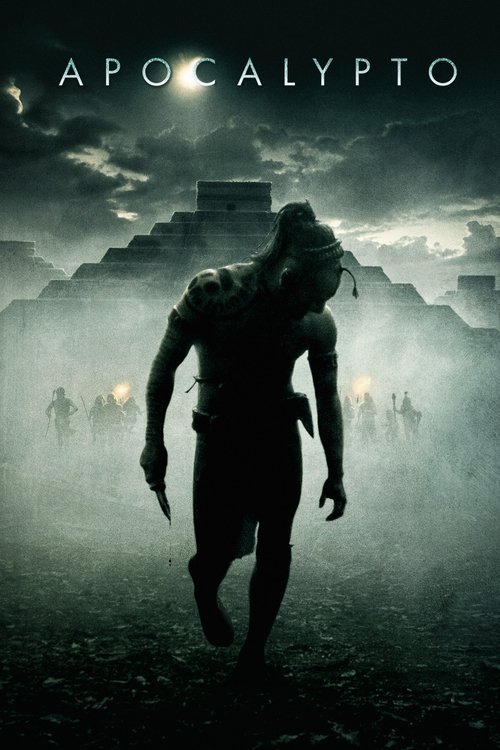
Apocalypto2006
Mel Gibson's Mayan thriller is propulsive where Cabeza de Vaca is meditative, but it shares an unflinching interest in pre-Columbian cultures as fully human, not backdrop. Visceral and visually intoxicating in a completely different register.
But It's extremely violent and occasionally accused of oversimplifying Mayan civilization. Some audiences find Gibson's fingerprints on the narrative problematic.
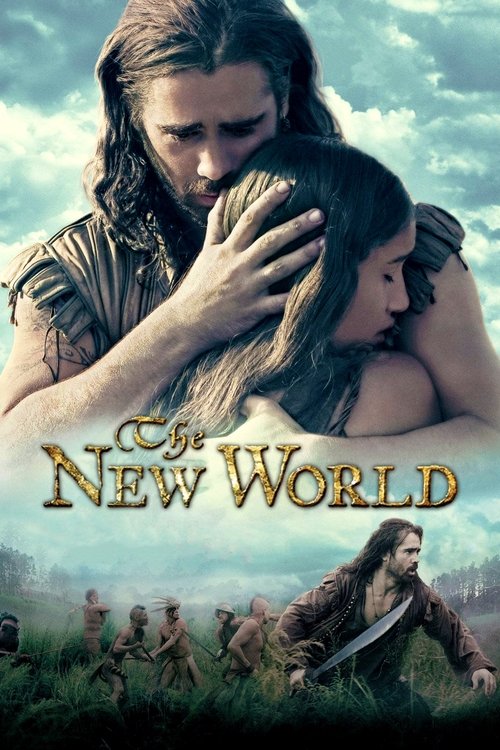
The New World2005
Terrence Malick's Pocahontas film is dreamlike and philosophical about cross-cultural desire and displacement. If Cabeza de Vaca's quiet transformation appeals to you, this meditation on arrival and belonging might too.
But Malick's style is highly mannered and deliberately oblique. If you want clear narrative and dialogue, this will feel like watching poetry instead of a story.
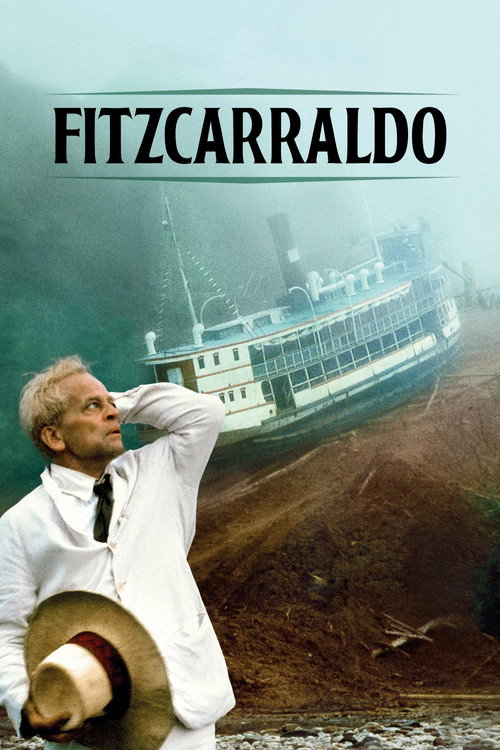
Fitzcarraldo1982
Werner Herzog's mad masterpiece about an entrepreneur's obsessive trek through the Amazon. It shares Cabeza de Vaca's sense of a European ego colliding with an indifferent wilderness and a culture he cannot possess or understand.
But It's eccentric, sometimes slow, and Herzog's vision is so personal it can feel alienating. Also morally complicated in ways some find troubling.
Embrace of the Serpent2015
A Colombian-Peruvian film shot in black and white following a shaman and a westerner upriver through the Amazon. It mirrors Cabeza de Vaca's trajectory of cultural collision and spiritual searching, with hypnotic, haunting imagery.
But It's slow and dreamlike to the point of opacity. Western viewers often find the pacing challenging, and plot takes a back seat to mood and philosophy.

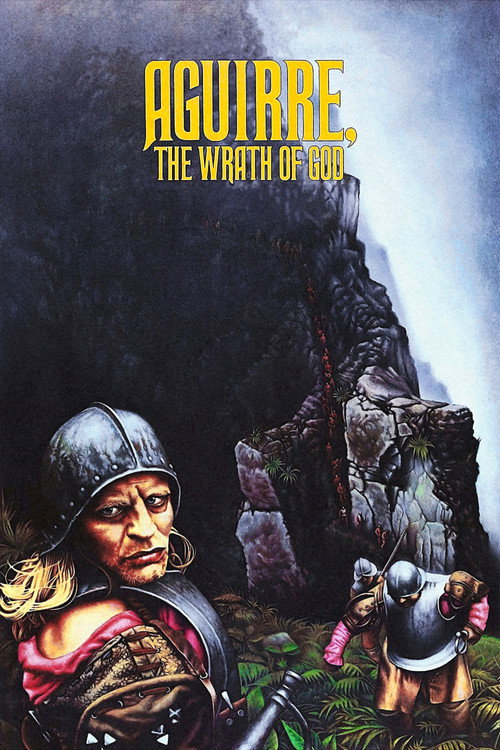
Aguirre, the Wrath of God1972
Herzog again, this time following a conquistador obsessed with finding El Dorado. Where Cabeza de Vaca learns from the land, Aguirre is consumed by it. A visionary, fever-dream study of European ambition meeting American vastness.
But It's strange, sometimes incoherent, and shot on a shoestring. If you need conventional narrative clarity, this will frustrate you.
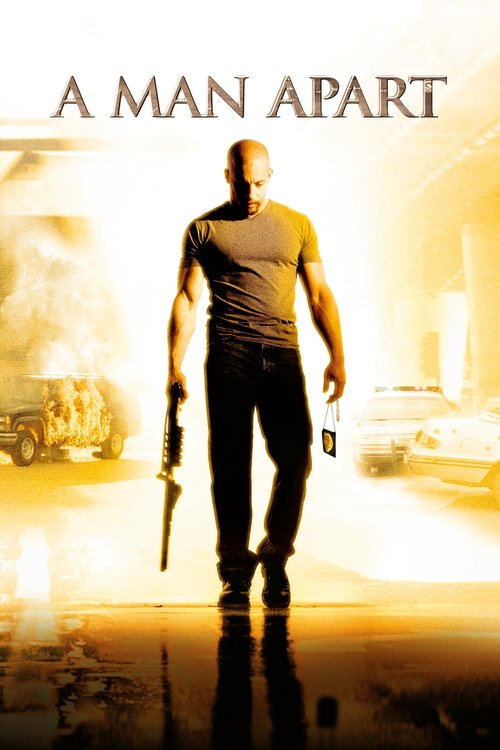
A Man Apart2003
Vin Diesel in a DEA thriller set partly in Mexico. A completely different register from Cabeza de Vaca, but it's a solid action-drama with a protagonist caught between worlds and institutions that consume him.
But It's formulaic, and Diesel's limited range as an actor shows. Nothing surprising happens that you don't see coming.
The Ballad of Little Jo1993
Both are about Europeans (or in Jo's case, an American woman) reinventing identity in the frontier, but where Cabeza de Vaca finds belonging, Jo finds only loneliness. They're mirror images of adaptation.
A woman passes as a man in the American West to survive. It's a radical gender film masquerading as a frontier story, quietly devastating, about survival through radical self-erasure and chosen identity—the inverse of Cabeza de Vaca's spiritual transformation.
But It's quiet and deliberately unglamorous. Some find the pacing tedious, and the gender politics, while interesting, can feel didactic.

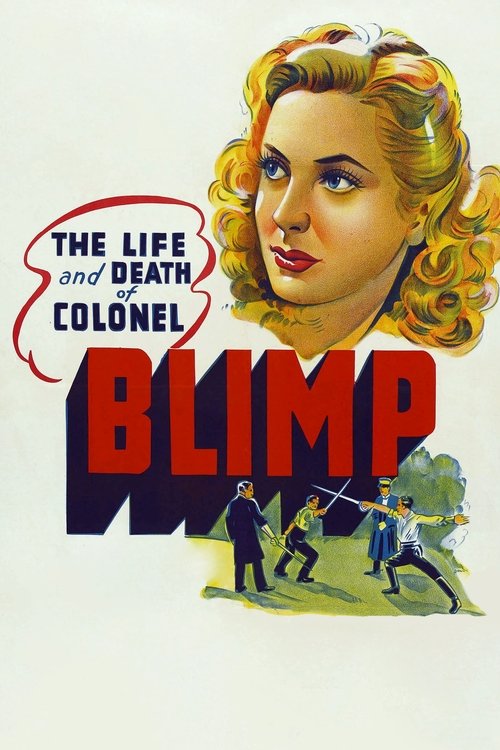
The Life and Death of Colonel Blimp1943
Both are about men shaped by historical forces they survive, watching the world shift beneath them. Where Cabeza de Vaca is re-made by indigenous culture, Blimp is un-made by modernity itself. Both are elegies for the men they once were.
Michael Powell's ravishing British film follows a soldier across decades and wars, slowly becoming a relic of a world that no longer fits him. It's a meditation on transformation, loyalty, and obsolescence shot in Technicolor that takes your breath away.
But It's a mid-war British film with a stiff upper lip and a very English sensibility. If you find wartime European cinema remote, this won't change your mind.
People
Cast
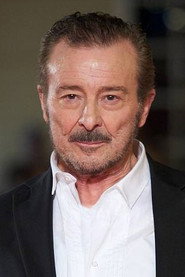 Juan DiegoAlvar Núñez Cabeza de Vaca
 Roberto SosaCascabel / Araino
- Carlos CastanonCastillo
- Gerardo VillarrealEstebanico
 Roberto CoboLozoya
- José FloresMalacosa
 Farnesio de BernalFray Suárez
 Josefina EchánoveAnciana Avavar
- Ramón BarragánPánfilo de Narváez
- Julio Solórzano FoppaAlcaraz
 Daniel Giménez CachoDorantes
 Max KerlowMan in armor
Directing
- Nicolás EchevarríaDirector
Writing
- Alvar Nunez Cabeza de VacaNovel
- Guillermo SheridanScreenplay
- Nicolás EchevarríaScreenplay
Production
- Bertha NavarroExecutive Producer
Recommended by
María la del Barrio, 1492: Conquest of Paradise, At Play in the Fields of the Lord