Television series
María la del Barrio
A Mexican telenovela that became a global phenomenon: a poor, kind-hearted girl enters a wealthy household and falls for the family's stubborn, arrogant son while his jealous ex-fiancée schemes relentlessly. It's melodrama at maximum velocity—tears, betrayals, and reversals arrive with metronomic precision. Irresistible if you love unashamed emotion and rooting for underdogs against impossible odds.
If you liked this
Marimar1994
The spiritual predecessor that perfected the formula: another poor heroine, another rich family, another cruel love triangle. If María captured your heart, this will feel like coming home to where it all started.
But It moves even more slowly than María does, and the middle stretches can feel genuinely repetitive. Patience required.

Yo soy Betty, la fea1999
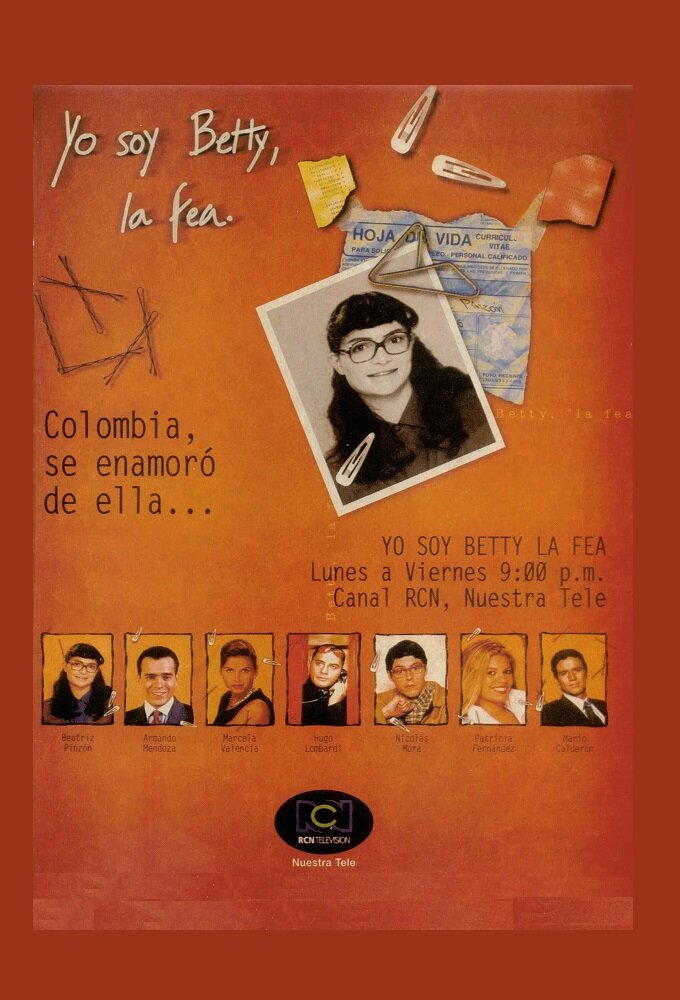
Colombian telenovela that exports the same DNA to the office: an outsider transforms a cynical person and the world around them. The emotional trajectory mirrors María's perfectly, just in a different setting.
But The comedy is broader and the tone more self-aware. If you want pure melodrama, this one winks at itself too much.
Rubí2020
A ruthless girl claws her way upward through deceit and seduction—the dark mirror of María's goodness. Same telenovela machinery, but you're rooting for someone morally compromised, which adds fascinating tension.
But The heroine is calculating and cruel. If you loved María precisely for her kindness, you may resent rooting for Rubí's schemes.

Not sure tonight? Get a pick in a minute, starting from María la del Barrio
The wildcard
Something you would not have found on your own.
Cabeza de Vaca1991
Both tell stories about class hierarchy being challenged and dismantled through the journey of a protagonist who refuses to accept the world's cruelty as inevitable.
A Spanish conquistador, stripped of status and power, is enslaved by indigenous peoples in colonial Mexico. Like María inverted: it's about a privileged person losing everything and learning humility through suffering, dignity, and connection with those society deems worthless. Same emotional architecture, opposite direction.
But It's a brutally serious historical film, not escapist melodrama. The violence and despair are unflinching, and there's no cathartic romance waiting at the end.

More like this (5)
Alcanzar una estrella1990
Young dreamers in Mexico City pursuing stardom while navigating class, ambition, and love. It shares María's warmth and optimism but splits focus across an ensemble rather than two leads, giving it surprising narrative depth.
But The music subplot takes up significant screen time. If you're here for romantic melodrama, the show-business angle can feel like a distraction.

La Usurpadora1998
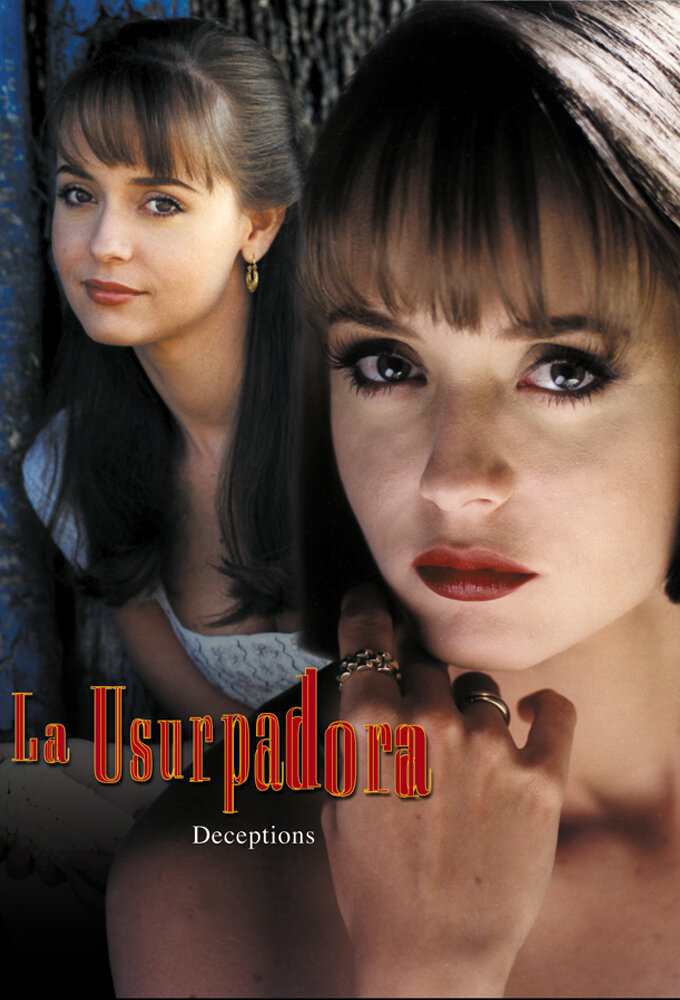
A poor girl impersonates a rich twin to infiltrate a mansion and exact revenge. More plot-driven conspiracy than María's emotional directness, but equally addictive and gorgeously produced.
But The identity-swap premise strains credibility constantly. You'll spend scenes wondering how no one notices the differences.
Corazón Salvaje2009
A peasant girl and a landowner's son navigate class, family pride, and genuine chemistry. Slower and more romantic than María, less frantic scheming, more focus on the central relationship's complexity.
But The pacing is genuinely leisurely. If you want María's relentless forward momentum, this will feel like it's wading through molasses.

The Milk of Sorrow2009
Both center an economically vulnerable woman navigating a hostile world, but this film processes that experience through surrealism and intergenerational memory rather than melodramatic plot.
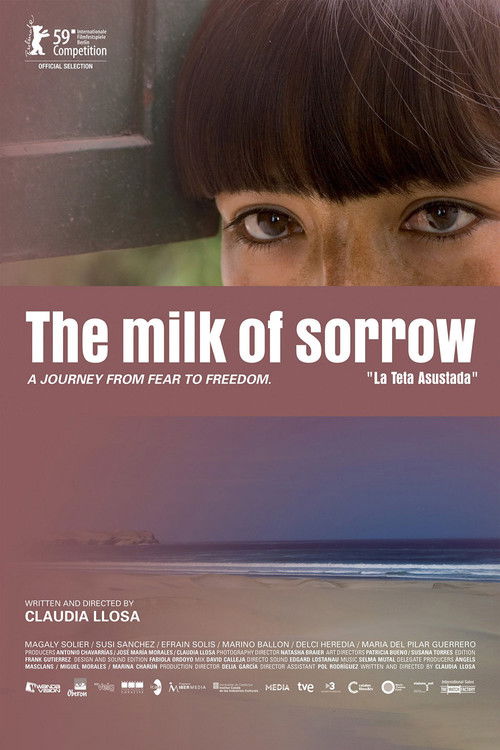
A Peruvian woman carries inherited trauma from her mother—a victim of political violence—expressed through magical realism and embroidery. It sounds abstract, but it's deeply about class, violence, and feminine resilience. María's emotional truth translated into a completely different cinematic language.
But It's avant-garde and symbolic rather than narrative. If you want plot clarity and emotional straightforwardness, this will frustrate you. Patience with ambiguity is mandatory.
Amarcord1973
Both are intoxicated with human feeling and the textures of everyday life. Both understand that class and desire are inseparable. Both believe emotion is the truest thing about us.
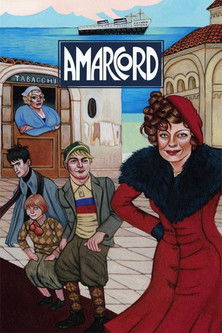
Fellini's nostalgia-drenched Italian masterpiece about small-town life, class difference, desire, and the way memory transforms everything. Like María, it's about feeling—romance, longing, shame, community—but expressed through a mosaic of vignettes rather than a propulsive plot. The emotional register is identical; the form is completely different.
But It's deliberately episodic and dreamlike. No clear story arc, no satisfying resolution. If you're watching for narrative momentum, you'll be searching for a plot that never arrives.