
Television series
El privilegio de amar
A Mexican telenovela about a fashion designer confronted by the daughter she abandoned decades earlier, now unknowingly entering her life as a model and love interest for her stepson. It's glossy, emotionally intense, and unashamed about its melodrama—built entirely on the pleasure of secrets, reversals, and characters discovering what the audience already knows. For anyone who loves soap opera momentum with real production values.
If you liked this
María la del Barrio1995
The definitive Mexican telenovela: a wronged woman navigating wealth, snobbery, and vindication while staying fundamentally good. Thalía's performance is magnetic, and the show moves like a perfectly wound clock. Essential viewing if you're exploring the form.
But The class politics are of their moment—some scenarios feel dated, and the rich characters' evil can seem cartoonish by modern standards.

La Casa de las Flores2018
Netflix's Mexican melodrama that plays the telenovela format with full awareness and modern sensibility. Family secrets, scandalous reveals, gorgeous production design, and it moves faster than traditional novellas without losing emotional weight.
But It's campier and more self-aware than classic telenovelas, which means it won't scratch the earnest emotional itch if that's what drew you in.

La Madrastra1962
Contemporary to El privilegio de amar and equally masterful at orchestrating secrets and reversals. A woman wrongly accused of murder, a stepmother villain for the ages, and enough plot momentum to keep you helpless through 120 episodes.
But The premise hinges on a plot device that strains credibility even by telenovela standards—you have to accept it to enjoy the rest.
Not sure tonight? Get a pick in a minute, starting from El privilegio de amar
The wildcard
Something you would not have found on your own.
Yo soy Betty, la fea1999
Both are Latin American telenovelas about a woman climbing from outsider status into a wealthy world, but Betty la fea questions the form's values while living inside them. Where El privilegio de amar embraces the romance of suffering, Betty la fea suggests that self-respect might matter more.
A Colombian telenovela that inverts every rule: the heroine is deliberately plain, the romance is genuinely earned through wit and character rather than beauty, and it's funny without being broad. Started as a TV series and became a global phenomenon. It proves the form can be intelligent without losing melodrama.
But The comedy tone means it's working in a different emotional register than El privilegio de amar—if you need pure passion and tragedy, this skews lighter and more wry.

More like this (5)
Corazón Salvaje2009
Wild-hearted romance across class lines with genuine passion and chemistry. The story trusts emotional truth over logic, and it's completely committed to that choice. Thalía again, in her absolute prime.
But Some of the plot mechanics feel contrived even within the genre's generous rules—characters' decisions don't always track logically.

Marimar1994
Perhaps the most beloved Mexican telenovela of the era. A poor woman climbs toward love and dignity, betrayed repeatedly but never losing her essential goodness. The emotional clarity is remarkable and deeply satisfying.
But The poor-girl-redeemed narrative is very much of its time politically. Modern viewers may find its values system claustrophobic.

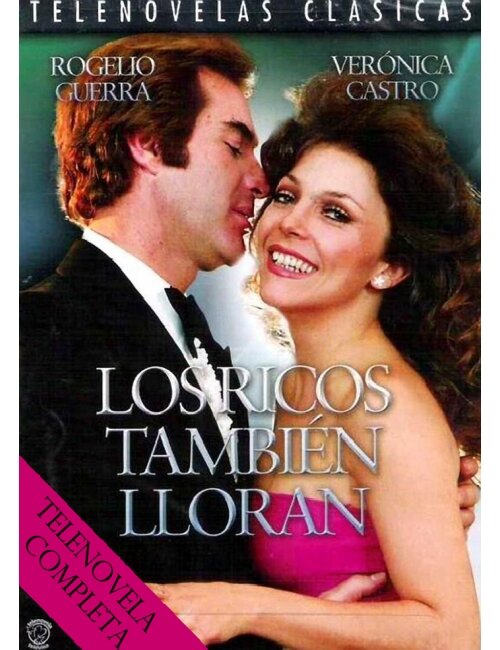
Los ricos también lloran1979
The international telenovela template: poor woman, rich man, family opposition, genuine love. It's beautifully made and the chemistry is real. If you want to understand why this form conquered the world, watch this.
But It's 40 years old and moves at the pace of 1979 television. Patience isn't optional—it's the condition of entry.
Scandal2012
Both are built on the architecture of concealment and revelation. Characters know things the audience doesn't; the audience knows things the characters don't. But where El privilegio de amar uses this for emotional reunion and redemption, Scandal uses it for political and personal leverage.
An American drama that borrows the telenovela's addiction to secrets, reversals, and the pleasure of watching someone juggle catastrophes. Shonda Rhimes studied soap opera structure and applied it to political thriller DNA. Propulsive, overheated, impossible to stop watching.
But It's American network television—glossier and more cynical than a traditional telenovela, with less interest in moral redemption and more in pure survival and power.

Portrait of a Lady on Fire2019
Both explore the tension between forbidden desire and social obligation, between what the heart wants and what duty demands. But where El privilegio de amar resolves toward reunion and truth-telling, Portrait of a Lady on Fire suggests some loves can only exist in memory and art. It's the inverse emotional destination—not redemption but loss accepted.
A French period film about two women—a painter and her subject—falling in love while the subject is promised to another. It's visually exquisite, emotionally precise, and builds to a devastating final act about the impossible choice between love and duty. Nothing is explained. Everything is felt.
But It's a quiet, slow film in a different language with no plot twists or reveals—the entire drama is internal and visual. If you need action and discovery, this will feel glacial.

Recommended by
Marimar, Corazón Salvaje, Mi Destino Eres Tu, Alma de hierro