
Film
The Music Lovers
Ken Russell's garish, visceral portrait of Tchaikovsky's torment: a composer caught between his sexuality and social expectation, channeling personal anguish into immortal music. Glenda Jackson is magnificent as his unravelling wife. Operatic in scale, it's less biography than fever dream—gorgeous, hysterical, sometimes ridiculous, always alive.
Should you watch it?
Watch it if you love operatic excess, a director who lets images run riot, and a biopic that treats its subject's inner turmoil as a feverish spectacle rather than a tidy lesson.
Skip it if you want a restrained, measured portrait; this one is loud, garish and often hysterical in tone, and its nearly two-hour run can feel like a long, sustained shriek.
What it asks of you: Its 123 minutes move in restless, overheated bursts, with dense imagery and abrupt swings from grandeur to bleakness that reward your full attention.
Not sure? Find tonight's pick in a minute.
If you liked this
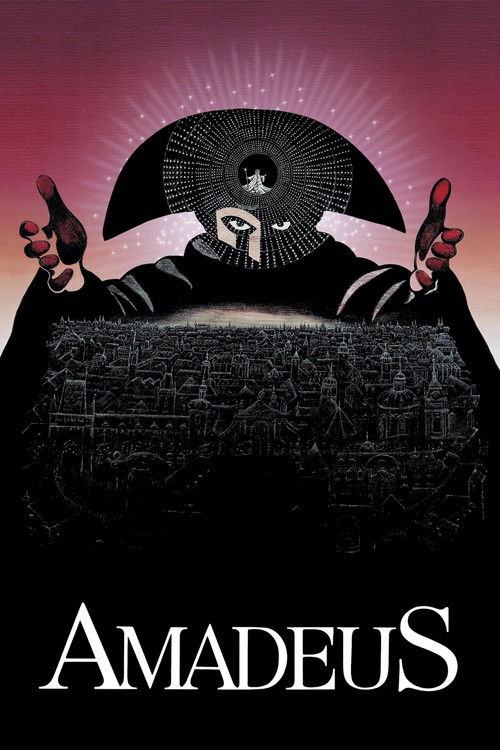
Amadeus1984
Milos Forman's masterpiece about Mozart navigating genius, jealousy, and faith. Like Russell's film, it transforms a composer's life into theatre—grand, passionate, and urgently about the cost of greatness.
But Three and a half hours, and its theatrical drama can feel overwrought to viewers wanting historical accuracy rather than emotional truth.
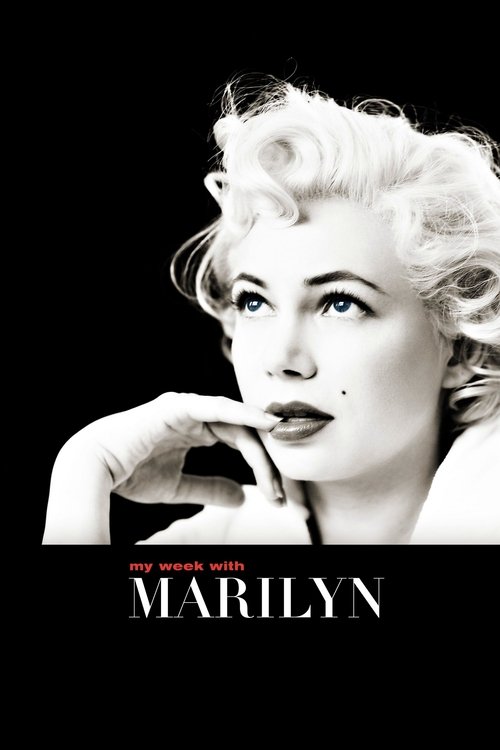
My Week with Marilyn2011
Another portrait of an icon behind closed doors, examining the gap between public persona and private suffering. Michelle Williams gives a quietly devastating performance as a woman no one really understood.
But Gentler and more reverential than Russell; if you want baroque intensity and visual excess, this restraint may frustrate.
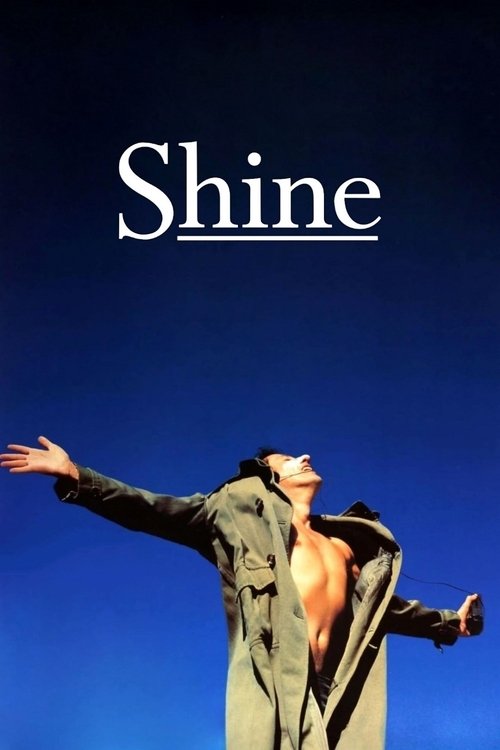
Shine1996
Geoffrey Rush's David Helfgott—pianist driven to madness by perfectionism and an abusive father. Like Tchaikovsky, brilliance and mental collapse are two faces of the same coin.
But Melodramatic at points, and the final redemption arc feels neater than real recovery ever is.
Not sure tonight? Get a pick in a minute, starting from The Music Lovers
The wildcard
Something you would not have found on your own.
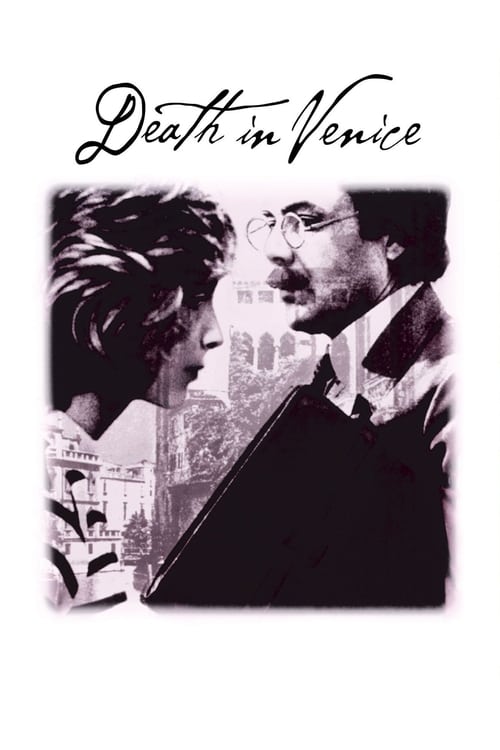
Death in Venice1971
Both films released simultaneously, both interrogate the relationship between artistic genius and erotic/emotional self-destruction, both centre on male desire in societies that criminalize it.
Luchino Visconti's adaptation of Thomas Mann—another aging artist consumed by forbidden desire, pursued by beauty he knows will destroy him. Released the same year as Russell's film, it's the elegant European answer to The Music Lovers' baroque excess. Same psychological terror, different vocabulary.
But Glacially slow and visually dense; homosexuality is conveyed through atmosphere rather than plot, which demands patience and interpretive generosity.
More like this (8)
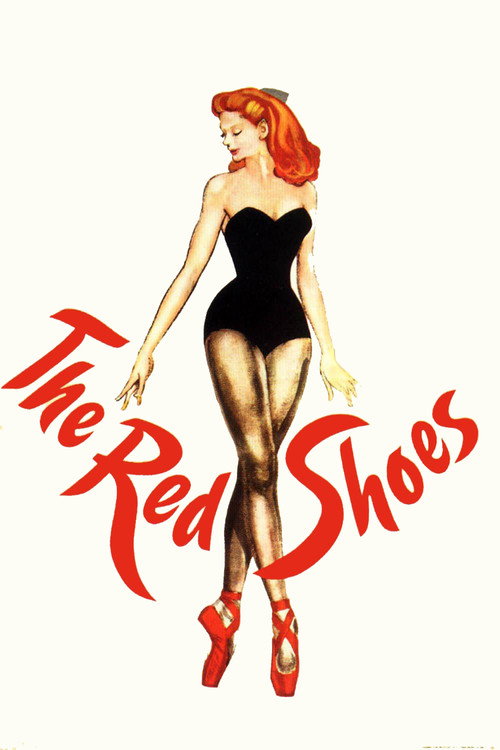
The Red Shoes1948
Powell and Pressburger's ballet film captures obsession and the terrible choice between love and art. Visually rapturous, structurally daring, it understands why an artist might destroy themselves for their work.
But The plot is thin; it's really an excuse for spectacle. If narrative matters more than atmosphere and design, you'll feel stranded.
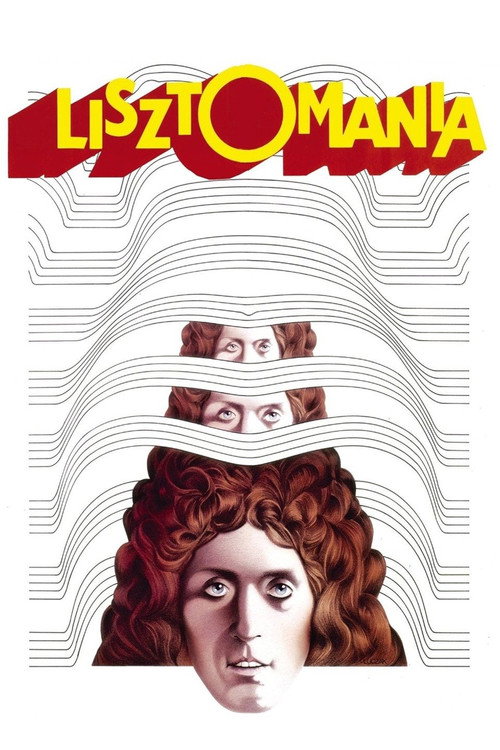
Lisztomania1975
Ken Russell directed this too—his electric, outrageous fever dream about composer Franz Liszt. If you loved The Music Lovers' excess and visual madness, this is Russell unleashed even further, with Roger Daltrey as the world's first rock star.
But It's a parody. Russell's earlier restraint is completely gone. Some will find it liberating; others will find it exhausting.
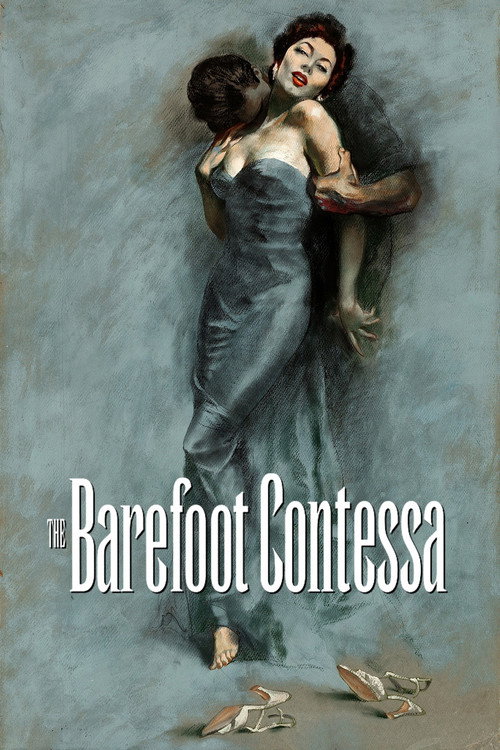
The Barefoot Contessa1954
Ava Gardner as a woman destroyed by the men around her, each claiming to own her. It's a tragedy dressed as a Hollywood melodrama, with real venom beneath the gloss.
But Dated in its gender politics and pacing. The film moves like a 1950s society function—elegant but slow.
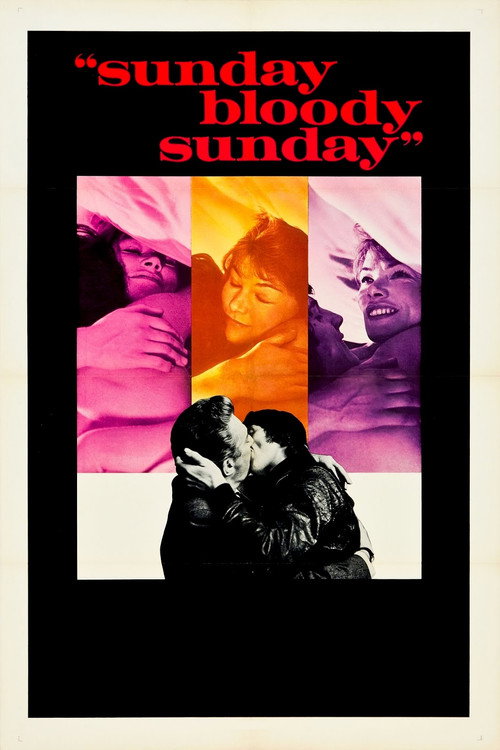
Sunday Bloody Sunday1971
Released the same year as The Music Lovers, John Schlesinger's film confronts homosexuality with intelligence and dignity. Two people loving one man they can't keep. It's quiet where Russell is baroque, but equally honest.
But Measured and restrained; if you come from The Music Lovers expecting visual pyrotechnics, this will feel like watching paint dry.
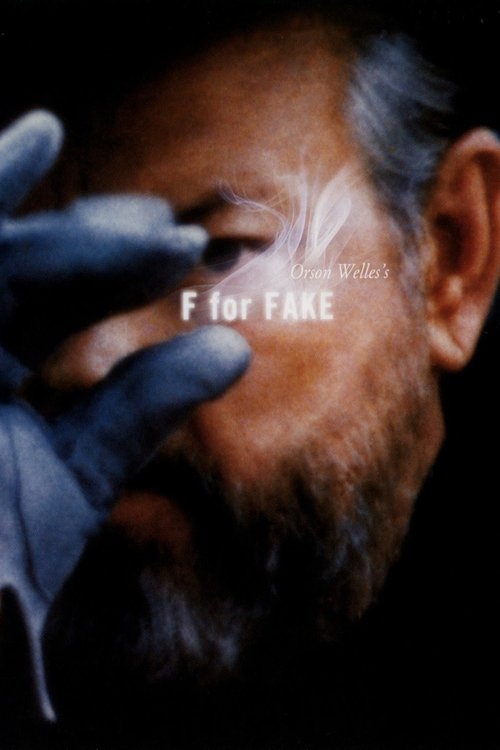
F for Fake1973
Orson Welles' essay film about art, fraud, and authenticity. Like Russell, Welles believes cinema should dazzle and provoke, not politely observe. Both men make you feel the artist's inner turbulence.
But Experimental and fragmented; it's closer to a manifesto than narrative cinema. You have to surrender to its logic or it collapses.
Under the Skin2014
Glazer's haunting, abstract meditation on beauty, desire, and alienation. Where Russell is ornate, Glazer is sparse, but both films treat the unseen inner life as more real than the outer.
But Glacial and oblique. If you need plot and dialogue to anchor you, this will feel like drowning in slow motion.

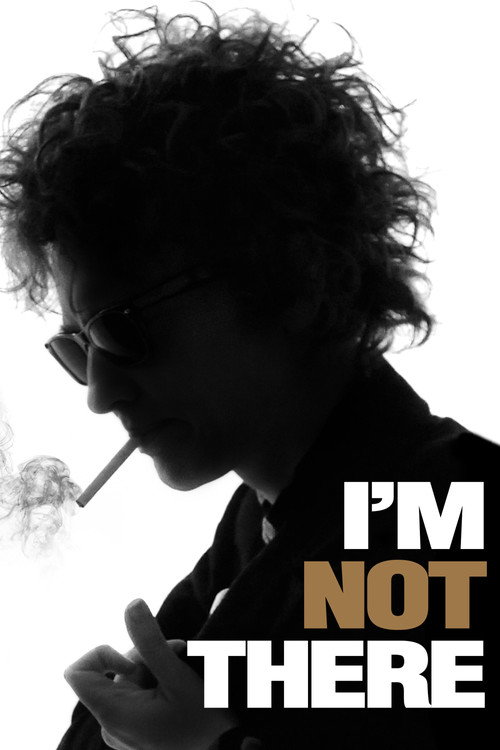
I'm Not There2007
Both films reject biographical convention entirely, using visual excess and fragmentation to capture the internal life of an artist who resists being pinned down or understood.
Todd Haynes' radical biography of Bob Dylan told through six actors and multiple genres—documentary, musical, western, noir. Like Russell, Haynes refuses the plodding chronology of conventional biography, fragmenting a life into emotional states and artistic moments. It's cinema as prism rather than mirror.
But Demands you meet it halfway; if you want straightforward narrative about Dylan's life, this prioritizes art and intuition over fact. Frustrating if you need answers.
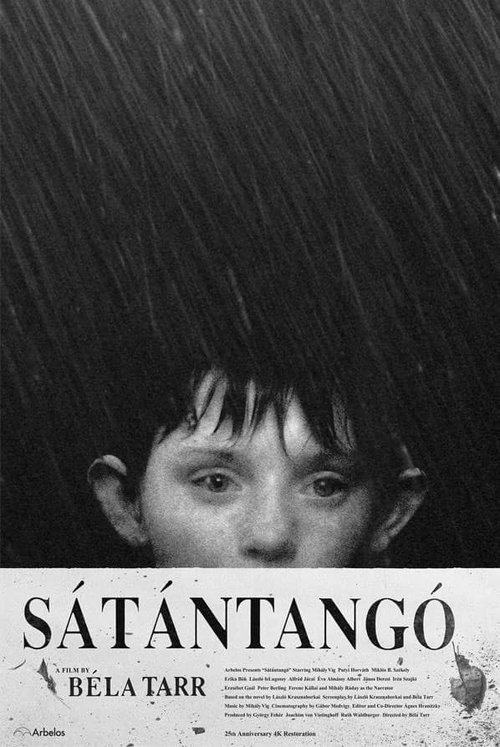
Satantango1994
Both centre obsessively on characters' inner collapse made visible through cinema—Russell through colour and frenzy, Tarr through monochrome and time. Both believe the camera can show us the texture of suffering itself.
Béla Tarr's seven-and-a-half-hour Hungarian masterpiece: characters trapped in a collective fantasy, losing themselves in ritual and hope and dissolution. Like Russell's Tchaikovsky, it's about how desire and suffering can consume entire lives. But where Russell is operatic, Tarr is apocalyptic—grey, patient, hypnotic. A film that doesn't end so much as exhaust you.
But Extremely long, entirely in black and white, almost dialogue-free, deliberately paced to test your endurance. This is a commitment, not an evening's entertainment.
People
Cast
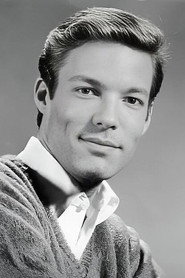 Richard ChamberlainPyotr Ilyich Tchaikovsky
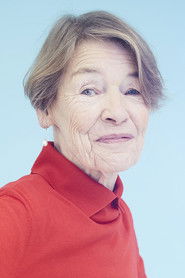 Glenda JacksonAntonina 'Nina' Milyukova
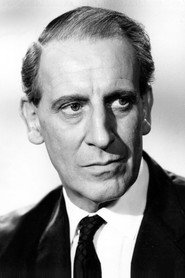 Max AdrianNicholas Rubinstein
- Christopher GableCount Anton Chiluvsky
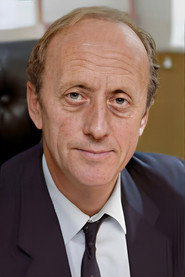 Kenneth ColleyModeste Tchaikovsky
- Izabella TelezynskaMadame Nadedja von Meck
- Maureen PryorMrs. Milyukova
- Sabina MaydelleSasha Tchaikovsky
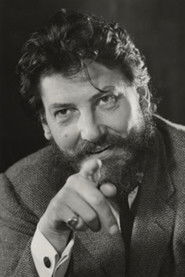 Andrew FauldsDavidov
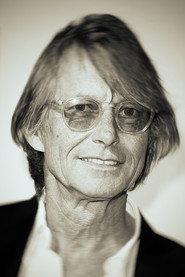 Bruce RobinsonAlexei Sofronov
- Ben ArisYoung Lieutenant
- Xavier RussellKoyola
Directing
- Ken RussellDirector
Writing
- Barbara von MeckNovel
- Catherine Drinker BowenNovel
- Melvyn BraggScreenplay
Production
- Roy BairdExecutive Producer
- Ken RussellProducer