
Film
Sleeping Beauty
Other titles called Sleeping Beauty: the 1959 film.
Julia Leigh's fever-dream debut is a provocative reimagining of the fairytale as contemporary erotica. Emily Browning plays Lucy, a broke student who enters a shadowy world of high-paid sleep—drugged into unconsciousness while wealthy strangers enact fantasies around her inert body. It's visually hypnotic and morally unsettling, designed to provoke rather than comfort. Not for everyone, but unforgettable for those it reaches.
Should you watch it?
Watch it if you like cool, unhurried films that trade plot for mood and let a lot go unsaid, and you don't mind being made uncomfortable by what the camera refuses to look away from.
Skip it if you want a story that moves briskly toward something, since this is mostly stillness, long silences and sex scenes that feel more like a mood than a plot.
What it asks of you: roughly a hundred and two minutes of deliberate pacing, with long held shots and sparse dialogue, so it rewards stillness and gives little back in plain explanation.
Not sure? Find tonight's pick in a minute.
If you liked this
Mulholland Drive2001
David Lynch's masterpiece about ambition and desire in LA, fractured and hallucinatory. Like Sleeping Beauty, it uses beauty and eroticism as tools to unsettle rather than titillate, building dread beneath glossy surfaces.
But Three and a half hours of dreamlike abstraction where nothing resolves cleanly. The narrative deliberately resists interpretation, which frustrates viewers wanting answers.

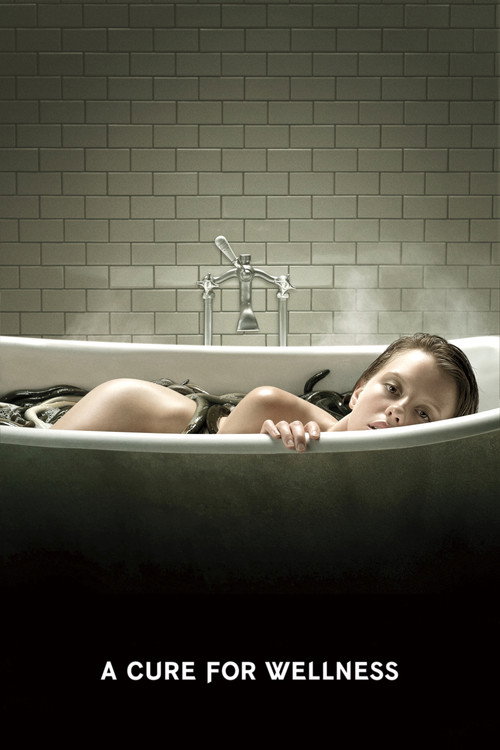
A Cure for Wellness2017
Gore Verbinski crafts a Gothic thriller about a man drawn into a mysterious wellness spa's secrets. It shares Sleeping Beauty's claustrophobic unease, lush cinematography, and the horror of bodies rendered helpless and exploited.
But Becomes increasingly surreal and genre-confused in the third act. At 146 minutes, it occasionally feels padded, testing patience with its own excess.
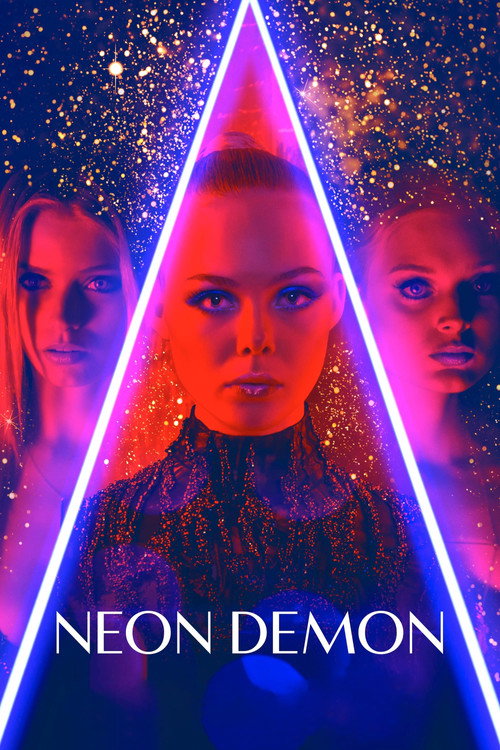
The Neon Demon2016
Nicolas Winding Refn's fever-nightmare about a teenage model entering LA's predatory beauty industry. Like Sleeping Beauty, it's about young female bodies as commodities, rendered in stunning but sickening visuals that implicate the viewer's gaze.
But Deliberately artificial and glacial. If you want plot momentum or character warmth, this austere, synth-scored provocation will feel like torture.
Not sure tonight? Get a pick in a minute, starting from Sleeping Beauty
The wildcard
Something you would not have found on your own.
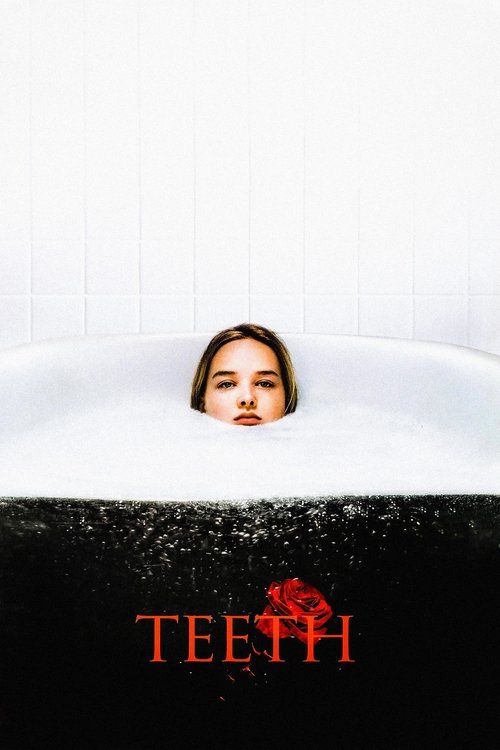
Teeth2008
Both anatomize the eroticization and violation of female bodies, but Teeth flips Sleeping Beauty's passive horror into violent agency—it's what happens when the objectified body refuses the role.
Mitchell Lichtenstein's body-horror cult film about a high school girl whose vagina has literal teeth—weaponizing female sexuality against male predation. Like Sleeping Beauty, it's transgressive cinema about bodies, desire, and exploitation, but inverts the power structure entirely: here, the young woman's body becomes lethal defense.
But Visceral, grotesque, and pitched as pitch-black comedy. The graphic gore and castration imagery will alienate viewers wanting sophisticated or delicate art cinema.
More like this (8)
Under the Skin2014
Jonathan Glazel's science-fiction nightmare with Scarlett Johansson as an alien seductress. Both films use beauty and desire as camouflage for exploitation, creating profound discomfort through elegant, deliberate cinematography.
But Minimal dialogue, glacial pacing, abstract horror. Some scenes feel interminably slow if you're expecting conventional sci-fi thrills.

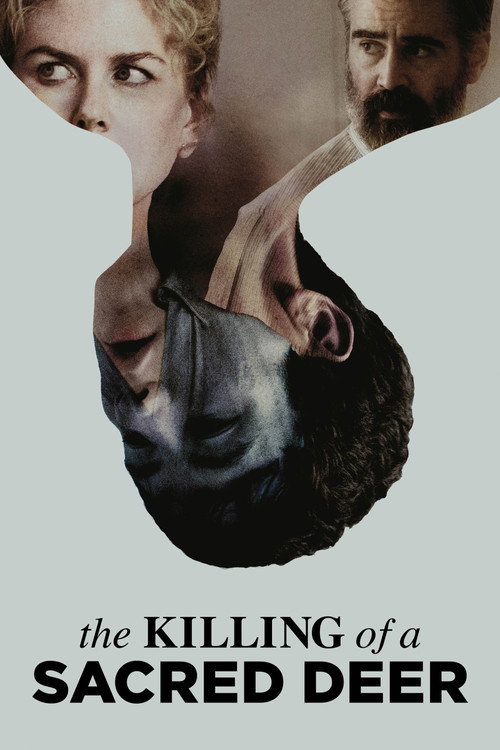
The Killing of a Sacred Deer2017
Yorgos Lanthimos creates clinical, ritualistic dread as a surgeon's family becomes trapped in a stranger's logic. Both works are icily composed examinations of power, vulnerability, and bodies as objects in systems beyond individual control.
But The dialogue is stilted and the tone relentlessly bleak. Its puzzlelike structure leaves moral resolution deliberately inaccessible, which some find intellectually cold rather than affecting.
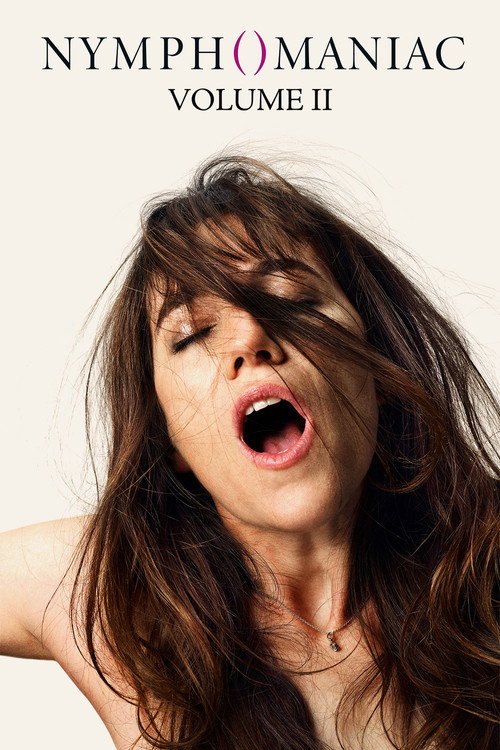
Nymphomaniac: Vol. II2013
Lars von Trier's explicit, unflinching eight-hour epic (or four-hour cut) about female sexuality, shame, and self-destruction. Like Sleeping Beauty, it refuses to sentimentalize desire or female bodies, instead examining them with anthropological intensity.
But Genuinely graphic sexual content and images of violence against women. Von Trier's provocation can feel unearned, and the film's length requires serious commitment from viewers.
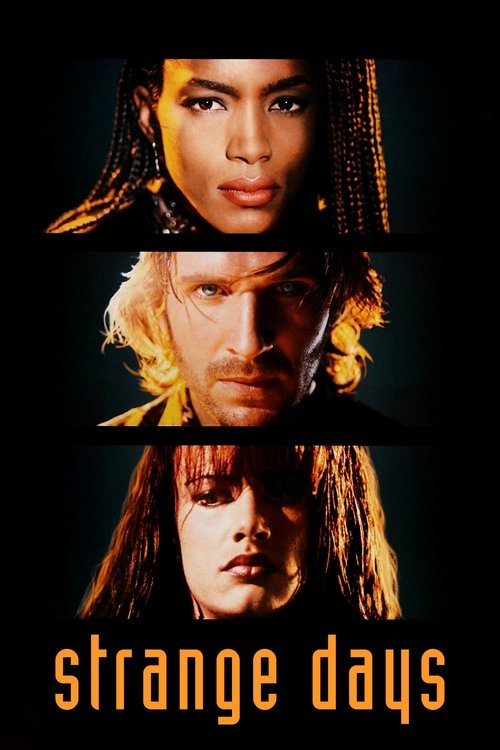
Strange Days1995
Kathryn Bigelow's cyberpunk thriller about virtual-reality recordings of other people's experiences, including intimate ones. It shares Sleeping Beauty's horror of bodies rendered passive for others' consumption and fantasies.
But The '90s aesthetic and techno-speak feel dated. Ralph Fiennes' character borders on insufferable, making the film's moral center harder to locate.
Suspiria1977
Dario Argento's masterwork of pure nightmare: a ballet student enters a school concealing supernatural evil. Both films use stunning, dreamlike imagery and focus on young women vulnerable within controlled, beautiful spaces designed to trap them.
But The plot is minimal and deliberately withholding. If you need coherent storytelling or psychological realism, this lurid giallo will feel like style without substance.

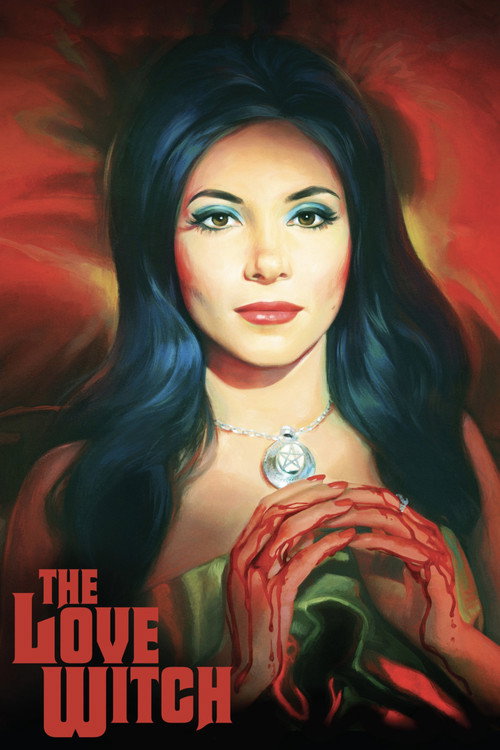
The Love Witch2016
Anna Biller's meticulously crafted '60s pastiche about a woman using seduction and witchcraft to ensnare men. Both films are visually obsessive, using beauty as a weapon, though this one subverts the power dynamic and adds dark comedy.
But The satire can feel heavy-handed, and the retro aesthetic—while gorgeous—might read as precious or insufficiently critical of the toxicity it's depicting.
Possession1981
Both are European art films that treat desire and the body as sources of existential dread rather than pleasure, using extreme formalism and emotional intensity over narrative clarity.
Andrzej Żuławski's apocalyptic Polish masterpiece: a collapsing marriage descends into metaphysical nightmare. Isabelle Adjani gives a ferociously unhinged performance. Like Sleeping Beauty, it's visually baroque, erotically charged, and deeply concerned with the body as a site of horror and desire colliding.
But Deliberately incomprehensible. The final act abandons plot altogether; it's an endurance test disguised as cinema, with dated SFX that some find unintentionally comic.

Jeanne Dielman, 23, quai du Commerce, 1080 Bruxelles1976
Both are rigorous, anti-erotic examinations of female bodies as economic objects, but where Sleeping Beauty dreams, Akerman documents—the artistic register couldn't be further apart, yet the moral question is identical.
Chantal Akerman's three-hour feminist essay-film: a housewife's daily routine of cooking, cleaning, and sex work rendered in real time with no music or flourish. Like Sleeping Beauty, it examines female bodies and desire through long, unflinching observation, but this one strips away all fantasy to reveal the mundane horror of commodification.
But Radically boring by design. Three hours of a woman doing housework with minimal dialogue will test even patient viewers' commitment to experimental cinema.

People
Cast
 Emily BrowningLucy
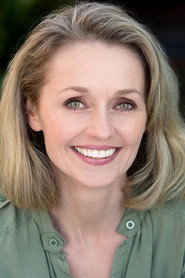 Rachael BlakeClara
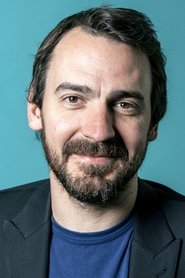 Ewen LeslieBirdmann
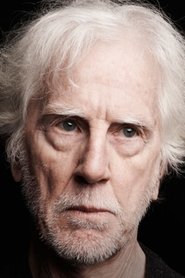 Peter CarrollMan 1
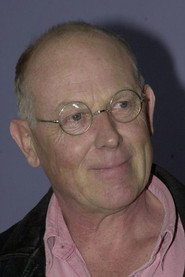 Chris HaywoodMan 2
 Hugh Keays-ByrneMan 3
 Tammy MacintoshWork Colleague
- Eden FalkThomas
 Mirrah FoulkesSophie
 Robin GoldsworthyFlatmate
 Sarah SnookFlatmate
 Michael DormanCook
Directing
- Julia LeighDirector
- Dimitri ElleringtonFirst Assistant Director
- Kristin VoumardScript Supervisor
- Emma JamvoldSecond Assistant Director
- Breeze CallahanThird Assistant Director
Writing
- Julia LeighWriter
Production
- Sasha BurrowsAssociate Producer
- Nikki BarrettCasting
- Alan CardyExecutive Producer
- Jamie HiltonExecutive Producer
- Timothy WhiteExecutive Producer
- Michelle RussellLine Producer
- Anthony MaranoLocation Manager
- Louise McNichollLocation Manager
- Jessica BrentnallProducer
- Cassandra SimpsonProduction Coordinator
- Tic CarrollUnit Manager