
Film
The Nutcracker
A Soviet animated adaptation of Tchaikovsky's ballet, rendered in delicate watercolour with a sense of dreamy intimacy. The Nutcracker comes alive as a prince in an enchanted kingdom, and a young girl journeys through a transformed world of dancing sweets and exotic creatures. It's contemplative and magical rather than bombastic—closer to a lullaby than a spectacle.
If you liked this
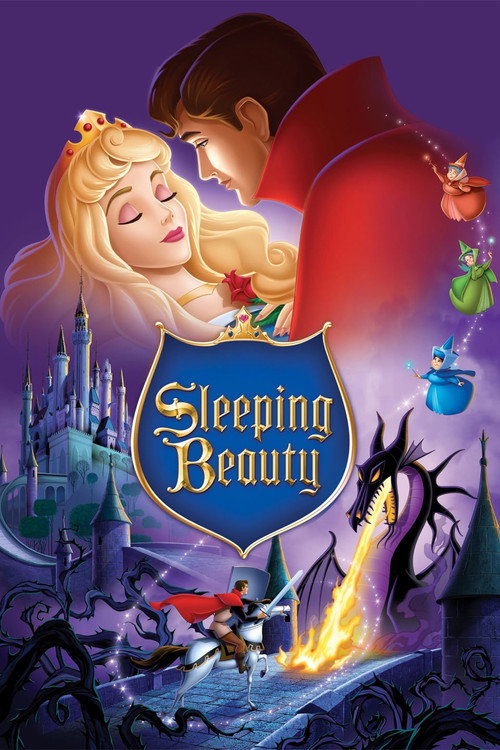
Sleeping Beauty1959
Disney's most sumptuous animation, with a fairy tale logic that unfolds like a dream. The colour palette and movement have the same hypnotic quality as this Nutcracker.
But The pacing is deliberate and occasionally slow; modern viewers accustomed to snappier cuts may find it meandering.
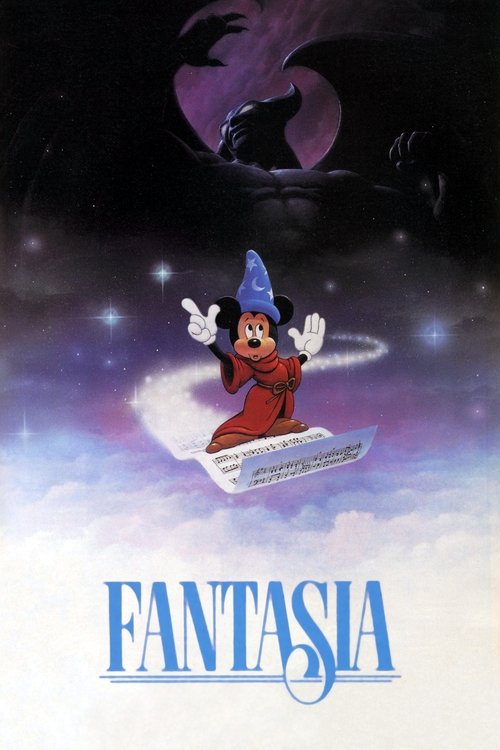
Fantasia1940
Another marriage of classical music and animation that trusts the audience to sit with beauty. Abstract sequences alongside narrative ones create that same sense of wonder and transformation.
But Some segments feel dated, and the film's length and structure can feel experimental in ways that test patience.
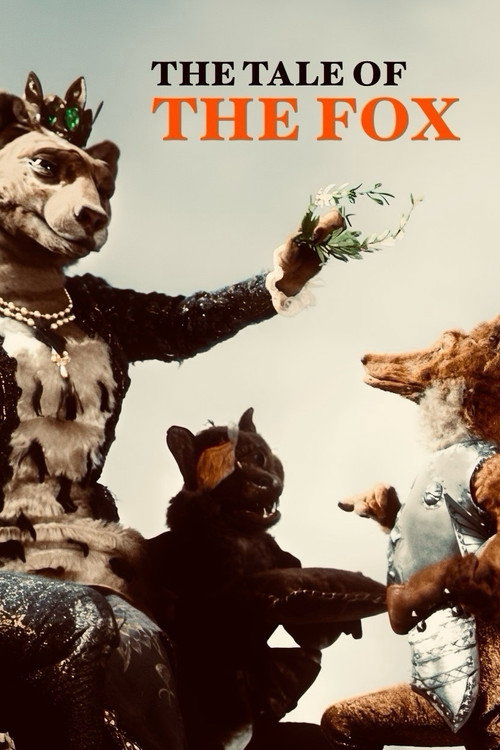
The Tale of the Fox1941
A Russian stop-motion fable with intricate detail and a storybook quality. The craftsmanship and patient storytelling echo the same European sensibility as this Nutcracker adaptation.
But Stop-motion can feel jerky and archaic to those expecting smooth animation; the pacing is leisurely.
Not sure tonight? Get a pick in a minute, starting from The Nutcracker
The wildcard
Something you would not have found on your own.
Meshes of the Afternoon1943
Both use film to visualize the interior logic of dreams rather than literal action. Both trust the viewer to feel meaning without being told what to feel.
Maya Deren's experimental short is pure dream logic: a woman encounters fractured versions of herself in a domestic space, with haunting repetition and no narrative explanation. It's the spiritual opposite approach to Nutcracker's narrative, but the same fascination with enchantment and transformation.
But It's avant-garde and abstract; no plot, no dialogue, no comfort. It demands active interpretation and rewards it, but never explains itself.

More like this (7)
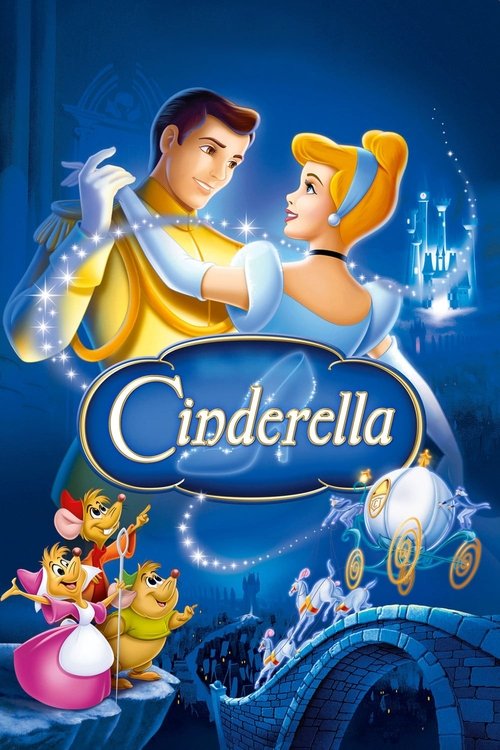
Cinderella1950
Disney's most elegant fairy tale, with animation that captures ballroom magic and transformation. The visual poetry of movement shares DNA with Soviet ballet animation.
But It's more straightforward than this Nutcracker; less dreamlike, more traditional in its storytelling beats.
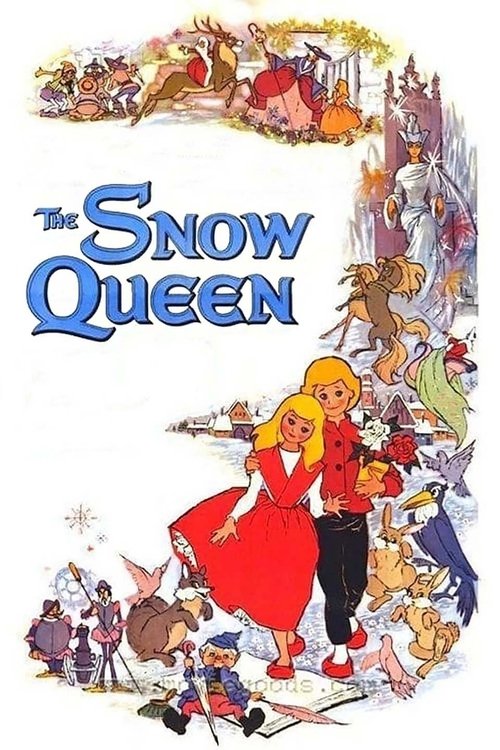
The Snow Queen1957
A Soviet animated fairy tale with lush colour and genuine emotional stakes. The wintry aesthetic and sense of enchantment will feel familiar and kindred.
But The animation style is distinctly mid-century Eastern European, which some find less polished than Western alternatives.
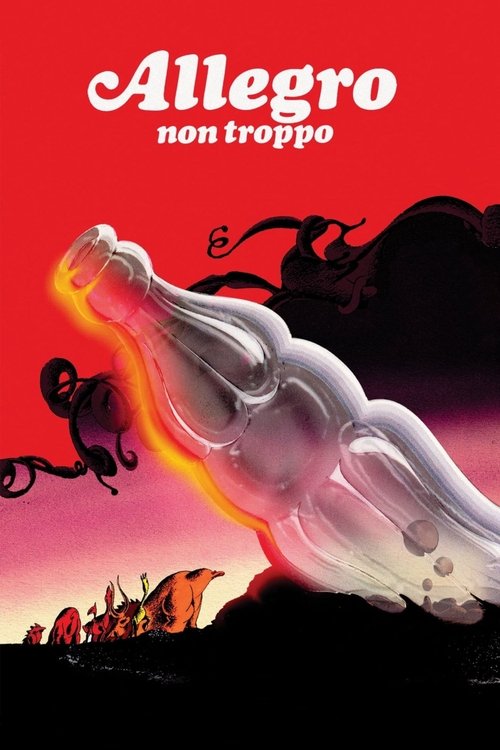
Allegro non troppo1976
An Italian animated response to Fantasia, pairing classical music with surreal, often darkly comic animation. Ambitious in scope and refreshingly weird about what music can visualize.
But The humour is absurdist and sometimes crude; the tone shifts dramatically, which can feel disjointed.
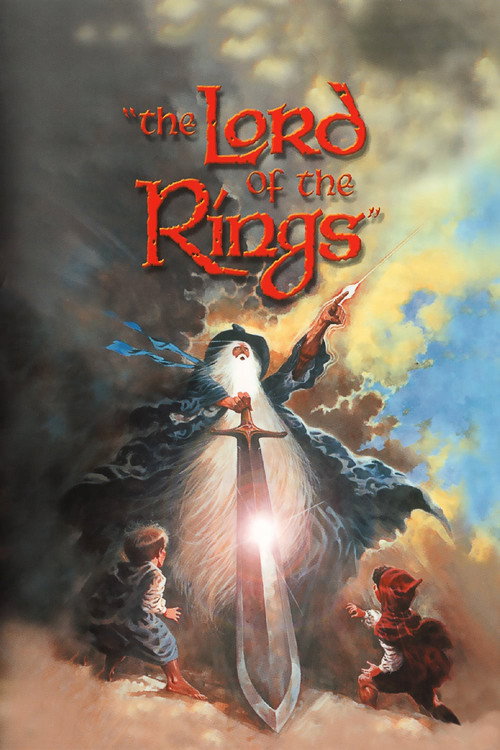
The Lord of the Rings1978
Bakshi's rotoscoped fantasy epic has a storybook atmosphere and genuine magic. The watercolour backgrounds carry the same intimate, painterly quality as this Nutcracker.
But The rotoscope technique looks flat to modern eyes; the film is incomplete, ending mid-story.
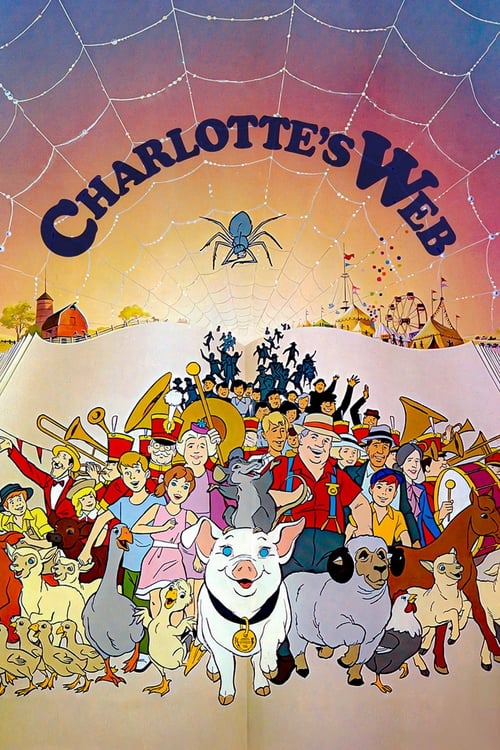
Charlotte's Web1973
A tender animated fable with Americana warmth and a classical score. The emotional restraint and beauty of the animation have that same quiet confidence in the audience's heart.
But It's gentler and more sentimental than this Nutcracker; some find it saccharine or dated in tone.
The Phantom Carriage1921
Both are about journeys through an enchanted realm that reflects the inner life of the protagonist. Both use visual transformation to express emotional truths.
A Swedish silent film ghost story shot in high-contrast black and white, with miraculous visual effects and a fairy-tale structure. The sense of an enchanted world operating by its own rules mirrors this Nutcracker's transformation of domestic space into wonder.
But It's nearly a century old, silent, and in black and white; the pacing is unhurried, the melodrama is earnest.

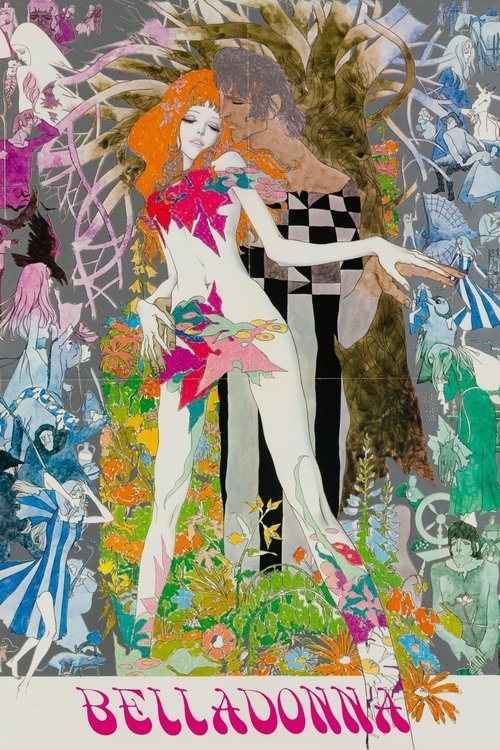
Belladonna of Sadness1973
Both are art-house animated adaptations from 1973 that use classical techniques and a fairy-tale frame to achieve something intimate and psychologically complex rather than commercially obvious.
A Japanese animated film from the same year, with a rotoscoped protagonist and watercolour backgrounds of staggering beauty and darkness. It's a fairy tale too, but one about corruption and loss rather than wonder—Nutcracker's shadow.
But It's sexually explicit, genuinely disturbing, and tragic. The animation style is experimental and challenging; it won't provide comfort.
People
Directing
- Zoya KredushinskayaAssistant Director
- Boris StepantsevDirector
Writing
- Boris LarinScreenplay
- Boris StepantsevScreenplay
- Raisa FrichinskayaScript Editor
- E. T. A. HoffmannStory
Production
- Lyubov ButyrinaExecutive Producer