
Film
The Tale of the Fox
A French stop-motion fable from 1941 about a scheming fox outwitting his way through an animal kingdom until the lion king demands justice. Gorgeously tactile, wickedly funny, and surprisingly dark—medieval cruelty dressed in fur and feathers. For anyone who loves moral tales with teeth and animation that rewards close watching.
If you liked this
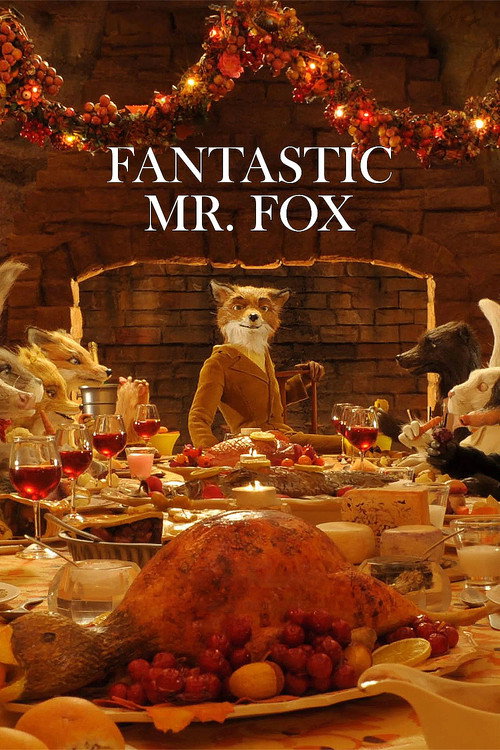
Fantastic Mr. Fox2009
Wes Anderson's love letter to trickster fables and Roald Dahl, with the same blend of clever heists, family loyalty, and whimsy. Stop-motion craftsmanship that makes every frame a painting.
But Anderson's whimsy can feel airless if you're not already in his register. Some find the stylisation exhausting rather than charming.
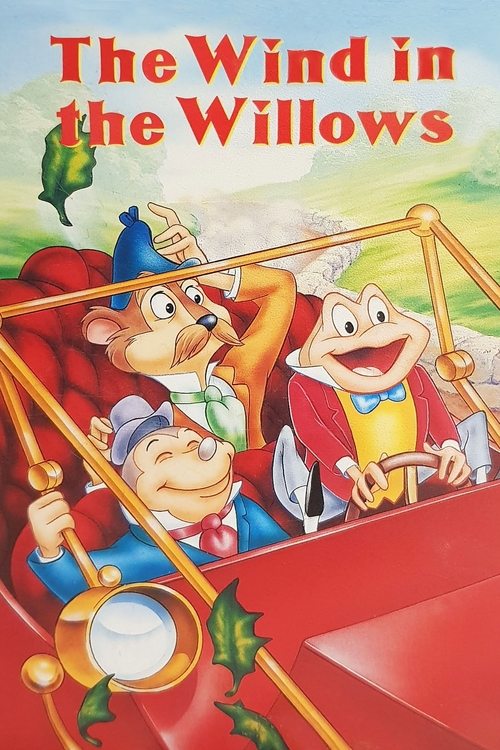
The Wind in the Willows1949
Another British animal fable from animation's golden age, with similar warmth and visual invention. Toad, Mole, and Ratty in a gently anarchic pastoral adventure that captures the appeal of being cleverly bad.
But It's gentler and cozier than The Tale of the Fox—less edge, more comfort. Pacing is deliberate; modern audiences sometimes find it slow.
Aesop's Fables1971
Early Disney animation of the classic moral tales: animals, cunning, consequences, and slapstick. The DNA of everything that came after. These shorts are charming precisely because they're so direct.
But Extremely short (five to ten minutes each) and crude by later standards. The morals can feel heavy-handed to modern eyes.
Not sure tonight? Get a pick in a minute, starting from The Tale of the Fox
The wildcard
Something you would not have found on your own.
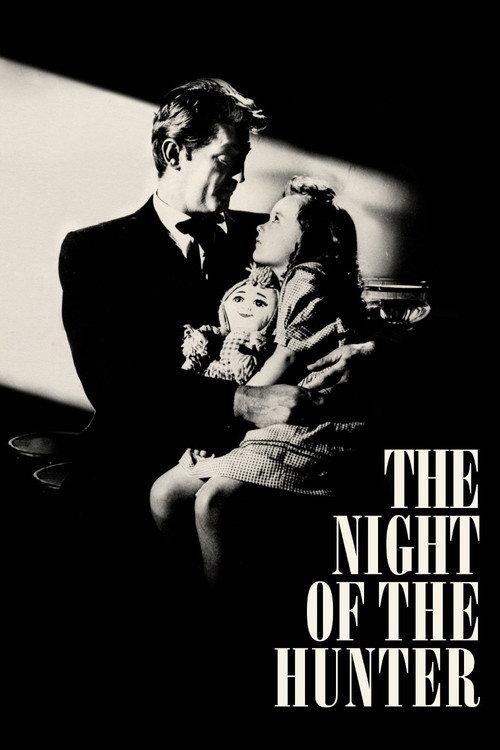
The Night of the Hunter1955
Both are moral fables about predators and innocence, but where The Tale of the Fox is clever and arch, this is primal and terrifying. Same essential story—the fox wins because he's smarter—told as horror instead of comedy.
Charles Laughton's only directorial effort is a fever dream of Southern Gothic horror. A preacher with LOVE tattooed on his knuckles hunts two children through a landscape straight from a nightmare. Visually baroque, morally vicious, and unforgettable.
But Black and white, deeply strange visual language, no comfort anywhere. The darkness is existential, not fantastical. Requires patience with ambiguity and discomfort.
More like this (8)
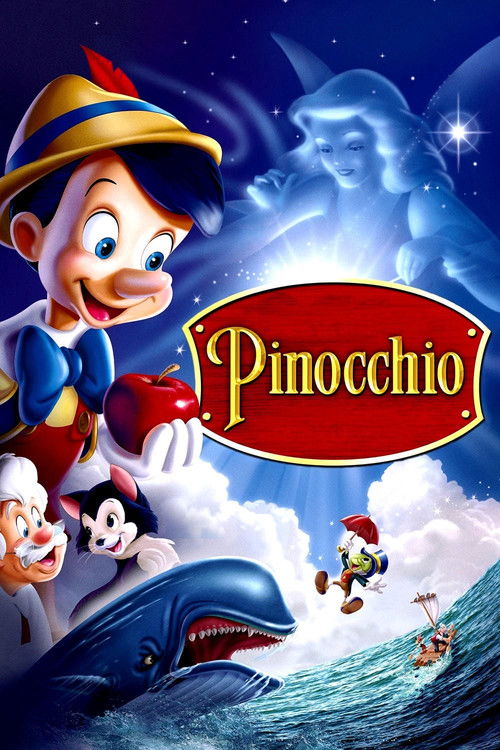
Pinocchio1940
A masterpiece of early animation with real darkness beneath the wonder. Morality tales where punishment is visceral and consequences are real. Animation so intricate it still astonishes.
But Genuinely frightening for some viewers. The Pleasure Island sequence and its aftermath are disturbing, not comfortable fare for young children.
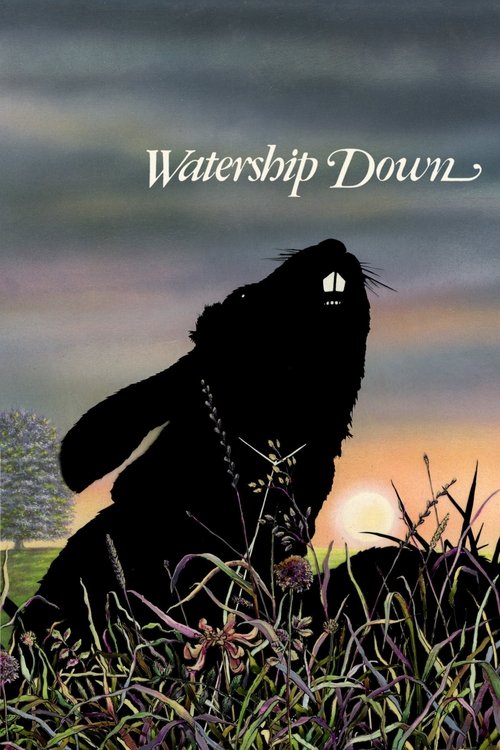
Watership Down1978
An animated epic with the moral weight of a fable and the narrative drive of an adventure. Animals as heroes, predators as villains, and genuine peril. Animation that feels painterly and lived-in.
But Violent and bleak in ways that surprise viewers expecting cute rabbits. Long for a children's film and narratively complex. Some find it dated visually.
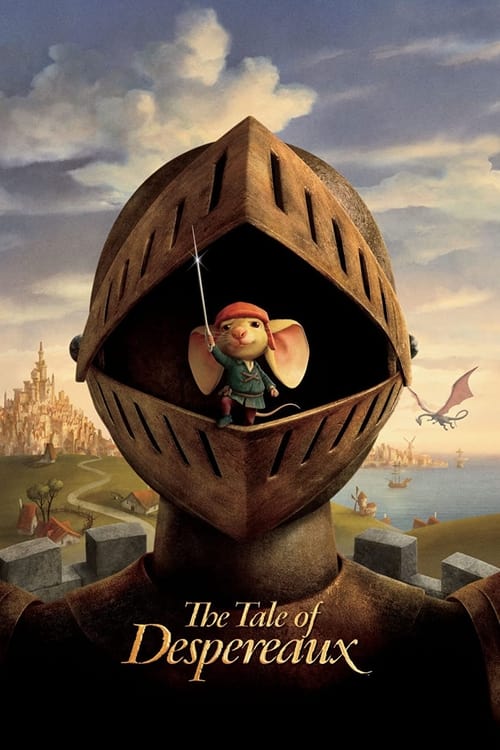
The Tale of Despereaux2008
A storybook fable about a mouse knight and a princess, with genuine heart and visual beauty. Medieval setting, moral complexity, and animation that honors classic illustration.
But Sweetness can feel cloying if you're looking for sharper wit. The villain is less developed than the heroes, making stakes feel uneven.
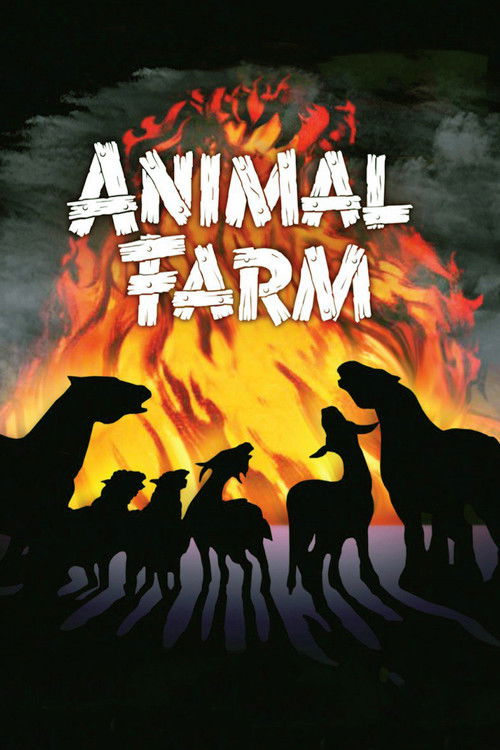
Animal Farm1954
A satirical animated allegory about power and corruption using farm animals. Dark, intelligent, and genuinely upsetting in the way great fables should be. Animation in service of real ideas.
But Soviet allegory feels historical rather than immediately resonant. Bleak ending will disappoint anyone seeking uplift or redemption.
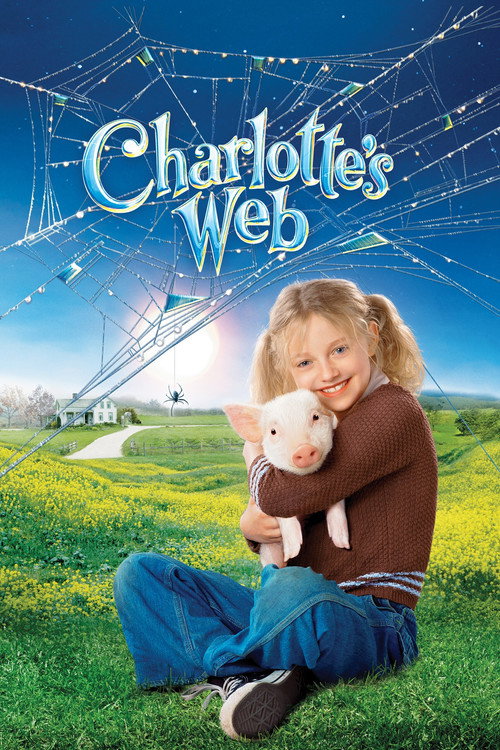
Charlotte's Web2006
E.B. White's fable about mortality, friendship, and legacy, animated with genuine tenderness. Animals with interior lives and philosophical weight. A meditation on loss disguised as a children's story.
But The ending is genuinely sad. If you need a story to end with everyone okay, this is not it. Animation style is gentle almost to the point of blandness.
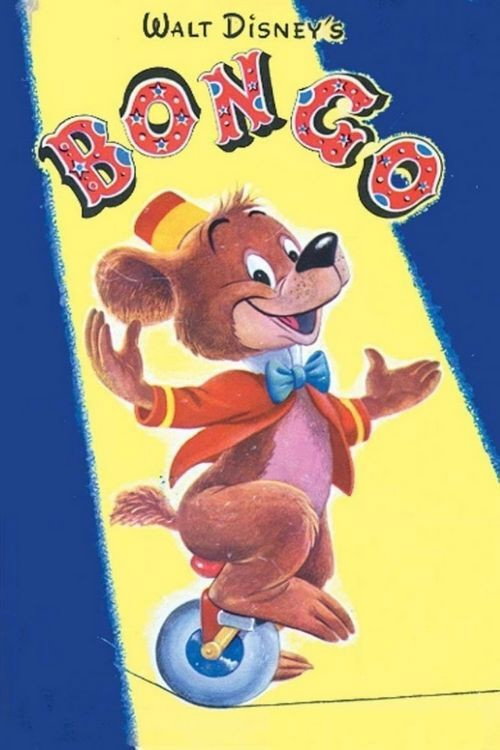
Bongo1947
An obscure Disney package feature about a circus bear learning to live wild, with slapstick charm and surprisingly complex emotions. Technically inventive and weirdly touching.
But Barely known for good reason—pacing is uneven and the second half loses momentum. Some sequences feel padded. Short enough that it's not a major investment, but you might not finish it twice.
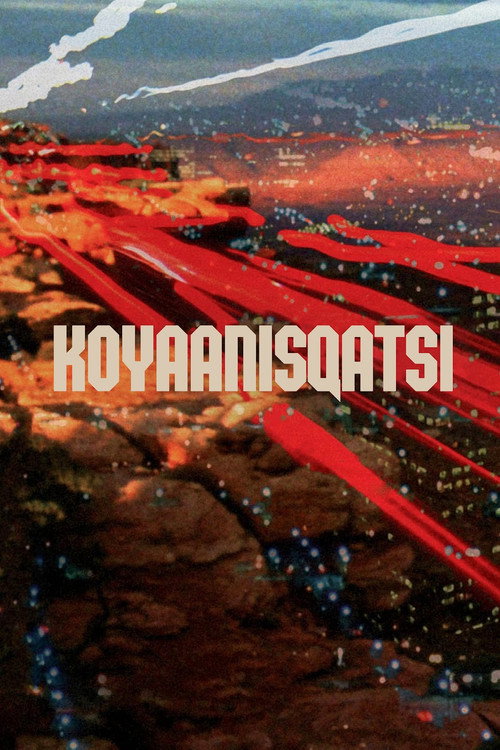
Koyaanisqatsi1983
Structurally a fable about order collapsing into chaos, told not through animal characters but through the behavior of systems and masses. Both are warnings dressed in formal language.
A non-narrative visual poem about civilization, decay, and systems spinning out of control. No dialogue, only Philip Glass's hypnotic score and imagery that moves from natural beauty to mechanical horror. Pure cinema.
But Demands you surrender to mood rather than plot. Some find it pretentious or tedious. No characters, no dialogue, no resolution—just watching and feeling.
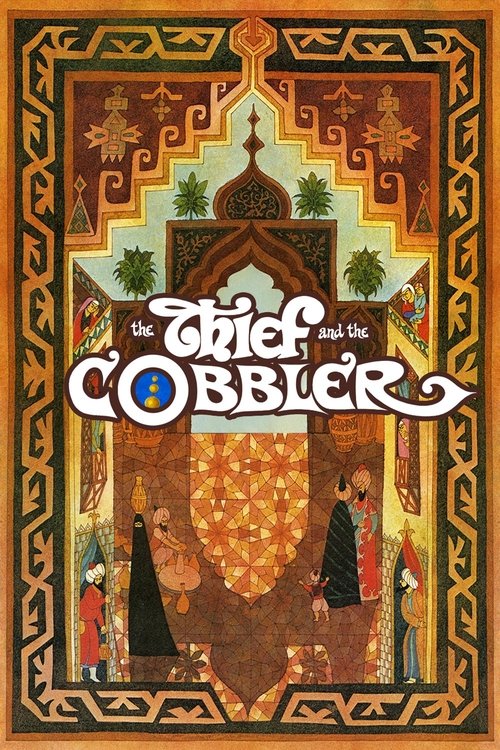
The Thief and the Cobbler1993
Both are wordless or nearly wordless tales of cleverness and outsmarting told through animation of extraordinary craft. Where The Tale of the Fox is tightly constructed fable, this is wild, baroque, almost dream-like in its formal ambition.
Richard Williams' unfinished masterpiece: a wordless animated adventure full of visual invention, slapstick, and detailed, intricate worlds. A thief and a humble cobbler navigate a magical city. Animation as pure spectacle, frame after frame astonishing.
But The film was heavily re-cut by producers; the 'recobbled cut' is the closest to Williams' vision but still fractured. No dialogue makes it feel distant. Length and pacing are unusual. It's a curiosity, not a conventional story.
People
Cast
- Sylvain ItkineWolf
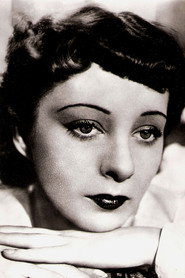 Sylvia BatailleRabbit
- Jaime PlamaCat (singing)
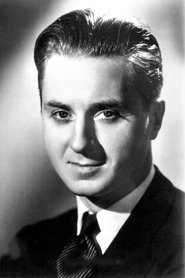 Claude DauphinMonkey
 Léon LariveBear
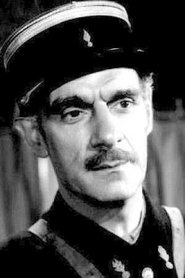
 Eddy DebrayBadger
- Suzy DomacFox Cub
- Robert SellerCock
- Marcel RaineSire Noble
Directing
- Irene StarewiczDirector
- Władysław StarewiczDirector
Writing
- Antoinette NordmannDialogue
- Jean NohainDialogue
- Johann Wolfgang von GoetheOriginal Story
- Irene StarewiczScreenplay
Production
- Louis NalpasProducer
- Roger RichebéProducer
Recommended by
The Nutcracker, The Tortoise and the Hare, The Dot and the Line: A Romance in Lower Mathematics, The Wacky World of Mother Goose