
Film
Animal Farm
- Political drama
- Very dark
This 1954 British animated adaptation of Orwell's novella is austere and serious—a stark Cold War fable about revolutionary idealism curdling into totalitarianism. It's unflinching about moral corruption and political betrayal, rendered in restrained animation that never softens the blow. For readers of the book seeking a visual translation, or anyone interested in how animation can carry weight.
Should you watch it?
Watch it if you love fables that wear their politics openly, where a simple, hand-drawn cartoon carries a sharp, sorrowful argument about power and how good intentions curdle.
Skip it if you want lush, lively animation or a light touch, since its drawings are plain and its mood stays bleak and didactic for most of its seventy-three minutes.
What it asks of you: A parable with its moral spelled out rather than hidden, and a brisk seventy-three minutes that leave little room to drift.
Not sure? Find tonight's pick in a minute.
If you liked this
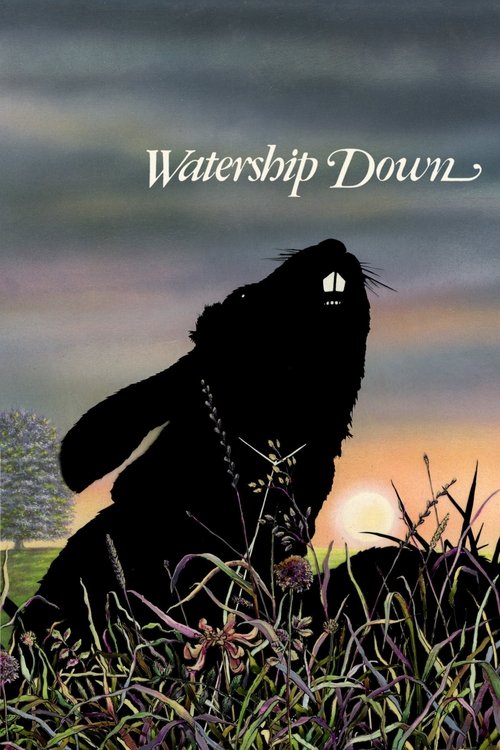
Watership Down1978
An animated film that refuses to be gentle. Rabbits fleeing their warren face starvation, predators, and existential dread. It has the same moral seriousness as Animal Farm and proves animation can be genuinely frightening.
But The pacing is slow and meditative rather than exciting. Some find the violence toward animals disturbing, and it's bleak without offering much comfort.
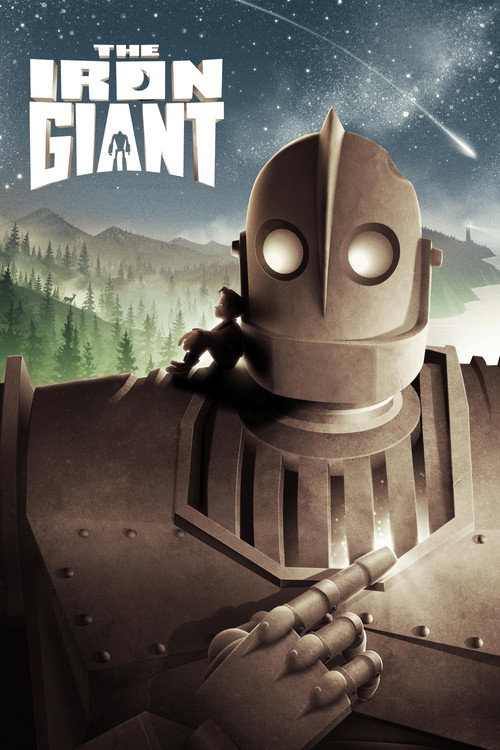
The Iron Giant1999
A Cold War parable about fear, propaganda, and choosing humanity over ideology. Like Animal Farm, it's fundamentally about how institutions corrupt noble impulses, wrapped in a story that moves and stuns.
But It's sentimental in ways Animal Farm deliberately avoids. The ending tilts toward hope, which some find saccharine after the setup.
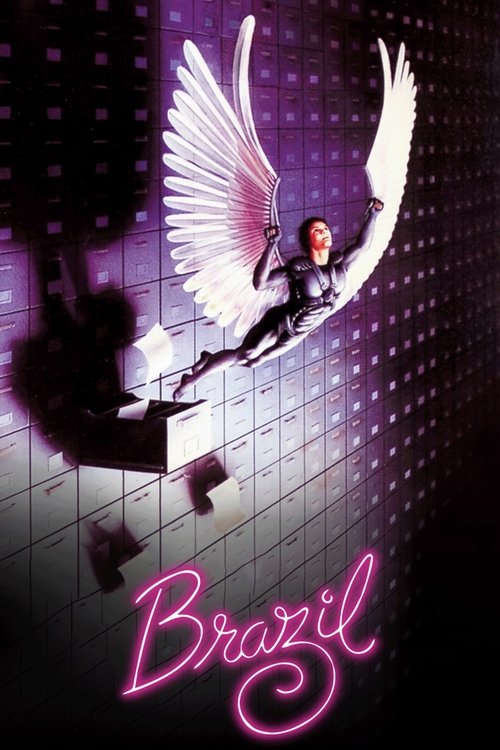
Brazil1985
Gilliam's dystopian masterpiece shares Animal Farm's rage at bureaucratic corruption and the betrayal of revolutionary dreams by those who seize power. Dense, visually overwhelming, and darkly funny about totalitarianism.
But The plot is deliberately confusing and the tone wildly shifts between comedy and horror. It demands active attention and doesn't reward passive watching.
Not sure tonight? Get a pick in a minute, starting from Animal Farm
The wildcard
Something you would not have found on your own.
Stalker1979
Both use allegory to examine whether human beings can be trusted with power, but Tarkovsky approaches it as metaphysics while Orwell treats it as political pragmatism.
Andrei Tarkovsky's meditative science-fiction film about a guide leading seekers to a mysterious room that grants wishes. It's a philosophical inquiry into desire, power, and whether ideals survive contact with reality—Animal Farm's deepest question, rendered as metaphysical poetry.
But It's 163 minutes of slow tracking shots and philosophical monologue. If you want plot momentum or visual spectacle, this will feel glacially boring.

More like this (6)
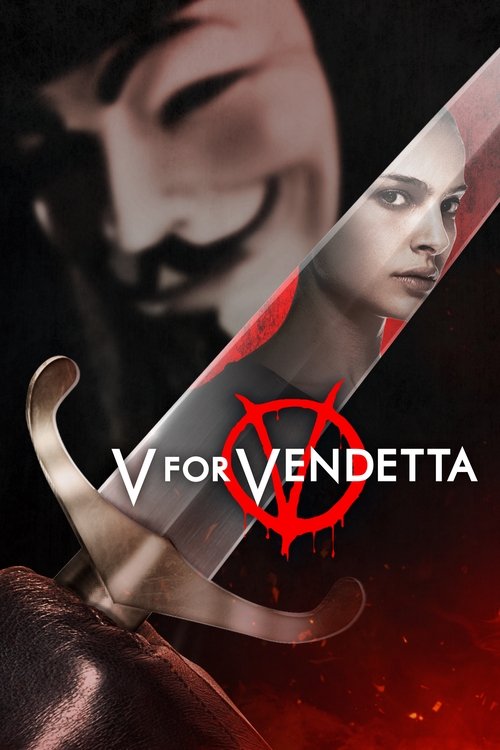
V for Vendetta2006
A graphic-novel adaptation about revolution eating itself, with an anonymous protagonist whose methods become as tyrannical as the system he opposes. It asks the same hard questions Animal Farm does.
But It's stylish in a way that can overshadow the ideas. Some find the anarchist politics tedious or the execution heavy-handed.
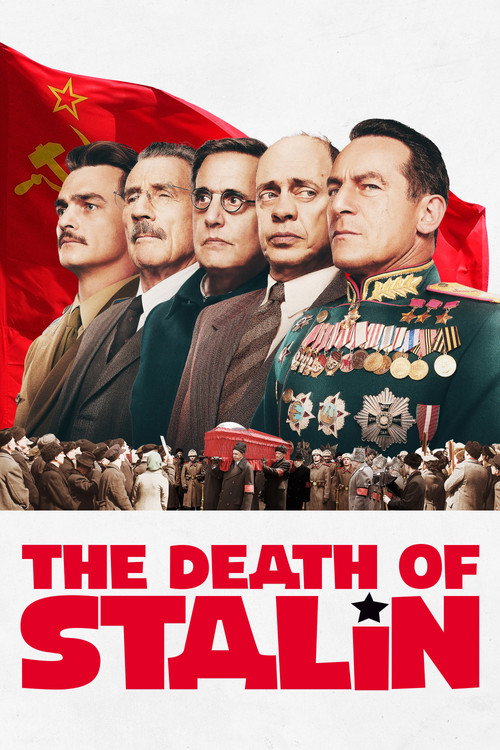
The Death of Stalin2017
Armando Iannucci's savage satire of post-Stalin Soviet power struggles. It captures the same mood: revolutionary ideals replaced by naked self-interest and the machinery of power grinding on indifferently.
But The rapid-fire dialogue and overlapping characters make it hard to follow. Its comedy is sometimes cringe-making, which won't suit everyone's appetite for satire.
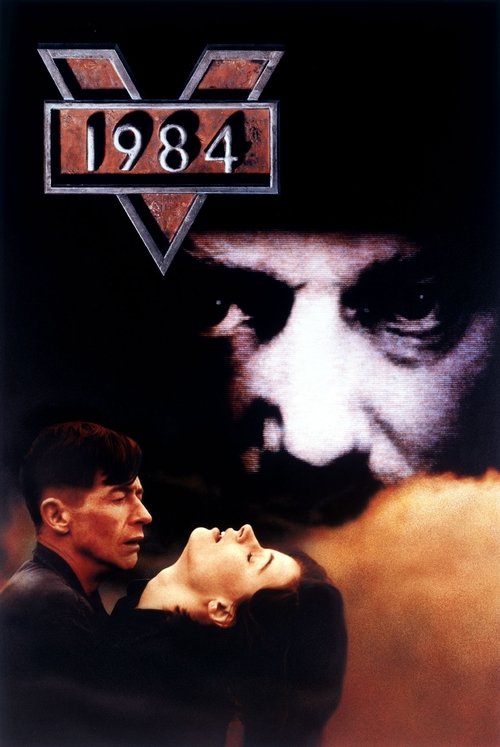
Nineteen Eighty-Four1984
John Hurt's adaptation of Orwell's other masterpiece about totalitarian control. Like Animal Farm, it's visually austere and refuses to look away from how power corrupts language and thought itself.
But It's relentlessly depressing with no reprieve. The torture sequences are genuinely hard to watch and the ending offers no catharsis whatsoever.
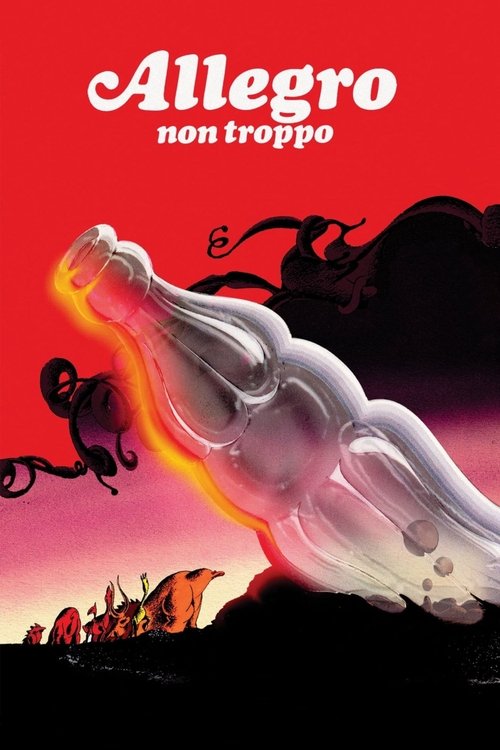
Allegro non troppo1976
Maurizio Nichetti's Italian animated feature pairs classical music with surreal visual stories. One sequence adapts a Hobbes tale about power and civilisation; like Animal Farm, it's animation used to convey philosophy, not comfort.
But It's a collection of shorts rather than a single narrative, so there's no throughline. Some sequences are brilliant; others feel self-indulgent or dated.
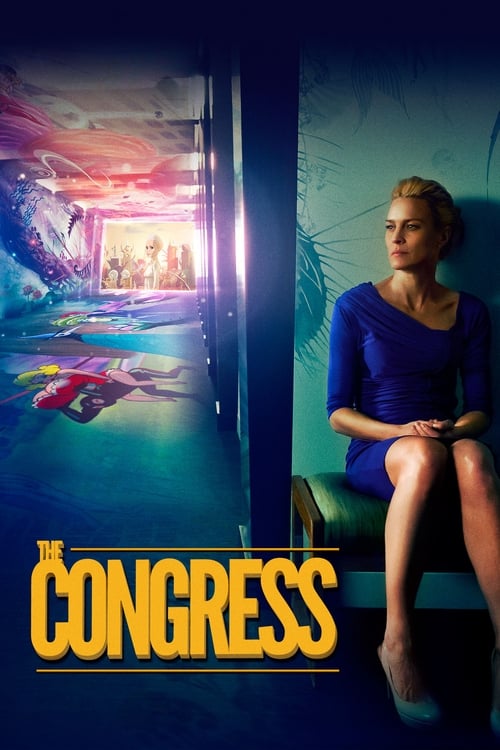
The Congress2013
Ari Folman's hybrid film about an aging actress drawn into a dystopian entertainment system. It shares Animal Farm's interest in how institutions seduce people with false promises then trap them.
But The second half abandons live action for dense animation that becomes difficult to parse. The philosophy overwhelms plot, and some find it pretentious or simply exhausting.
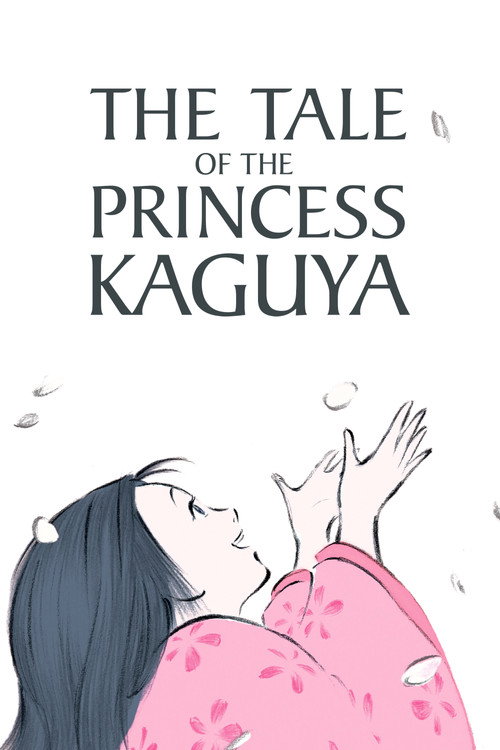
The Tale of The Princess Kaguya2013
Both are animated moral fables about how systems—whether political or social—corrupt and consume those caught within them, though this one finds grief rather than rage in that truth.
Isao Takahata's final film, a hand-drawn Japanese animation about a girl raised by peasants who becomes noble. It's a meditation on how institutions and hierarchies corrupt innocence and impose suffering, rendered in brushwork so beautiful it breaks your heart.
But There is virtually no plot. It's a series of scenes exploring mood and loss. If you need narrative propulsion, this will feel shapeless and slow.
People
Cast
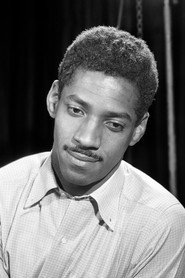 Gordon HeathNarrator (voice)
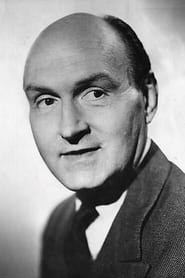 Maurice DenhamAll Animals (voice)
Directing
- John HalasDirector
- Joy BatchelorDirector
- Geoffrey MartinLayout
Writing
- George OrwellNovel
- Borden MaceScreenplay
- John HalasScreenplay
- Joseph Bryan IIIScreenplay
- Joy BatchelorScreenplay
- Lothar WolffScreenplay
- Philip StappScreenplay
- Laurence HeathWriter
Production
- John HalasProducer
- Joy BatchelorProducer
Recommended by
The Plague Dogs, Babe, Felidae, Barnyard, The Tale of the Fox