
Film
Nineteen Eighty-Four
This is Orwell adapted with punishing fidelity: grey, industrial, shot in the actual year it imagines, so the future looks like exhausted 1940s Britain rather than science fiction. John Hurt's hollowed-out Winston and Richard Burton's final, chilling performance carry a film more interested in dread and submission than plot momentum. Watch it for atmosphere, not entertainment — it's built to leave you unsettled, not satisfied.
If you liked this
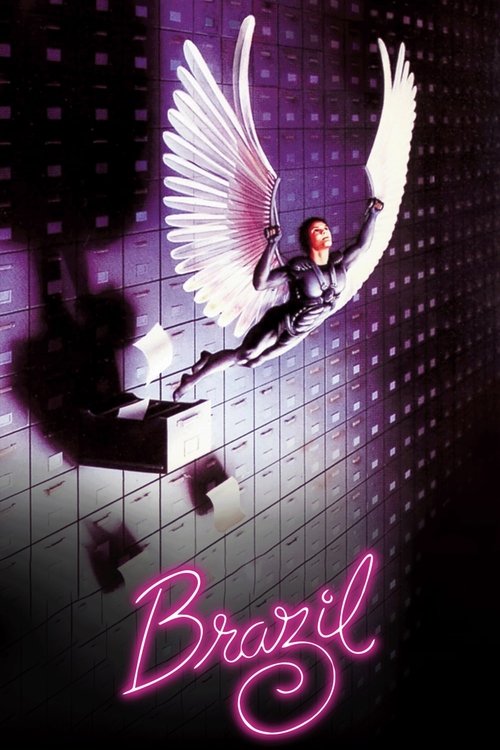
Brazil1985
Terry Gilliam's manic, paperwork-choked nightmare turns the same totalitarian dread into something baroque and darkly hilarious — bureaucracy as horror, gorgeously overstuffed, and just as despairing underneath the jokes.
But The whimsy and visual chaos can feel like a tonal mismatch if you want the story's bleakness played completely straight.
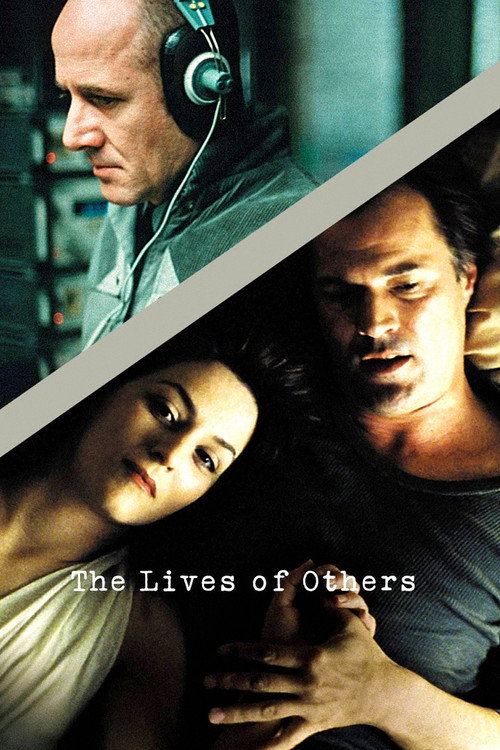
The Lives of Others2006
A Stasi surveillance drama asking what watching someone eventually does to the watcher — quieter and more redemptive than Orwell's vision, but built from the same real machinery of control.
But Subtitled and slow-burning; if you want dystopian spectacle rather than intimate character study, it may feel too restrained.
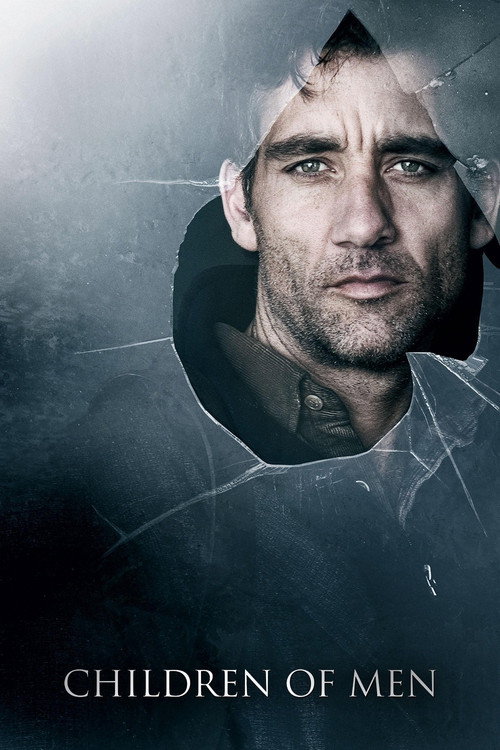
Children of Men2006
Cuarón's near-future Britain swaps thoughtcrime for pure exhaustion, a grey authoritarian state rendered in unbroken, breathless takes that make the oppression feel disturbingly lived-in and current.
But The bleakness is relentless and the politics blunt; there's little of the tender interior life Winston gets.
The wildcard
Something you would not have found on your own.
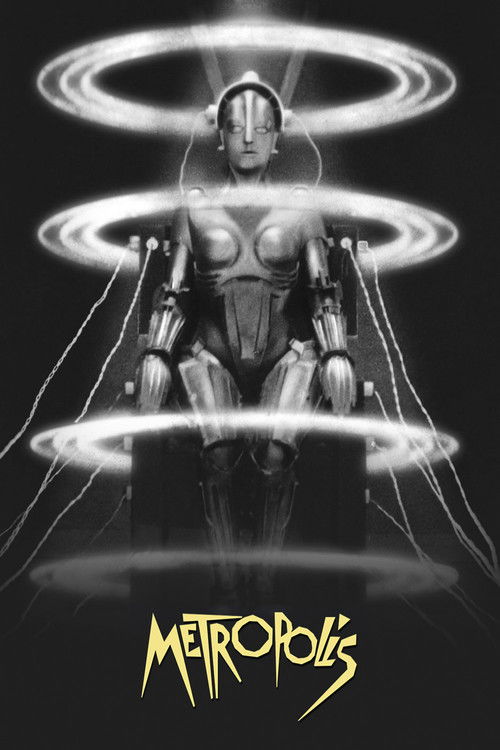
Metropolis1927
Both imagine a society engineered from above, where ordinary people are reduced to interchangeable parts of a machine they can't see the whole of.
Fritz Lang's silent epic invented the visual grammar of totalitarian control decades early — masses marching, workers as machinery, a ruling class insulated from what they've built.
But Silent, melodramatic, and nearly two hours of 1927 filmmaking rhythms — patience required if you're used to dialogue and modern pacing.
More like this (8)
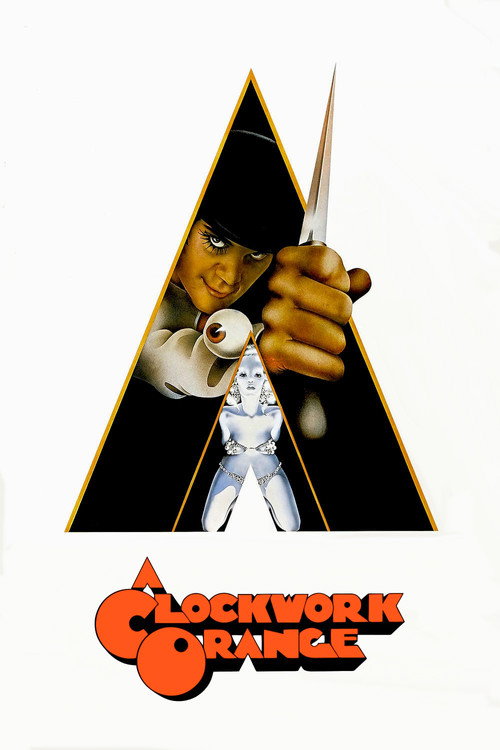
A Clockwork Orange1971
Kubrick's vision of a state that reprograms the mind rather than merely policing it, told with the same cold clarity and unbearable final submission — just louder, brighter, more violent.
But The stylised ultraviolence and satire are a different register entirely — more shocking than despairing, deliberately alienating.
The Handmaid's Tale2017
A totalitarian theocracy built on constant surveillance and enforced language, stretched across seasons so the machinery of control gets examined in exhausting, illuminating detail.
But Multiple seasons demand real commitment, and its growing focus on resistance shifts the mood from despair toward drama.

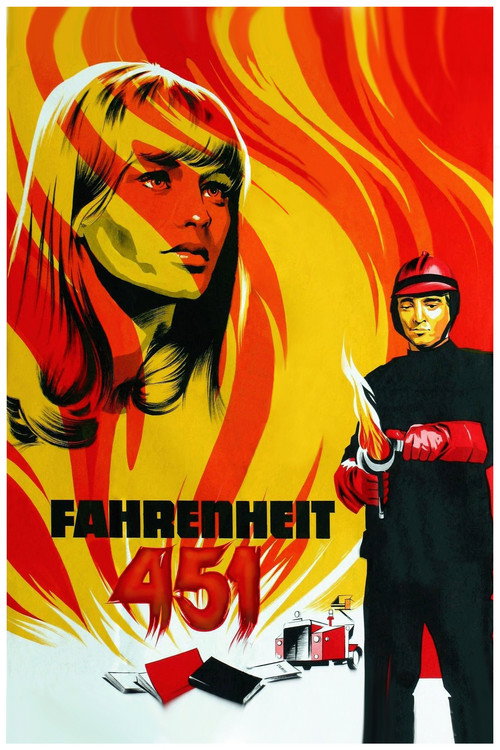
Fahrenheit 4511966
Truffaut's cool, controlled take on Bradbury — state-mandated ignorance rather than state-mandated lies — shares Orwell's fascination with how a regime rewrites what people are allowed to know.
But Its 1960s pacing and detached tone feel stagey now, and it lacks 1984's suffocating dread.
V for Vendetta2006
A British surveillance state, a citizenry kept docile through fear and propaganda, and a masked resistance — louder and more heroic than Winston's story, but drawn from the same fears.
But Its comic-book theatrics and clear-cut heroism trade Orwell's despair for something closer to triumphant spectacle.

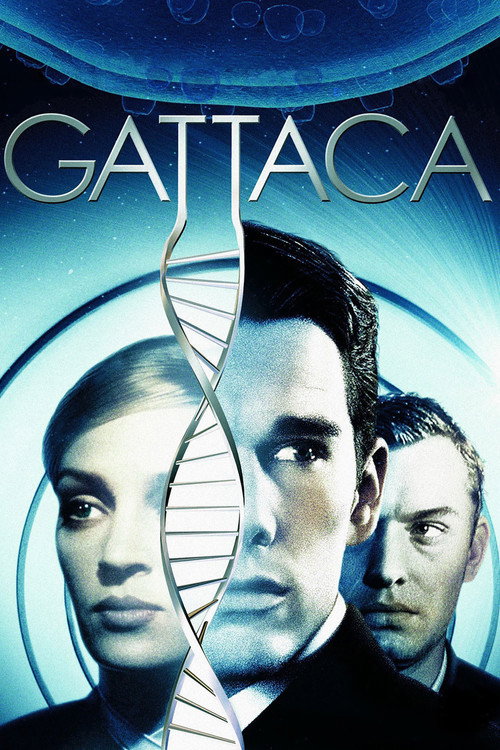
Gattaca1997
A softer, glossier authoritarianism — genetic surveillance instead of thought police — that asks the same question about what a society decides you're allowed to become.
But It's warmer and more optimistic by far; the stakes feel personal rather than civilisation-crushing.
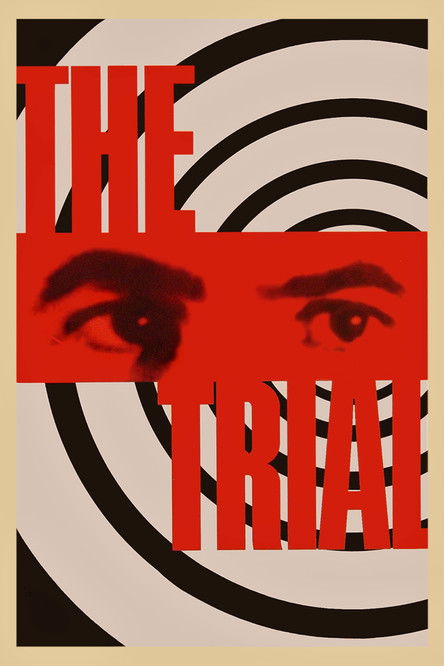
The Trial1962
Orson Welles' Kafka adaptation shares Orwell's nightmare logic of an individual crushed by a system too vast and absurd to fight, rendered in stark, disorienting black and white.
But Deliberately confusing and dreamlike rather than realist; it withholds the clarity 1984 gives you.
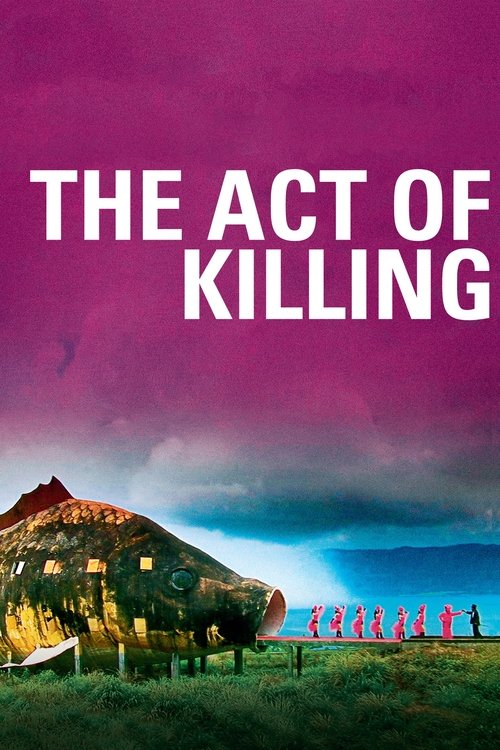
The Act of Killing2012
Winston's job was rewriting history to flatter power; this film shows people doing exactly that to their own atrocities, in their own words, on camera.
A documentary in which real Indonesian death-squad leaders proudly re-enact their own mass killings for the camera — doublethink made unbearably, unforgettably literal.
But It's a real atrocity, not fiction, and its complicity is far more upsetting than anything Orwell staged.
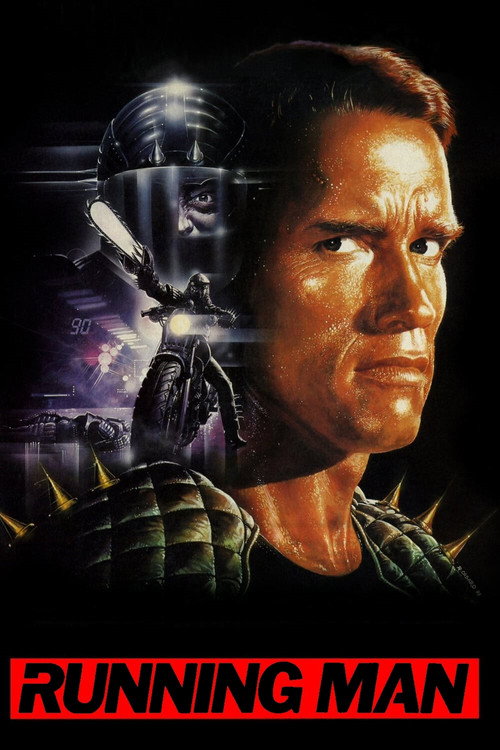
The Running Man1987
Same idea of a regime that controls truth through mass media entertainment, just swapped from bleak literary satire into full B-movie spectacle.
A gleefully trashy 80s actioner where state propaganda comes dressed as a game show — totalitarian control played for pulp thrills instead of dread.
But Broad, campy, and unapologetically dumb fun — if you want Orwell's chill, this delivers none of it.
People
Cast
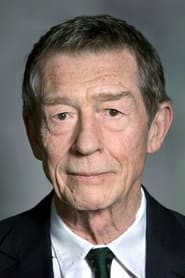 John HurtWinston Smith
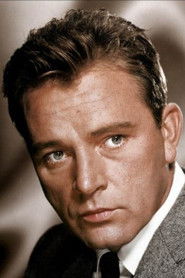 Richard BurtonO'Brien
 Suzanna HamiltonJulia
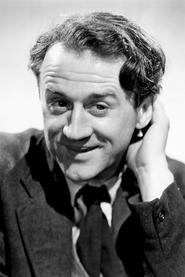 Cyril CusackCharrington
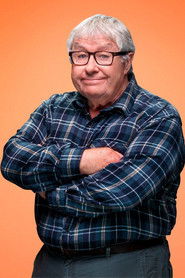 Gregor FisherParsons
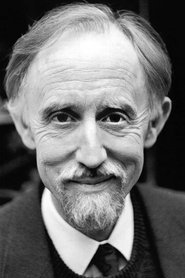 James WalkerSyme
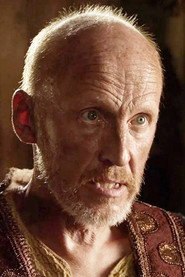 Andrew WildeTillotson
 David CannMartin
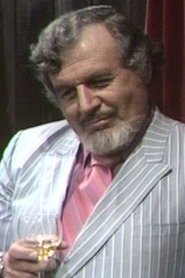 Peter FryeRutherford
 Roger Lloyd PackWaiter
- David TrevenaTillotson's Friend
- Anthony BensonJones
Directing
- David KeatingAssistant Director
- Ene WattsContinuity
- Michael RadfordDirector
Writing
- George OrwellNovel
- Michael RadfordScreenplay
Production
- John DavisAssociate Producer
- Rebecca HowardCasting
- Gina RosenblumExecutive Producer
- Marvin J. RosenblumExecutive Producer
- Al ClarkProducer
- Robert DevereuxProducer
- Simon PerryProducer
- Sue SudburyResearcher