
Film
Nineteen Eighty-Four
This is the original: a live BBC television production, shot fast and cheap only months after Orwell's death still hung over Coronation-era Britain. Cushing's Winston is hollowed-out rather than heroic, the sets are bare studio walls, and Room 101 is suggested more than shown. Stagey and slow by modern standards, but its bleakness feels startlingly sincere and its influence on every version since is unmistakable.
If you liked this
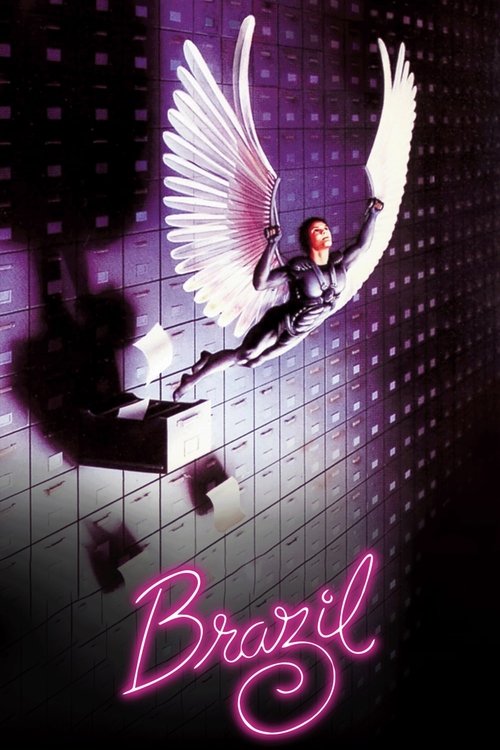
Brazil1985
Terry Gilliam takes the same bureaucratic nightmare and makes it darkly, absurdly funny — paperwork as tyranny, ductwork everywhere, a hero drowning in forms instead of doctrine.
But The tone whiplashes between farce and horror; if you want straight-faced dread, all the joking might grate.
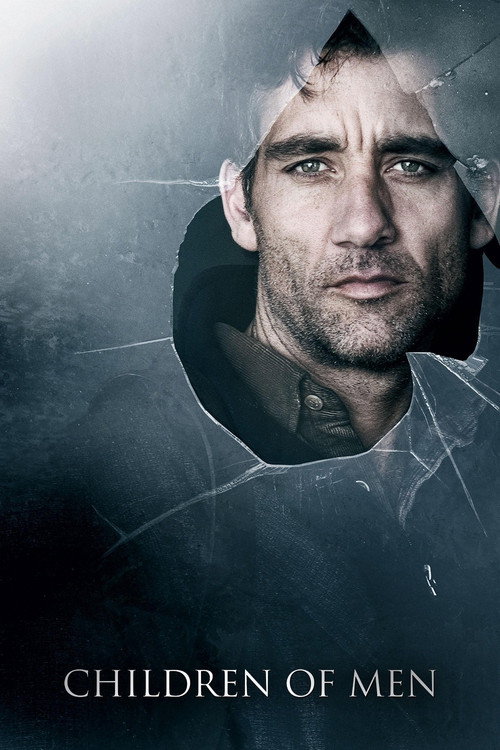
Children of Men2006
Swap ideology for infertility and you get the same suffocating unfreedom — checkpoints, propaganda, a crumbling state — filmed with unbroken, breathless long takes.
But It's more chase thriller than political interrogation; the ideas sit in the background while the camera runs.
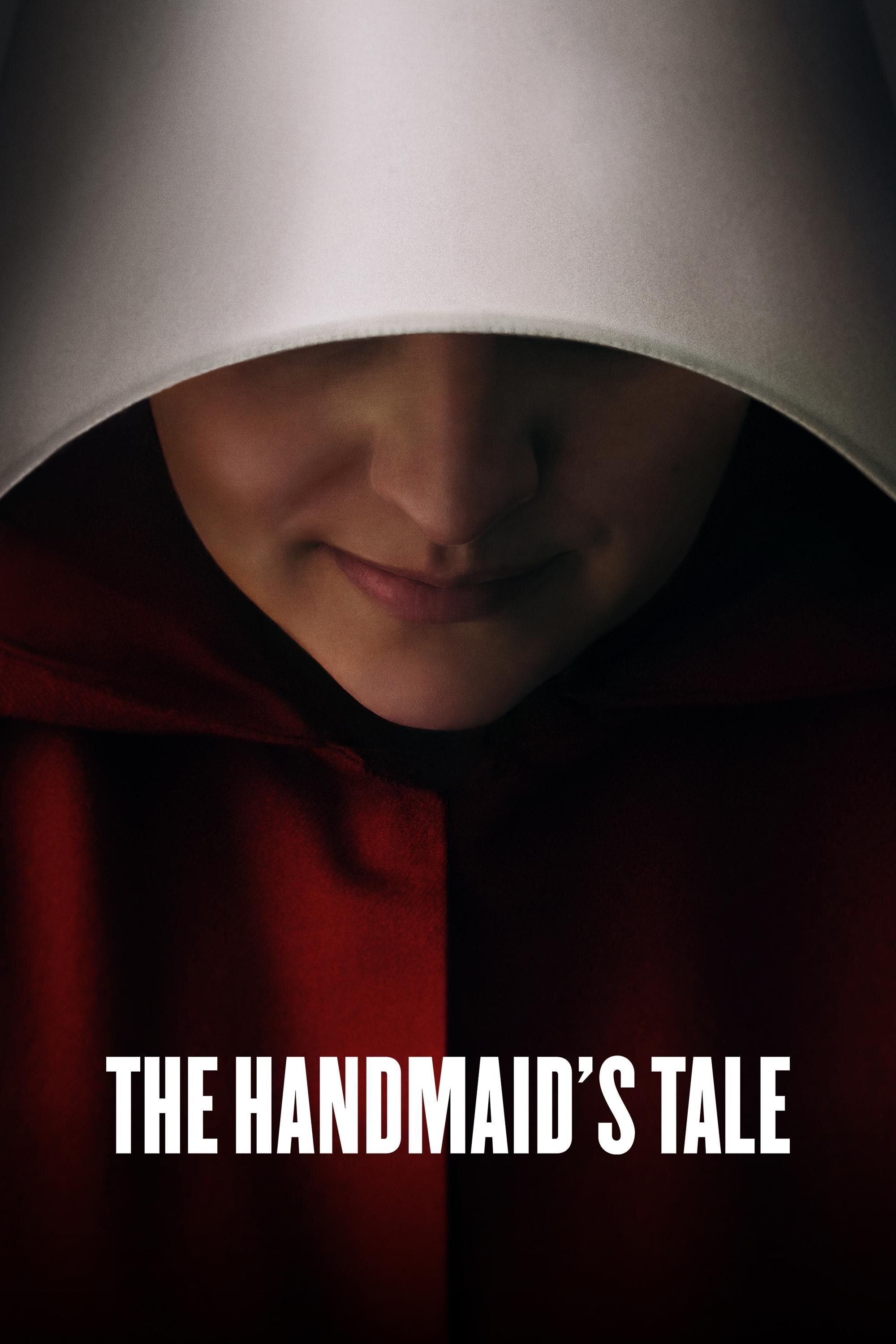
The Handmaid's Tale2017
A different totalitarian machine, built around gender instead of thoughtcrime, but the same claustrophobic sense of being watched and owned. Elisabeth Moss carries seasons of quiet fury.
But It runs long, gets bleaker before it gets hopeful, and later seasons stretch the premise thin.
The wildcard
Something you would not have found on your own.
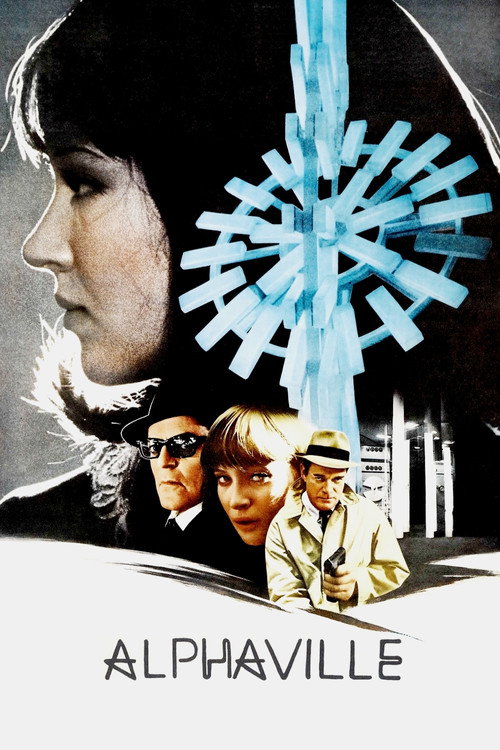
Alphaville1965
Godard's Paris-as-future-dystopia treats Big Brother-style control as film noir — a detective infiltrating a computer-run city, running the same forbidden-love-versus-the-machine plot dressed up as a thriller.
Shot in real 1960s Paris and lit like a noir, it's the strangest and most stylish of all the totalitarian-future films — genuinely upsetting for something this cool-looking.
But It's French New Wave through and through: elliptical, talky, more interested in ideas and images than plot logic.
More like this (7)
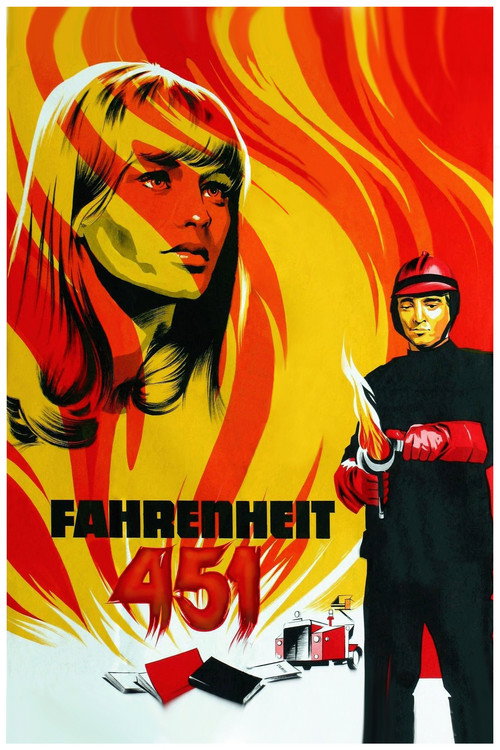
Fahrenheit 4511966
Truffaut's take on Bradbury's book-burning future shares Orwell's fear of a state that polices thought — cooler, stranger, more painterly than most sixties sci-fi.
But It's mannered and a little stiff; Truffaut was working in English for the first time and it shows.
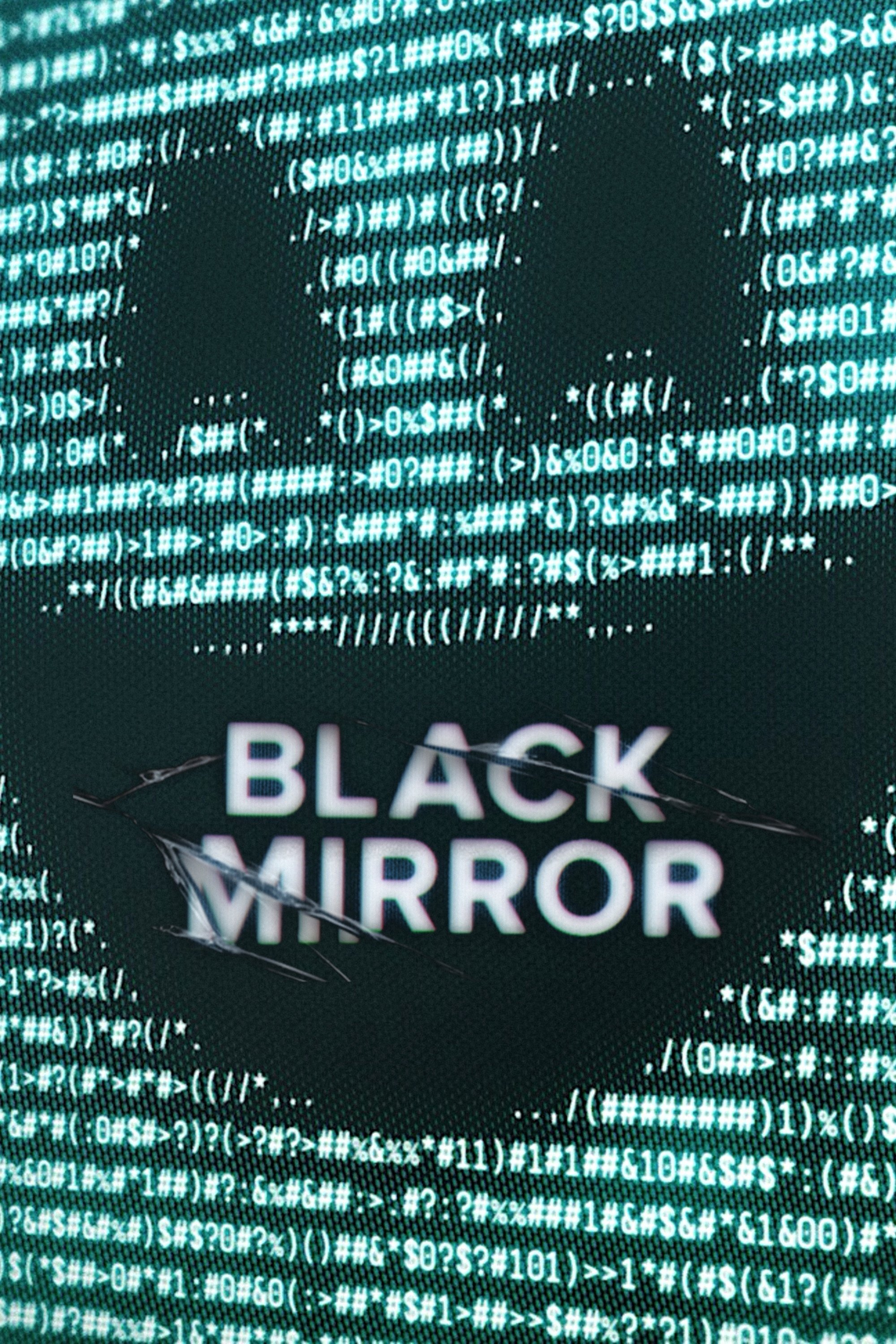
Black Mirror2011
An anthology that keeps returning to Orwell's basic question — what does constant observation do to a person — but resets the technology and the victim every episode.
But Quality swings wildly between episodes; you'll need to pick your way through some duds to find the great ones.
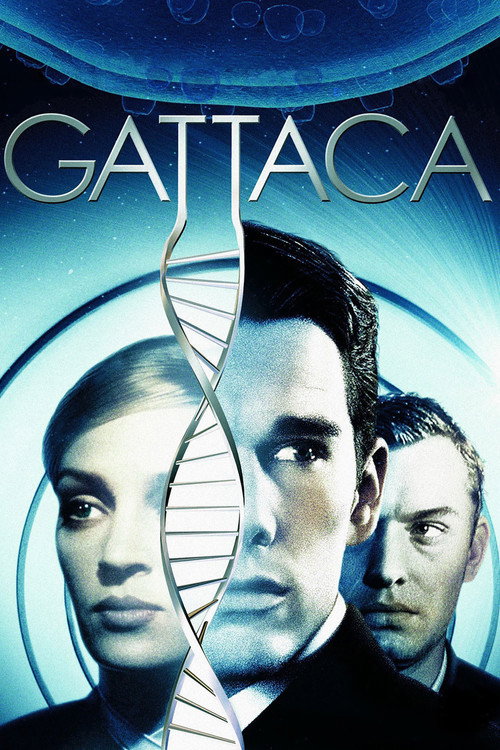
Gattaca1997
Genetic caste replaces political orthodoxy, but the hero's forged identity and creeping paranoia feel like Winston Smith transplanted into a cleaner, sunnier prison.
But The science is soft and the ending tidier than Orwell would ever have allowed himself.
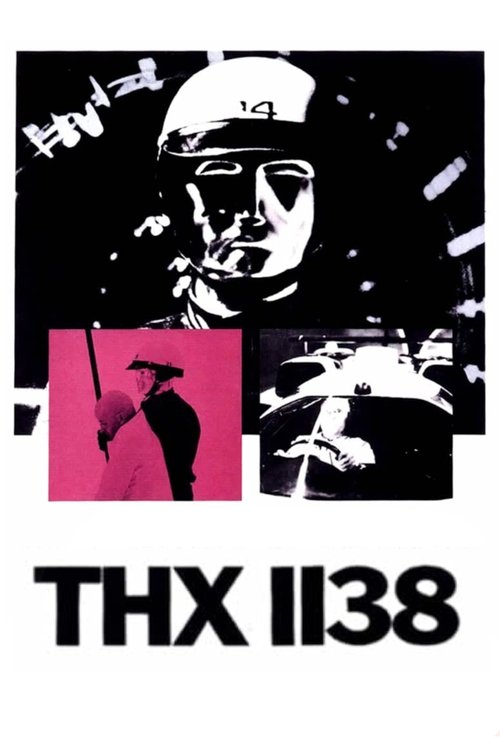
THX 11381971
George Lucas's cold, clinical debut imagines drugged, numbered citizens under total surveillance — sparse, eerie, and clearly a direct descendant of Orwell's world.
But Deliberately alienating and light on plot; it's mood and design over character or story.
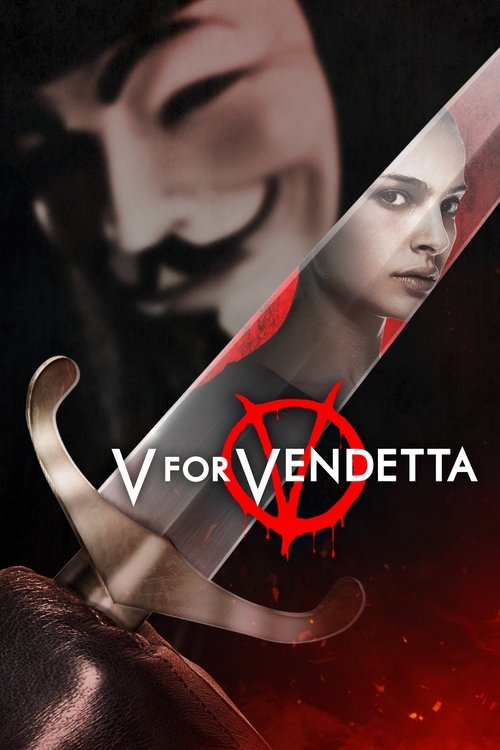
V for Vendetta2006
A fascist Britain, a surveillance state, a resistance built on a single act of defiance — louder and more theatrical than Orwell, but drawn from the same well.
But The politics are broader and more comic-book than Orwell's chilly realism; it wants to inspire rather than depress.
The Prisoner1967
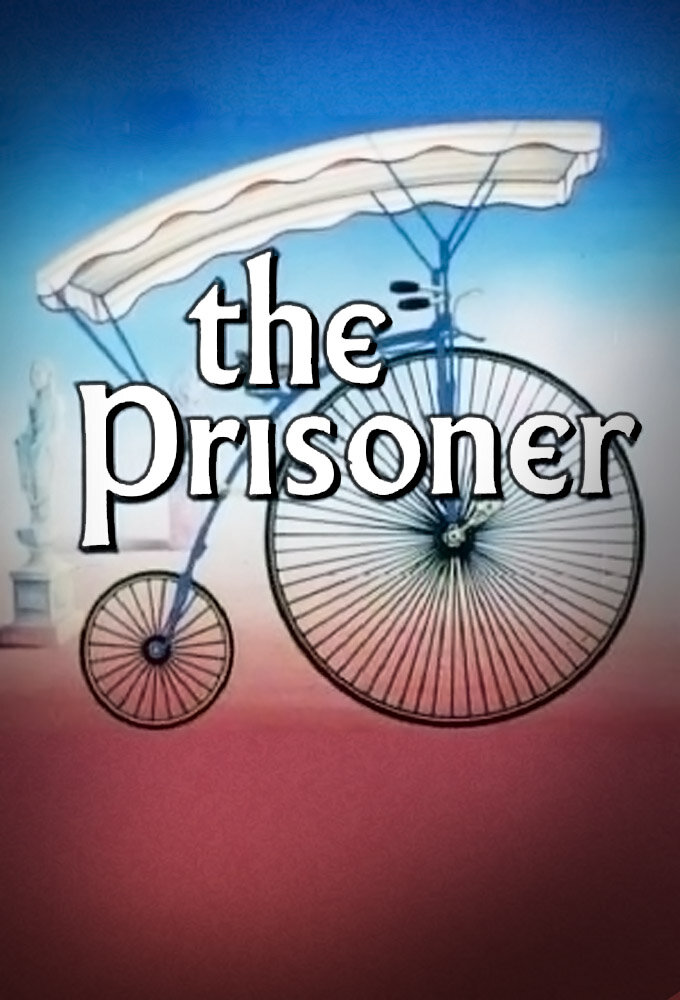
British television again, a decade later, using surreal allegory instead of realism to ask Orwell's core question — can a state break a man who refuses to stop being an individual?
Patrick McGoohan's paranoid fable traps a man in a village that's really a prison, fighting a system that wants his identity more than his obedience — hypnotic, strange, ahead of its time.
But It gets increasingly abstract and symbolic; the famous finale explains almost nothing and will frustrate anyone wanting resolution.
Severance2022
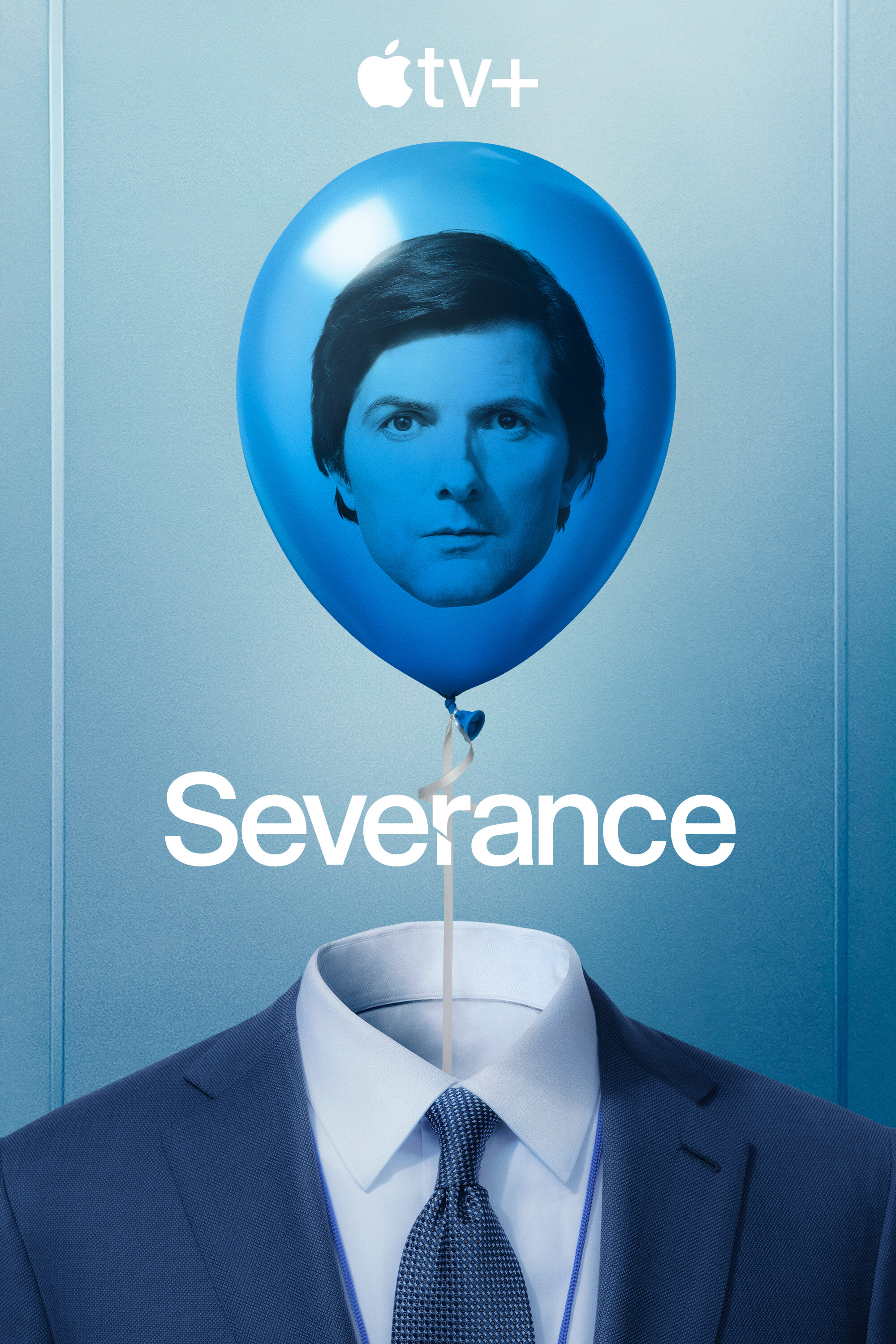
Same fear, corporate register: instead of Big Brother there's a company that literally splits your mind so the self that suffers at work never gets to complain about it — control rendered as sleek, funny, deeply unsettling workplace satire.
It takes Orwell's idea of thought control and modernises it into something closer to home — office culture as ideology, smiling compliance as the real horror.
But It's a slow-burn mystery box that asks for patience across a whole season before answering much of anything.
People
Cast
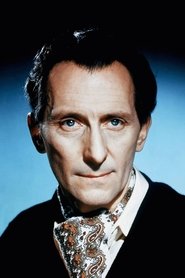 Peter CushingWinston Smith
 Yvonne MitchellJulia
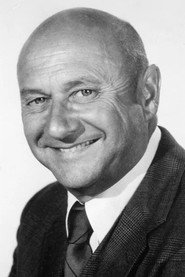 Donald PleasenceSyme
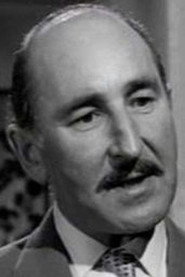 Arnold DiamondEmanuel Goldstein
- Campbell GrayParsons
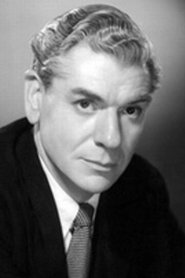 André MorellO'Brien
- Hilda FenemoreMrs. Parsons
- Pamela GrantParsons Girl
- Keith DavisParsons Boy
- Janet BarrowWoman Supervisor
- Norman OsborneFirst Youth
- Tony LyonsSecond Youth
Directing
- Rudolph CartierDirector
Writing
- George OrwellNovel
- Nigel KnealeWriter
Production
- Rudolph CartierProducer