
Film
The Singing Ringing Tree
A East German fairy tale film about a prince's quest to win a princess's heart by finding a magical tree. Shot in saturated Technicolor, it has the dreamlike logic of a fever vision—gorgeous and unnerving by turns. It speaks to anyone who loved the dark edges of classic fairy tales before Disney softened them.
Should you watch it?
Watch it if you love old-fashioned fairy tales told with stagey performances and a straight-faced sincerity, the kind that treats a sulky dwarf and a proud princess as perfectly ordinary company.
Skip it if you want brisk pacing or modern special effects; at seventy-four minutes it still moves slowly, and its stagey, deliberately artificial look may feel creaky.
What it asks of you: A short seventy-four minutes, paced at a gentle, unhurried clip and pitched in a light, storybook tone; it wants patience more than close attention.
Not sure? Find tonight's pick in a minute.
If you liked this
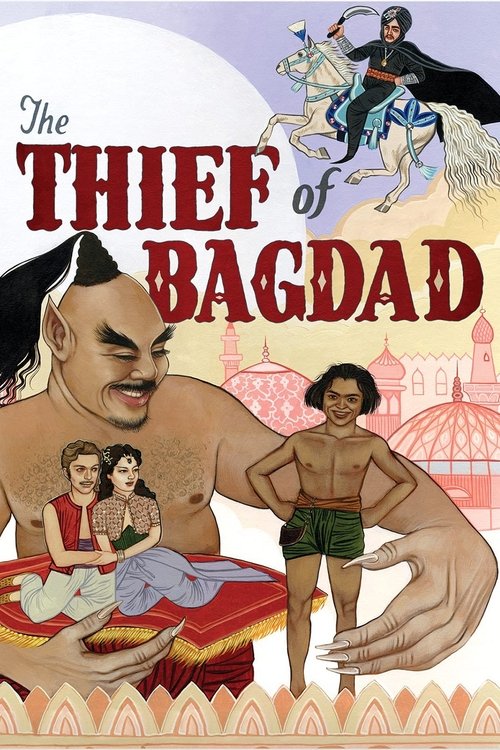
The Thief of Bagdad1940
British Technicolor fantasy with the same sense of enchanted worlds and impossible quests. Its practical effects and matte paintings create dreamscapes that feel as tactile and strange as the Singing Ringing Tree's vision of fairy-tale logic.
But At 106 minutes it's longer and requires patience; some of the acting feels stage-bound and the pacing can drag between set pieces.
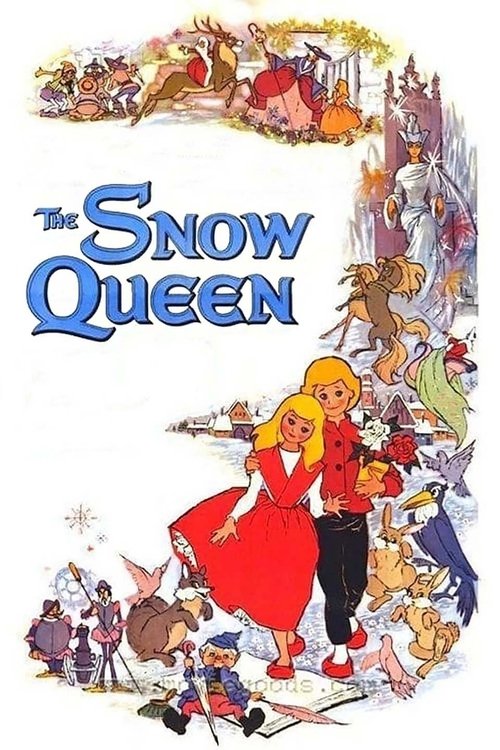
The Snow Queen1957
Soviet fairy-tale film released the same year, equally vivid and strange. It shares the moral weight and slightly unsettling tone—beauty that doesn't soften cruelty, magic that demands payment in transformation.
But The dubbing into English is occasionally awkward, and it's structured more like a series of tableaux than a conventional narrative.
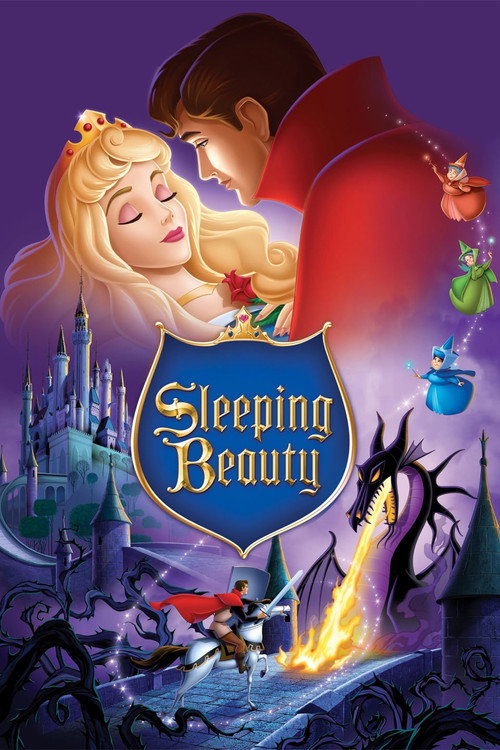
Sleeping Beauty1959
Disney's darkest fairy tale, animated with an elegant severity that echoes the German film's love of formal beauty. Maleficent isn't cute; the prince's victory feels genuinely earned against genuine darkness.
But If you've seen it a dozen times, there's little surprise. The runtime is shorter and the tone less ambiguous—it resolves where the Tree leaves you wondering.
Not sure tonight? Get a pick in a minute, starting from The Singing Ringing Tree
The wildcard
Something you would not have found on your own.
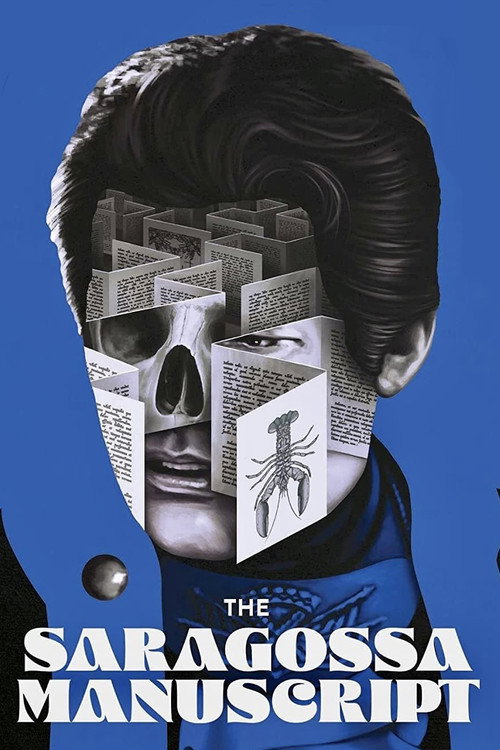
The Saragossa Manuscript1966
Both are Eastern European fantasies from the 1950s-60s that trust audiences to accept a world's internal magic without explanation, built through production design rather than effects.
A Polish fantasy that shares the Tree's hypnotic logic and its willingness to let viewers float between dream and narrative without explanation. It's shot with the same love of tableaux and formal composition, and it moves at the same dreamlike pace.
But It's 182 minutes and the episodic structure means plot barely exists—you're watching a series of enchanted rooms and encounters. Patience isn't optional.
More like this (8)
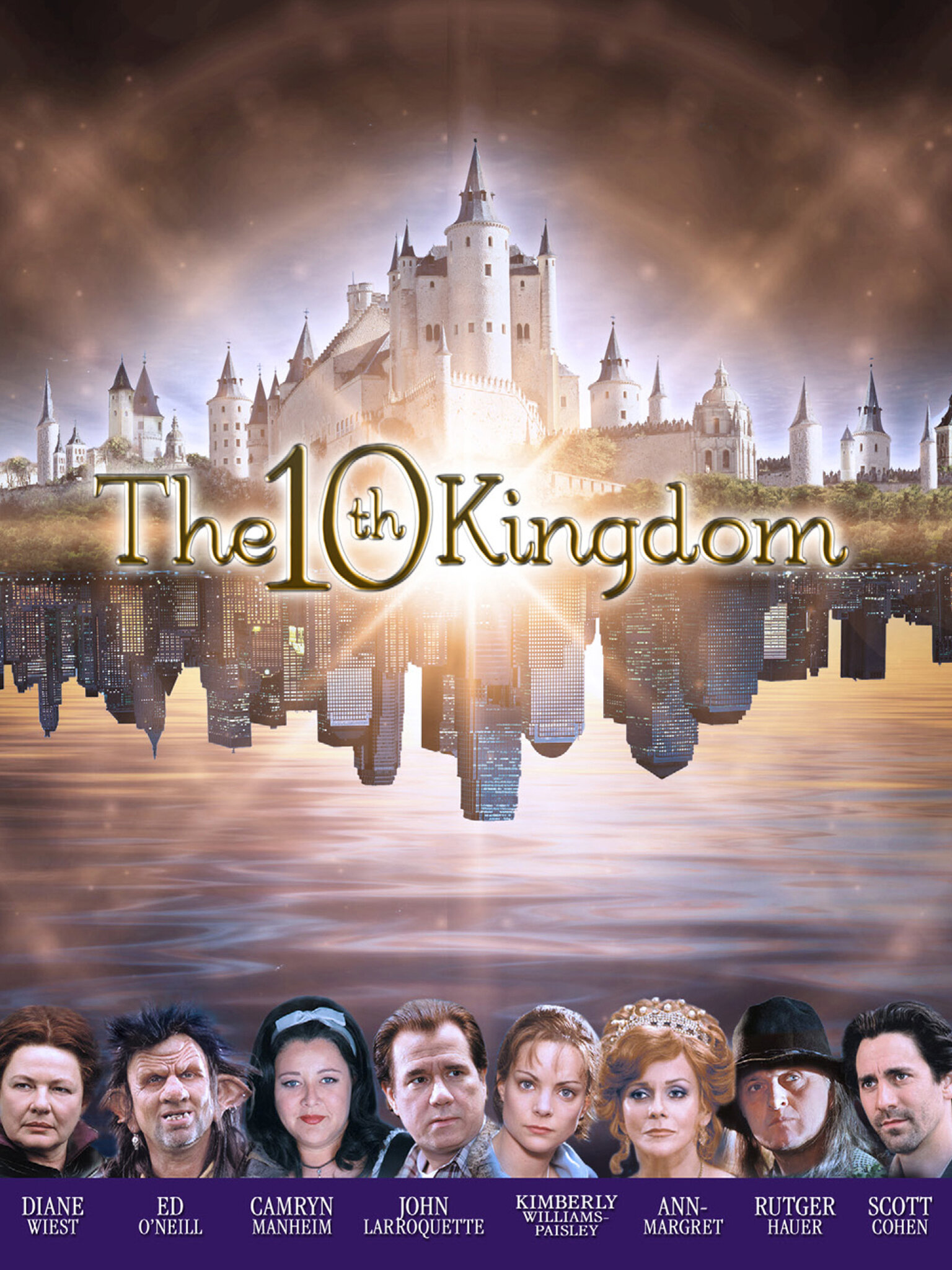
The 10th Kingdom2000
A miniseries that consciously inherits the Eastern European fairy-tale tradition. It has the same mixture of genuine peril, moral complexity, and visual strangeness, updated to TV length without losing the tale's teeth.
But The early 2000s special effects date badly in places, and it's a significant time commitment at four and a half hours.
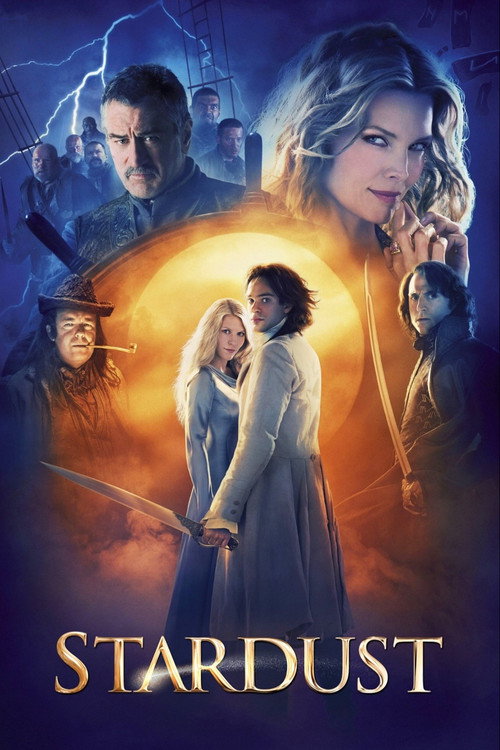
Stardust2007
A fantasy adventure that wears its love of older fairy-tale cinema openly. It has the Singing Ringing Tree's commitment to treating its magical world as real and consequential, not as whimsy.
But It trades the haunting strangeness for adventure-film charm—warmer and more accessible, which is to say less likely to linger in your head.
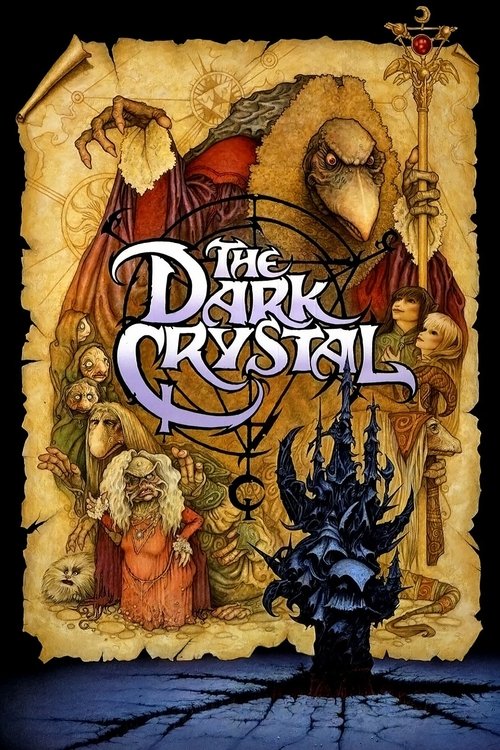
The Dark Crystal1982
Jim Henson's puppet fantasy has the same uncanny beauty and refusal to talk down to children. A world entirely realized through craft, with a moral clarity that doesn't require explanation.
But The puppet performances take adjustment, and its 93-minute world-building leaves little time for character depth or humor.
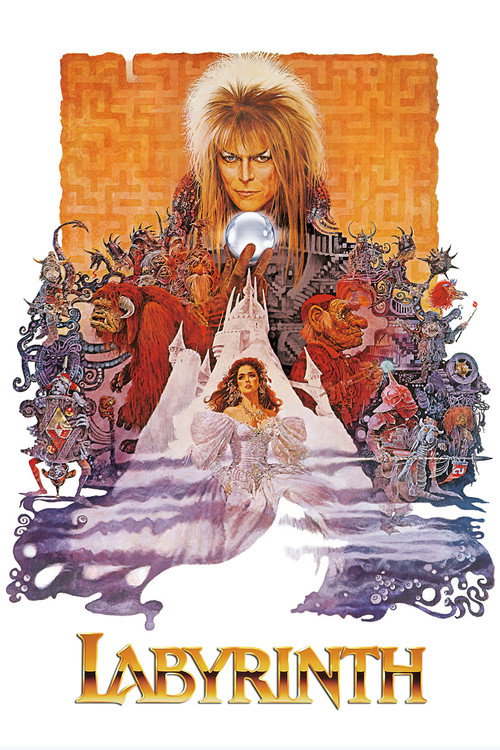
Labyrinth1986
Another fantasy that trusts its audience's appetite for strangeness. Bowie's performance is magnetic and the designed world is as tactile as the Singing Ringing Tree's, though with more irony and sex appeal.
But It's very much a product of 1986 in ways that date it; some of the humor undercuts the stakes when the threat should feel real.
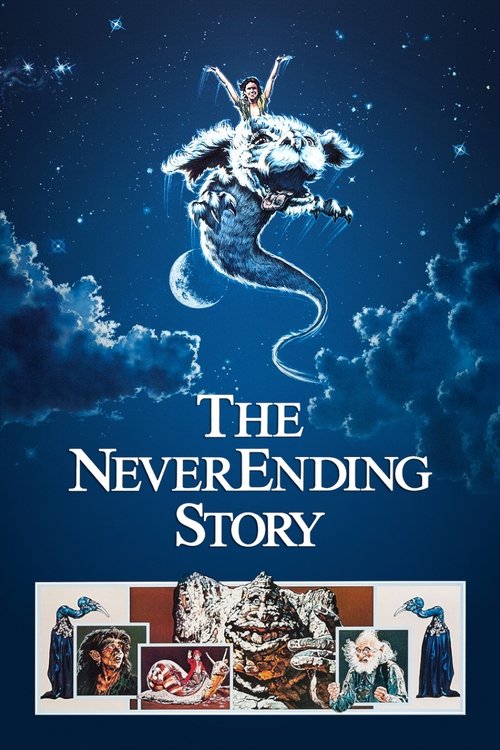
The NeverEnding Story1984
A fantasy that captures the same sense of disappearing into another world entirely. It has genuine darkness alongside wonder, and understands that fairy tales work because they refuse to separate the two.
But The Falkor sequences and some of the practical effects are now visibly cheap, which breaks the spell if you can't hold it anyway.
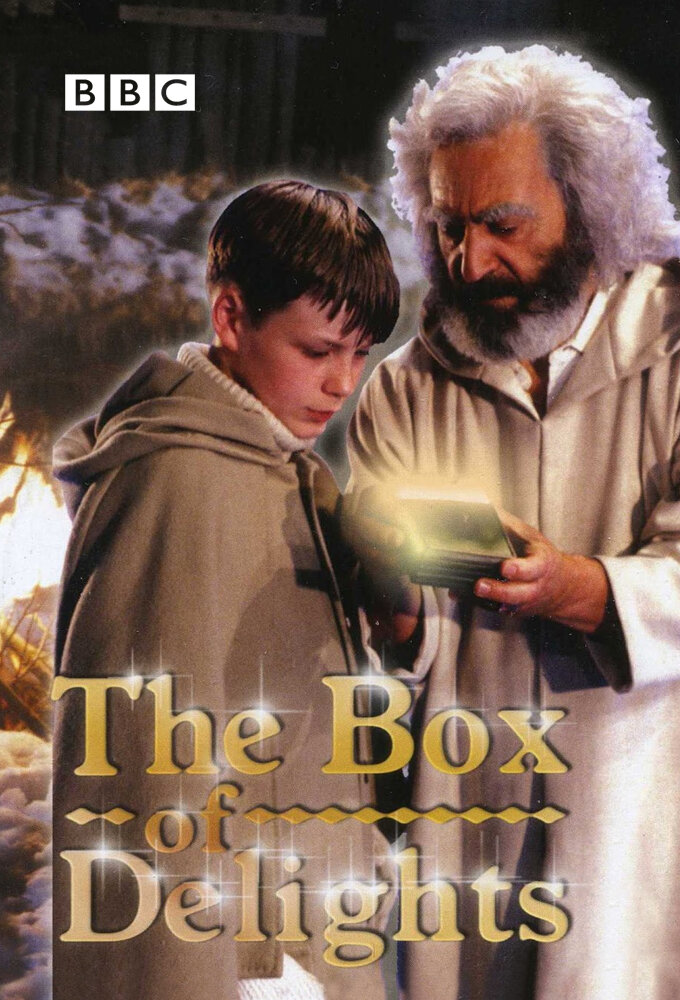
The Box of Delights1984
British children's television that builds an entire magical world through performance and design rather than effects. It has the Singing Ringing Tree's faith that strangeness and beauty are enough to carry you.
But It's a serial from 1984 television, so the pacing is glacial and the video quality is soft; it requires you to meet it halfway.
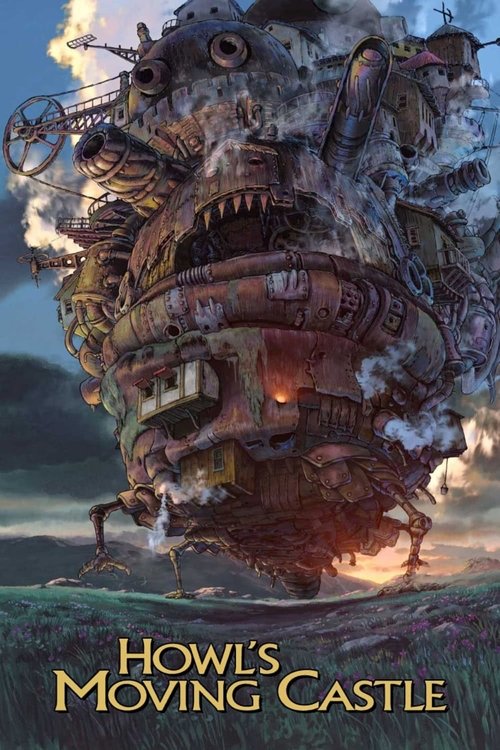
Howl's Moving Castle2004
Both are love stories embedded in quests for magical objects, both filmed with obsessive visual care, both refusing to make their enchanted worlds cute or comfortable.
Hayao Miyazaki animated the same fairy-tale DNA as the Singing Ringing Tree—a prince under a curse, a quest driven by love and stubbornness, a world where magic has weight and consequence. The visual invention matches the German film's, just in a different medium.
But Animation is animation; if you came to the Singing Ringing Tree for live performance and physical presence, this won't give it to you. Some find Miyazaki's pacing too slow even when it's moving.
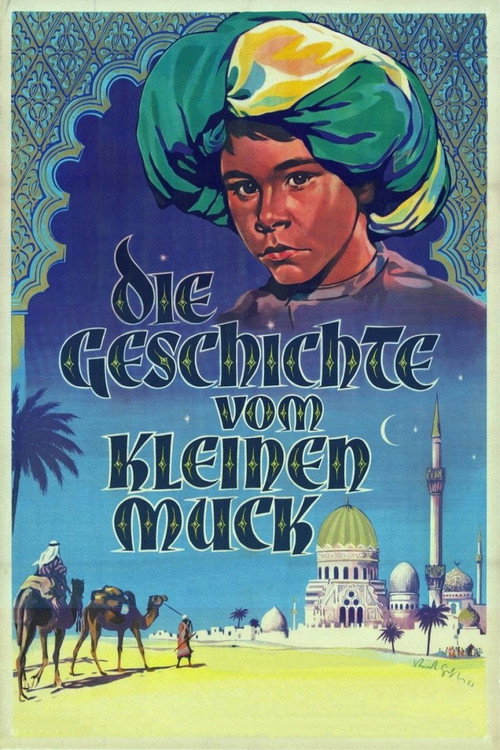
The Story of Little Mook1953
Both are Central European post-war fairy-tale films made in the same technical tradition, using Technicolor and practical design to create worlds that feel simultaneously ancient and modern.
A Czech fairy-tale film that predates the Singing Ringing Tree. It has the same formal, slightly stiff beauty, the same Technicolor saturation, the same absolute belief in its world. If you loved the Tree, this is what came just before it in a related tradition.
But It's obscure, rarely subtitled well, and the narrative is even more episodic than the Tree—sometimes you're watching pure tableau rather than story.
People
Cast
 Christel BodensteinDie hochmütige Prinzessin
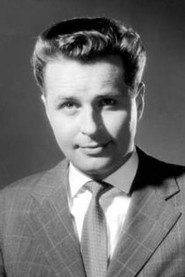 Eckart DuxDer schöne Prinz / Bär
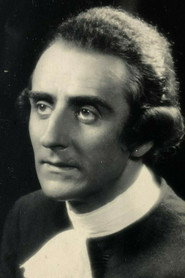 Charles Hans VogtDer greise König
- Richard KrügerDer böse Zwerg
- Günther PolensenSchloßhauptmann
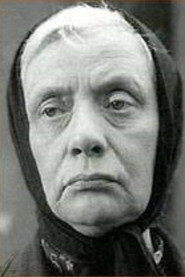 Maria BesendahlKräuterweib
- Fredy BartenMinister
- Paul KnopfWächter
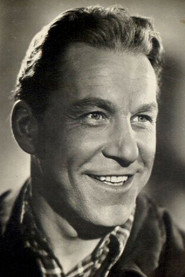 Paul PfingstBauer
- Friedrich TeitgeGärtner
- Egon VogelHauptmann
Directing
- Margarete KeufnerAssistant Director
- Francesco StefaniDirector
Writing
- Jacob GrimmNovel
- Wilhelm GrimmNovel
- Anne GeelhaarScreenplay
- Francesco StefaniScreenplay
Production
- Heinz UllrichProduction Manager
- Alexander LöscheUnit Production Manager