
Film
The Story of Little Mook
A 1953 German fantasy film adapting a Wilhelm Hauff fairy tale. An old man recounts his picaresque youth as Little Muck, a boy cast out by family who acquires magic shoes and wanders through an orientalist desert landscape, encountering tests of character and wicked schemes. It's whimsical, episodic, handsomely mounted—a children's film that trusts its young audience's patience for enchantment over plot.
Should you watch it?
Watch it if you love fairy tales told with storybook artifice, where a frame of old men and children gives way to a wicked woman's cats, magic shoes and a wandering hero with a moral streak.
Skip it if you need fast-moving plots, since this one moves episode to episode through a long running time, and its fairy-tale stiffness can feel dated to modern eyes.
What it asks of you: A hundred minutes of episodic wandering, paced like a storyteller's evening, earnest rather than sly, so it wants patience more than cleverness.
Not sure? Find tonight's pick in a minute.
If you liked this
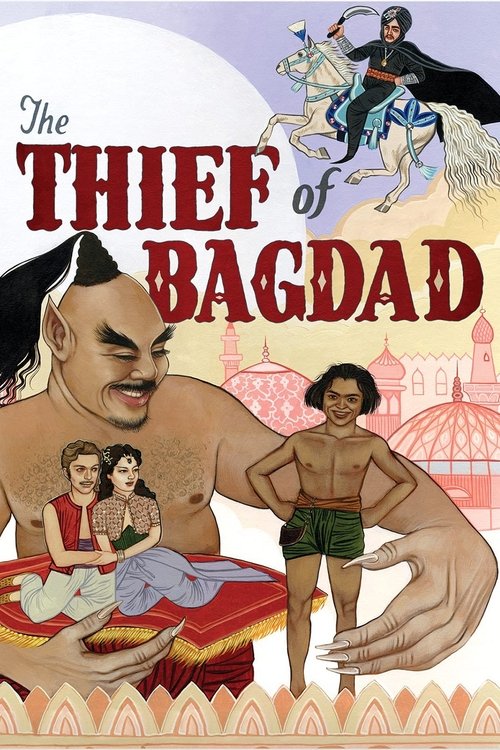
The Thief of Bagdad1940
A Technicolor fantasy adventure where a street urchin navigates a magical Middle Eastern city through wit and theft. The production design is sumptuous, the adventure genuine, and the moral center surprisingly warm for a film this old.
But It moves slowly by modern standards, and the dated representation of the setting will feel patronizing to contemporary viewers accustomed to more nuance.
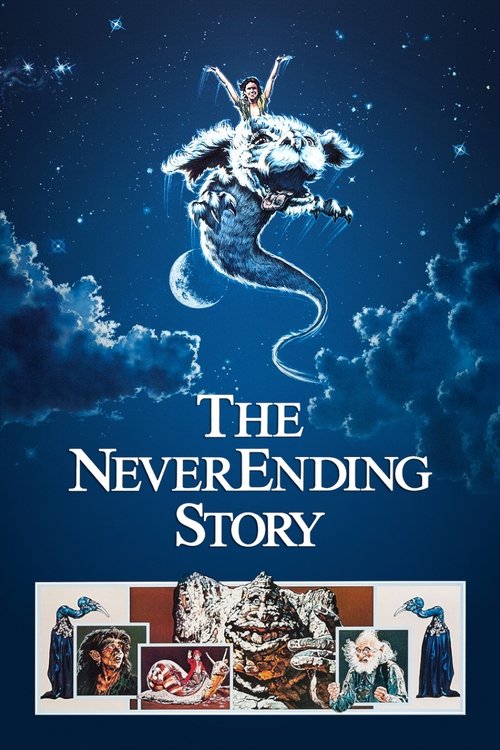
The NeverEnding Story1984
A boy discovers a magical book that draws him into an increasingly surreal fantasy world. Earnest, inventive, unafraid of melancholy—it treats childhood imagination as genuinely consequential rather than cute.
But The practical effects have aged visibly, and some viewers find the emotional beats heavy-handed or the pacing slack in the middle hour.
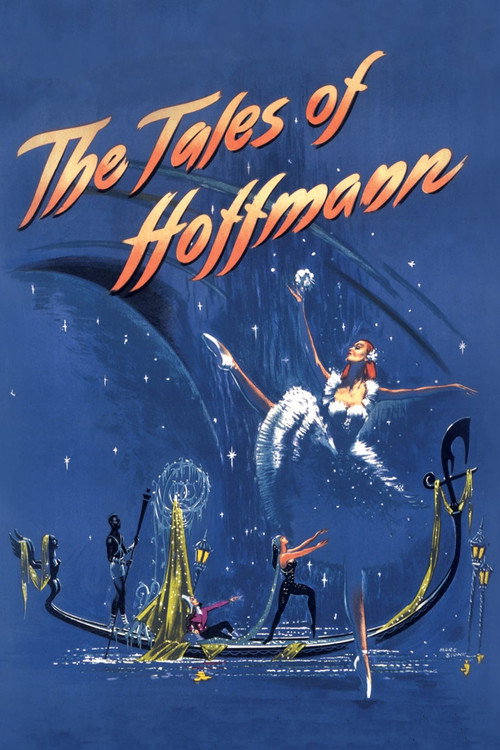
The Tales of Hoffmann1951
A Powell and Pressburger ballet-opera fantasy with dazzling technicolor and genuinely strange logic. Three episodes, each stranger than the last, with the artifice of theatre worn openly and joyfully.
But It's operatic—literally—so if you don't surrender to theatrical convention and non-literal storytelling, it will feel bewildering and self-indulgent rather than magical.
Not sure tonight? Get a pick in a minute, starting from The Story of Little Mook
The wildcard
Something you would not have found on your own.
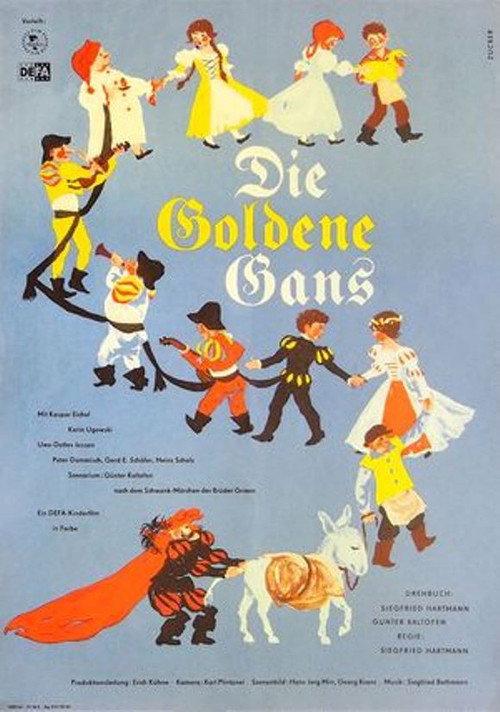
The Golden Goose1964
Both are European mid-century adaptations of folk tales structured as a poor boy's journey through tests and encounters; both treat the fantastical elements as natural rather than explained, and both play with childhood perspective as a legitimate frame for understanding the world.
A Czech stop-motion adaptation of a Grimm tale with surreal, handmade puppet animation that feels dreamlike and ancient. It has the episodic structure and picaresque logic of Little Mook but rendered in a far stranger formal language—magic as visible craft rather than invisible wish-fulfillment.
But The animation is deliberately crude and imperfect, which some may experience as amateurish rather than charmingly stylized. The logic is dream-logic, which means plot coherence is not the point.
More like this (8)
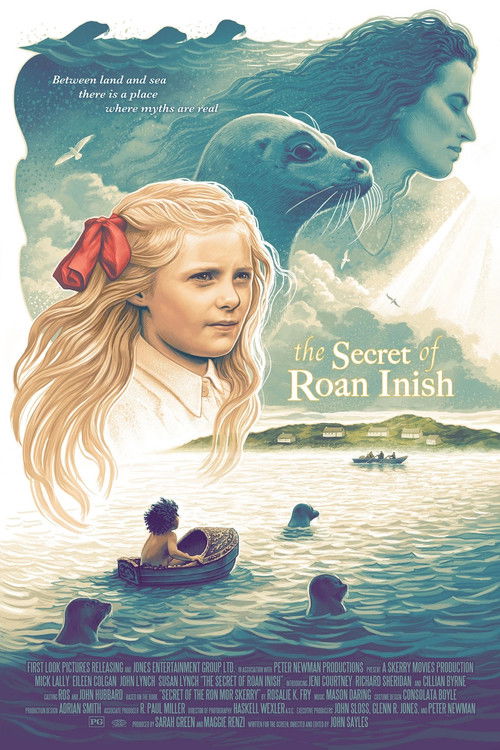
The Secret of Roan Inish1994
A girl uncovers her family's connection to seal-folk and a magical island off the Irish coast. Lyrical, genuinely mysterious, with a atmosphere of half-remembered folklore and an unhurried pace that rewards attention.
But There's very little plot momentum and no real villain—if you need clear stakes and forward propulsion, this will feel frustratingly static and undramatic.
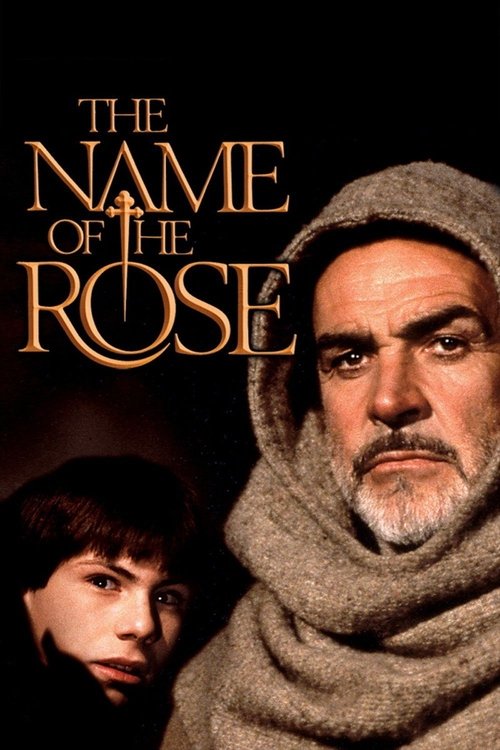
The Name of the Rose1986
A medieval murder mystery in a monastery, atmospheric and intellectually complex. Sean Connery grounds the ornate setting with intelligence and warmth, and the film respects both its audience and its source material.
But It's long, densely packed with theology and semiotics, and genuinely bleak at times. The pacing can feel ponderous if you're expecting conventional thriller momentum.
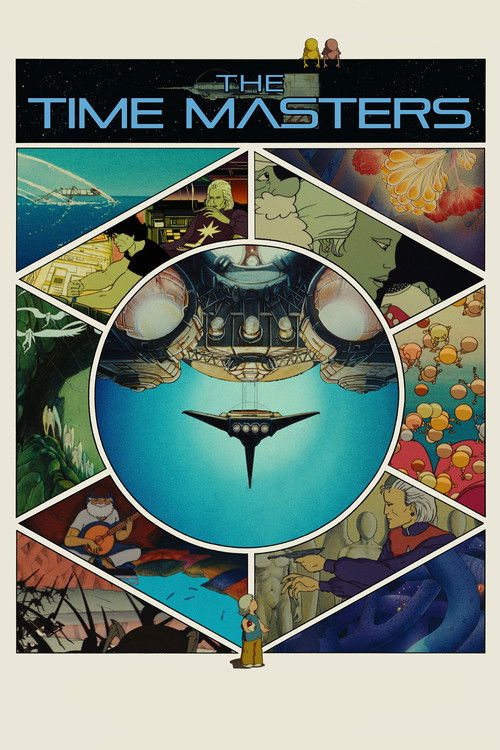
Time Masters1982
A beautifully animated sci-fi fantasy about a man traveling through time to save a child. The animation is painterly, the story genuinely moving, and it balances wonder with genuine philosophical weight about parenthood and sacrifice.
But It's obscure for good reason—the plotting is meandering and the emotional logic sometimes opaque. It demands an unusually patient, imaginative viewer.
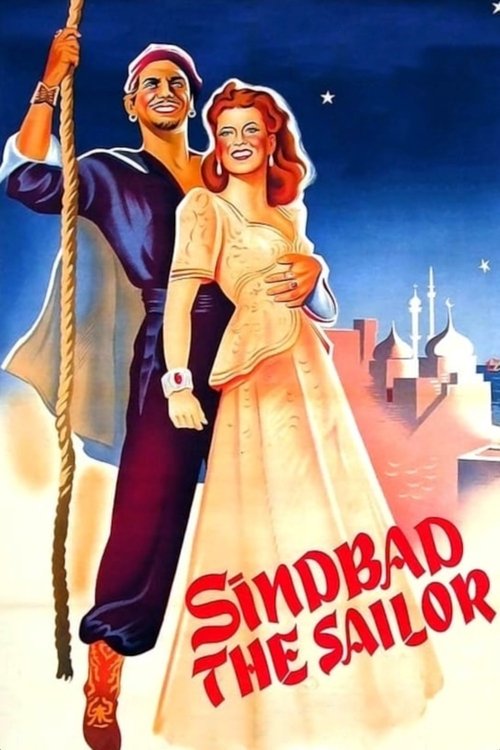
Sinbad the Sailor1947
An Arabian Nights adventure in gorgeous Technicolor with stop-motion creatures, practical magic tricks, and pure narrative momentum. It's technically stunning for its era and unashamed of its own fantasy logic.
But The story is thin—it's basically a series of obstacles—and the characterization is negligible. You're watching spectacle, not drama, and that won't satisfy everyone.
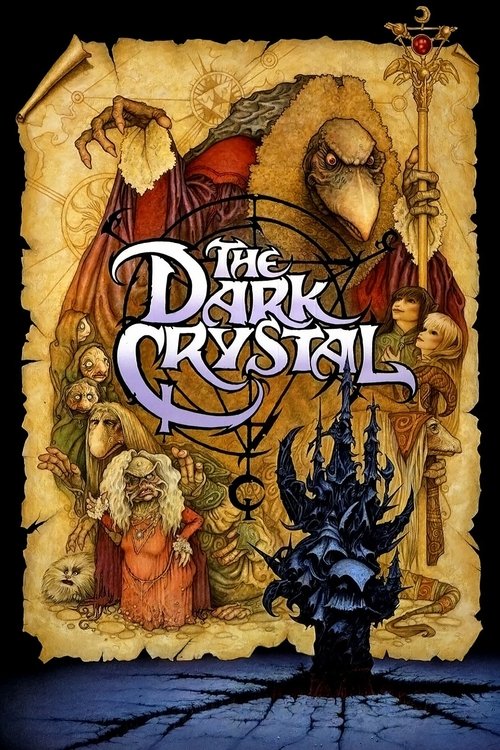
The Dark Crystal1982
An entirely creature-puppet-animated fantasy with a genuinely alien aesthetic and visual imagination that feels nowhere else. The world-building is meticulous and the atmosphere genuinely unsettling in the best way.
But The puppetry is sometimes stiff, the plot is skeletal, and the film trades in nightmare imagery that may alienate viewers seeking simple comfort or beauty.
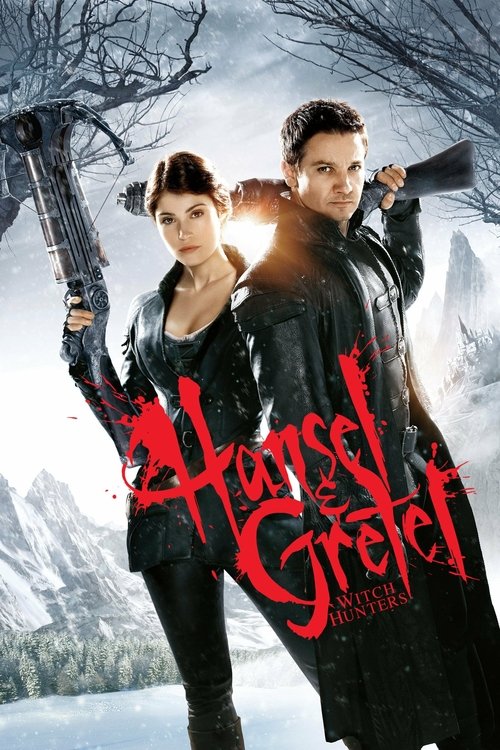
Hansel & Gretel: Witch Hunters2013
A reimagining of the fairy tale as an action-horror film where the siblings become adult witch-killers. Audacious tonal mixing, genuinely imaginative monster design, and committed performances keep it from being merely cynical.
But It's aggressively silly and violent in ways many will find tone-deaf to the darkness of the source material. The humor may read as aimless rather than clever.
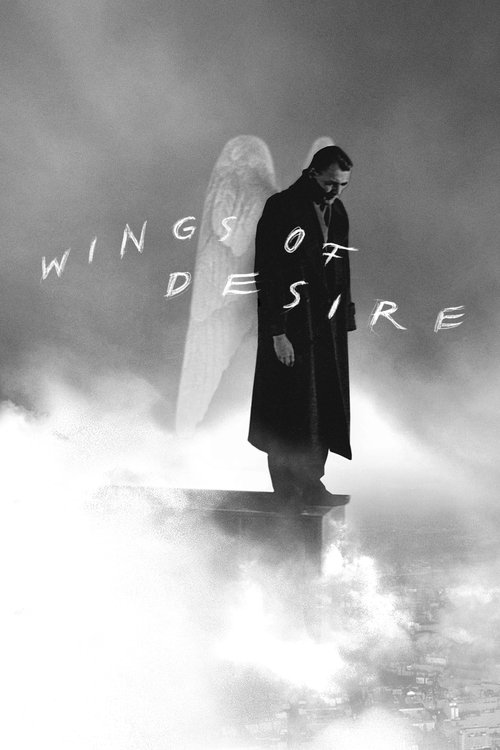
Wings of Desire1987
Both use a frame narrative (old man/angels) to reflect on youth and transformation; both present the world as enchanted not through explicit sorcery but through a protagonist's particular way of seeing; both refuse to make fantasy solve the problem of being human—instead they deepen it.
Wim Wenders' meditative film about angels observing Berlin, shot in dreamy black-and-white and color. It's a fairy tale for adults about witness, compassion, and the strange beauty of ordinary human life—fantastical not through magic but through transfigured attention.
But There's almost no plot; it's an extended mood and philosophy. If you need narrative drive, character conflict, or resolution, this will feel pretentious and inert.
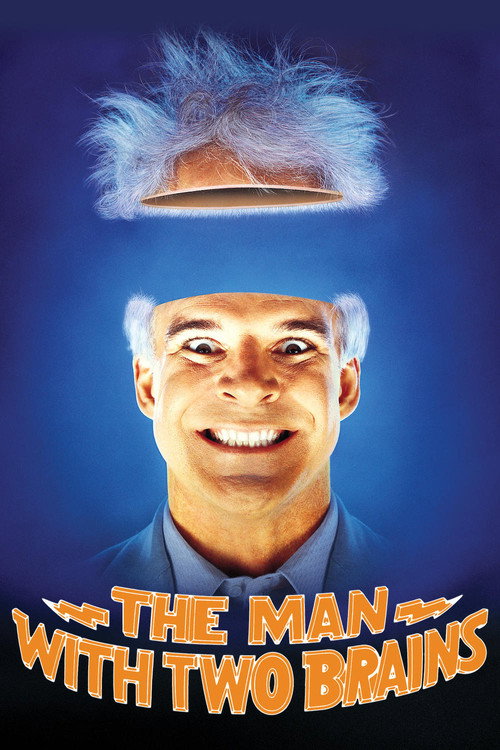
The Man with Two Brains1983
Both are episodic narratives where the protagonist encounters strange obstacles and supernatural helpers in an impossible world; both treat their fantastic elements with absolute seriousness despite their inherent absurdity; both are fundamentally about learning to navigate a world that doesn't follow rational rules.
A deadpan sci-fi comedy where a surgeon falls in love with a woman's brain in a laboratory. Surreal, low-budget, and utterly committed to its own logic—it has the innocent absurdism of a fairy tale but filtered through Steve Martin's philosophical silliness.
But It's weird and broad rather than beautiful or moving. If you go in expecting heart or drama, the film's total commitment to the ridiculous will feel cold and alienating.
People
Cast
 Thomas SchmidtKleiner Muck
- Johannes MausAltgewordener Muck
 Friedrich RichterMukrah
 Trude HesterbergAhavzi
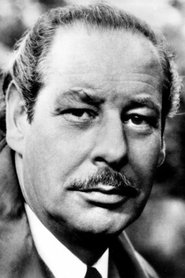 Gerd FrickhöfferUnterer Ramudschin
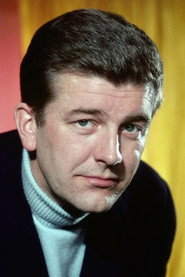 Harry RiebauerOberleibläufer Murad
- Alwin LippischSultan
 Silja LesnyPrinzessin Amarza
- Heinz KammerPrinz Bajazid
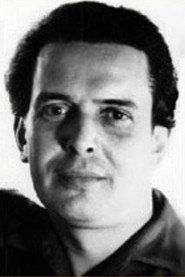 Gerhard HänselPrinz Hassan
- Wilhelm Hinrich HoltzOberster Ramudschin
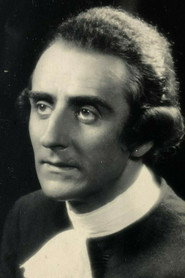 Charles Hans VogtMagier
Directing
- Wolfgang StaudteDirector
Writing
- Wilhelm HauffShort Story
- Peter PodehlWriter
- Wolfgang StaudteWriter