
Film
Mirai
- Drama
- Portal fantasy
- Light-hearted
A four-year-old boy meets his teenage sister from the future in the family garden and travels through time encountering ancestors and versions of himself. Mirai is intimate, imaginative, and utterly sincere—a film about jealousy, growth, and family that trusts animation's particular magic to make the impossible feel like memory.
Should you watch it?
Watch it if you love films where the magic is quiet and domestic, and a small child's sulking becomes a doorway into the family's history, like Hayao Miyazaki's gentler moments but told at a toddler's eye level.
Skip it if you want a plot that moves briskly from one set piece to the next, since this one lingers on small household moments and the wonder comes in drifts rather than big payoffs.
What it asks of you: It asks for patience with a slow, dreamy rhythm across about ninety-eight minutes, and a willingness to sit with a petulant little boy who is not always easy company.
Not sure? Find tonight's pick in a minute.
If you liked this
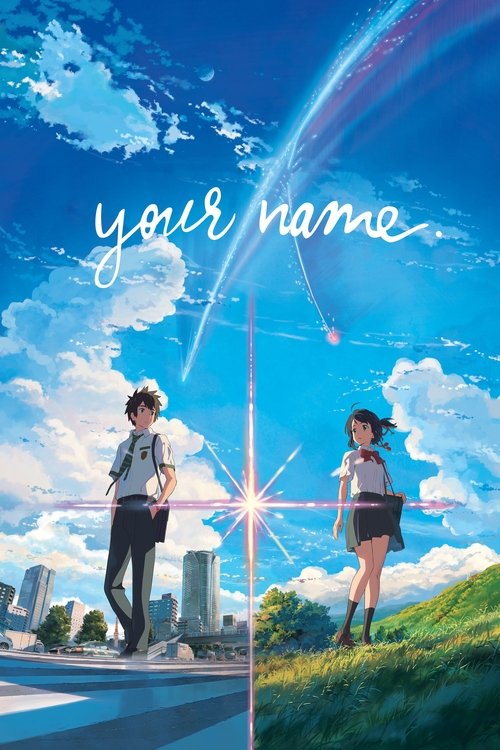
Your Name.2016
Makoto Shinkai's time-crossing romance has the same visual ambition and emotional precision. Stunning animation in service of a deeply felt story about connection across impossible distances.
But The romantic plot is deliberately convoluted; if you need clarity before catharsis, the structure will frustrate you.
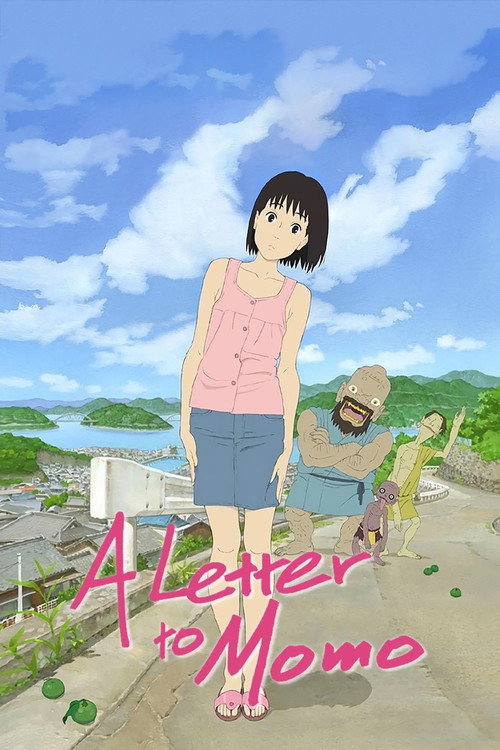
A Letter to Momo2012
Mary and the Witch's Flower director Hiromasa Yonebayashi makes a quieter film about a girl processing grief through encounters with spirits. Family hurt and healing, rendered with the same watercolor softness and narrative gentleness.
But It moves at its own pace. Very little happens in the conventional sense; some will find it slow.
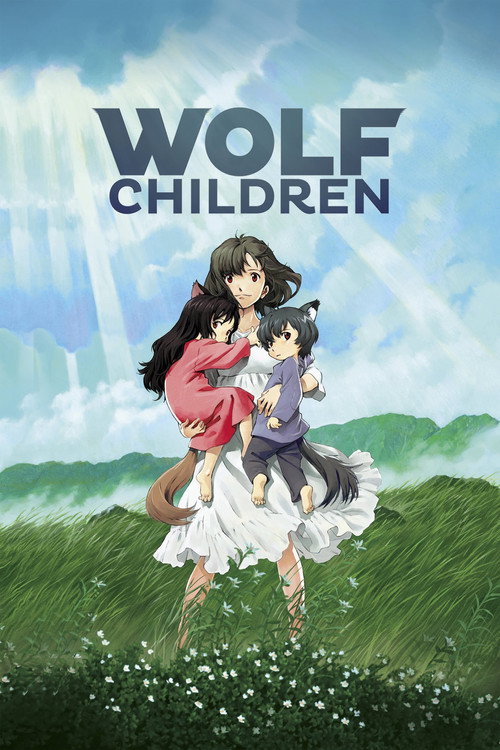
Wolf Children2012
Mamoru Hosoda's film about a mother raising two shapeshifting kids is tender, funny, and alive to the small dignities of parenting. If Mirai moved you, this director's warmth will too.
But The second half shifts from magical realism into domestic realism; the tonal change can feel abrupt.
Not sure tonight? Get a pick in a minute, starting from Mirai
The wildcard
Something you would not have found on your own.
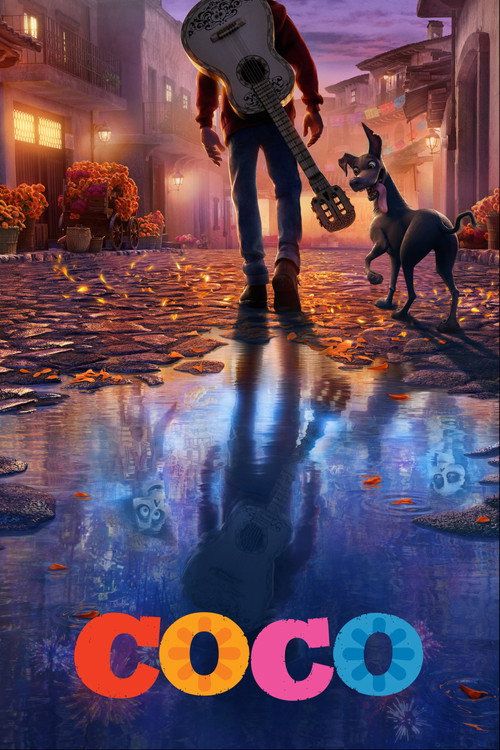
Coco2017
Both use fantastical travel to transform how a child understands family inheritance and love across time.
Pixar's Day of the Dead film is about a boy journeying into a magical version of his past to understand his family's real story. It shares Mirai's insight that ancestors are not distant—they live in us, in choices we don't yet know we're making.
But It's American cinema, so it's more plot-driven and sentimental. The emotional beats are signposted; it's less interested in ambiguity.
More like this (7)
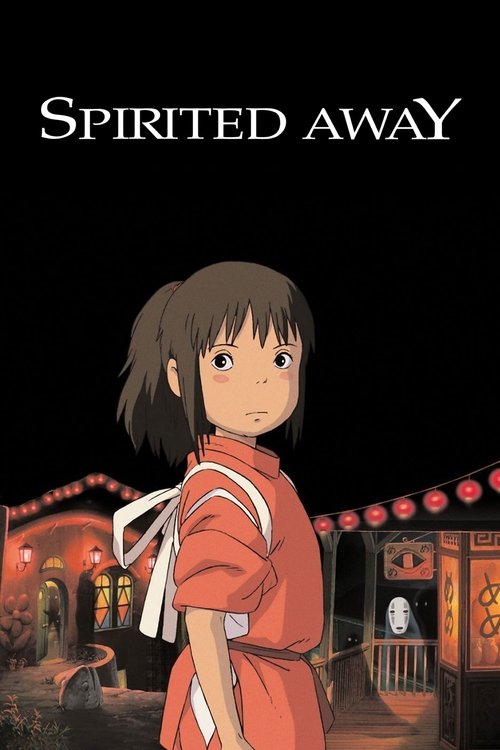
Spirited Away2001
Miyazaki's masterpiece: a child in a magical world learning to see beyond her fear and selfishness. Not about family, but about the exact same spiritual growth—humility arriving through wonder.
But It's Spirited Away; everyone recommends it. If you've seen it, you know whether it lands for you.
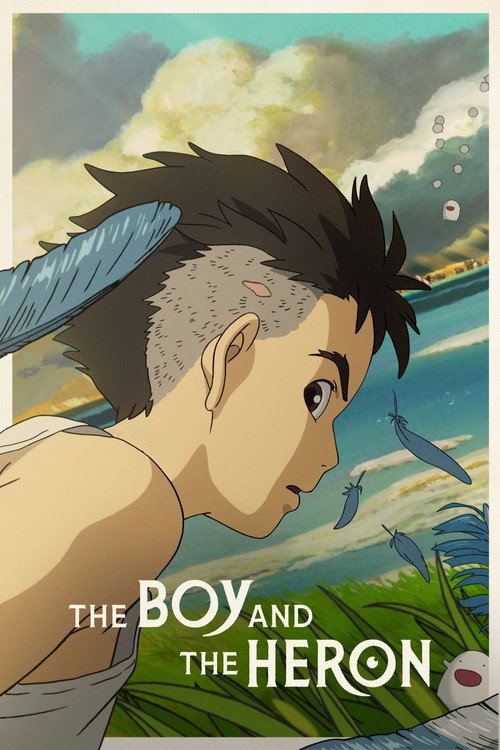
The Boy and the Heron2023
Miyazaki's latest is another boy encountering the fantastical to process family loss. Less grounded than Mirai but equally committed to the idea that imagination is how children survive their own lives.
But It's visually denser and narratively murkier. The symbolism doesn't always clarify; you're meant to feel it.
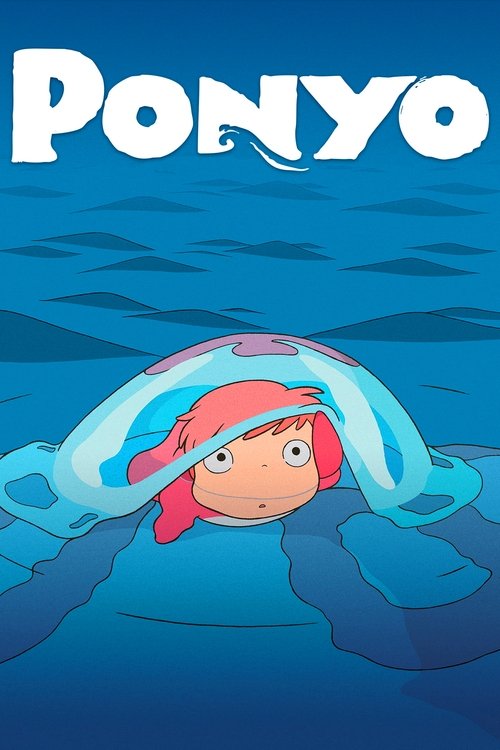
Ponyo2008
Miyazaki on a smaller, warmer scale: a five-year-old boy and a goldfish-girl learning to care for each other. The emotional precision about childhood bonds rivals anything he's done.
But It's slight by his standards. If you want narrative momentum or stakes, this almost gentle film won't provide them.
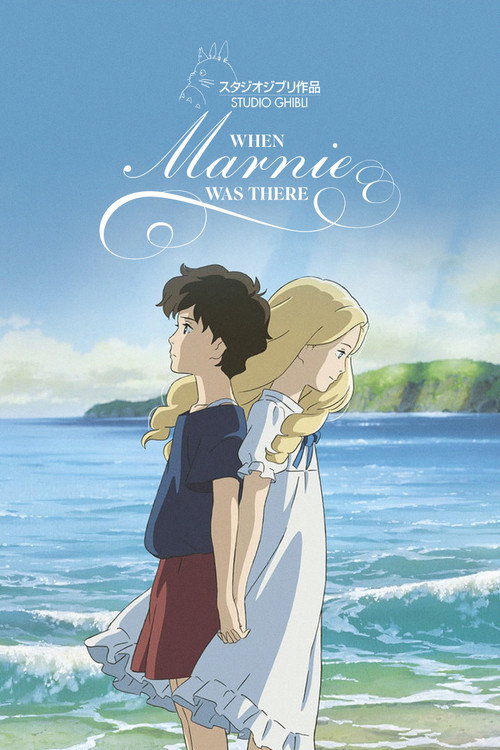
When Marnie Was There2014
Studio Ghibli's last hand-drawn feature: a lonely girl befriends a mysterious girl and slowly understands what she's actually met. Quietly devastating about longing, identity, and how children survive isolation.
But It's melancholic verging on sad. The mystery takes patience; some will guess it early.
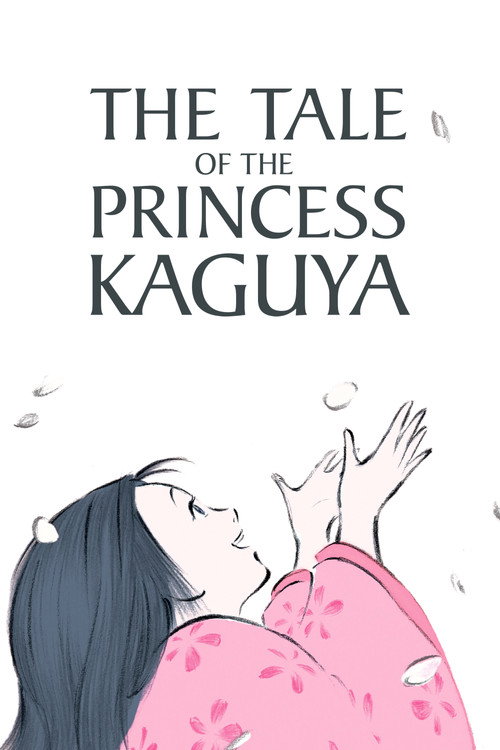
The Tale of The Princess Kaguya2013
Isao Takahata's final film is visually unlike anything else in animation—watercolor fables becoming photorealism—and it's about a girl becoming herself against her family's plans. Breathtaking and strange.
But It's 137 minutes and didactic; the film stops to explain its own mythology, which some find precious.
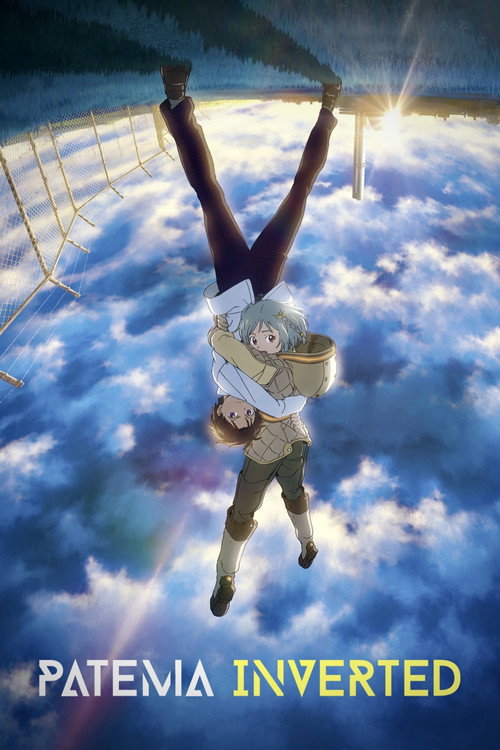
Patema Inverted2013
A sci-fi adventure about a girl discovering how wrong her understanding of the world is. The premise is gimmicky but the heart—learning to see what you've been taught to ignore—echoes Mirai's core.
But The plot mechanics matter more than character interiority. If you watch animation for emotional precision, this prioritizes puzzle over person.
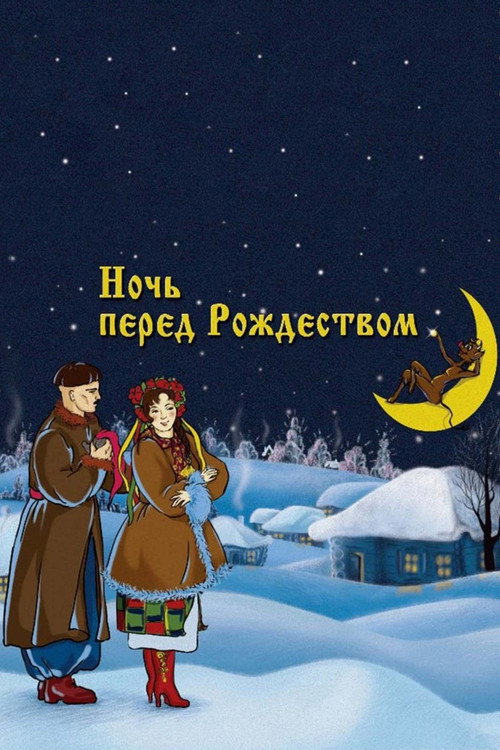
The Night Before Christmas1951
Both use animation's particular freedom to literalize a child's metaphorical journey inward, treating Christmas/family as spiritual rather than sentimental.
This Soviet stop-motion film—a boy journeys through time and space to understand why he matters—predates anime magical-realism by decades and uses the same logic: animation lets impossible journeys feel like emotional autobiography. Gorgeous, strange, and completely forgotten.
But It's 50 minutes and translated; the cultural specificity and fairy-tale pacing will feel remote to viewers raised on contemporary narrative rhythm.
People
Cast
 Moka KamishiraishiKun (voice)
 Haru KurokiMirai (voice)
 Gen HoshinoFather (voice)
 Kumiko AsoMother (voice)
 Mitsuo YoshiharaMysterious Man (voice)
 Yoshiko MiyazakiGrandmother (voice)
 Koji YakushoGrandfather (voice)
 Masaharu FukuyamaYoung Man (voice)
 Kaede HondoBaby Mirai (voice)
 Hakuzan KandaRobot at the Tokyo Station Lost & Found Center (voice)
 Tasuku HatanakaHigh School Student (voice)
 Asami SanadaGreat-Grandma (voice)
Directing
- Toshimasa IshiiAssistant Director
- Mamoru HosodaDirector
Writing
- Mamoru HosodaOriginal Story
- Mamoru HosodaWriter
Production
- Hitoshi ItoAssociate Producer
- Kei KushiyamaAssociate Producer
- Shuzo KasaharaAssociate Producer
- Yuya MachidaAssociate Producer
- Seiko OguchiCasting Director
- Eisuke ImanishiCasting Producer
- Daigo IkedaLine Producer
- Genki KawamuraProducer
- Takuya ItoProducer
- Yuichi AdachiProducer
- Yuichiro SaitoProducer
- Gai HazakoProduction Assistant
- Nozomu TakahashiProduction Manager
- Mirai KasePublicist
- Yoshinobu ObidaPublicist
Recommended by
Wolf Children, The Swan Princess, Josee, the Tiger and the Fish, Kamen Rider Drive: Surprise Future