Television series
Akagi
Akagi is a 2005 anime about a prodigy teenager who walks into a yakuza mahjong den and becomes an unstoppable gambling legend. It's hypnotic and tense—long sequences of tile-drawing reduced to pure psychological warfare. For anyone who loves high-stakes games, supernatural intuition, or watching someone operate on a level nobody else can reach. Thrilling and weirdly meditative.
Should you watch it?
Watch it if you love games where the suspense lives in a player's face and calculation rather than in action, and you don't mind a gambling table doing the work of a battlefield.
Skip it if you need mahjong's rules to feel clear, since much of each episode is tile arithmetic and sly reading of opponents, and the menace can feel oppressive.
What it asks of you: Twenty-six episodes of about twenty-five minutes each, mostly confined to one table, so it asks for patience with slow reckonings and close attention to numbers and faces.
Not sure? Find tonight's pick in a minute.
If you liked this
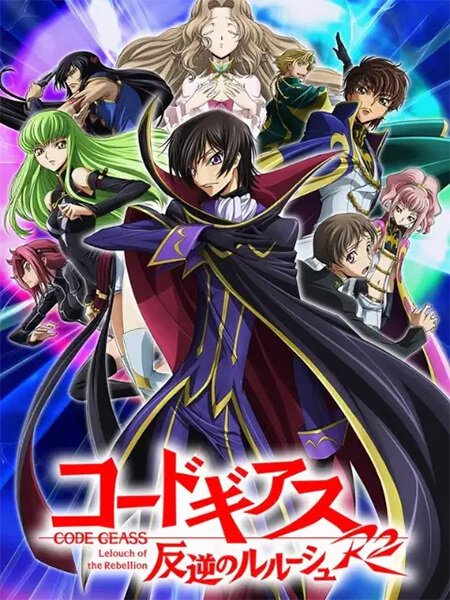
Code Geass: Hangyaku no Lelouch2006
A teenage protagonist discovers a reality-altering superpower and uses it to reshape the world through strategy and manipulation. Dense plotting, moral complexity, and an air of inevitable doom that builds across episodes.
But The pacing stumbles in the second season, and some character arcs feel abandoned or rushed. Anime melodrama peaks here—it can tip into overwrought.
Death Note2006
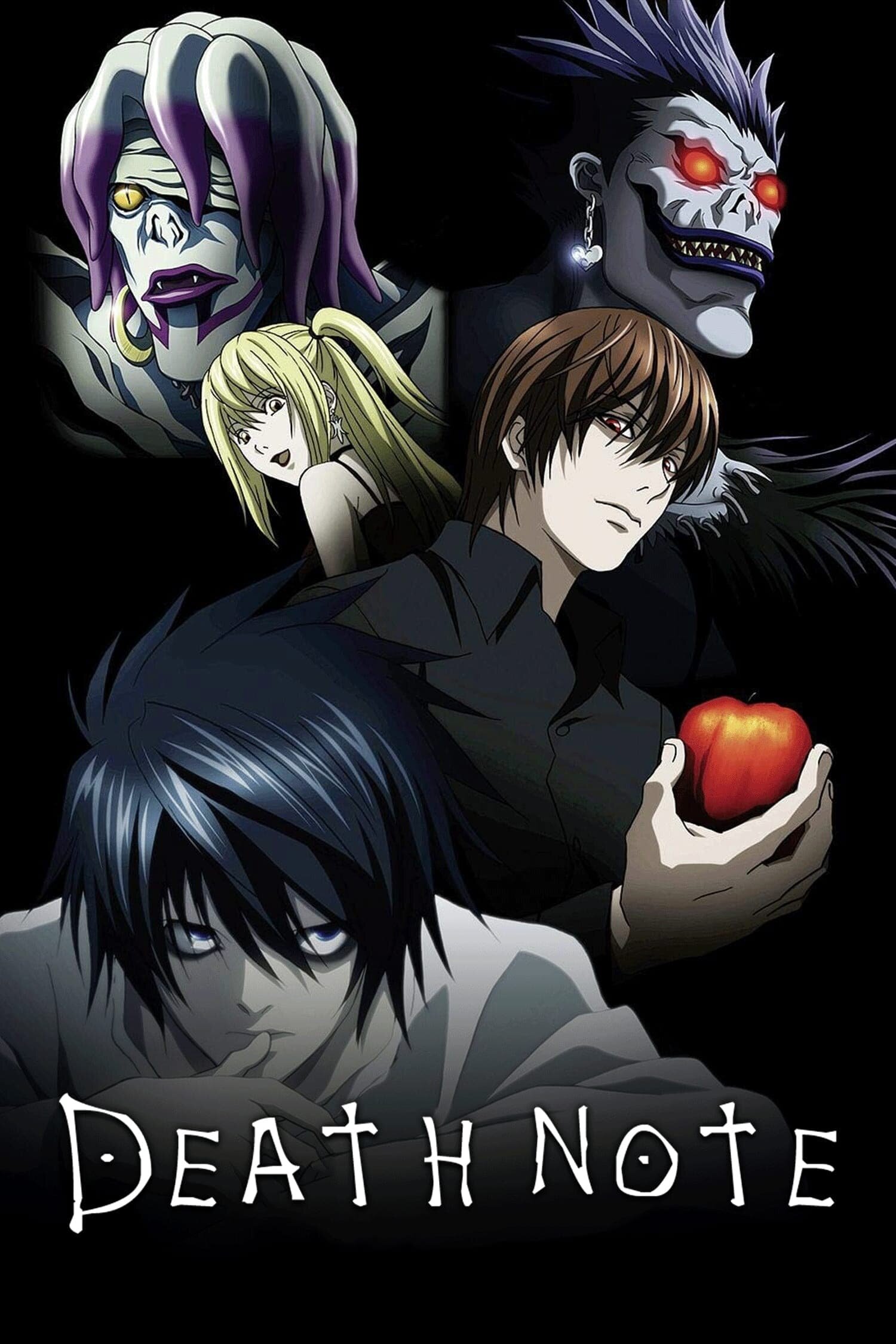
Genius teenager finds an object of absolute power and begins orchestrating a secret war of intellect. Taut cat-and-mouse tension, elegant premise, and the thrill of watching someone think three moves ahead.
But The second half loses steam when the core dynamic shifts. The conclusion divides people—some find it perfect, others feel it coasts.
Kaiji2007
Desperate young man enters illegal gambling tournaments where psychology matters more than luck. Extraordinary tension, creative visual language for card games, and a protagonist you genuinely fear for. Compulsive viewing.
But The art is intentionally ugly and grotesque. If you want something beautiful to look at, this isn't it. Pacing can drag when establishing stakes.

Not sure tonight? Get a pick in a minute, starting from Akagi
The wildcard
Something you would not have found on your own.
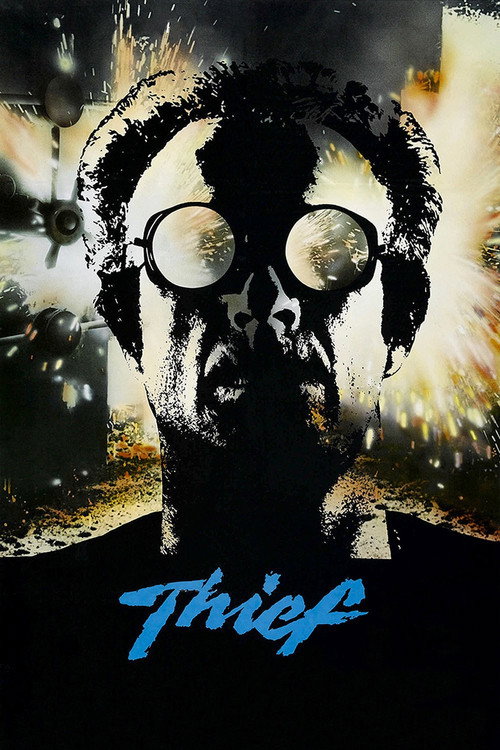
Thief1981
Both center on a protagonist whose genius lies in reading an opponent's moves before they're made. Mahjong and heists both require seeing the whole board.
Michael Mann's masterpiece about a professional burglar navigating the criminal underworld. Obsessive attention to craft, geometric precision in planning heists, and a protagonist reading situations like an oracle. Akagi's psychological intensity in a crime thriller format.
But 1981 aesthetic—slow burn, minimal score, patient character work. Contemporary action cinema has conditioned us to expect faster cuts and louder stakes.
More like this (8)
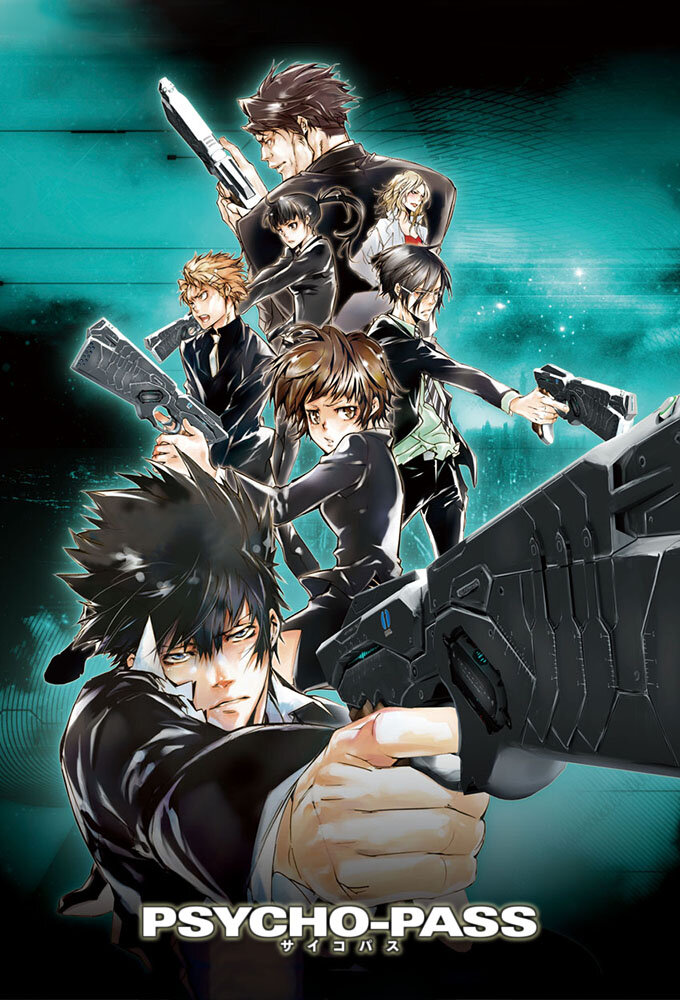
Psycho-Pass2012
Anime about a surveillance state where a system judges whether you're a criminal threat before you commit a crime. Philosophical, paranoid, and gripping—excellent dystopian worldbuilding with real philosophical weight.
But Heavy exposition dumps in the early episodes bog things down. Some philosophical arguments feel more surface-level than profound.
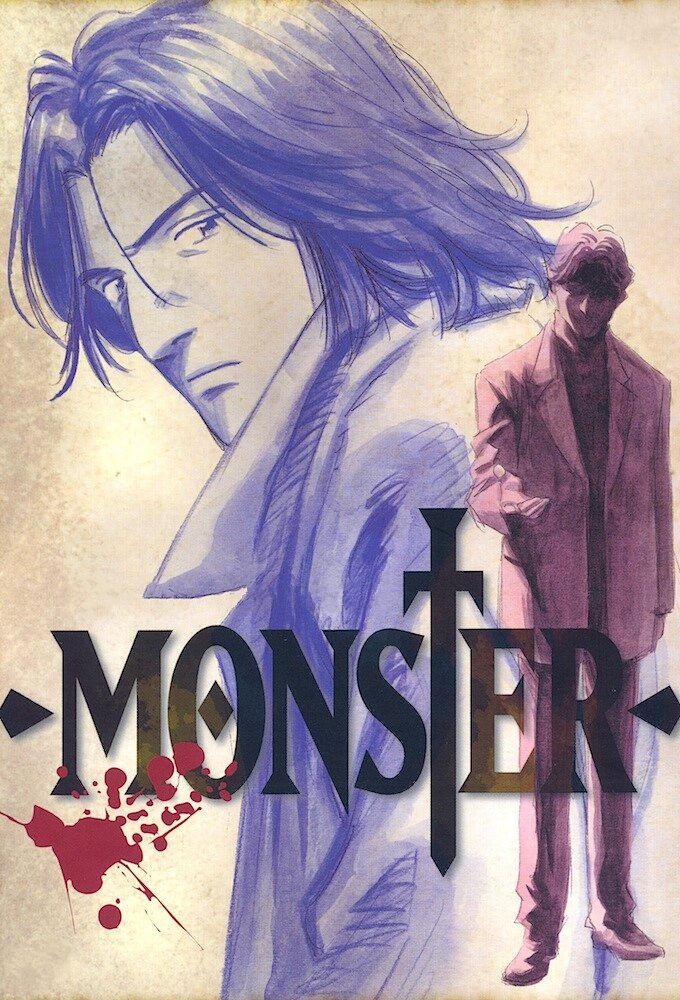
Monster2004
Psychological thriller following a doctor hunting a gifted psychopath across Europe. Methodical, atmospheric, and genuinely unsettling. Treats its audience like adults—no shortcuts, all implication.
But 74 episodes long and deliberately paced. If you need rapid plot movement, this will test your patience. Some stretches feel necessary but slow.
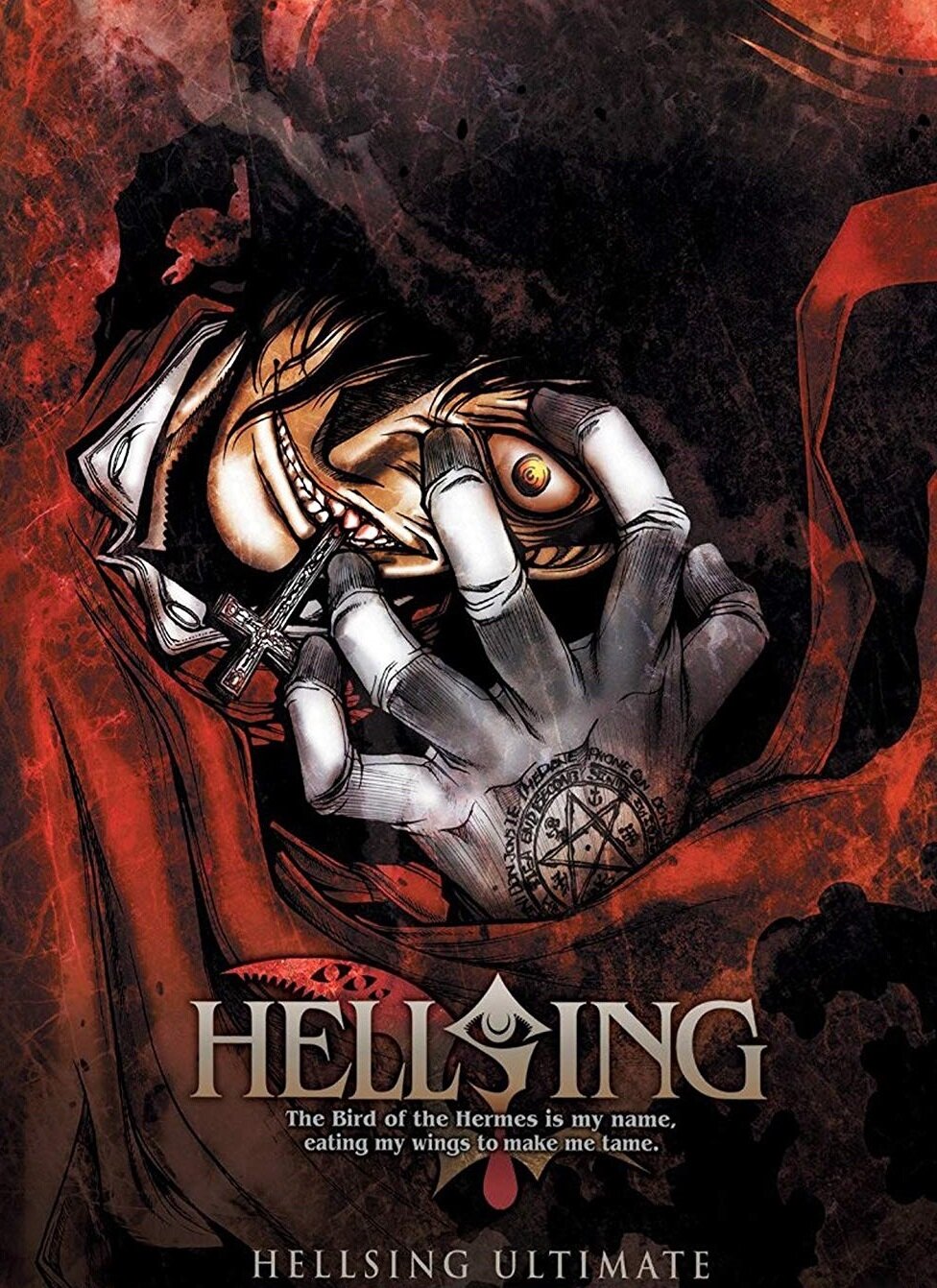
Hellsing Ultimate2006
Vampire action thriller with genuine style, moral ambiguity, and a protagonist who is powerful but not infallible. Stylish, violent, unexpectedly thoughtful about what it means to be a monster.
But The OVA format means long gaps between releases. Violence is explicit—not gratuitous, but unflinching. Some find the tone shifts jarring.
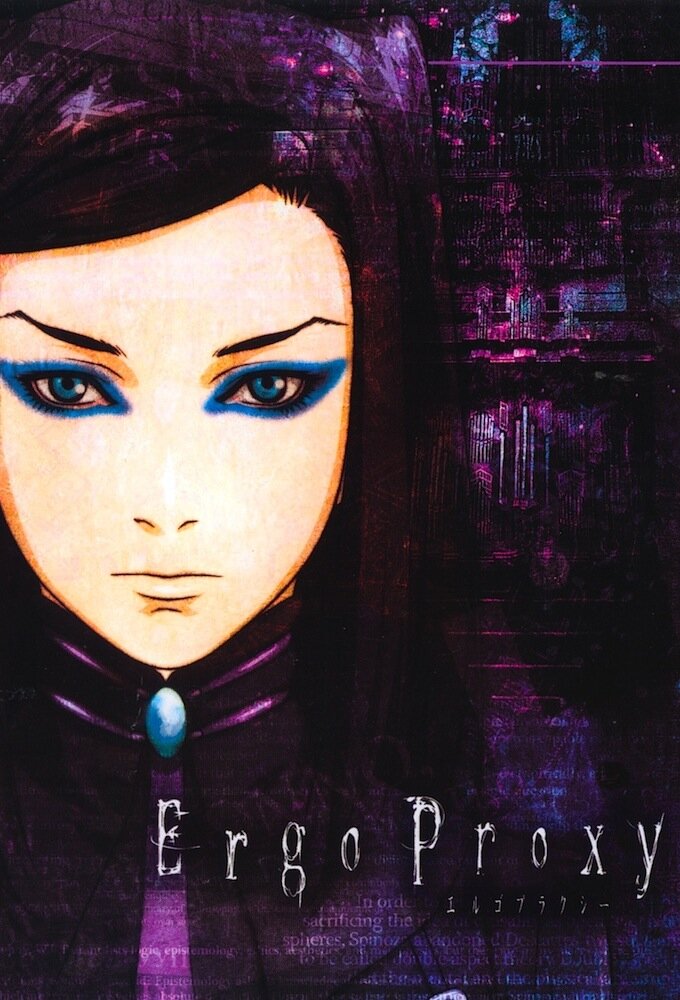
Ergo Proxy2006
Post-apocalyptic anime about two beings questioning their existence and agency. Philosophical, visually striking, and genuinely weird. For viewers who want their sci-fi to breathe and mystify rather than explain.
But Very abstract and impressionistic. Long stretches without plot advancement. Expects you to sit with ambiguity and won't reward constant engagement.
Bleach2004
Shonen action with a charismatic lead, supernatural intrigue, and fights that prioritize strategy alongside spectacle. Great soundtrack, confident style, and arcs that build genuine mythology.
But Runs for 366 episodes and pacing becomes uneven. Filler is extensive and the later arcs lose focus. Commitment required.

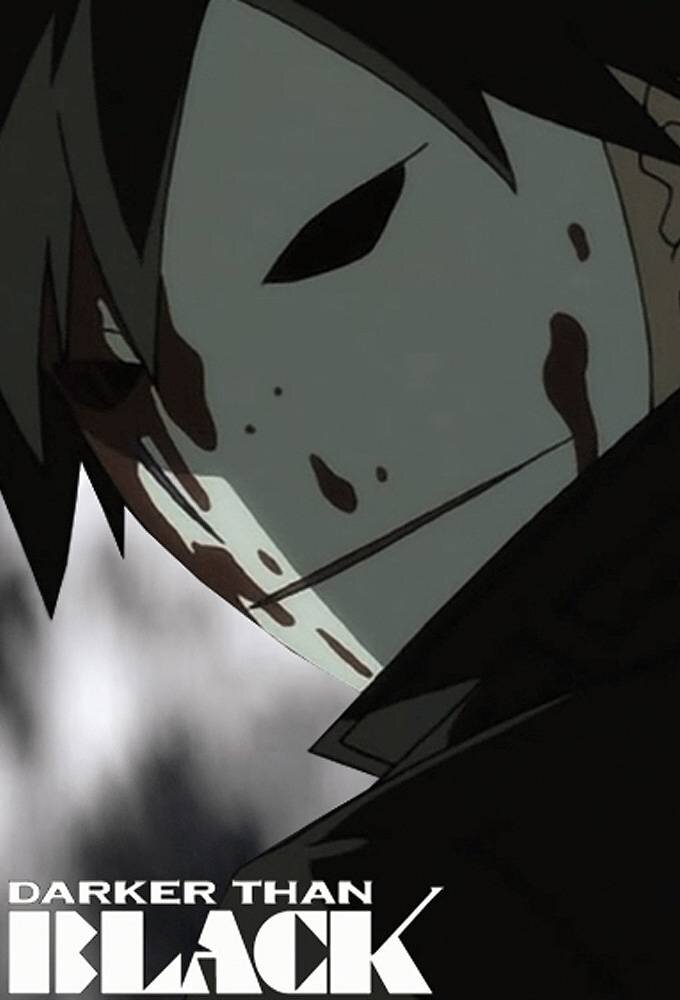
Darker Than Black2007
Spy thriller with assassins, double-crosses, and a protagonist shrouded in mystery. Stylish, episodic yet serialized, and genuinely clever about how information reveals character.
But The conceit takes time to click and early episodes feel scattered. Resolution in the finale is oblique—some find it satisfying, others incomplete.
Hidamari Sketch2007
Both are anime built around a visual philosophy—Akagi makes mahjong tiles hypnotic; Hidamari Sketch makes linework and color shifts feel like protagonist consciousness. Both prioritize how you see over what happens.
Manga adaptation about four art students sharing an apartment. Charming, funny, with a kinetic visual style that treats mundane moments like revelations. Shaft's directorial flourishes make slice-of-life feel urgent.
But Plot is minimal and episodic. If you need narrative momentum or high stakes, this is antithetical to Akagi. Some find it too whimsical.

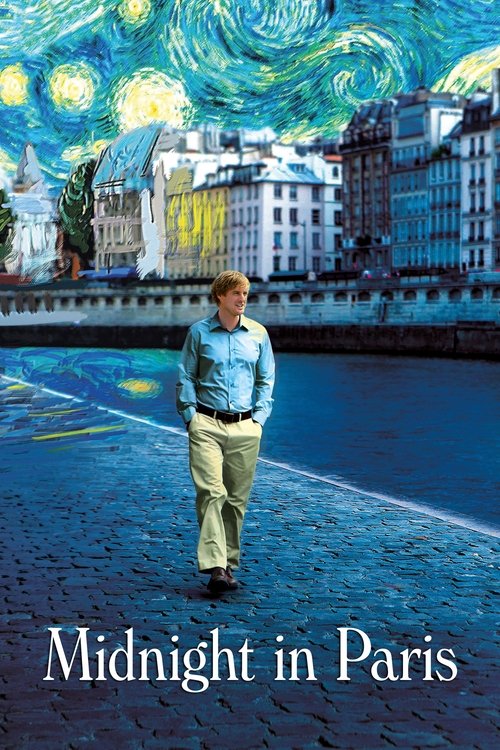
Midnight in Paris2011
Both explore a protagonist who believes they're operating on a higher plane than those around them, only to confront a harder truth. Akagi's genius is his prison; the film examines what prisons genius can construct.
A man finds himself transported to 1920s Paris each night and gradually realizes the problem isn't the present—it's him. Warm, funny, and genuinely moving about nostalgia and accepting reality. Woody Allen at his most graceful.
But Allen's narrative voice and whimsical tone can feel lightweight to some viewers. Sentimentality at odds with the film's own critique. Some find it too safe.