
Television series
Bleach
Bleach is peak mid-2000s shonen: a mouthy orange-haired teenager inherits a dead Soul Reaper's sword and job, and spends the next several hundred episodes swinging that sword at monsters while the show slowly reveals a whole bureaucratic afterlife behind him. It's stylish, loud, unashamedly melodramatic, and built for marathon watching — big fights, bigger hair, and a soundtrack that never stops trying to make you cry or headbang.
If you liked this
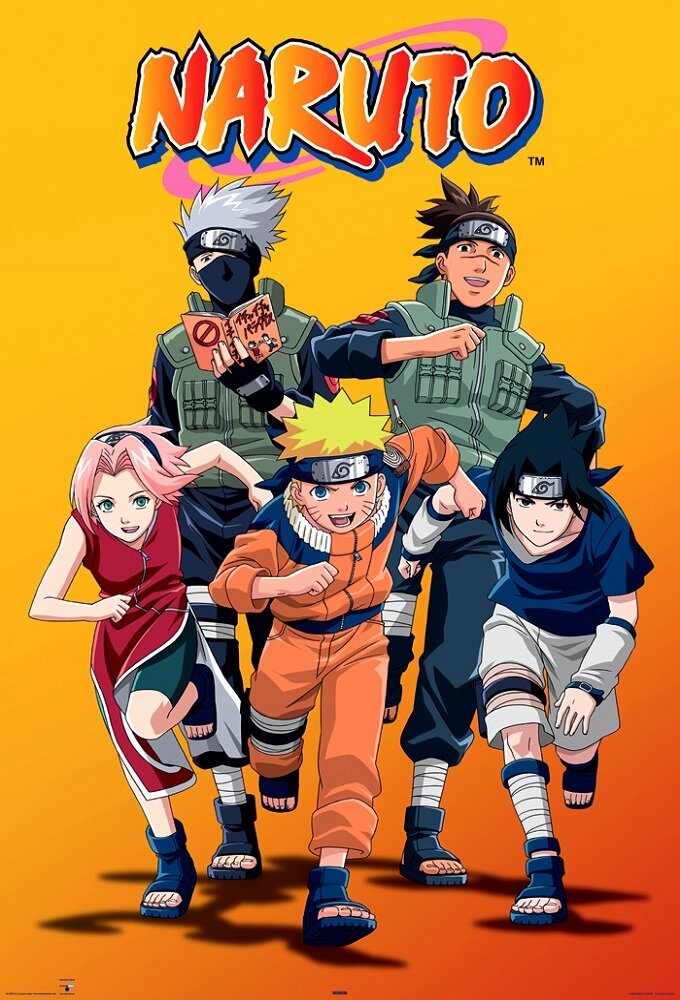
Naruto2002
The other titan of the era — same decade, same relentless commitment to backstory-via-flashback mid-fight, same slow-burn power escalation. If Bleach's rhythms hooked you, this ninja version will feel instantly familiar.
But It's even longer, with more filler arcs, and the pacing tests patience even by shonen standards.
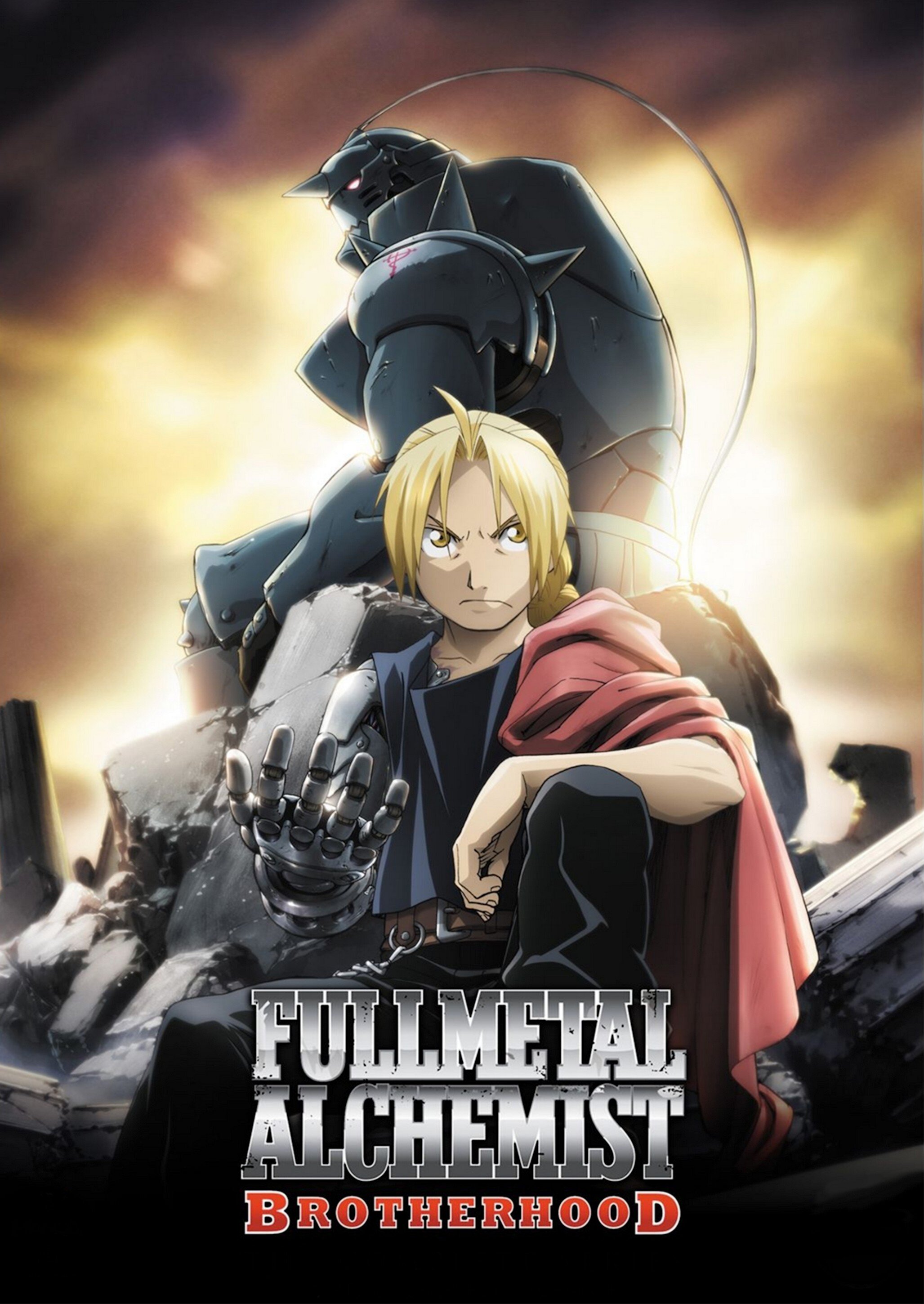
Fullmetal Alchemist: Brotherhood2009
Tighter, sadder, and structurally cleverer than most shonen — a story about grief and sacrifice wearing an action-adventure costume, with an ending that actually earns its emotion.
But Less pure spectacle than Bleach; the humour is drier and the fights are more about ideas than choreography.
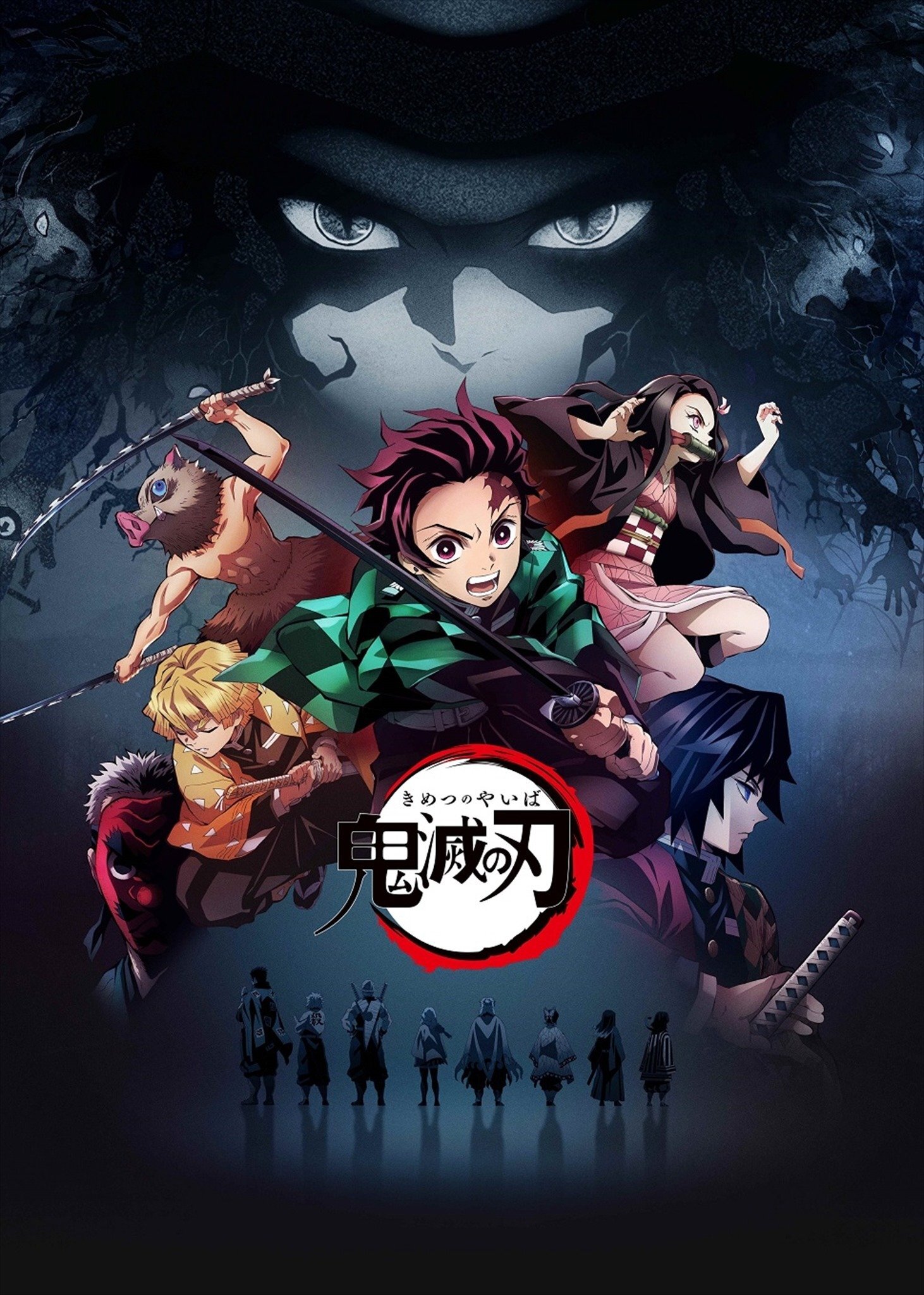
Demon Slayer2019
Gorgeous, modern animation applied to the exact same engine — orphaned teen, magic sword, monster-hunting bureaucracy — with fight scenes so fluid they border on abstract art.
But The plot is thinner and more repetitive than Bleach's, leaning almost entirely on visual spectacle to carry it.
The wildcard
Something you would not have found on your own.
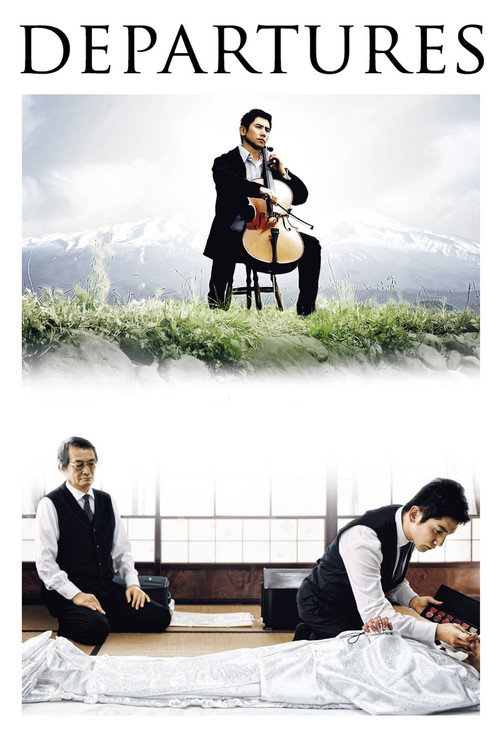
Departures2008
Bleach turns guiding souls to the next world into an action sport; Departures shows the same job done by hand, in silence, by someone who has to actually sit with the dying and the dead. Same idea about death as work — completely different volume.
A young cellist loses his job and falls into work preparing the dead for cremation in a strict, beautiful Japanese ritual — and the film turns that into one of the gentlest, most moving things you'll ever watch.
But There are no monsters, no swords, no jokes about the afterlife — just long, quiet scenes of grief and ritual. Some will find it too slow, too sad.
More like this (8)
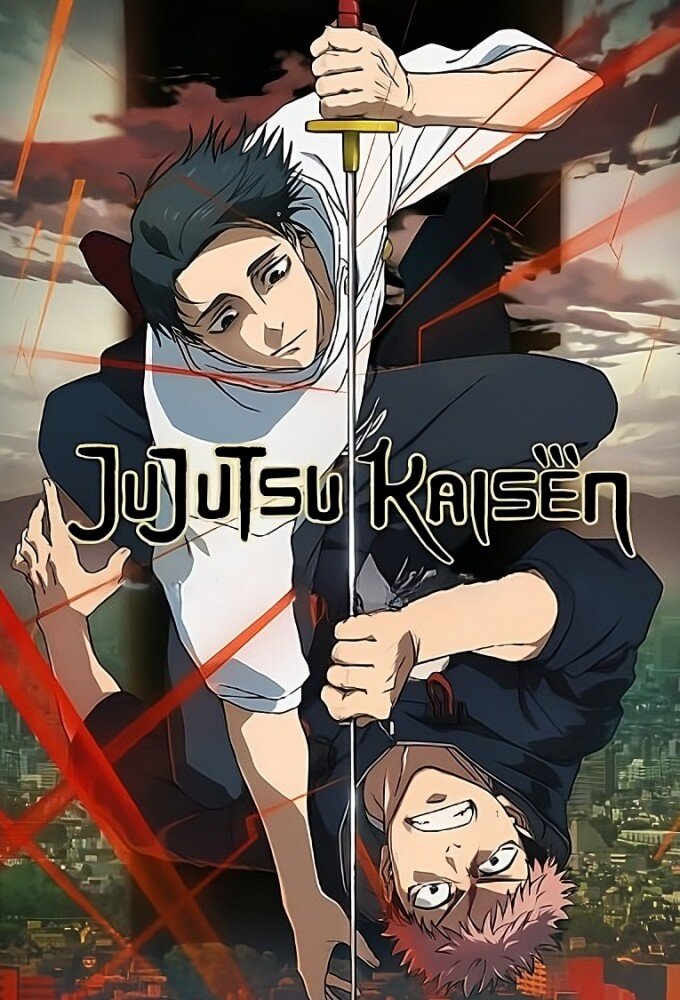
Jujutsu Kaisen2020
Cursed spirits instead of Hollows, but the same DNA — ordinary kid swallowed into a hidden war, mentors with secrets, fights that escalate into philosophy about power and its cost.
But Darker and more cynical in tone; less of Bleach's goofy camaraderie, more dread.
Yu Yu Hakusho: Ghost Files1992no page yet
The blueprint. A dead teenager becomes a spirit detective and starts brawling his way through the afterlife's bureaucracy — Bleach owes this show a debt it never quite repays.
But Older animation, slower pacing, and a much scrappier, lower-budget feel that some viewers won't forgive.
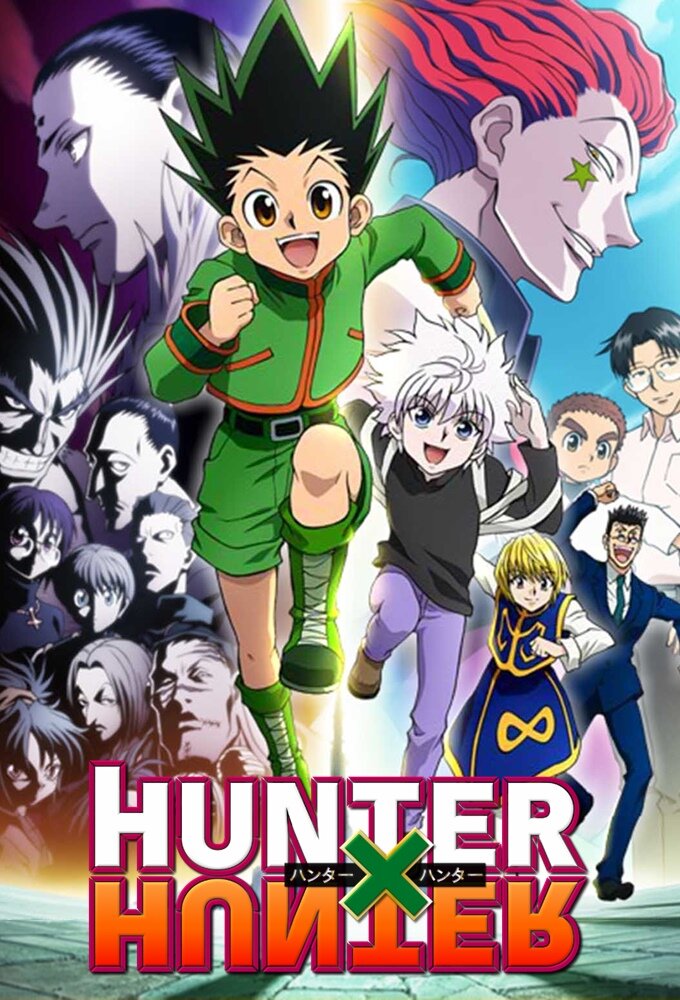
Hunter x Hunter2011
Same ambition for scale and mythology, but with a power system so rigorously thought-through it makes most shonen fights look like arm-wrestling. Genuinely one of the smartest in the genre.
But It can go months without a real fight while it builds elaborate political set-pieces — thrilling if you're patient, maddening if you're not.
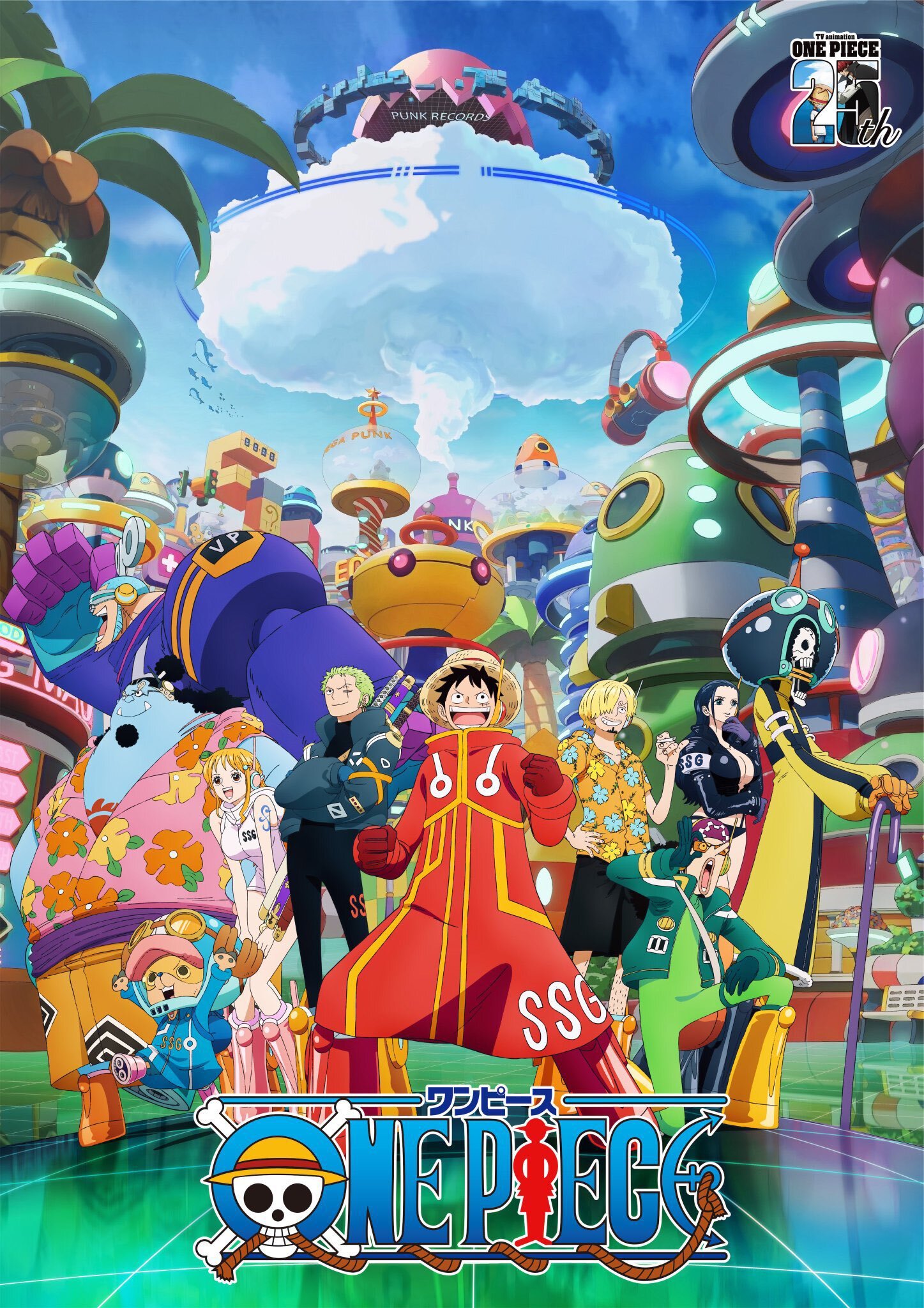
One Piece1999
If you want Bleach's scale and sense of a sprawling, rule-bound universe but with pirates instead of soul reapers, this is the mother of all long-haul commitments — and it delivers.
But It's over a thousand episodes long and asks for a level of commitment that borders on a second career.
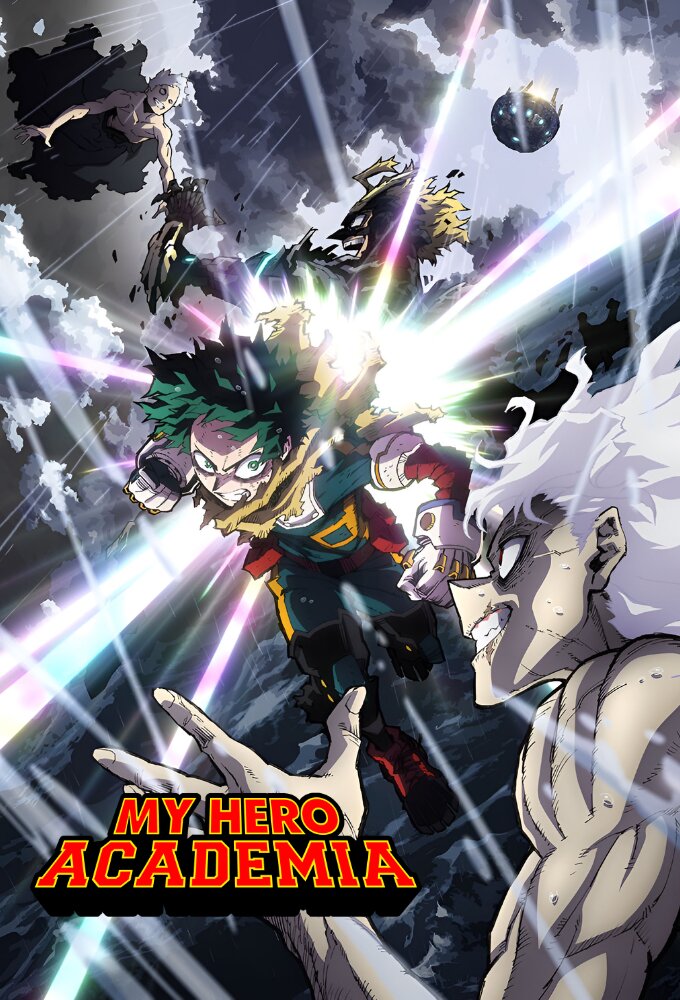
My Hero Academia2016
Swap swords for superpowers and you get the same underdog-finds-his-power arc, the same warm ensemble cast, and the same gift for turning training montages into genuine drama.
But More school-life focused early on, and its central hero is earnest in a way Bleach's prickly protagonist never bothers to be.
Soul Eater2008no page yet
The closest thing to Bleach in aesthetic and morbid whimsy — death gods, weapon-partners, a Tim Burton-ish visual style — but odder, funnier, and gleefully strange.
But It's shorter and the story wraps up more abruptly than the tone promises, leaving some threads dangling.
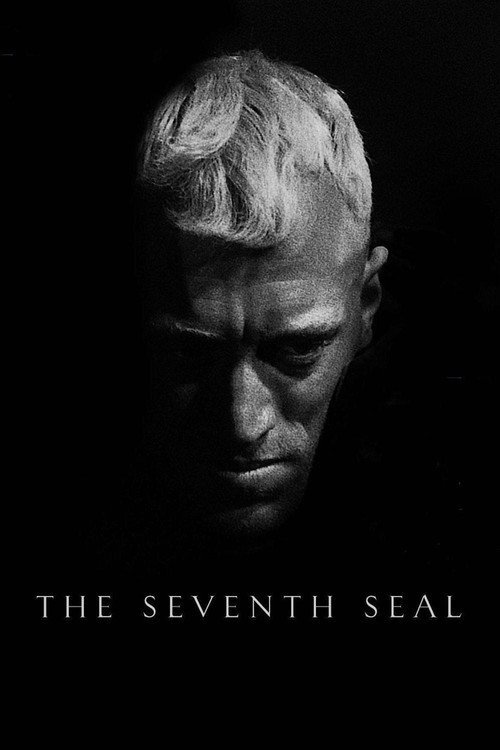
The Seventh Seal1957
Bleach dresses up the old question — what happens when a mortal bargains with Death, or stands in for it — in bright colours and sword fights. Bergman asked it first, in Swedish, in a plague year, and never once let anyone off the hook.
A knight plays chess with Death itself across a plague-ravaged medieval landscape, in Ingmar Bergman's stark, unforgettable meditation on mortality and meaning — cinema's original death-negotiation story.
But Black-and-white, subtitled, and philosophically dense — this is arthouse cinema at its most demanding, with zero interest in being fun.
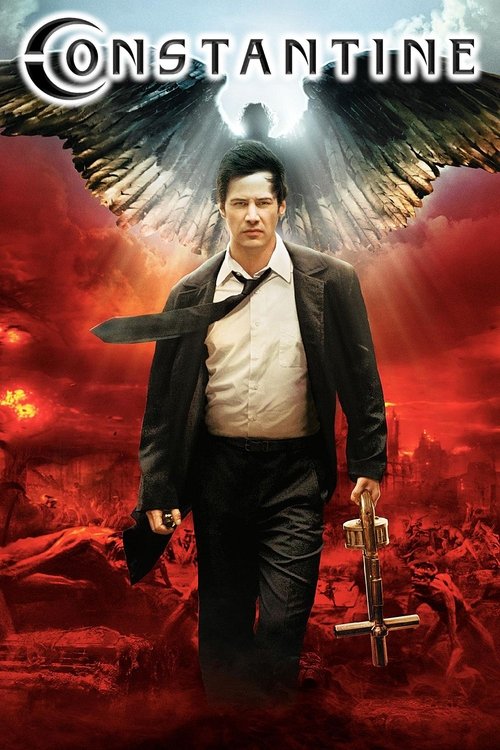
Constantine2005
Same premise, translated into Hollywood noir: an ordinary man with a supernatural gift, stuck fighting a hidden war between good and evil for reasons bigger than himself. Live-action, R-rated, and drenched in cigarette smoke instead of reiatsu.
Keanu Reeves as a chain-smoking exorcist who can see demons and angels walking among us, trading favours with Heaven and Hell to buy back his own soul — moody, stylish, unapologetically pulpy urban fantasy.
But The plot is thinner than the mythology it's built on, and Reeves' flat delivery won't work for everyone.
People
Cast


Writing
- Tite KuboCreator