
Television series
Phantom: Requiem for the Phantom
A relentless noir thriller about two assassins—one a cipher, one defiant—forced into service by a shadowy crime syndicate. Phantom: Requiem for the Phantom is taut, violent, and morally claustrophobic, built on the premise that some prisons have no bars. It's for viewers who want their anime dark and their protagonists trapped.
Should you watch it?
Watch it if you like cold, morally murky crime stories where loyalties and lies keep shifting, and a hero stuck at someone else's mercy doesn't bother you.
Skip it if you want action to carry the show, or you need warmth and a lighter tone; this one stays grim and its mood rarely lifts.
What it asks of you: Twenty-six episodes of twenty-five minutes each, so it's a modest commitment, but it demands close attention to who is lying to whom and asks you to sit with dread.
Not sure? Find tonight's pick in a minute.
If you liked this
Psycho-Pass2012
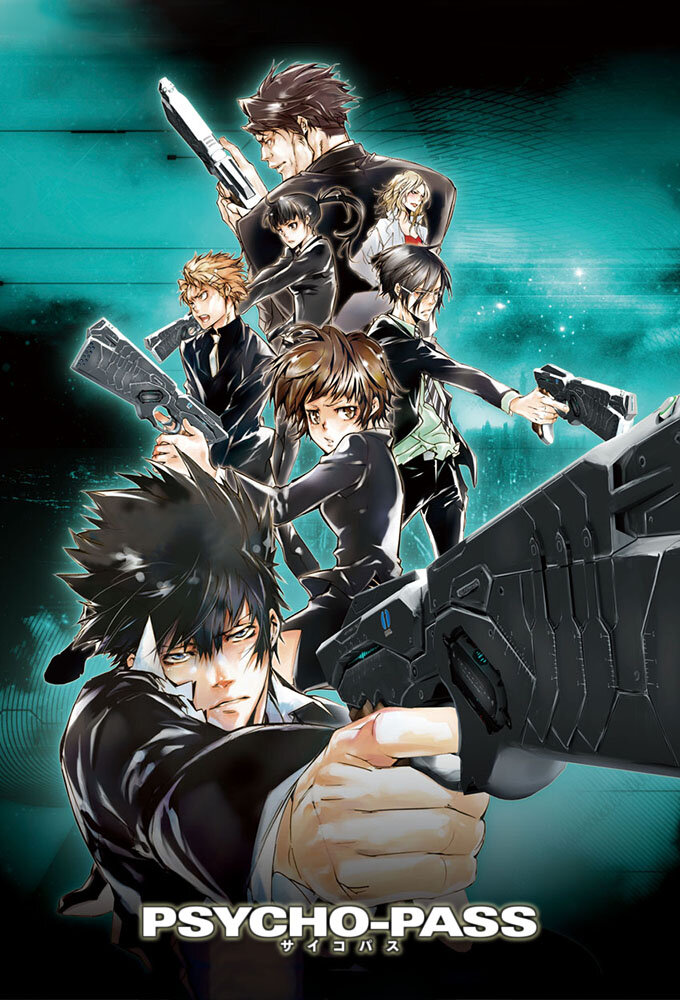
A surveillance state enforces order through predictive algorithms that mark citizens as threats. Like Phantom, it's about systems that dehumanize, and characters discovering the cost of compliance. Equally bleak and hypnotic.
But Slower in the middle, with philosophical detours that some find didactic. The protagonist's arc is less ambiguous than Phantom's.
Code Geass: Hangyaku no Lelouch2006
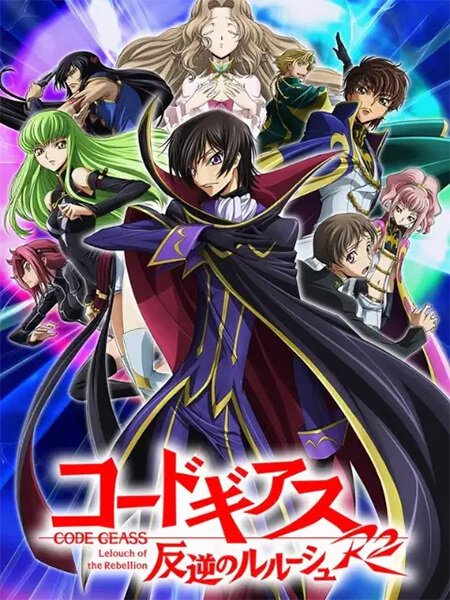
A student gains a power that lets him command anyone to obey. It shares Phantom's obsession with control, identity erasure, and the addiction of power—plus the same sense that victory might be the worst outcome.
But Occasionally melodramatic, and the final stretch divides viewers sharply on whether it earns its ending.
Darker Than Black2007
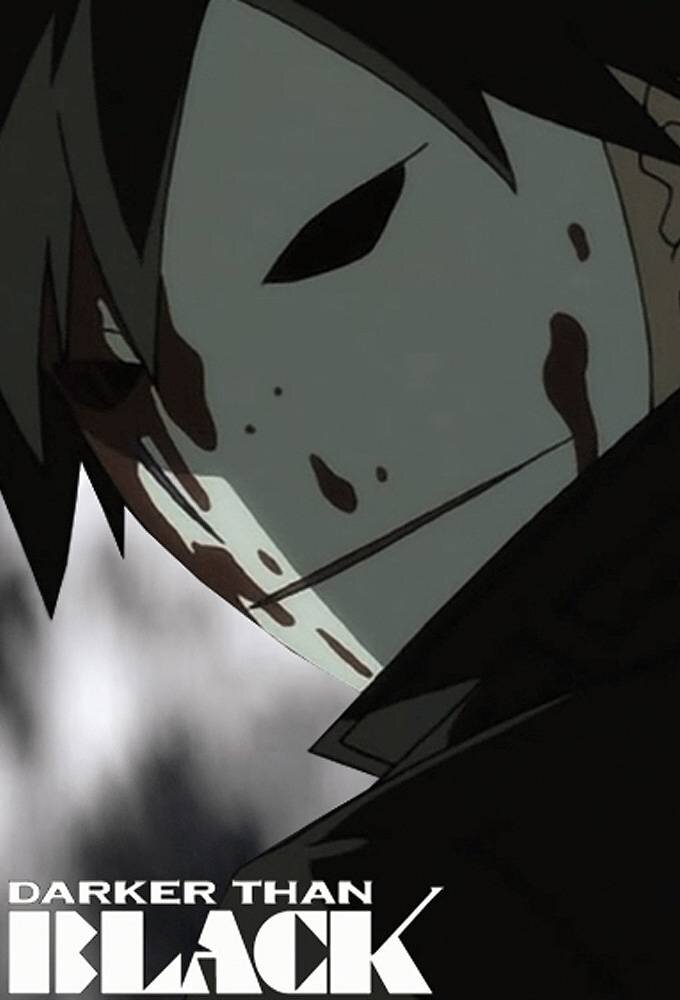
Contract killers with erased identities work for an unseen power. The parallel structure is uncanny: same bones, same dread, same question of whether freedom is possible once you're compromised.
But More episodic than Phantom. Less invested in character arcs; more interested in cool assassinations and mystery-box plotting.
Not sure tonight? Get a pick in a minute, starting from Phantom: Requiem for the Phantom
The wildcard
Something you would not have found on your own.
Nikita1990
Both explore state-sponsored assassination and forced identity erasure as a metaphor for the annihilation of self.
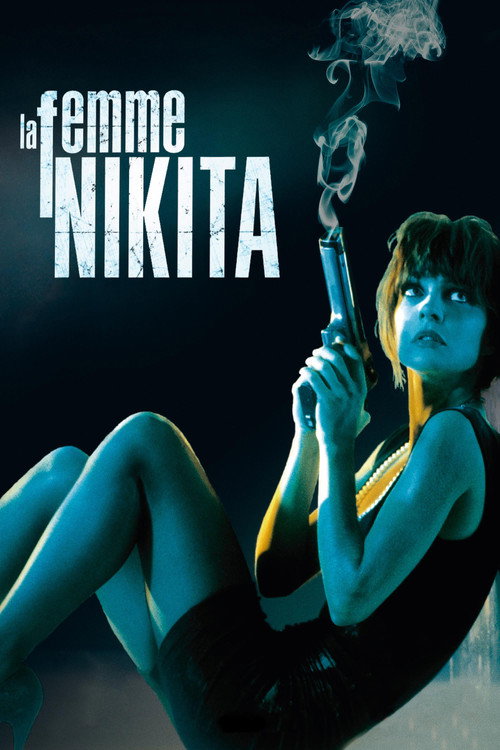
A death-row inmate is coerced into becoming an assassin for the French state. This is Phantom's spiritual ancestor—the same premise, the same question of whether a person can be remade as a weapon. Luc Besson's direction is operatic where anime is lean, but the moral rot is identical.
But Shot in 1990 on film; the pacing and color palette are of their era. Some find it dated. Less introspective than Phantom; more interested in style and spectacle.
More like this (7)
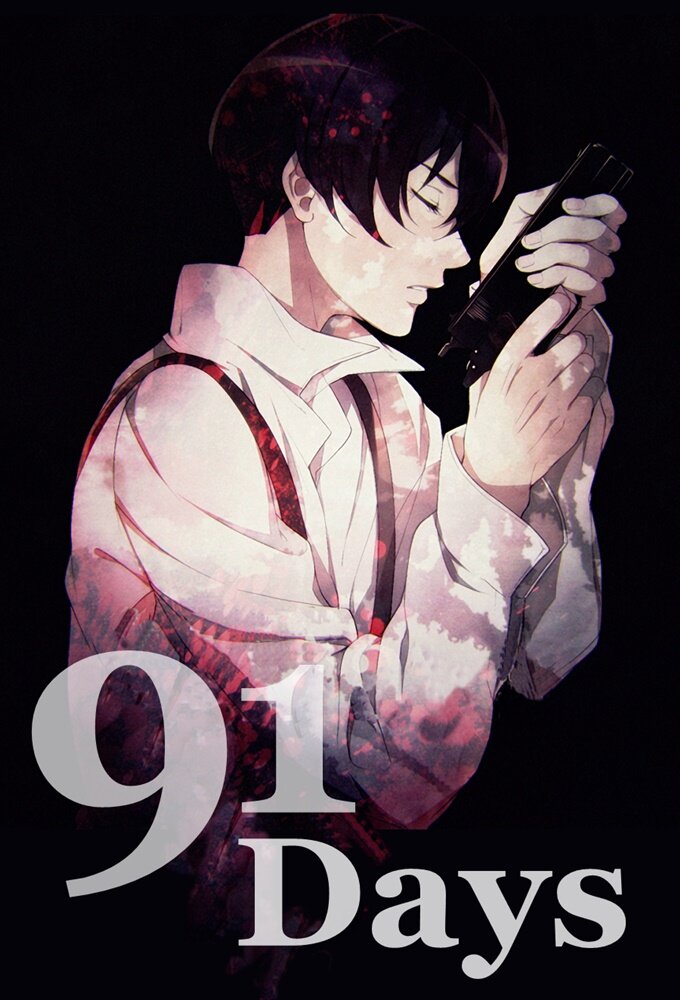
91 Days2016
Prohibition-era mafia revenge in 13 episodes. Compact, relentless, and suffused with the same atmosphere of betrayal and escalating violence. Understands that loyalty is a luxury the trapped cannot afford.
But The ending is murky; some viewers wanted closure the show refuses to give. The protagonist less developed than you might hope.
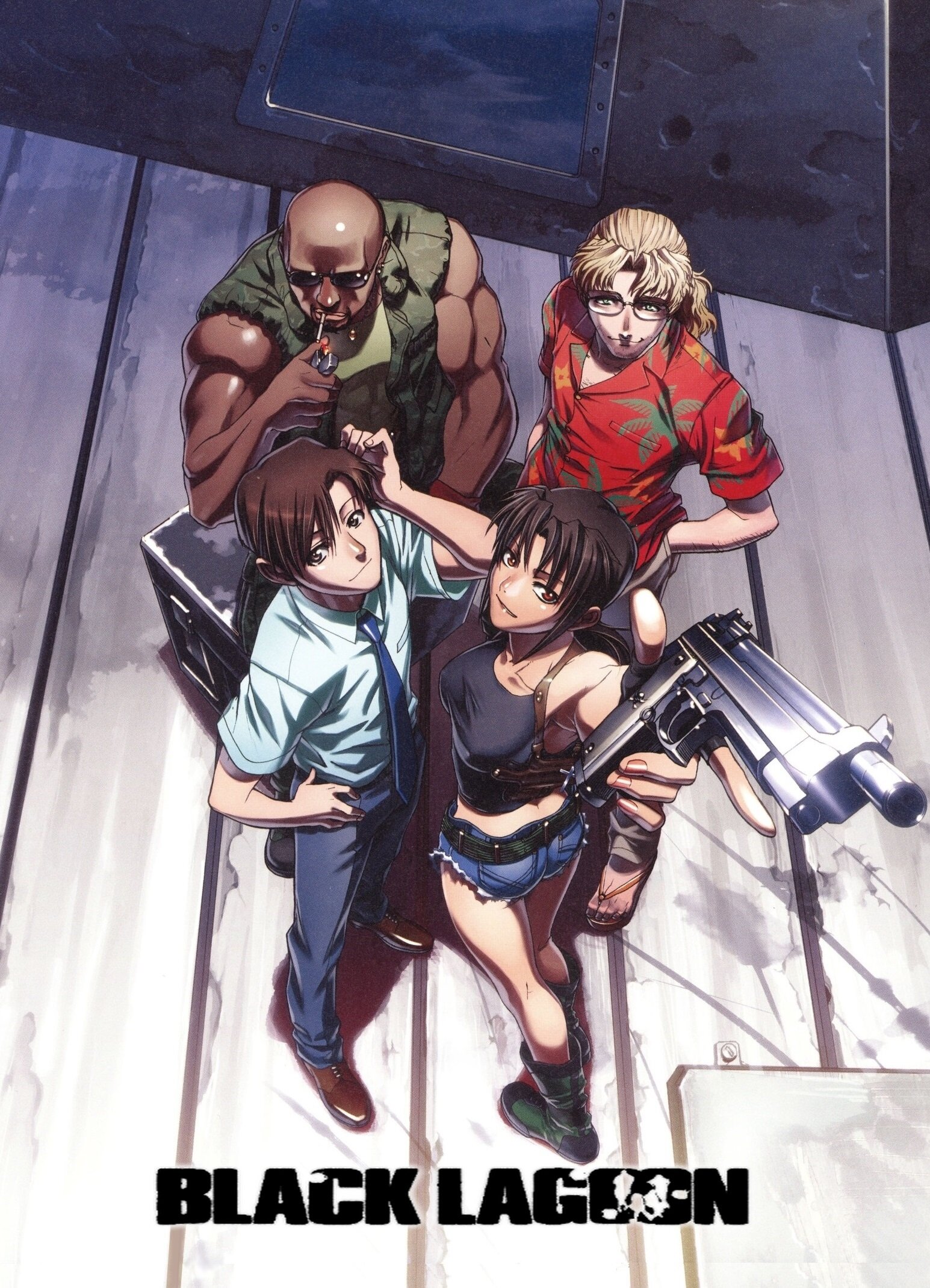
Black Lagoon2006
A salaryman shanghaied into piracy and contract killing. Lighter in tone than Phantom but sharper on the pleasure and horror of the outlaw life. Same question: can you ever go back?
But The female characters, though complex, are sometimes played more for titillation than Phantom manages. Tonal inconsistency between arcs.
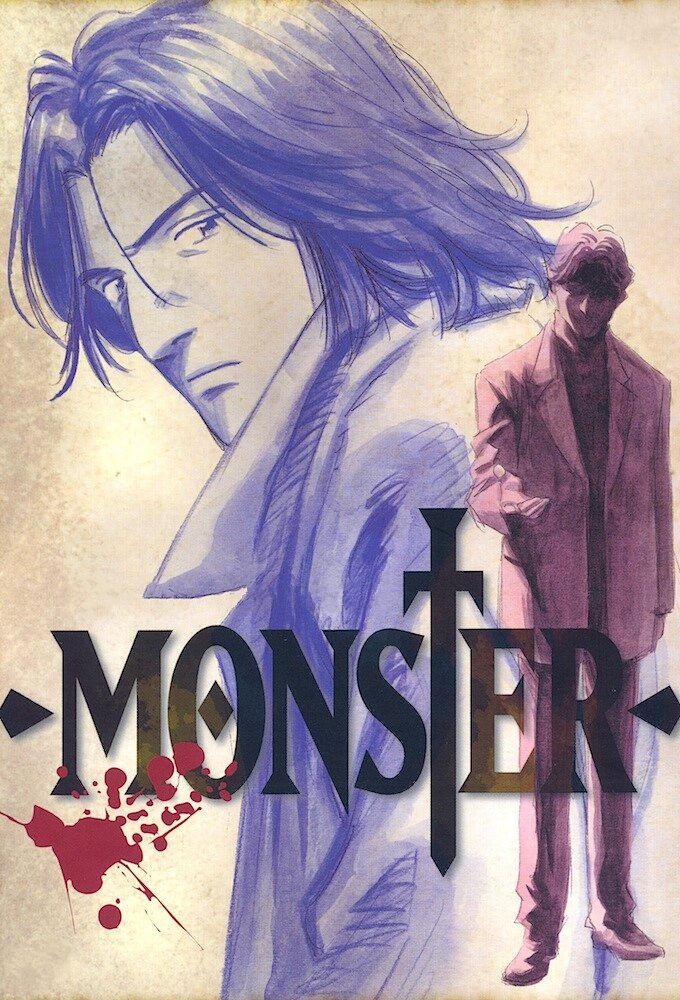
Monster2004
A doctor hunts a former patient, now a serial killer, across Europe. Sprawling psychological thriller that understands complicity—how helping someone creates an obligation that won't let you go. Same moral quicksand.
But 74 episodes and deliberately paced. Requires patience and rewards it, but not everyone has the time or taste for that.
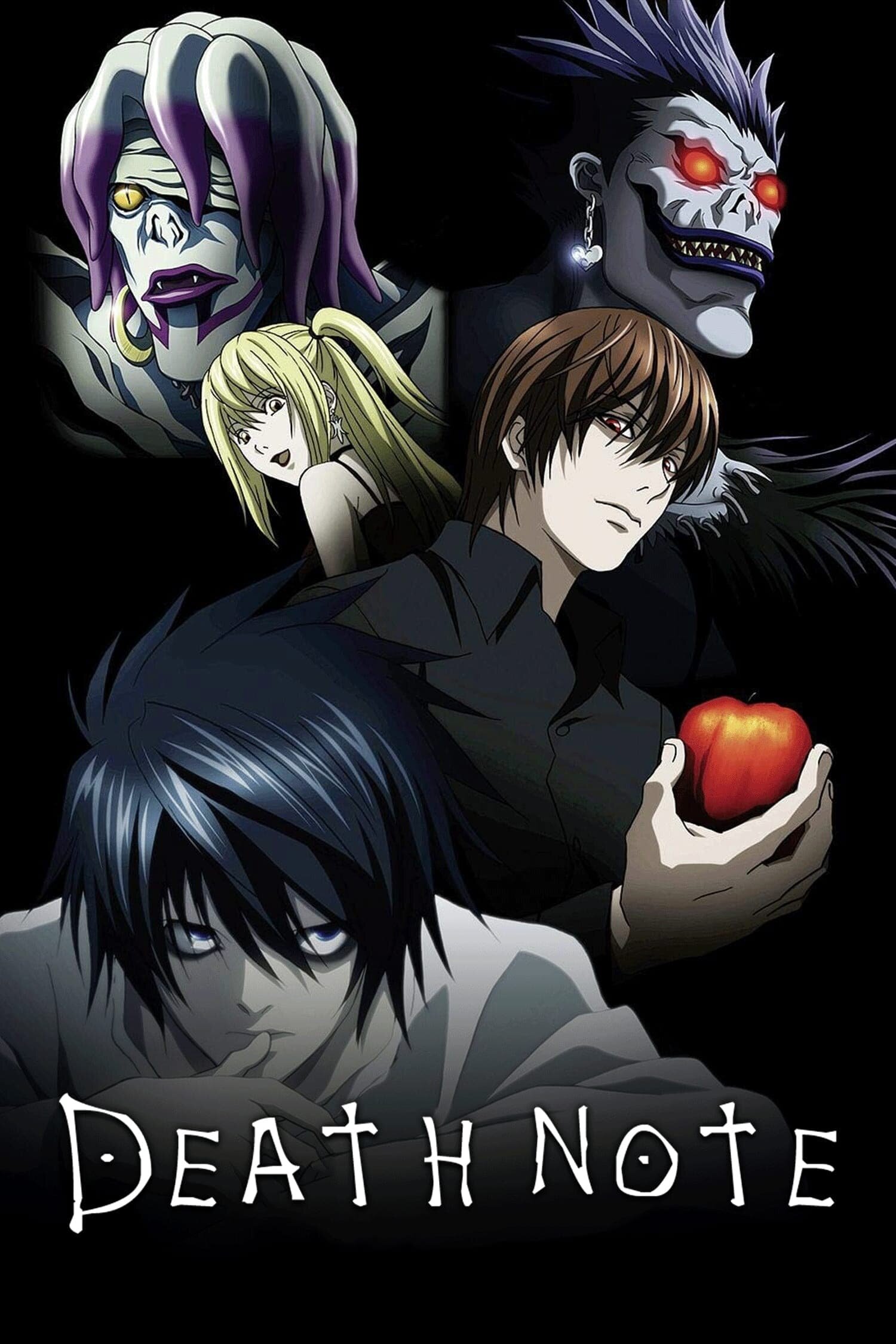
Death Note2006
A teenager gains power over life and death and becomes a god-complex antihero. The intellectual gamesmanship differs from Phantom's brutalism, but both are about the intoxication of untouchable authority and its inevitable fall.
But The second half is weaker than the first. Falls into cat-and-mouse repetition that loses psychological weight.
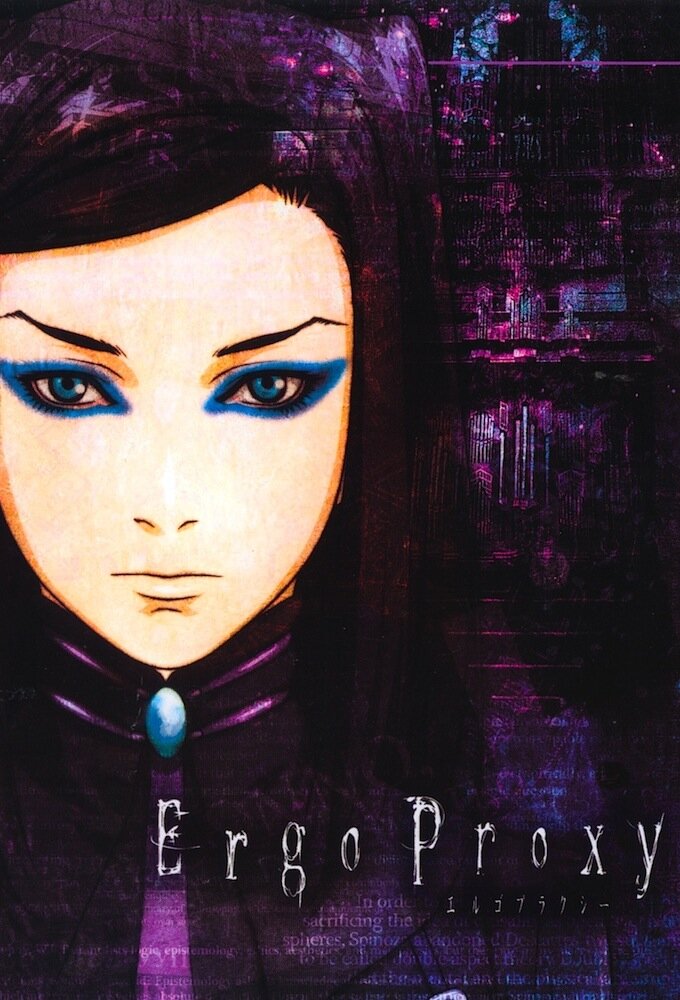
Ergo Proxy2006
Post-apocalyptic meditation on consciousness, identity, and the self. Visually stunning and conceptually dense. If you loved Phantom's darkness but also want pure atmosphere and philosophical unease.
But Abstract, digressive, and deliberately obscure. Rejects conventional narrative. If you want plot clarity, this will frustrate you.
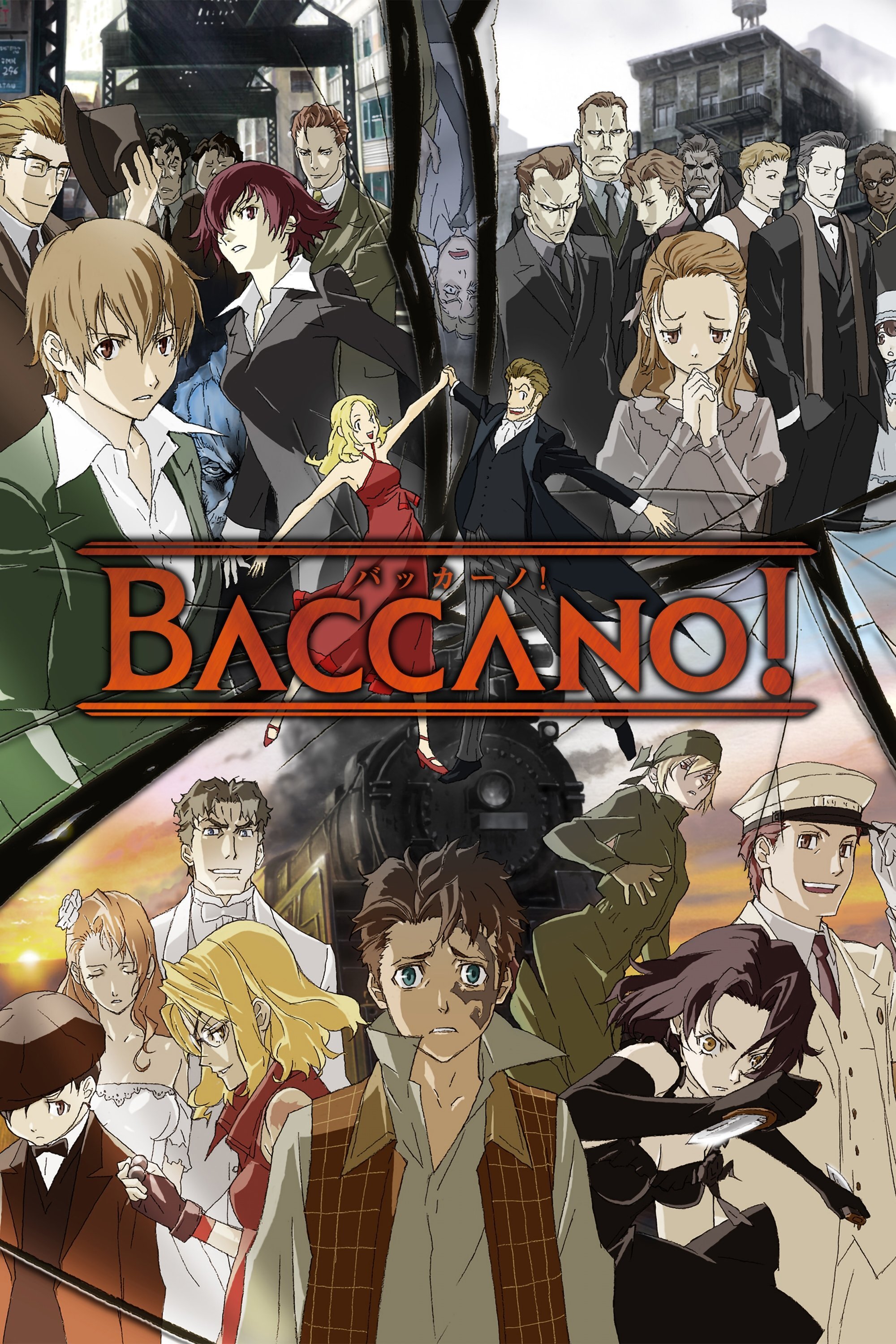
Baccano!2007
Both build worlds where violence is a language and the powerless are merely tools. Both refuse the comfort of a moral center.
Prohibition-era New York, alchemists, immortals, and gangsters. Like Phantom it's a thriller about moral compromise and amoral systems, but told through a kaleidoscope of viewpoints that refuse a single story. Frenetic where Phantom is methodical, but equally violent and cynical.
But The narrative structure is deliberately chaotic; if you want linear causality you'll find it maddening. The tone bounces between noir and comedy in ways some find jarring.
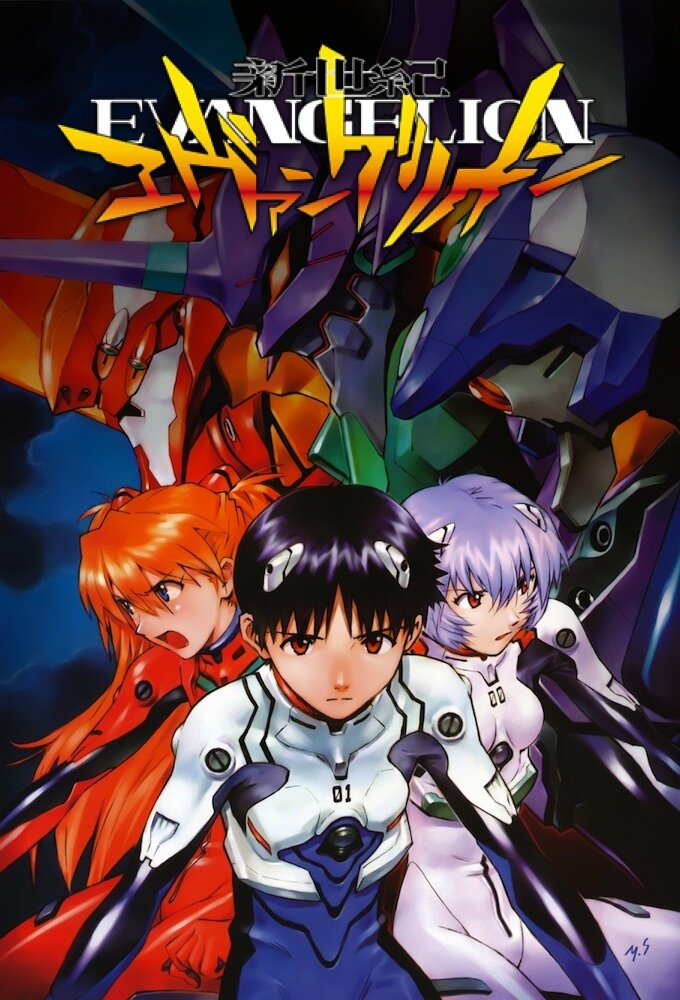
Neon Genesis Evangelion1995
Both are dark meditations on the erasure of identity under coercive systems. Both end with the question: what remains of you when everything is taken?
Teenagers forced to pilot giant robots in a war they don't understand, their identities fragmented by trauma and command. The surface is different—mecha instead of assassins—but Evangelion is also about young people stripped of agency and possibility, remade as weapons, watching themselves disappear. Horrifying in the same way.
But The final two episodes are intentionally incoherent and abstract. The TV ending baffles viewers deliberately; if you need clear resolution this will enrage you. Deeply uncomfortable and sometimes bleak for its own sake.
People
Cast






Recommended by
Gunslinger Girl, Noir, Witch Hunter Robin, Unbreakable Machine-Doll, Gokukoku no Brynhildr, Puella Magi Madoka Magica the Movie -Rebellion-, The Anthem of the Heart, Le Chevalier D'Eon, Iron Man: Rise of Technovore