Television series
Gokukoku no Brynhildr
A high school boy reunites with a girl who resembles his dead childhood friend—only to discover she's an escaped test subject with supernatural powers. This anime blends genuine melancholy with sci-fi thrills: a story about loss, the dangerous line between hope and obsession, and what it means to be human when you're built in a lab. Tonally volatile but earnest.
Should you watch it?
Watch it if you love a stargazing sci-fi story where a lonely boy's quiet devotion to an impossible promise matters more than the spectacle around it.
Skip it if you want fast, plot-driven sci-fi, since this one lingers on everyday school life and awkward feelings before its premise takes hold.
What it asks of you: Thirteen episodes of roughly twenty-five minutes each, opening with slow classroom routine and night-sky quiet, so patience is rewarded gradually rather than all at once.
Not sure? Find tonight's pick in a minute.
If you liked this
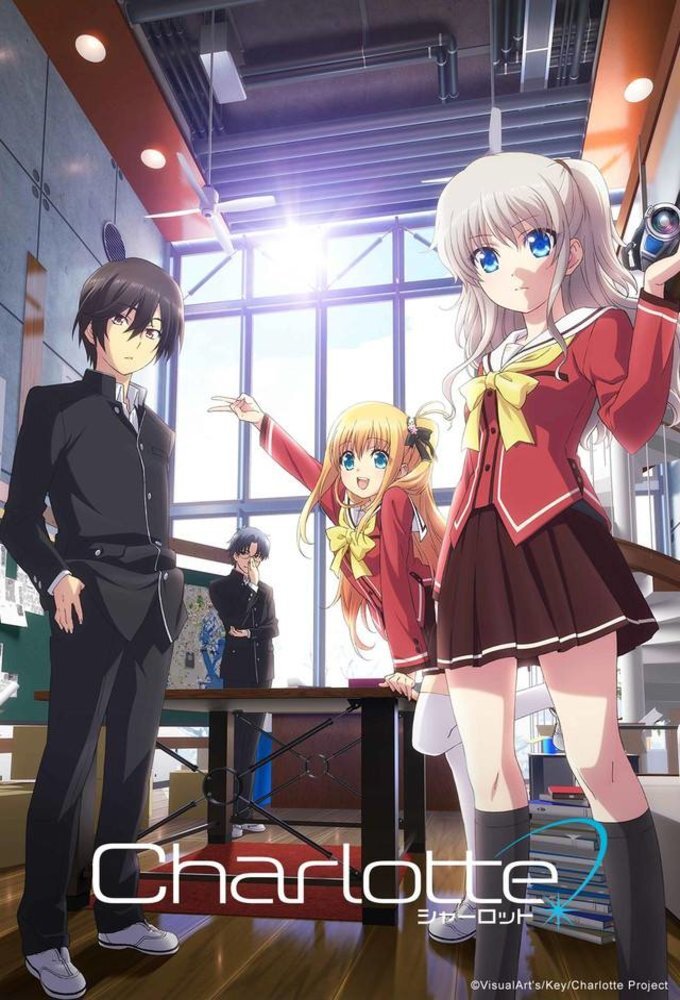
Charlotte2015
Same DNA: a high schooler discovers friends with impossible abilities, then watches everything spiral into real consequence. The emotional whiplash is the point. Shaft's animation carries the weight.
But The final arc pivots so hard toward melodrama that it risks feeling manipulative if you're not ready for it.
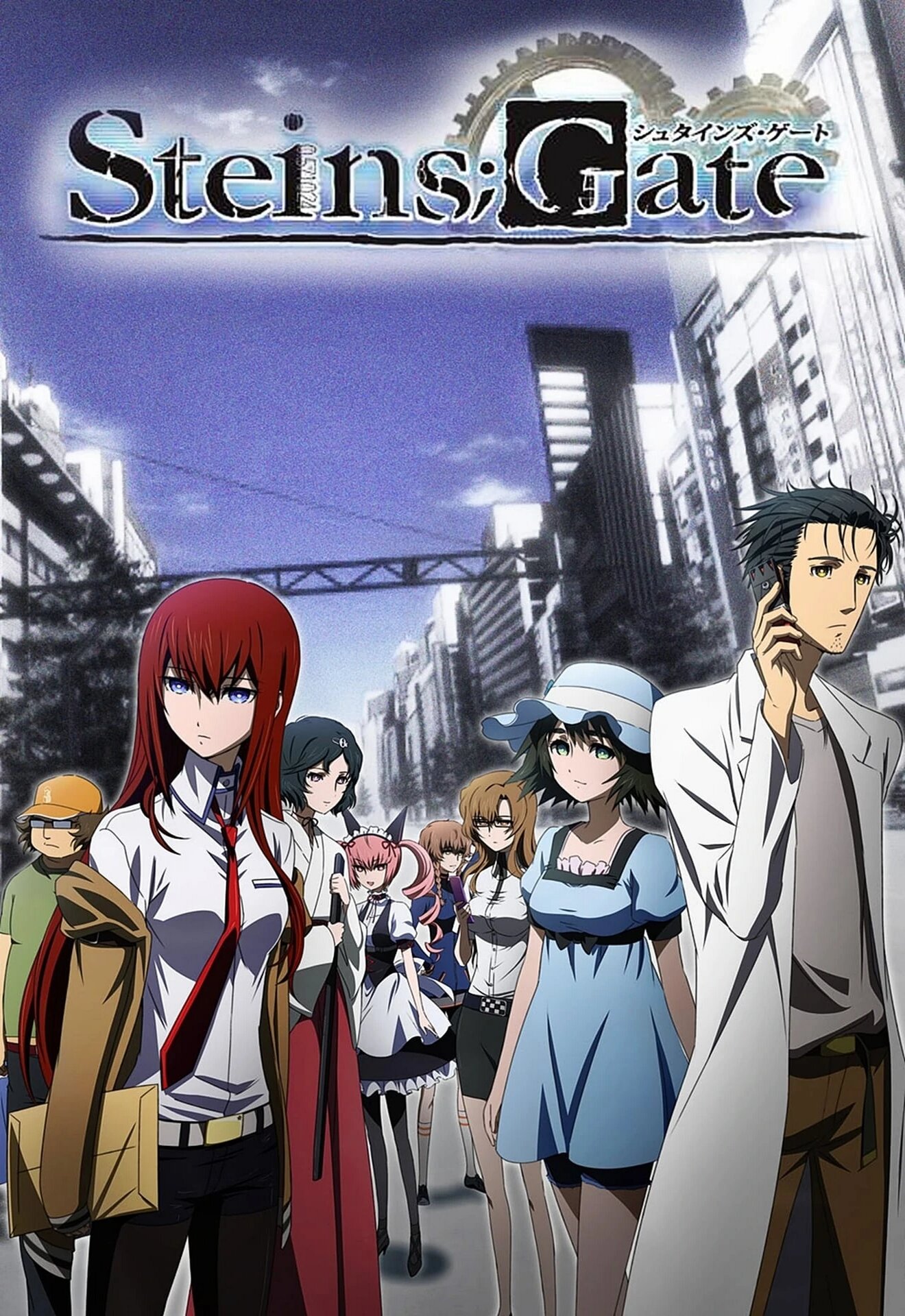
Steins;Gate2011
Obsessive teenager tries to rewrite the past; the first half feels light before the series wrecks him. The mystery is genuine, the stakes accumulate, and the ending is earned in ways that hurt.
But Slow start. The time-travel logic gets labyrinthine, and patience is non-negotiable.
Grisaia no Kajitsu2014
Five broken girls in an isolated school, each harboring trauma and secrets. It mines that same space between sanctuary and laboratory, tenderness and exploitation.
But Visual novel pacing means entire episodes build toward single revelations. The tonal shifts between comedy and horror can feel jarring.

Not sure tonight? Get a pick in a minute, starting from Gokukoku no Brynhildr
The wildcard
Something you would not have found on your own.
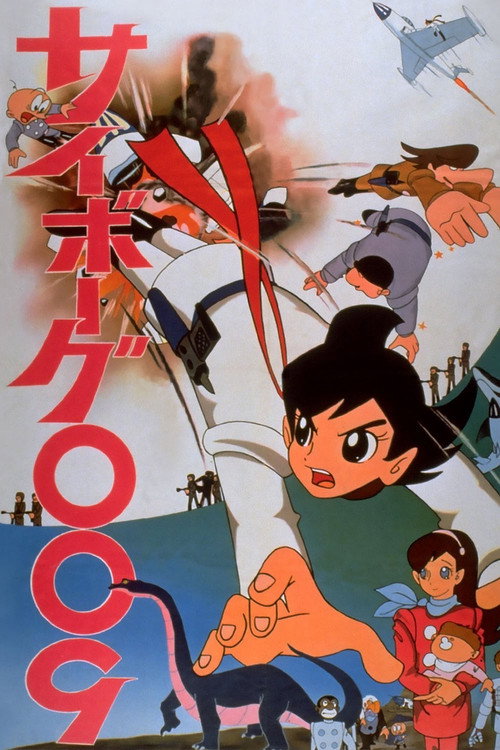
Cyborg 0091966
Both ask: when a body has been weaponized by others, what does consent even mean? Both are about the machinery of making people into tools, and whether love can undo that.
Ishimori wakes up as a weapons platform—a forced-recruit into superherodom. Tezuka's 1968 version has that same collision between wonder and horror. A foundational text that Brynhildr echoes without knowing it.
But The animation is from 1968. If you need fluidity over atmosphere, this will test your patience.
More like this (7)
Magia Record: Puella Magi Madoka Magica Side Story2020
Magical girls recruited into a system that chews them up. Like Brynhildr, it's about the contract nobody should have signed, and what happens when you realize too late.
But The art style reads as cutesy until it doesn't. That tonal trap bothers some viewers on principle.

Angel Beats!2010
Teenagers grappling with loss and purpose in a liminal space. It has that same ache—the sense that something is fundamentally wrong with the world you're being offered.
But The emotional beats are well-trodden, and it leans hard on catharsis rather than complexity.

Elfen Lied2004
A super-powered girl raised in captivity; the show doesn't look away from the violence of that premise. Genuinely unsettling in ways Brynhildr aspires toward.
But Infamous for gore and fanservice that often reads as punishment rather than storytelling. The tone is cynical in a way that exhausts.

Psycho-Pass2012
State surveillance apparatus discovers a girl who doesn't fit their system. Thoughtful sci-fi about power and what we're willing to accept for safety.
But The plotting becomes convoluted, and some thematic threads don't land as clearly as intended.

Accel World2012
Virtual world with real consequences; another story about isolation, power, and the temptation to escape into something controlled and safe.
But The protagonist is grating in ways the show doesn't seem to recognize, and the logic of the system can feel arbitrary.

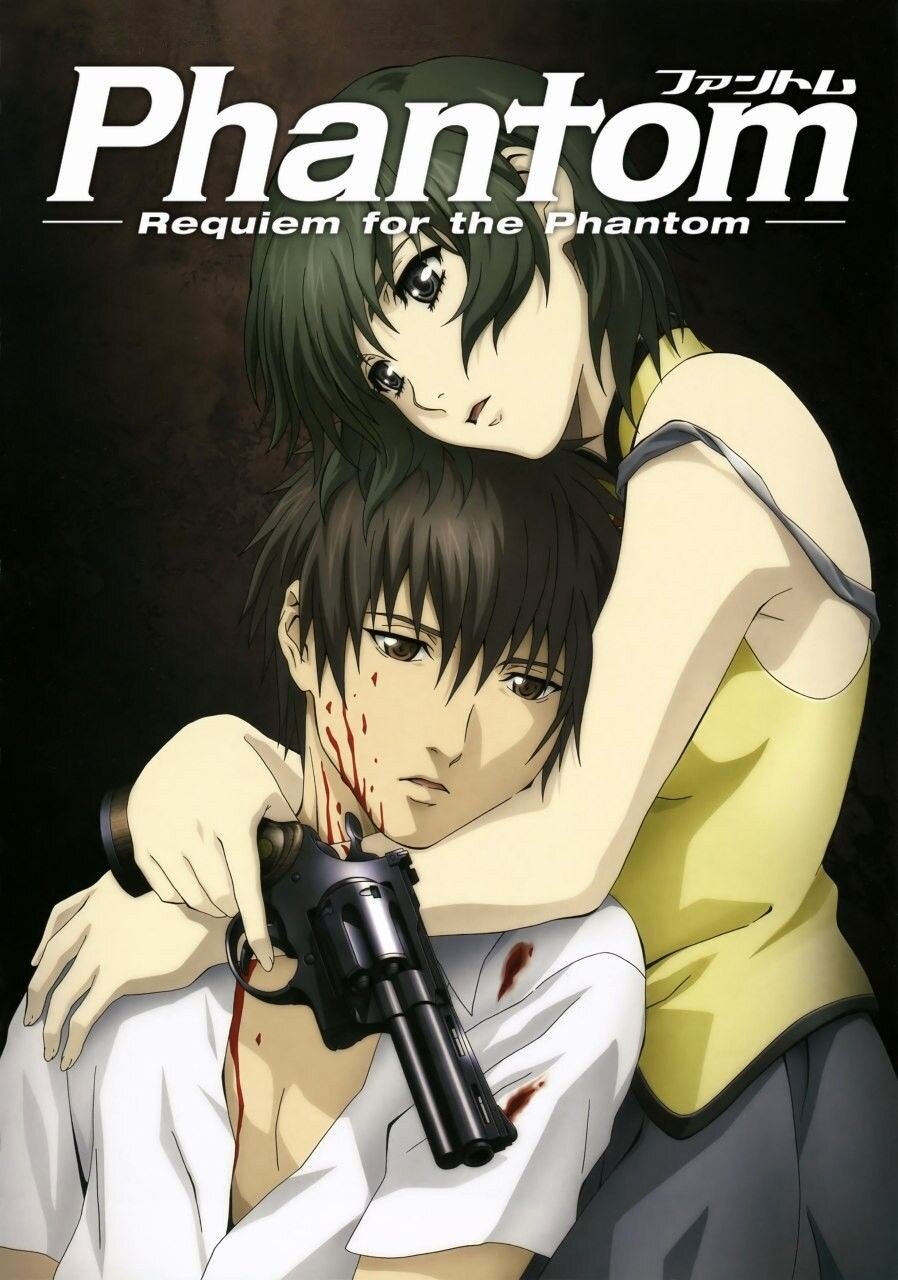
Phantom: Requiem for the Phantom2009
Both center on someone trying to recover a self that was stolen before they could form one. But where Brynhildr allows tenderness, this one doesn't.
A boy and girl assassinated and reprogrammed into killers. Slower and more brutal than Brynhildr—less anime melodrama, more actual dread. Watches like a noir that happens to be animated.
But Relentlessly bleak and repetitive; it argues its point then argues it again. Some will find that admirable; others will find it exhausting.
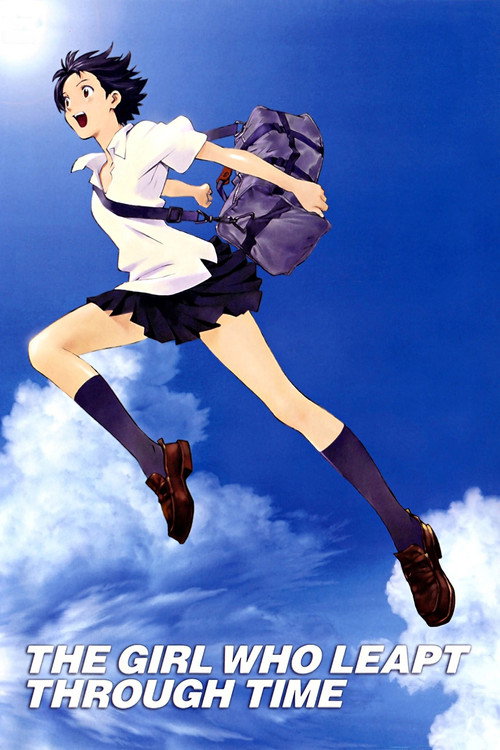
The Girl Who Leapt Through Time2006
Both are about someone trying to resurrect the past by any means available, and both ask what that obsession costs. But this one is about the person doing the obsessing, not the ghost they're chasing.
A girl discovers she can rewind time and tests the limits of that power. It's half-hour shorter than Brynhildr's runtime but denser: a meditation on the fantasy of fixing what's broken, and why that fantasy destroys you.
But Quiet, introspective, and utterly without spectacle. The emotional payload comes from watching someone slowly understand their own mistake.