Television series
Kaiba
- Mystery
- Science fiction
- Very dark
- Strange
Kaiba is a haunting sci-fi parable about memory, identity, and love across a fractured universe. In twelve hypnotic episodes, a man with no past drifts between alien worlds, collecting fragments of himself while the fabric of reality warps around him. Visually stunning and emotionally devastating, it's for anyone who's ever wondered what we become when we forget who we are.
If you liked this
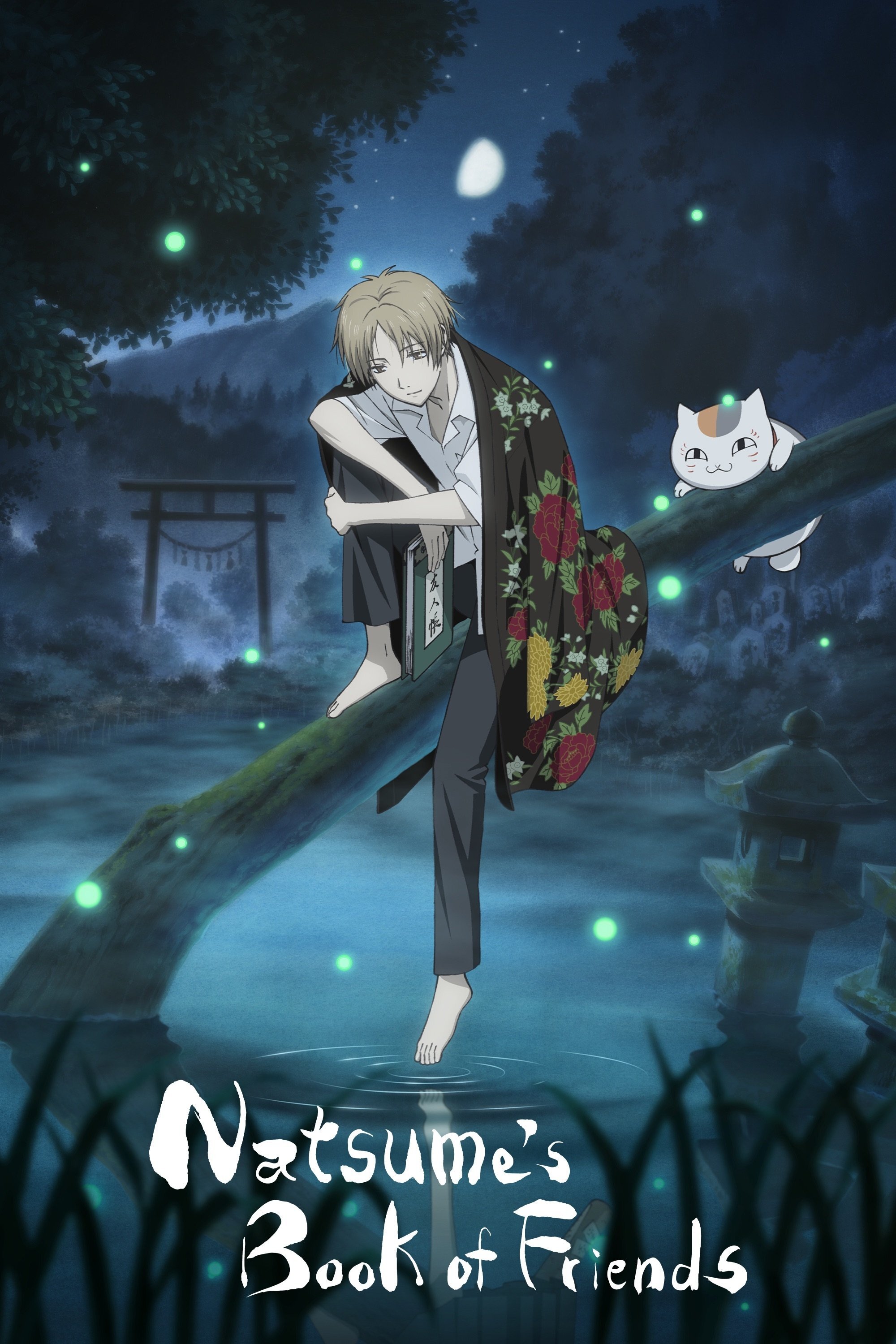
Natsume's Book of Friends2008
Shares Kaiba's gentle melancholy and willingness to linger on small, strange moments of connection. Episodic but deeply cumulative, building toward something quietly profound about loneliness and belonging.
But The early episodes move slowly and some arcs feel slight. It requires patience and rewards it unevenly.
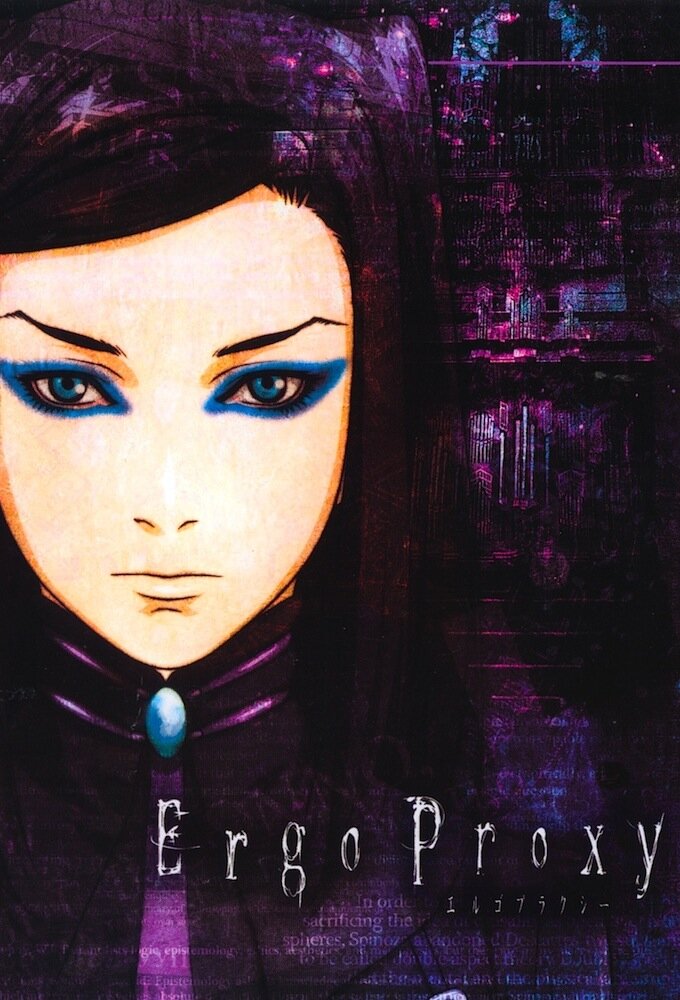
Ergo Proxy2006
Post-apocalyptic wandering through a decaying world, wrestling with what makes us human when memory and identity are uncertain. Darkly poetic and genuinely strange, with that same ache underneath.
But Deliberately obscure and slow-burn. Some viewers find it pretentious; others find it impenetrable without repeated viewing.
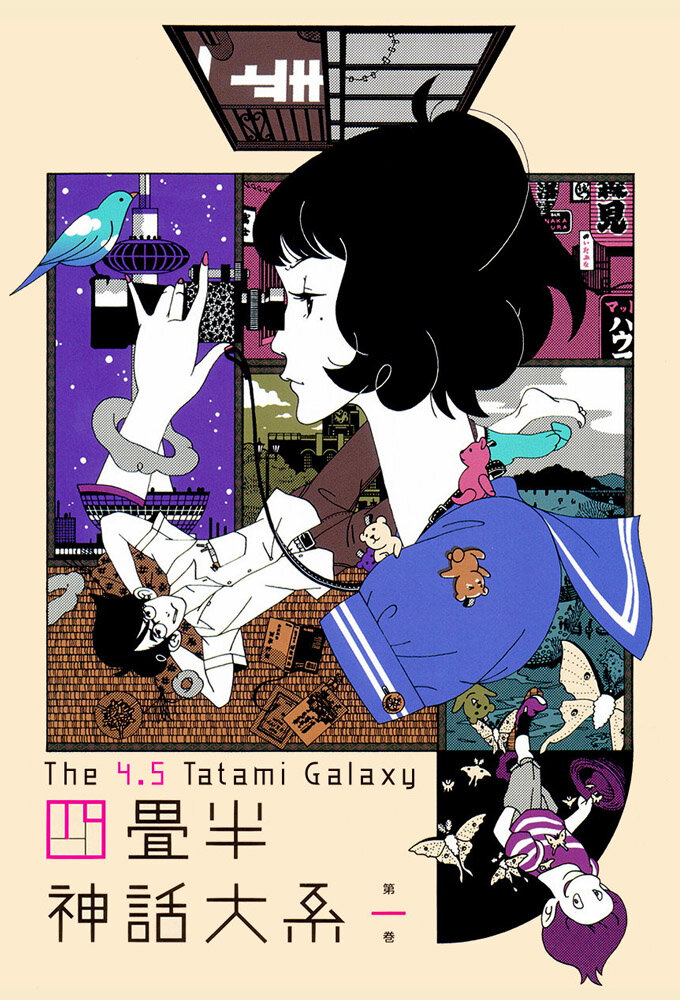
Yojouhan Shinwa Taikei2010
Anarchic style wrapping around genuine heartbreak about youth, regret, and the choices that echo through our lives. Frenetic but warm, with a similar belief that form should match feeling.
But The hyperactive visual style and rapid-fire dialogue are exhausting for some. Subtitles demand full attention; multitasking is impossible.
Not sure tonight? Get a pick in a minute, starting from Kaiba
The wildcard
Something you would not have found on your own.
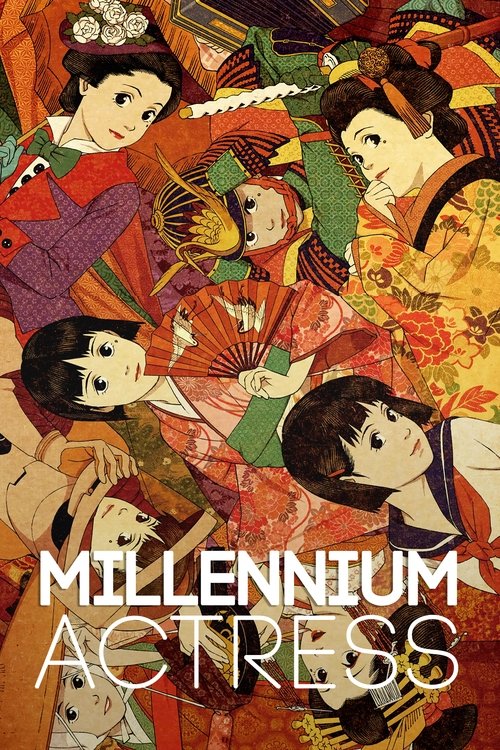
Millennium Actress2002
Both use the fragmentary nature of memory as their engine—not as a plot device, but as a formal principle. Both argue that identity is something we construct and reconstruct, not something we retrieve.
Satoshi Kon's film about memory and cinema collapsing into each other, where a woman's real life and the films she acted in become indistinguishable. The visual inventiveness and emotional precision feel cut from the same cloth as Kaiba, but through a different prism entirely.
But It's deliberately disorienting; past and present blur without warning. Some find it frustratingly oblique rather than poignant.
More like this (8)
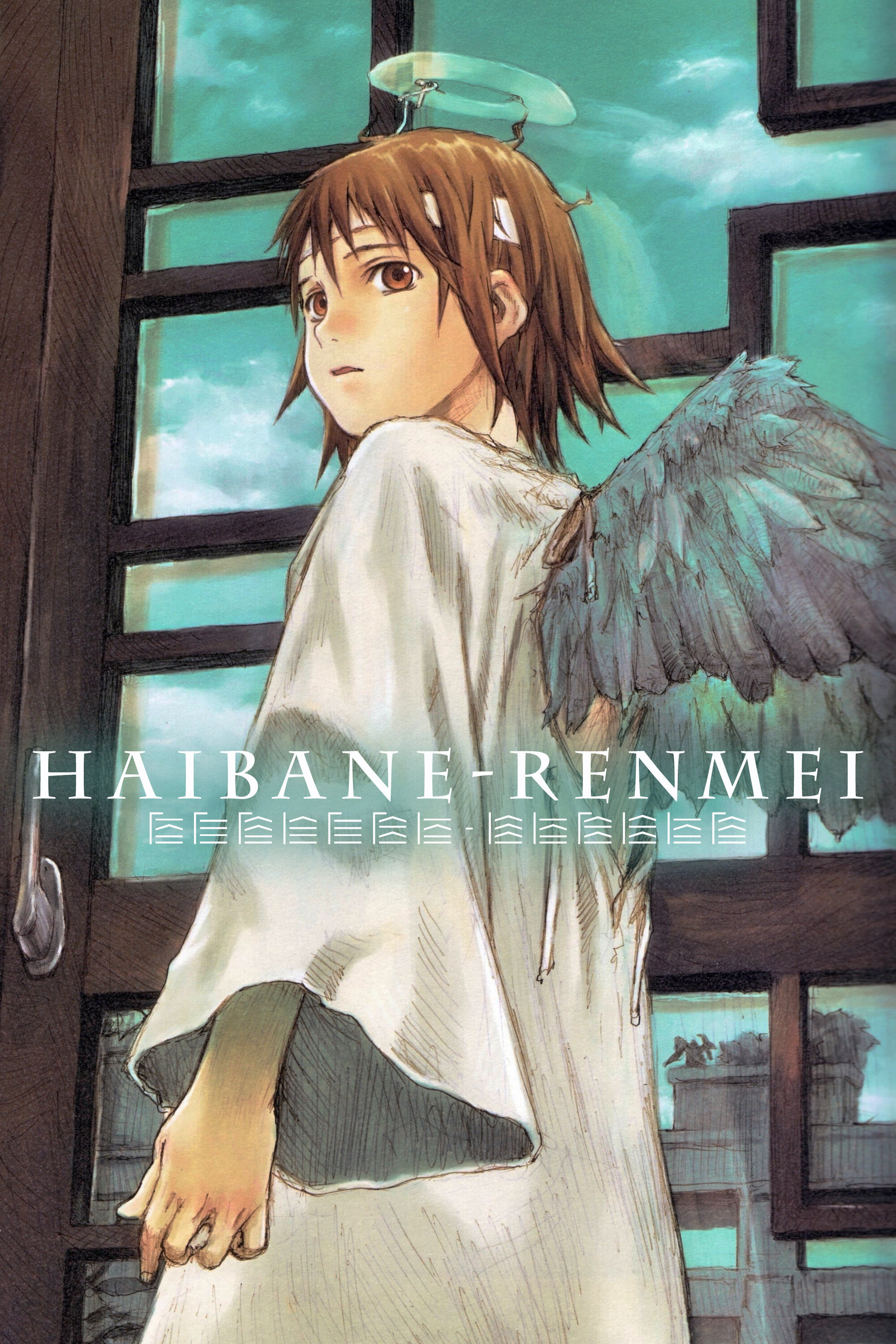
Haibane Renmei2002
Amnesiac protagonist in a mysterious, decaying world, piece by piece remembering a painful past. Quiet, philosophical, and genuinely unsettling in ways that sneak up on you.
But It's slow to the point of static. The payoff is thematic rather than narrative; some find it unsatisfying.
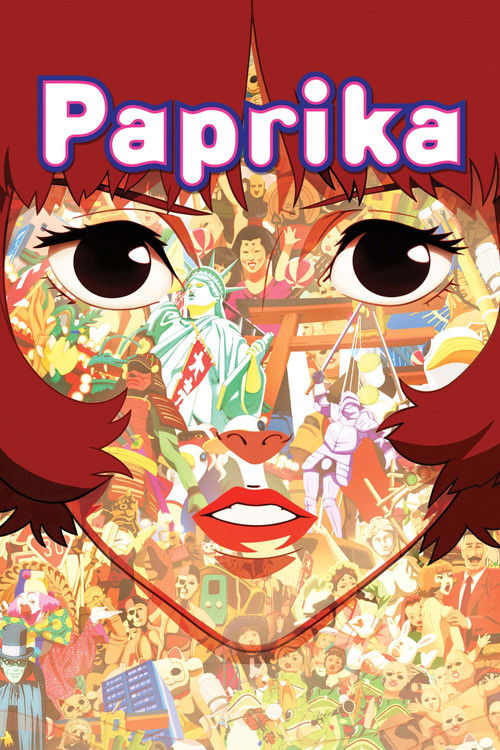
Paprika2006
Satoshi Kon's masterpiece about memory and identity fragmenting across worlds, animated with the same urgent dreamlike energy Kaiba channels. Wild, tender, and visually inventive.
But The plot becomes deliberately chaotic and hard to follow in the final act. Some viewers see this as brilliant; others see it as a creative choice that doesn't land.
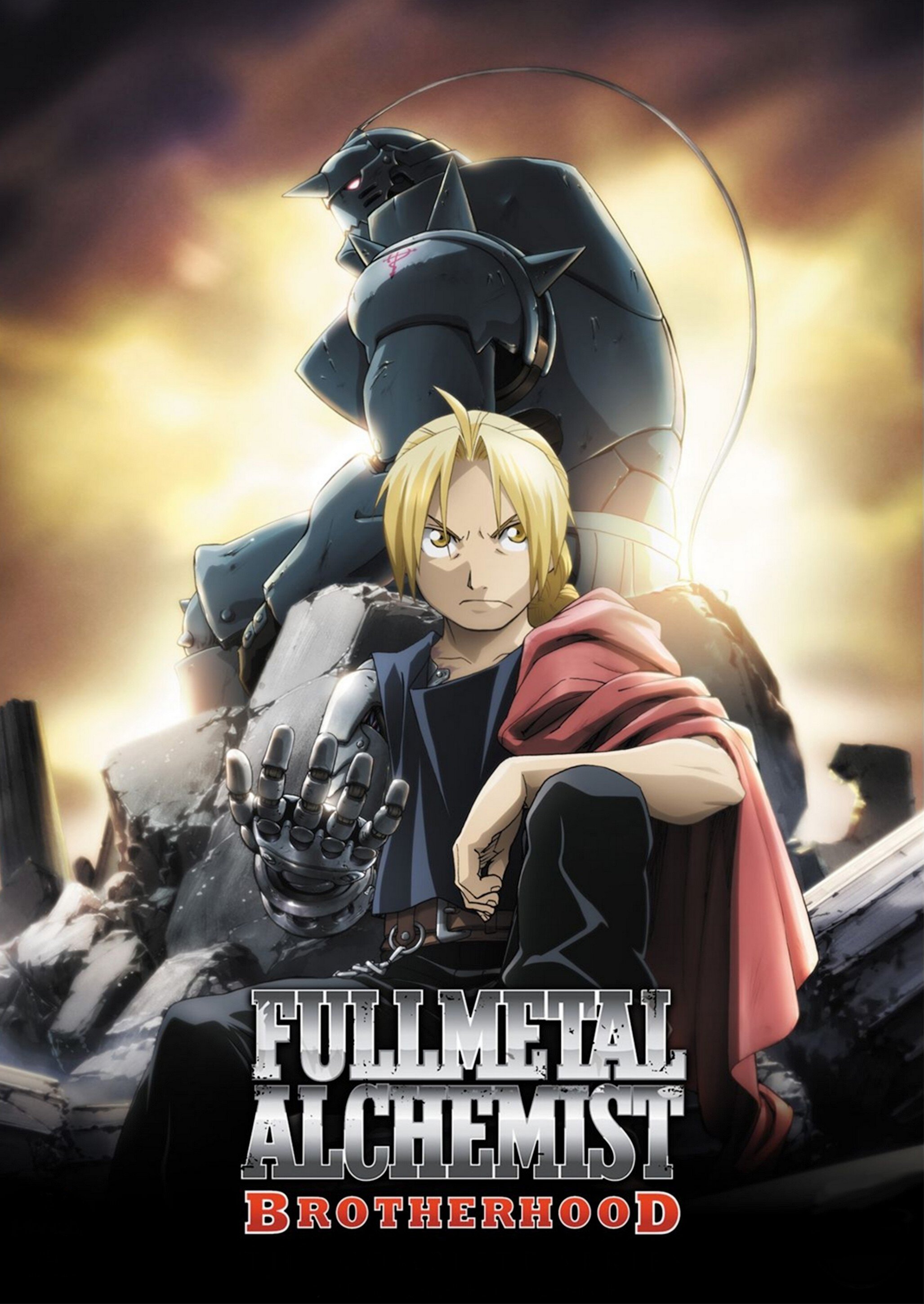
Fullmetal Alchemist: Brotherhood2009
Two brothers searching for lost things (memories, limbs, humanity itself) across a world where physics and emotion are entangled. Epic in scope but intimate in feeling.
But Long commitment at 64 episodes. The early pacing is uneven and some comedy feels tonal whiplash after dark moments.
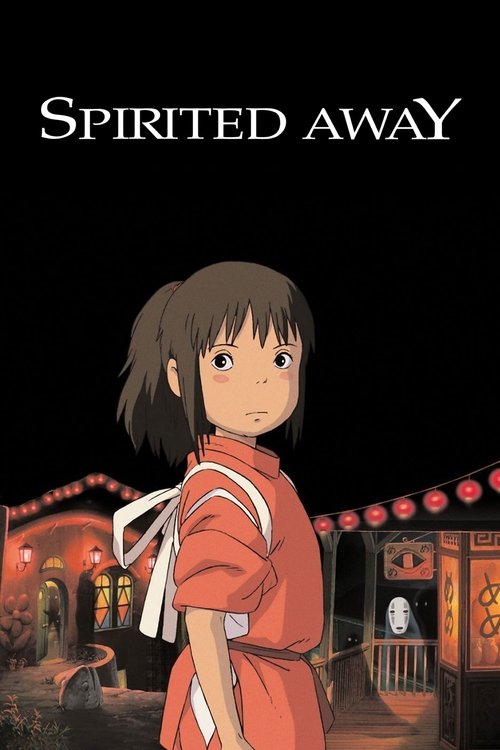
Spirited Away2001
A character adrift in a surreal world where the past is weaponized and identity is currency. Miyazaki captures that same vertigo of not knowing who you are or where you belong.
But The shift from quiet mystery to adventure-film beats feels jarring. Some feel the second half diffuses the uneasy perfection of the first.
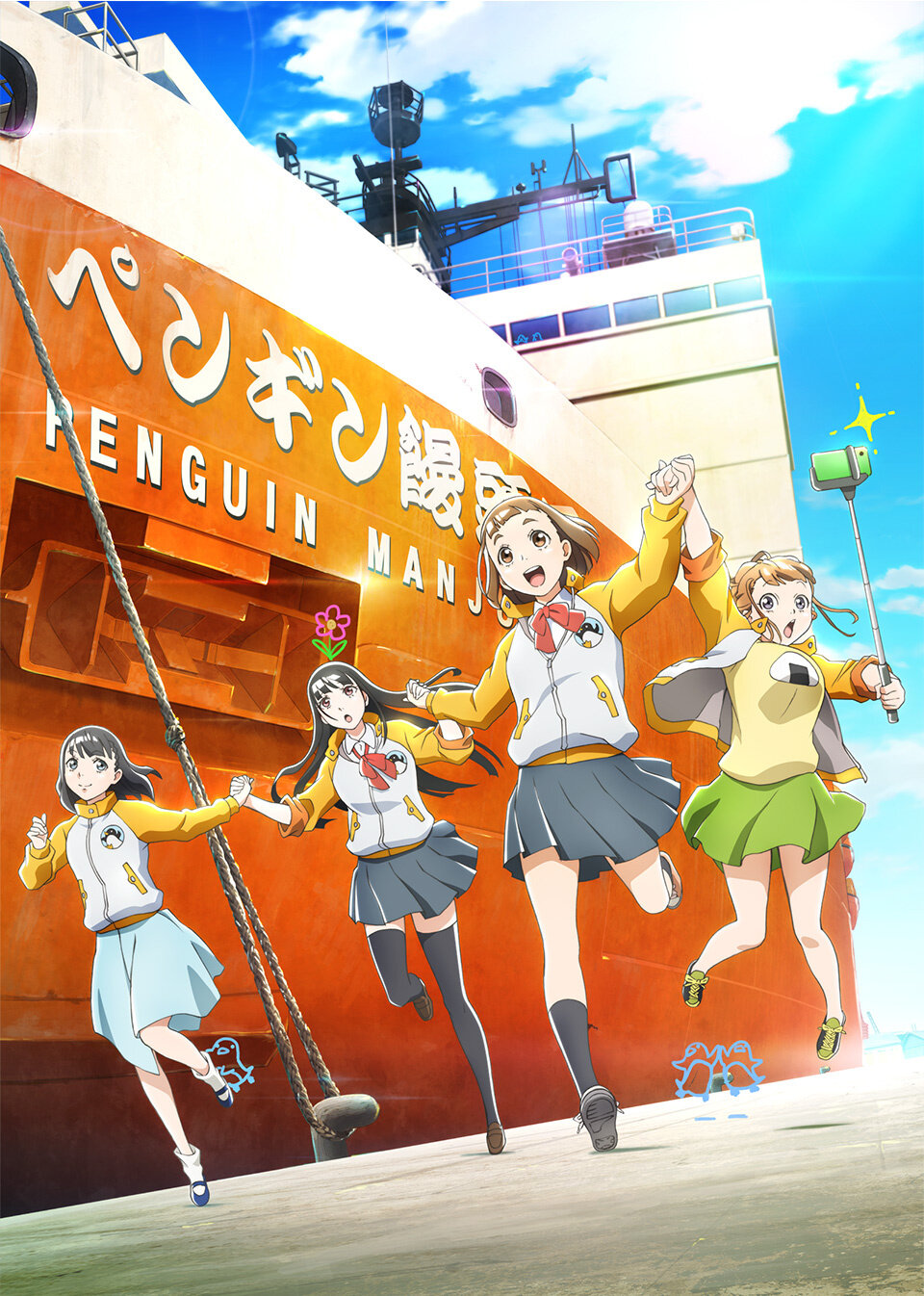
Sora yori mo Tooi Basho A Story that leads to the Antarctica2018
Four girls searching for something they've lost (a friend, themselves, a sense of purpose) across literal and emotional distance. Funny and aching in equal measure, with genuine stakes.
But The emotional sincerity will feel saccharine if you're not in the mood for it. The optimism might read as naïve after Kaiba's devastation.
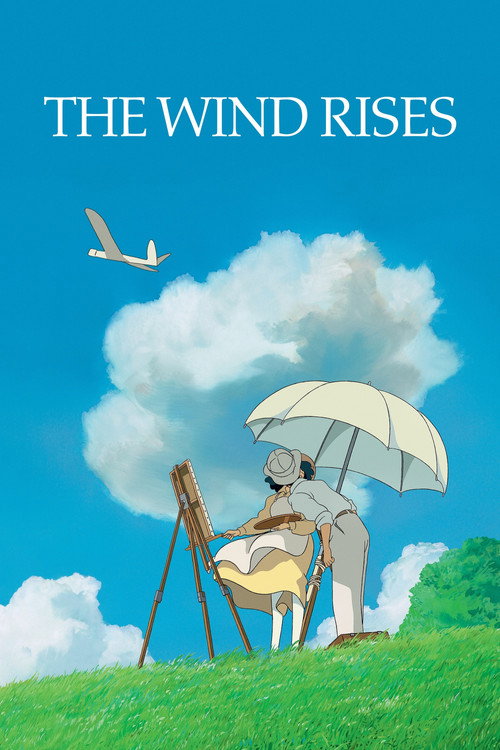
The Wind Rises2013
Miyazaki's meditation on memory, beauty, and what we're willing to sacrifice for the things we love. Quiet and melancholic, with animation that feels like remembering rather than depicting.
But Biographical and deliberately slow. It's a film about longing rather than action; plot is minimal. Many viewers find it a beautiful drift toward nothing.
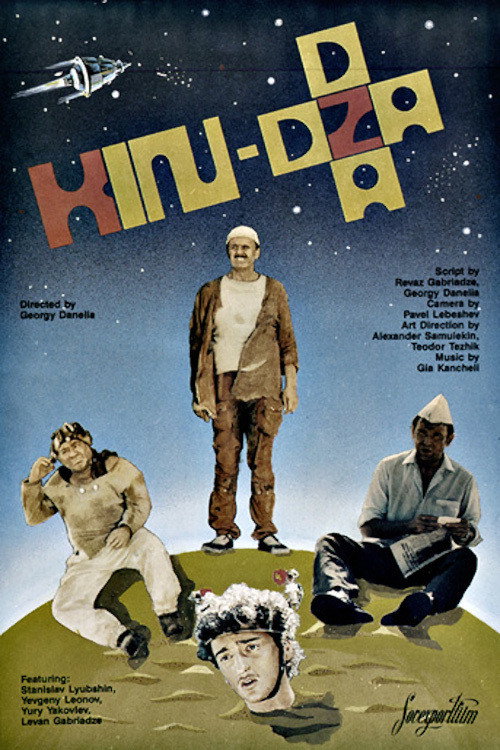
Kin-dza-dza!1986
Both treat the universe as fundamentally lonely and strange, and populate it with gentle, lost people. Both reject comfort and easy narrative closure in favor of something truer and sadder.
A surreal Soviet sci-fi comedy about two ordinary men stranded on an alien planet, watching absurd civilizations and slowly losing their bearings. Visually grotesque, darkly funny, and heartbreaking in ways it doesn't announce. A fever dream made with conviction.
But It's genuinely weird and sometimes grating. The humor is alien; the pacing is off by design. Most viewers have no frame of reference for it and find that alienation a barrier rather than a feature.
Magia Record: Puella Magi Madoka Magica Side Story2020
Both use a soft, beautiful aesthetic to wrap around existential horror. Both are about the cost of desire, the cruelty of memory, and whether love can survive in a universe that wasn't made for it.
A dozen episodes that systematically dismantle a magical girl story, revealing a universe of devastating trade-offs and circular suffering. Visually experimental, structurally brilliant, and emotionally ruthless in ways that build quietly until the floor disappears.
But The tonal whiplash is intentional but brutal. Early episodes feel saccharine before the rug is pulled; some viewers bounce off before they see the design.