
Film
Evangelion: 3.0 You Can (Not) Redo
- Post-apocalyptic
- Fantasy
- Very dark
The third Evangelion film wrenches the story into territory the TV series never reached: Shinji wakes to a transformed world that hates him, forced to pilot a giant robot while confronting the wreckage of his own choices. It's visually stunning, narratively uncompromising, and emotionally brutal—for viewers already invested in these characters and willing to embrace ambiguity and pain.
Should you watch it?
Watch it if you can stomach a bleak, sorrowful continuation that drops you into the middle of a broken story and trusts you to keep up, especially if you loved the original series' quieter, stranger moments.
Skip it if you need the story to explain itself, since this one withholds context and leaves the confusion to you; its action bursts can feel like interruptions.
What it asks of you: Its 96 minutes move with a heavy, deliberate weight, asking you to sit with dread and silence as much as with spectacle.
Not sure? Find tonight's pick in a minute.
If you liked this
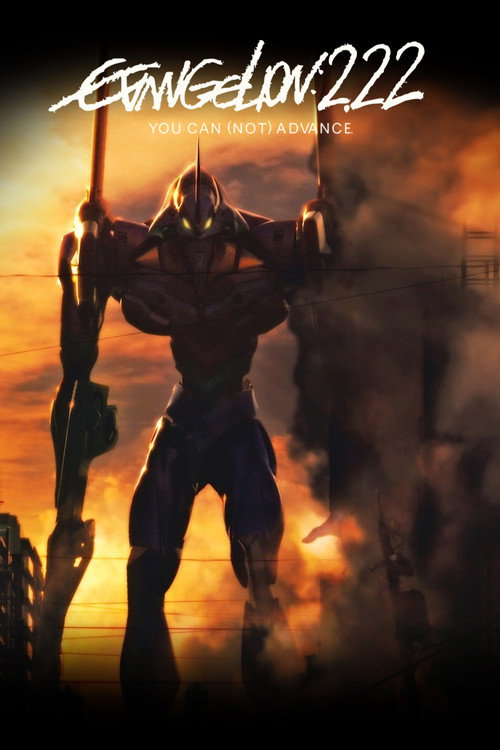
Evangelion: 2.0 You Can (Not) Advance2009
The film immediately before this one, retelling and expanding the original story with spectacular animation and a new ending. Necessary viewing to understand what Shinji's waking up to here.
But If you haven't seen the original series, this will confuse you rather than clarify. It assumes you know these characters and the weight of their history.
Magia Record: Puella Magi Madoka Magica Side Story2020
A 12-episode magical girl series that deconstructs its genre as ruthlessly as Evangelion did mecha anime. Devastatingly smart, visually inventive, and carries similar thematic weight about sacrifice and complicity.
But The tonal whiplash from cuteness to genuine horror alienates some viewers. It's also deliberately bleak in ways that can feel punishing if you're not in the mood.

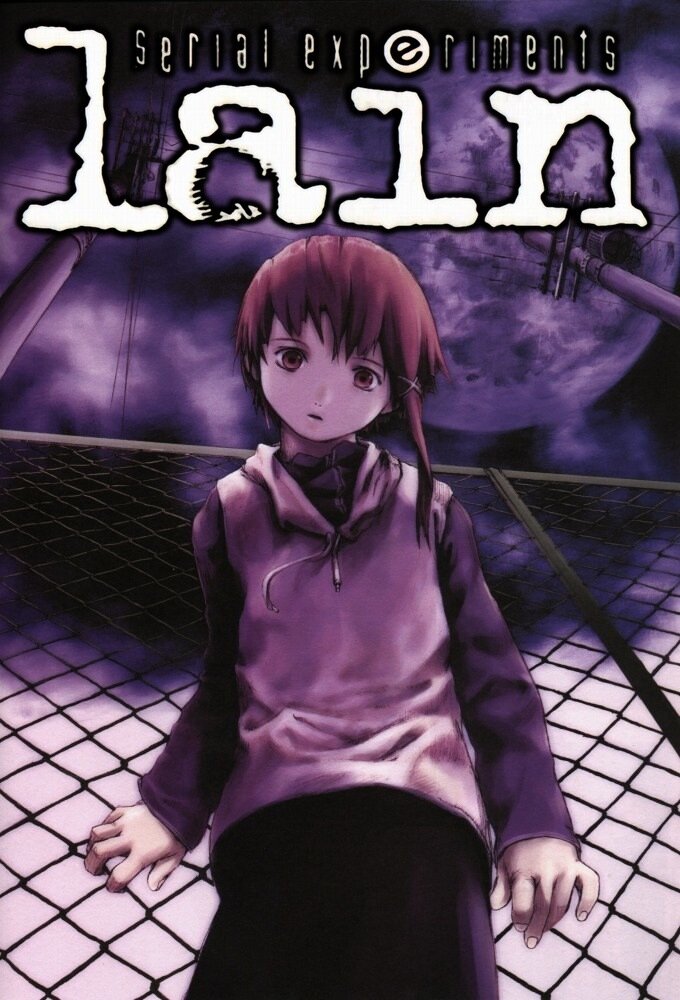
Serial Experiments Lain1998
A 13-episode cyberpunk miniseries about identity, consciousness, and reality collapsing. Shares Evangelion's willingness to prioritize mood and psychological discomfort over conventional storytelling satisfaction.
But It's obscure, visually repetitive by design, and the narrative deliberately resists easy interpretation. Not a show that explains itself or rewards passive watching.
Not sure tonight? Get a pick in a minute, starting from Evangelion: 3.0 You Can (Not) Redo
The wildcard
Something you would not have found on your own.
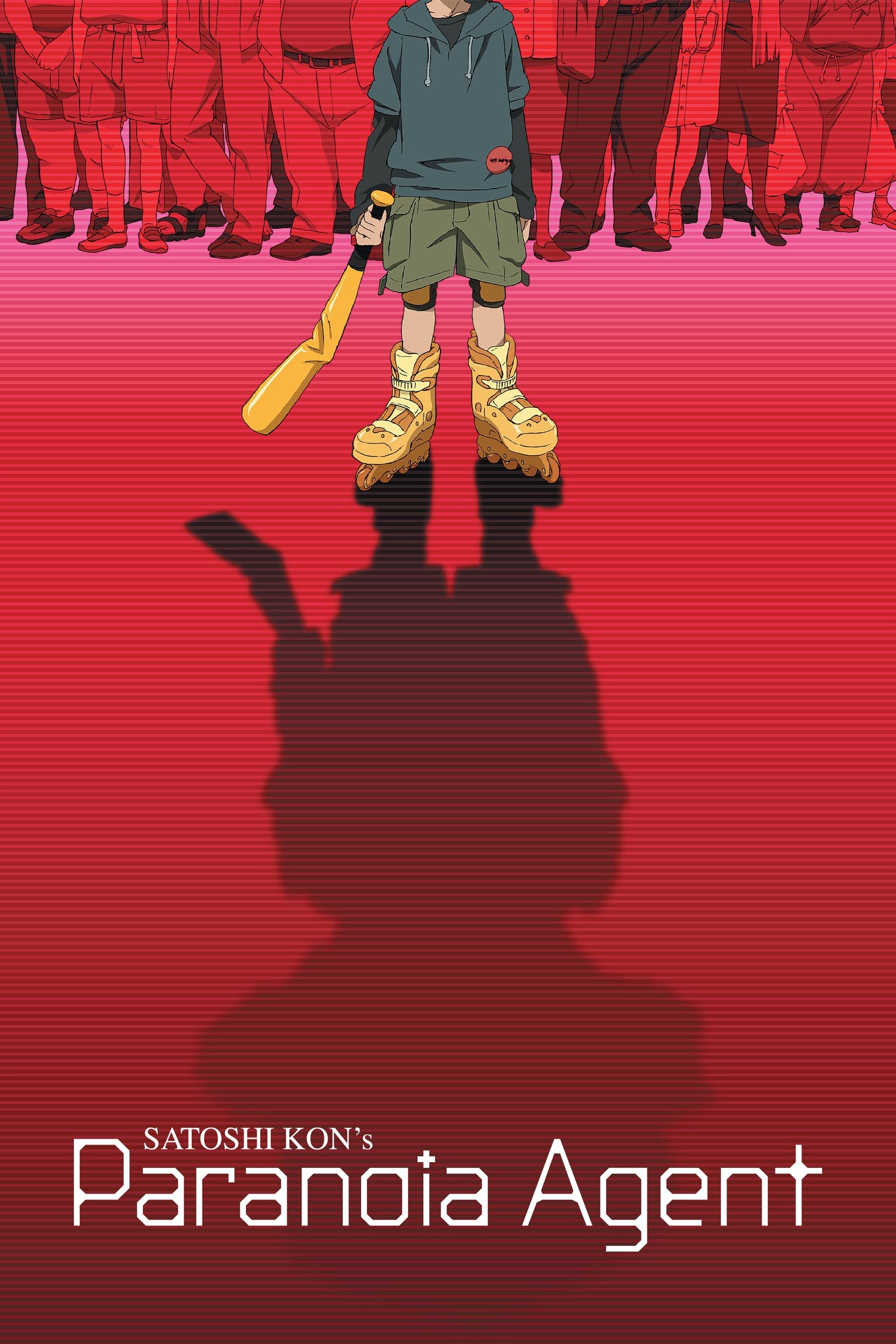
Paranoia Agent2004
Both ask whether the world collapsing is worse than the main character's internal world already being destroyed, and both suggest the answer might be 'no.'
A 13-episode series by Satoshi Kon that spirals from crime thriller into surreal psychological horror, where reality and delusion become indistinguishable. It has Evangelion's commitment to prioritizing mood and theme over plot clarity, but in a completely different register.
But It's deliberately confusing and refuses to resolve neatly. Some episodes feel like fever dreams rather than television. The final third challenges whether anything you've watched was real.
More like this (5)
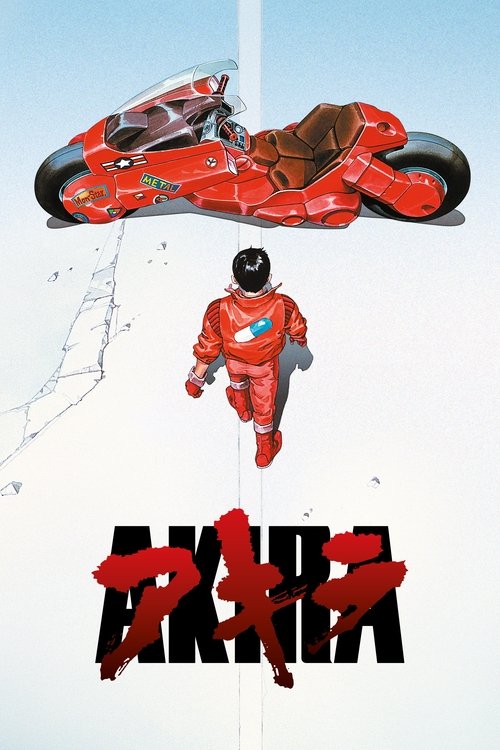
Akira1988
A cyberpunk apocalypse film with staggering animation, a sprawling cast, and deep ambiguity about power and the cost of saving the world. Shares Evangelion's commitment to visual spectacle and thematic darkness.
But The plot is genuinely hard to follow on first viewing, and the ending is deliberately unsatisfying. It rewards repeat watches, not casual ones.
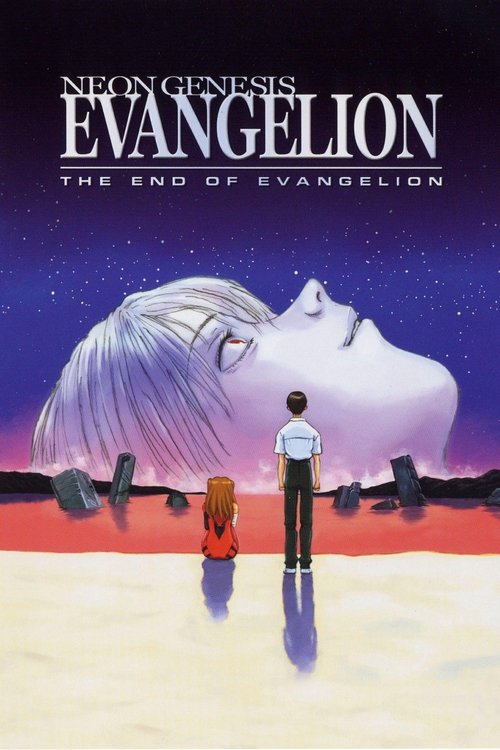
Neon Genesis Evangelion: The End of Evangelion1997
The film that concluded the original series when the TV ending disappointed audiences. Confrontational, explicitly sexual and violent, and uncompromisingly focused on Shinji's psychological collapse—necessary viewing for understanding the Rebuild films.
But It's aggressively uncomfortable, depicting sexual violence and psychological breakdown without softening. Cathartic for some; traumatizing for others. Absolutely not for all viewers.
Paprika2006
A surrealist dream-logic film about the boundary between reality and illusion, with animation that matches Evangelion's visual ambition. Shares the same interest in internal psychology made visually external and overwhelming.
But The narrative is intentionally slippery and nonlinear. Viewers seeking plot clarity will find it frustrating rather than transcendent.

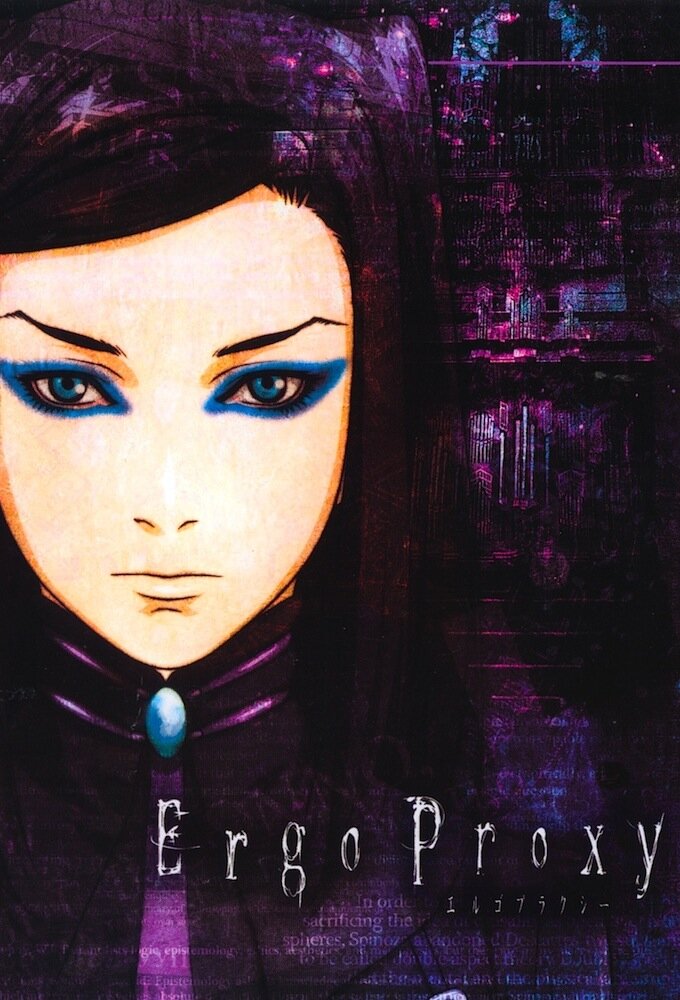
Ergo Proxy2006
A 23-episode post-apocalyptic anime about consciousness and meaning in a ruined world. Deliberately paced, melancholic, and philosophically serious—made for viewers who wanted more after Evangelion ended.
But It's slow, quiet, and meditative to the point of glacial. If you need action or momentum, you'll be checking your phone by episode three.
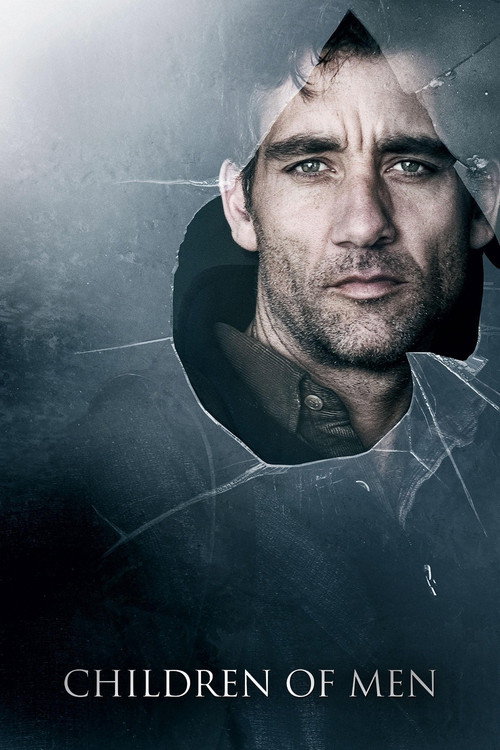
Children of Men2006
Both are fundamentally about the moral paralysis of being the only person who can prevent catastrophe, and both suggest that technical capability doesn't answer the question of whether you should use it.
A bleak, single-take-obsessed film about a world ending quietly, where one person is forced into a mission they don't want for a world that doesn't deserve saving. Tonally and thematically it mirrors Evangelion's core question: why keep fighting when everything is broken?
But It's a grim, handheld, dialogue-light film with minimal music. If you're coming from anime, the live-action realism and sustained bleakness will feel suffocating. It offers no catharsis.
People
Cast
 Megumi OgataShinji Ikari (voice)
 Yuko MiyamuraAsuka Shikinami Langley (voice)
 Akira IshidaKaworu Nagisa (voice)
 Megumi HayashibaraRei Ayanami (voice)
 Maaya SakamotoMari Makinami Illustrious (voice)
 Kotono MitsuishiMisato Katsuragi (voice)
 Yuriko YamaguchiRitsuko Akagi (voice)
 Fumihiko TachikiGendo Ikari (voice)
 Motomu KiyokawaKozo Fuyutsuki (voice)
 Mariya IseMidori Kitakami (voice)
 Miyuki SawashiroSakura Suzuhara (voice)
 Takehito KoyasuShigeru Aoba (voice)
Directing
- Daizen KomatsudaAssistant Director
- Ikki TodorokiAssistant Director
- Katsuichi NakayamaAssistant Director
- Hideaki AnnoDirector
- Kazuya TsurumakiDirector
- Mahiro MaedaDirector
- MasayukiDirector
- Kiyotaka SuzukiSecond Unit Director
Writing
- Hideaki AnnoOriginal Story
- Hideaki AnnoScreenplay
Production
- Hideaki AnnoExecutive Producer
- Toshimichi OtsukiExecutive Producer
- Hayato TanakaProduction Assistant
- Kana SatomiProduction Assistant
- Yuki SugitaniProduction Assistant