Television series
Paranoia Agent
Satoshi Kon's only TV series turns a Tokyo urban legend into a citywide nervous breakdown. A skate-shoed boy with a bent golden bat starts appearing to the desperate right when they need an escape, while two mismatched detectives chase a case that keeps refusing to stay solved. Funny, sad, and genuinely unsettling — animation used the way good horror uses silence. For anyone who wants their cartoons to leave a bruise.
If you liked this
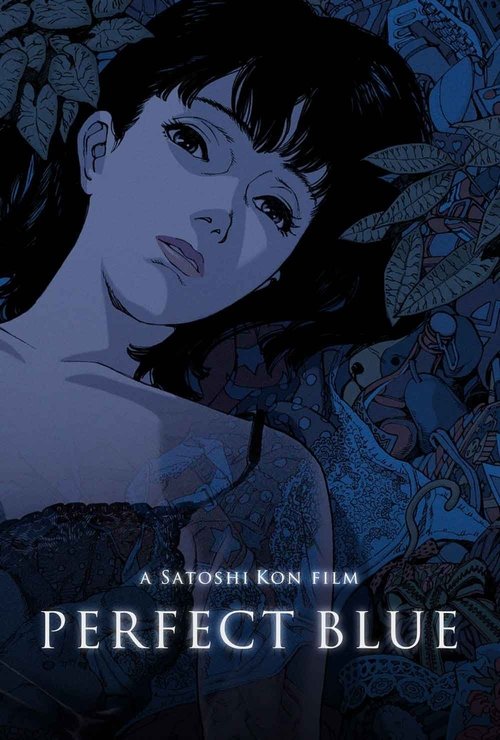
Perfect Blue1998
Same director, same obsession with identity fracturing under public pressure — this time it's a pop idol losing herself instead of a city losing its mind. Tighter and arguably even more disturbing.
But Relentless in its dread, with none of the black comedy that softens Paranoia Agent's darker turns.
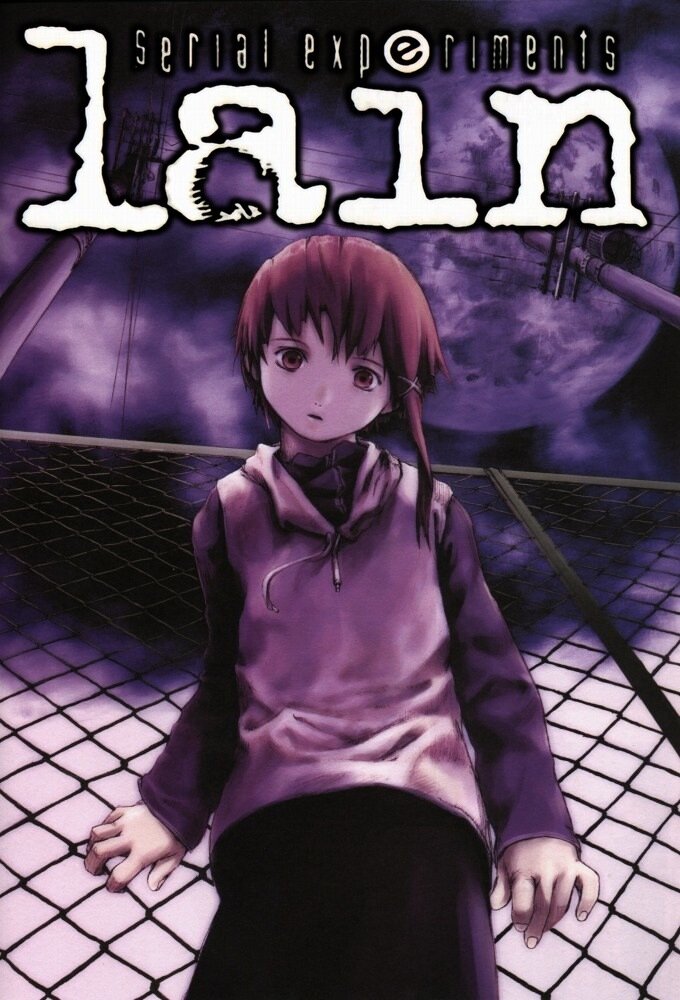
Serial Experiments Lain1998
Another late-90s Japanese series that treats identity and reality as things which simply dissolve, told through fractured, dreamlike editing that Kon clearly learned from or alongside.
But Deliberately opaque and slow — it rewards patience and rewatching more than immediate payoff.
Boogiepop Phantom2000no page yet
An anthology told from a dozen overlapping perspectives around one urban legend spreading through a town — the closest thing anime has to Paranoia Agent's structural trick.
But Even more fragmented and confusing on first watch; you'll want to rewatch immediately or not at all.
The wildcard
Something you would not have found on your own.
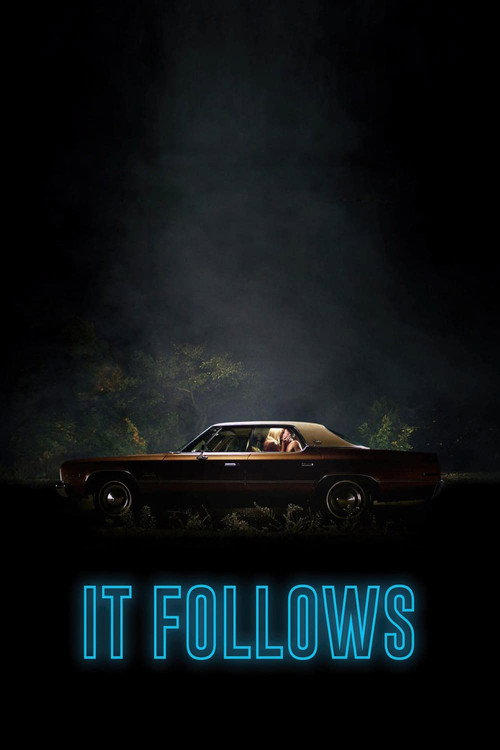
It Follows2015
Same engine as Shonen Bat: an ambiguous menace that spreads through a community by contagion, becoming a shared myth people use to explain a dread they can't otherwise name.
A slow-motion American horror film about a curse that passes person to person like a rumor no one can outrun — teenage dread rendered as inevitable, unstoppable mythology.
But Quiet and restrained where Paranoia Agent is chaotic and satirical — a much more minimalist kind of horror.
More like this (8)
Monster2004no page yet
A patient, methodical thriller about how ordinary people become monsters and how thin the line is between victim and predator — the same moral unease, played entirely straight.
But Seventy-four episodes long with zero supernatural elements — a much bigger, slower commitment.
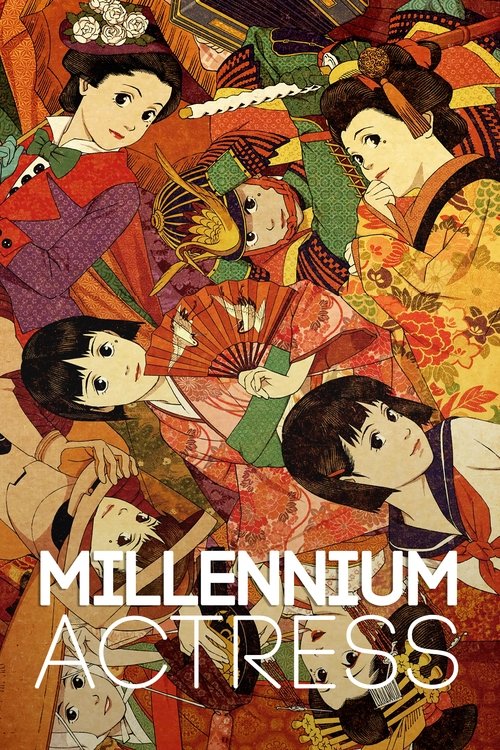
Millennium Actress2002
Kon's gentler, more romantic film, blurring memory and fiction the same way Paranoia Agent blurs sanity and delusion — proof he could do wonder as well as dread.
But Almost no horror here — if you came for the scares, this will feel like a different filmmaker.
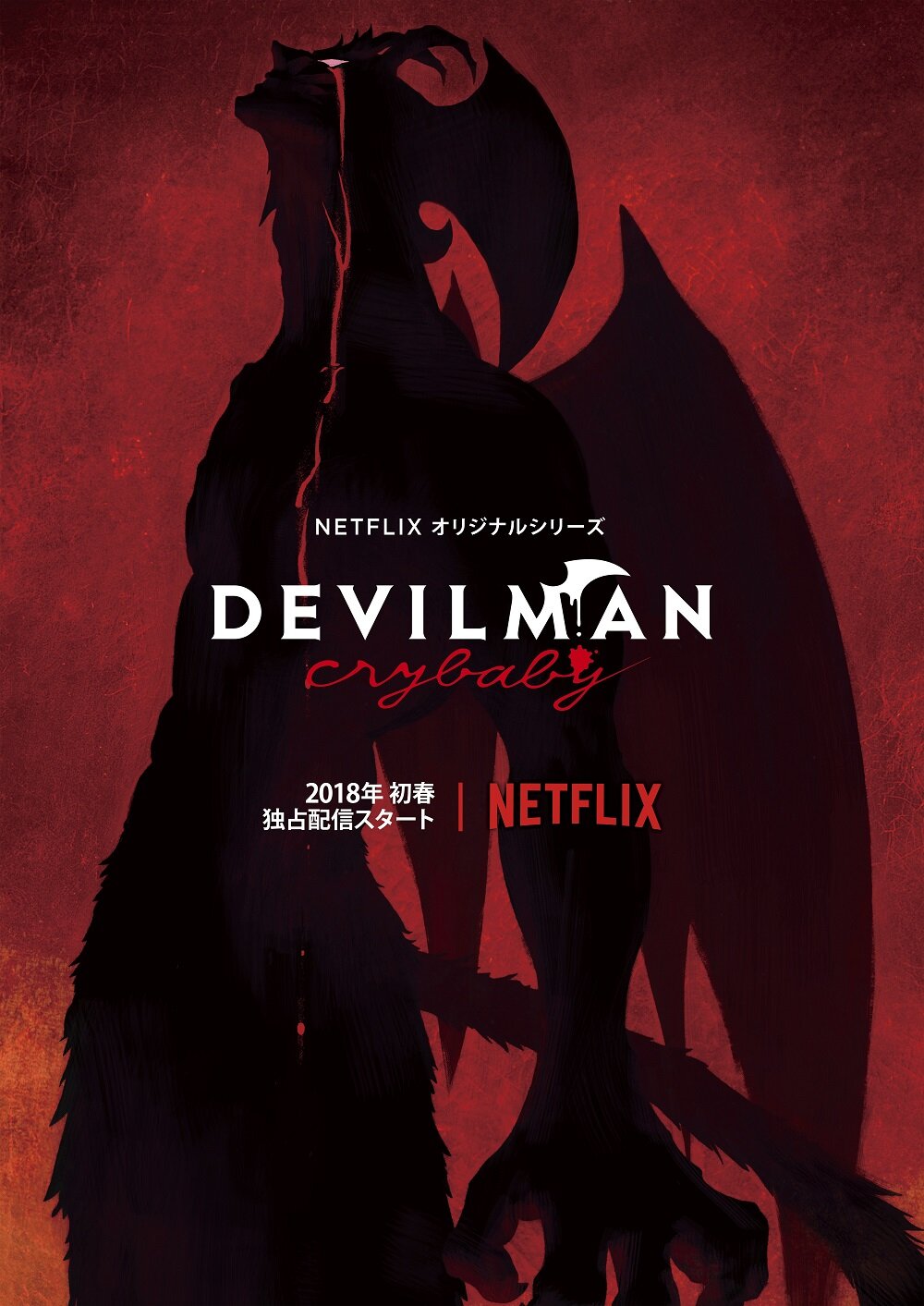
Devilman Crybaby2018
A louder, blood-soaked vision of society collapsing under mass hysteria and rumor, asking the same underlying question: what do people become when they're afraid?
But Far more graphic and sexually explicit — subtlety was never the goal here.
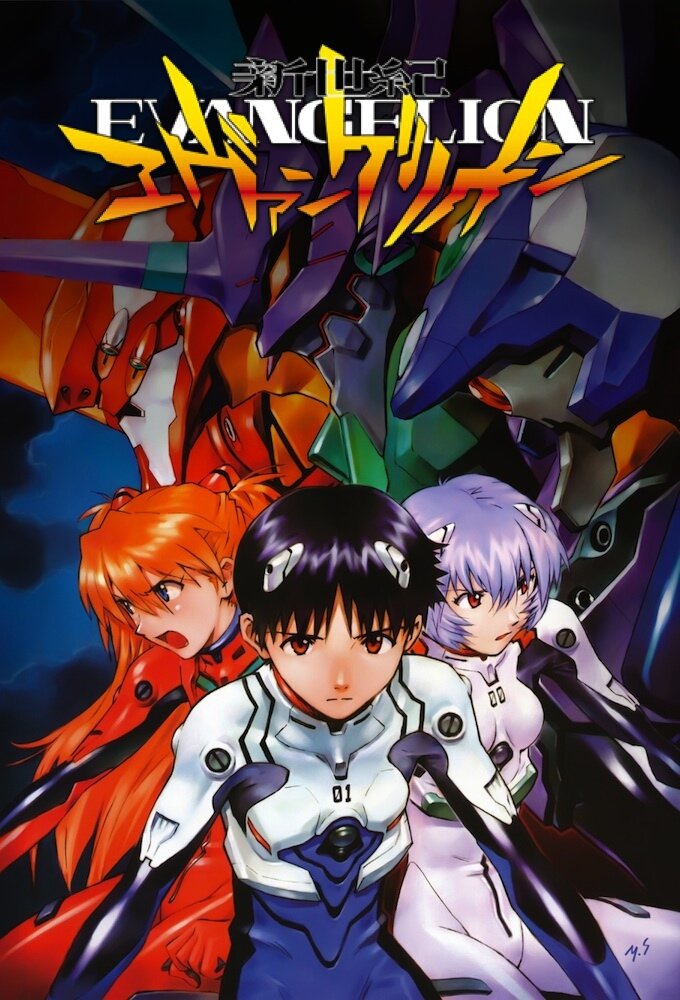
Neon Genesis Evangelion1995
The show that proved anime could stage a mental breakdown as spectacle — mecha battles as metaphor for depression, much like Paranoia Agent uses horror as metaphor for denial.
But Its infamous ending abandons plot for pure psychology; frustrating if you want mysteries tied off.
Mononoke2007no page yet
A gorgeous, ukiyo-e-inspired horror anthology where a wandering exorcist solves cases rooted in human resentment and grief — a different visual language, a similar diagnosis of what haunts people.
But Purely episodic with almost no continuing plot, and the stylised visuals take real getting used to.
Tokyo Godfathers2003no page yet
Kon's warmest film, following three homeless people through Tokyo at Christmas — same city, same eye for its overlooked corners, none of the horror.
But Sentimental and hopeful where Paranoia Agent is bleak — a genuine change of temperature, not a companion piece.
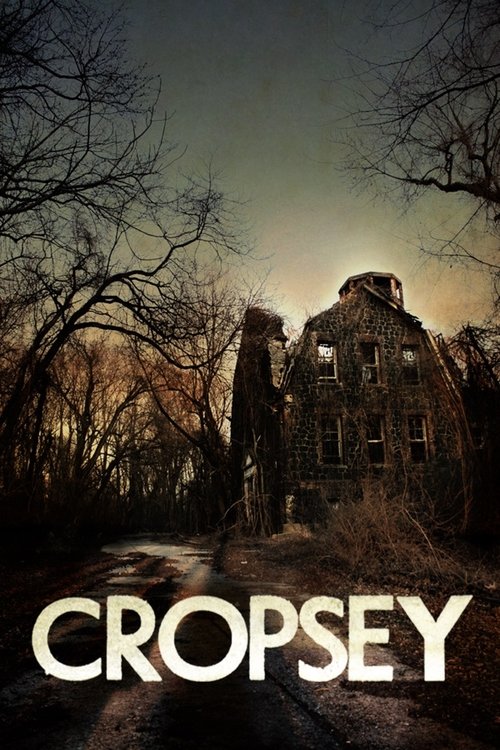
Cropsey2010
Paranoia Agent's central trick — a community inventing a monster to explain what it can't face — turns out to be something that happens in real life, not just anime.
A real documentary about a real urban legend — a bogeyman blamed for disappearances on Staten Island — and how a community's fear reshaped an actual criminal investigation.
But No animation, no fantasy — a slow, sad true-crime film that trades dread for grief and guilt.
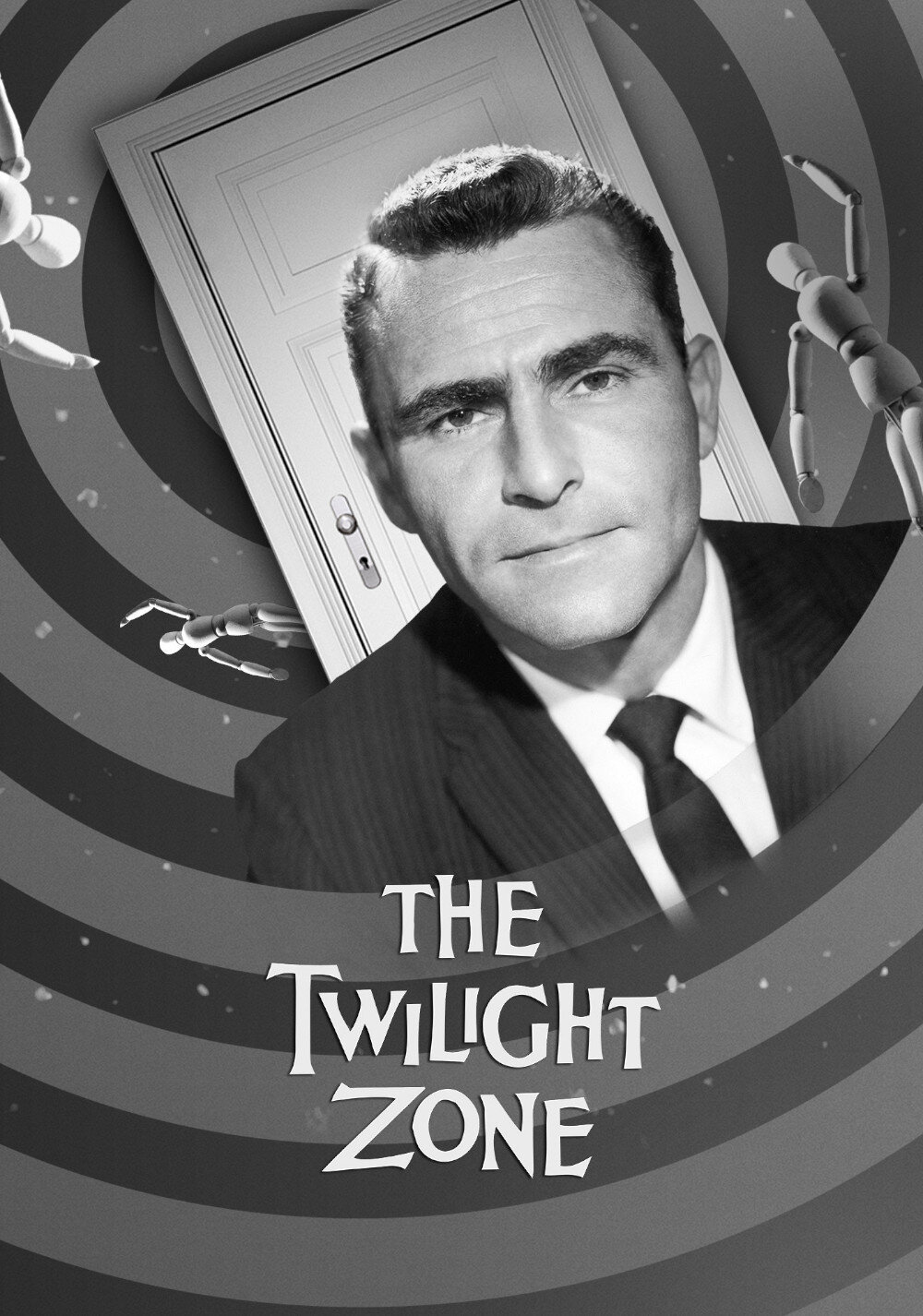
The Twilight Zone1959
Both use a recurring fantastical device — Serling's twist endings, Kon's golden bat — as delivery systems for what a society can't say out loud about itself.
Six decades earlier, Rod Serling was already using anthology television to smuggle real anxieties — conformity, nuclear dread, guilt — into tidy, fantastical half-hour parables.
But Black-and-white, studio-bound, and unmistakably of its era — the pacing and effects will feel quaint beside Kon's animation.