Television series
Theatre of Darkness: Yamishibai
Theatre of Darkness: Yamishibai is a micro-series of Japanese ghost stories told through kamishibai, the traditional paper-theater format. Five-minute episodes deliver creeping dread and folk horror rooted in genuine Japanese supernatural folklore. It's deliberately paced to unsettle rather than startle—perfect for horror fans who prefer atmosphere and cultural specificity to jump scares.
Should you watch it?
Watch it if you enjoy urban legends and old Japanese rumors told in sparse, still pictures, where one narrator's voice and a lingering image do the frightening.
Skip it if you want fast plotting or a story that resolves, since each five-minute episode is a self-contained sketch and the run of 221 episodes can feel repetitive in bulk.
What it asks of you: Short bursts, roughly five minutes each, that you can dip into between other things; the stillness is deliberate, so patience with slow pacing and quiet images pays off.
Not sure? Find tonight's pick in a minute.
If you liked this
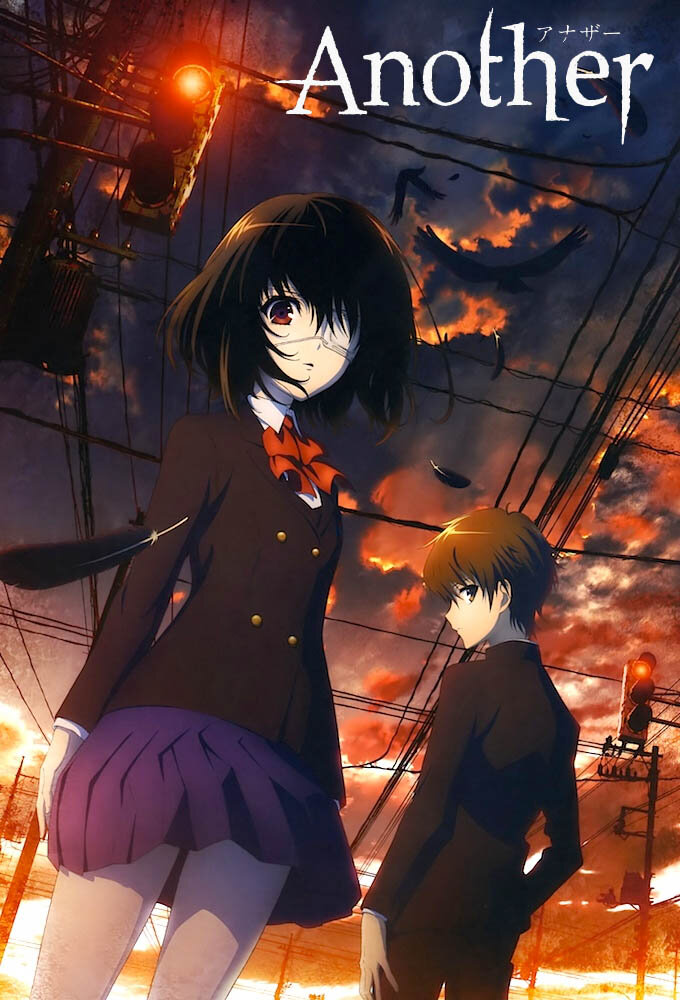
Another2012
Japanese horror mystery where a class is cursed, unraveling through atmosphere and social dread rather than gore. Slow-burn supernatural with the same cultural specificity and willingness to let scenes breathe.
But The middle episodes meander. Once you know the twist, the rewatch value collapses. And it tips into melodrama occasionally.
Mononoke2007
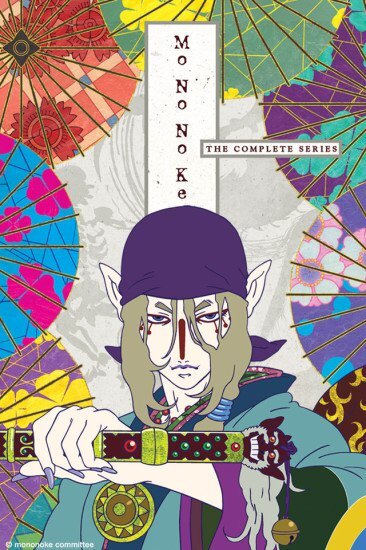
Medicine seller investigates the supernatural in Edo-era Japan with stunning, deliberately artificial animation. Folklore-driven mystery with visual style that makes restraint itself feel menacing.
But The narrative structure is dense and deliberately confusing. Episodes are long (about 25 minutes), so commitment matters. Not for viewers wanting clarity.
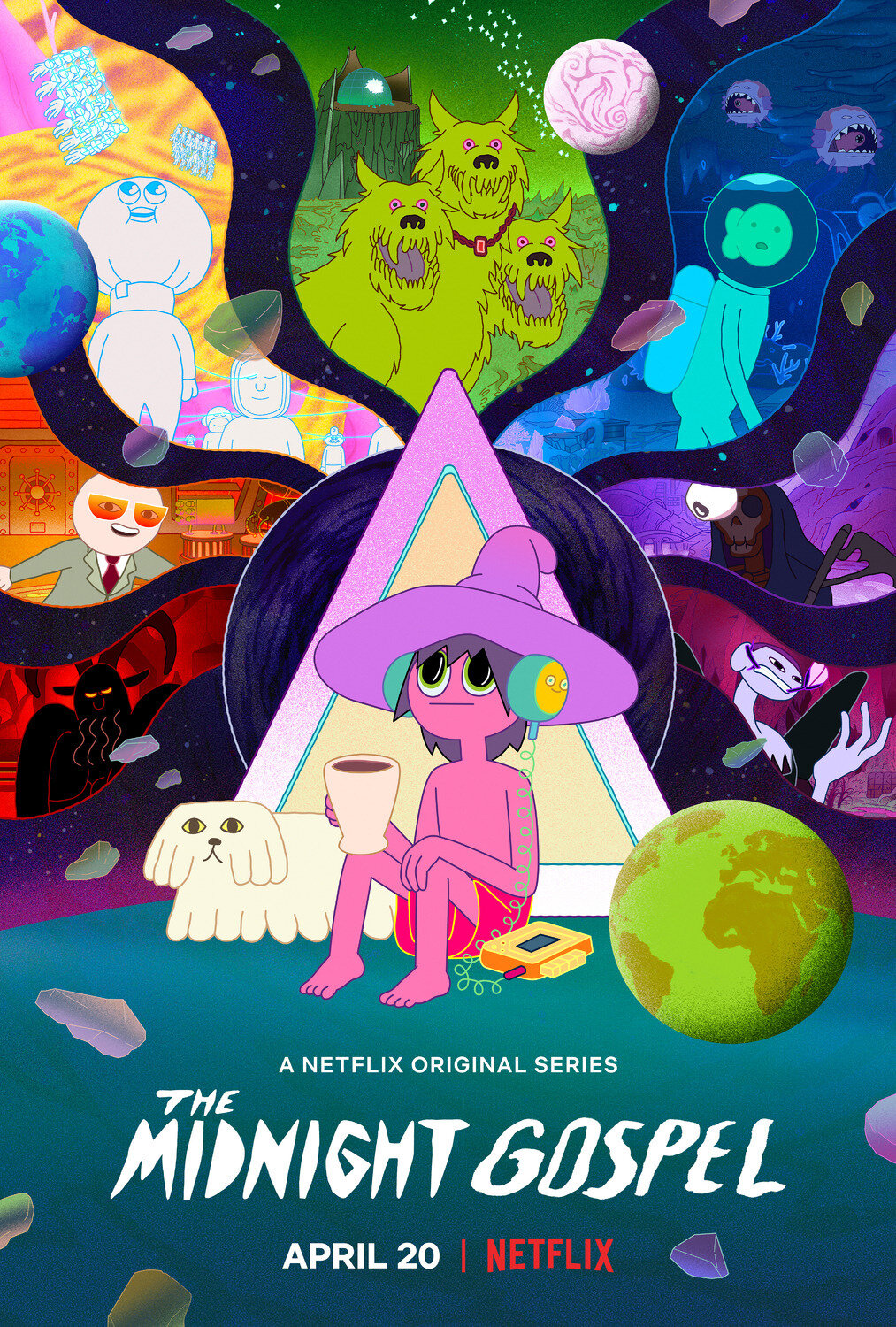
The Midnight Gospel2020
Anthology of cosmic horror and existential dread wrapped in surreal, gorgeous animation. Episodes are brief enough to digest separately, with the same willingness to unsettle through implication.
But It's trippy and philosophical rather than scary. Some episodes veer into portentousness. Spiritual rather than horrific.
Not sure tonight? Get a pick in a minute, starting from Theatre of Darkness: Yamishibai
The wildcard
Something you would not have found on your own.
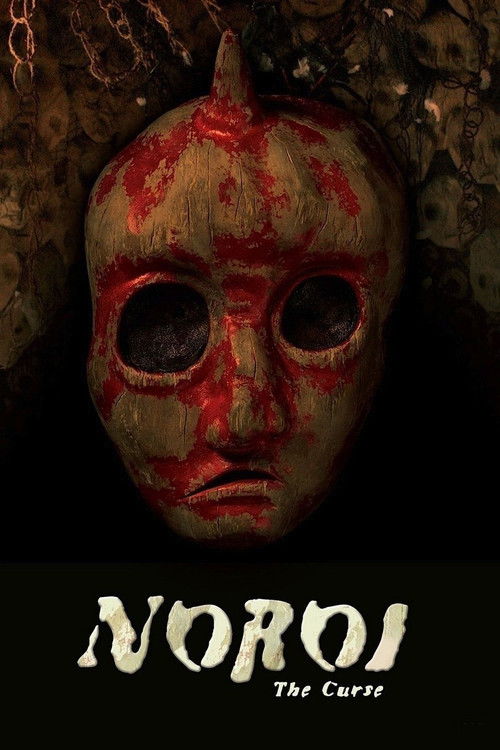
Noroi: The Curse2005
Both use kamishibai traditions and Japanese folk horror as their backbone. Noroi is what happens when you expand Yamishibai's five-minute precision into a full investigation.
Found-footage horror built entirely from kamishibai and traditional media artifacts. A documentary filmmaker investigates folklore and occult symbols—same visual language as Yamishibai but stretched to feature length with mounting dread.
But The found-footage format means shaky camerawork and long static shots. It's in Japanese with subtitles. The payoff is subtle rather than cathartic.
More like this (3)
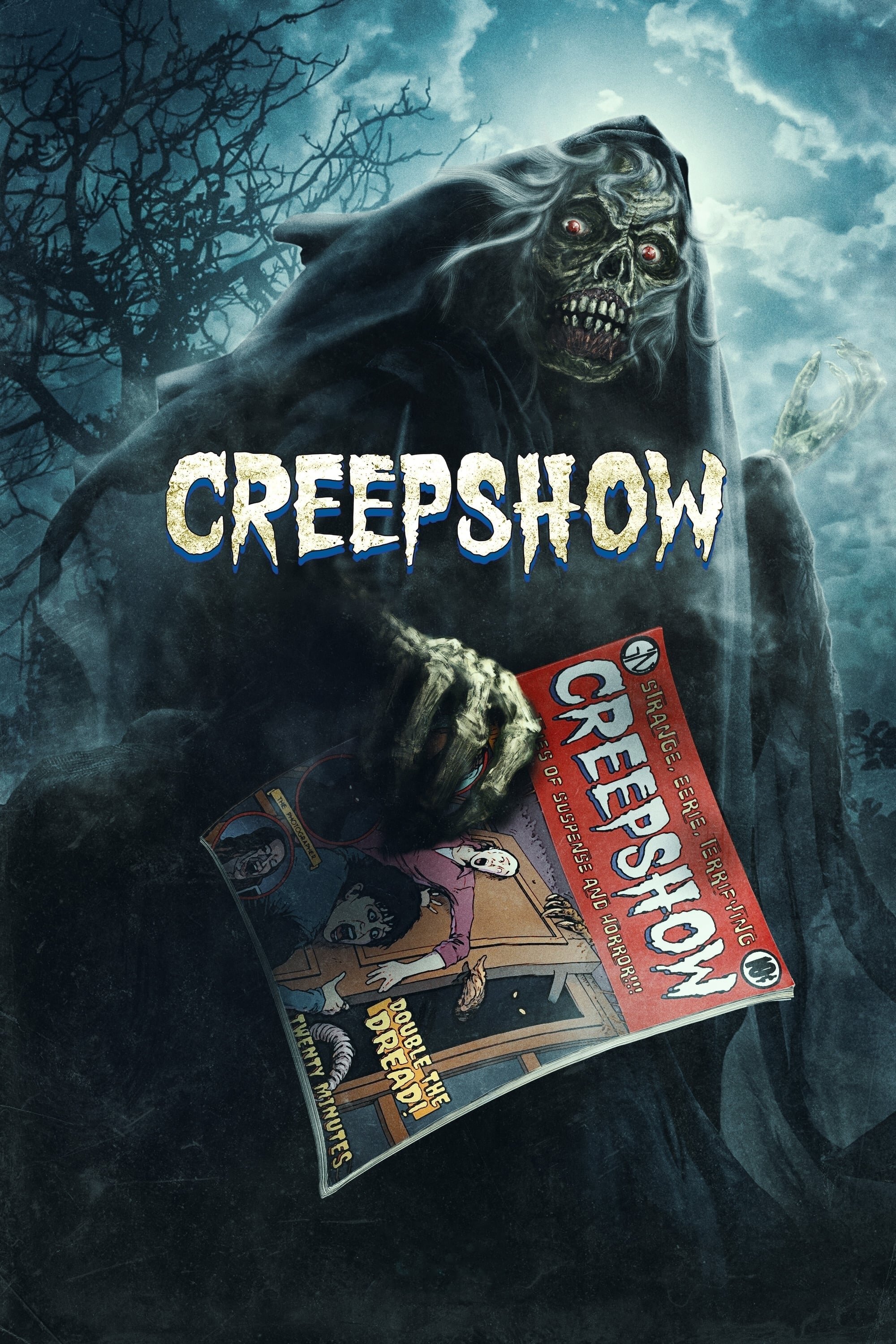
Creepshow2019
Horror anthology with short-form episodes (most under 30 minutes) balancing dark comedy and genuine scares. Celebrates the pulp tradition while respecting the craft of unsettling an audience quickly.
But The tone shifts wildly between episodes. Some segments prioritize jokes over scares. Relies on practical effects that occasionally look cheap.
Black Mirror2011
Sci-fi anthology where dread comes from plausible consequences rather than monsters. Episodes are self-contained; each explores a specific horror embedded in human nature or technology.
But Later seasons lean harder into social commentary than story. Not remotely supernatural, so if you want ghosts, this isn't it. Some episodes preach.
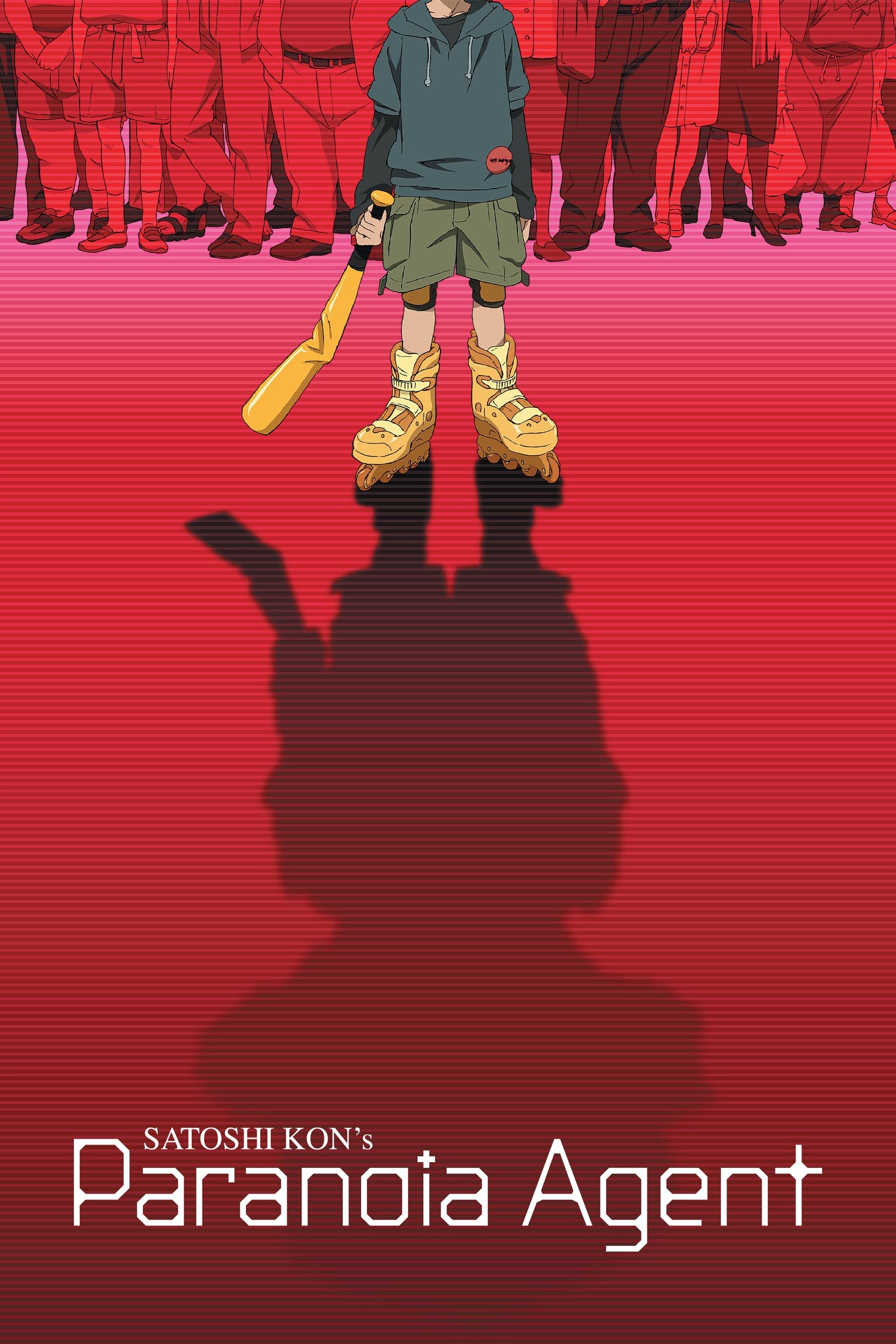
Paranoia Agent2004
Satoshi Kon's surreal take on urban horror where reality destabilizes episode by episode. Mysteries pile on mysteries; paranoia becomes contagious. Genuinely unsettling beneath the stylization.
But The narrative is intentionally fragmented and may frustrate viewers wanting a coherent throughline. Some critics find it pretentious. Requires active attention.