
Television series
Boogiepop Phantom
A 2000 anime that treats urban horror as atmospheric puzzle. Boogiepop Phantom weaves disconnected character stories into a tapestry of dread, where a legendary killer—real or rumour—haunts a city's collective consciousness. It's deliberately oblique, fractured, hypnotic. For viewers drawn to mood over clarity, to horror that works through unease rather than shock.
If you liked this
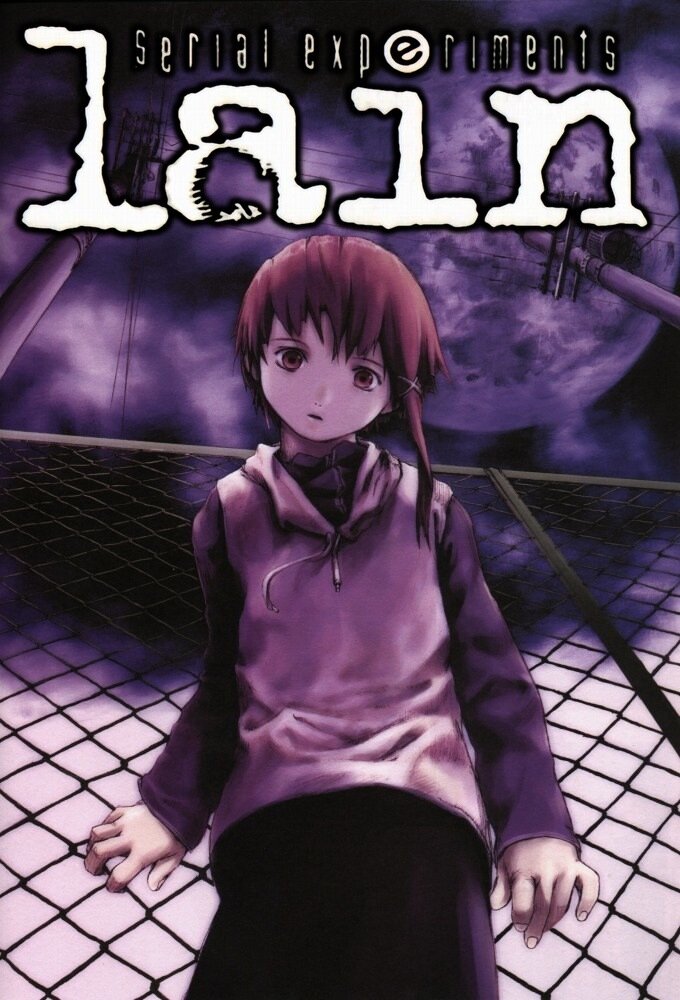
Serial Experiments Lain1998
A pioneering cyberpunk miniseries about reality fracturing through digital intrusion. Like Boogiepop, it prizes atmosphere and philosophical unease over plot clarity, building dread through fragmentation and repetition.
But It's opaque on purpose. Expect cryptic symbolism, non-linear storytelling, and an ending that refuses easy answers. Not for viewers who need things explained.
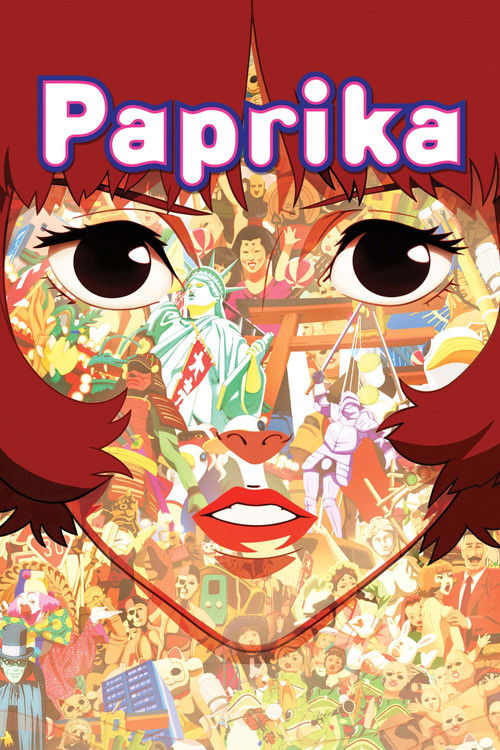
Paprika2006
A dream-logic thriller where the boundary between waking and sleeping dissolves. Same feverish, recursive quality as Boogiepop—surreal imagery, a spreading sense of violation, mysteries that multiply rather than resolve.
But The visual density is exhausting. It moves fast, it's colourful but suffocating, and the plot requires active attention. Some find it too busy.
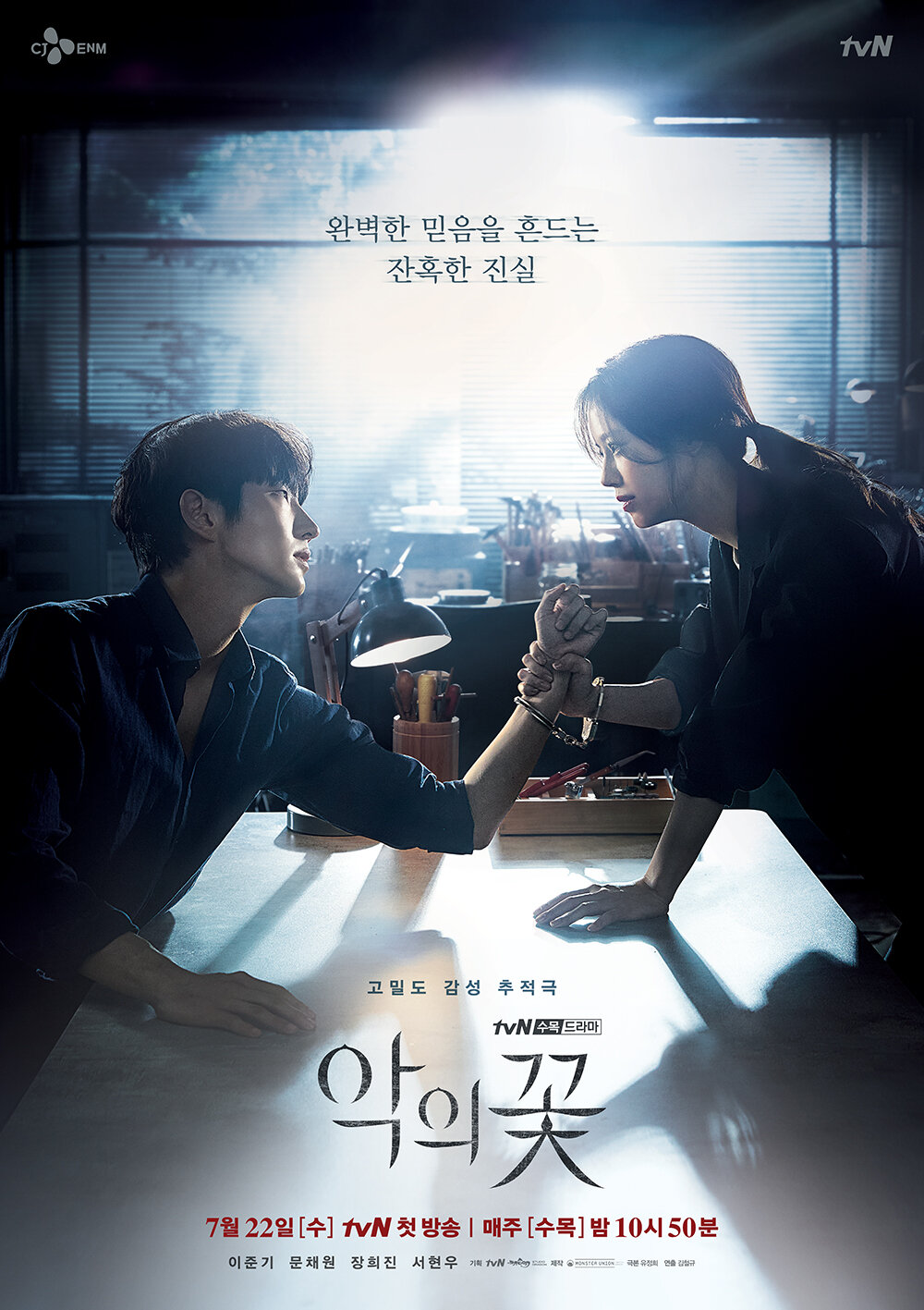
Flower of Evil2020
A school-set psychological spiral about hidden monstrosity in ordinary places. Like Boogiepop, it's interested in how darkness whispers through a community, and how rumour and reality become indistinguishable.
But It's deeply uncomfortable and deliberately cheap-looking. The rotoscoped animation repels many viewers. It rewards patience but doesn't make it easy.
Not sure tonight? Get a pick in a minute, starting from Boogiepop Phantom
The wildcard
Something you would not have found on your own.
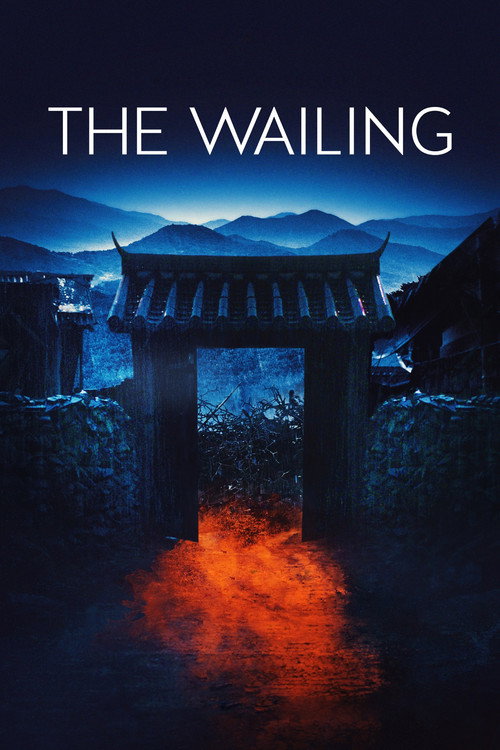
The Wailing2016
Both resist the safety of identifying evil. Instead, they ask whether darkness spreads through action or simply through witnessing, through belief, through the act of speaking about it.
A Korean mystery-horror film that unfolds through contradictory testimonies and fractured investigation. Like Boogiepop, it's structured around the impossible question: is the danger supernatural or human, or is that distinction meaningless?
But Nearly two and a half hours, complex, deliberately ungovernable. The ending suggests there is no true answer, which infuriates viewers seeking resolution.
More like this (6)
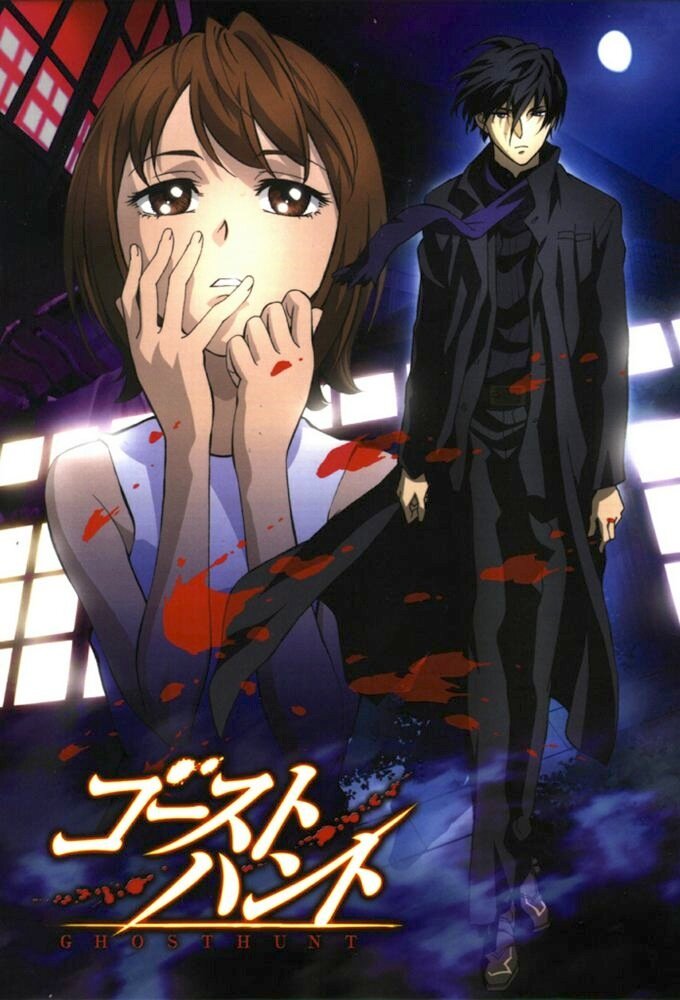
Ghost Hunt2006
A paranormal investigation series that respects atmosphere over jump scares. Each arc builds dread methodically through character interaction and slow revelation, much like Boogiepop's approach to horror.
But It's longer and more conventionally structured, so less experimental. Some arcs work better than others, and the pacing can drag.
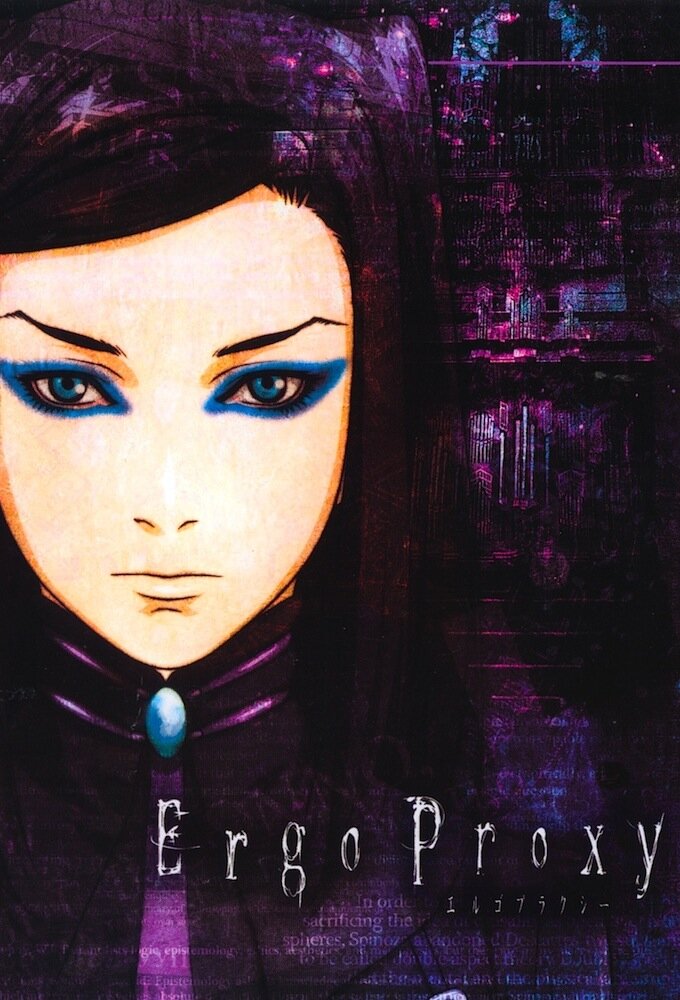
Ergo Proxy2006
Post-apocalyptic noir with minimal dialogue, where mood and visual storytelling carry the weight. Both share a willingness to leave gaps for viewers to fill, and a conviction that silence can be terrifying.
But Very slow, very quiet, very bleak. If you need constant plot momentum or bright moments, this will test you.
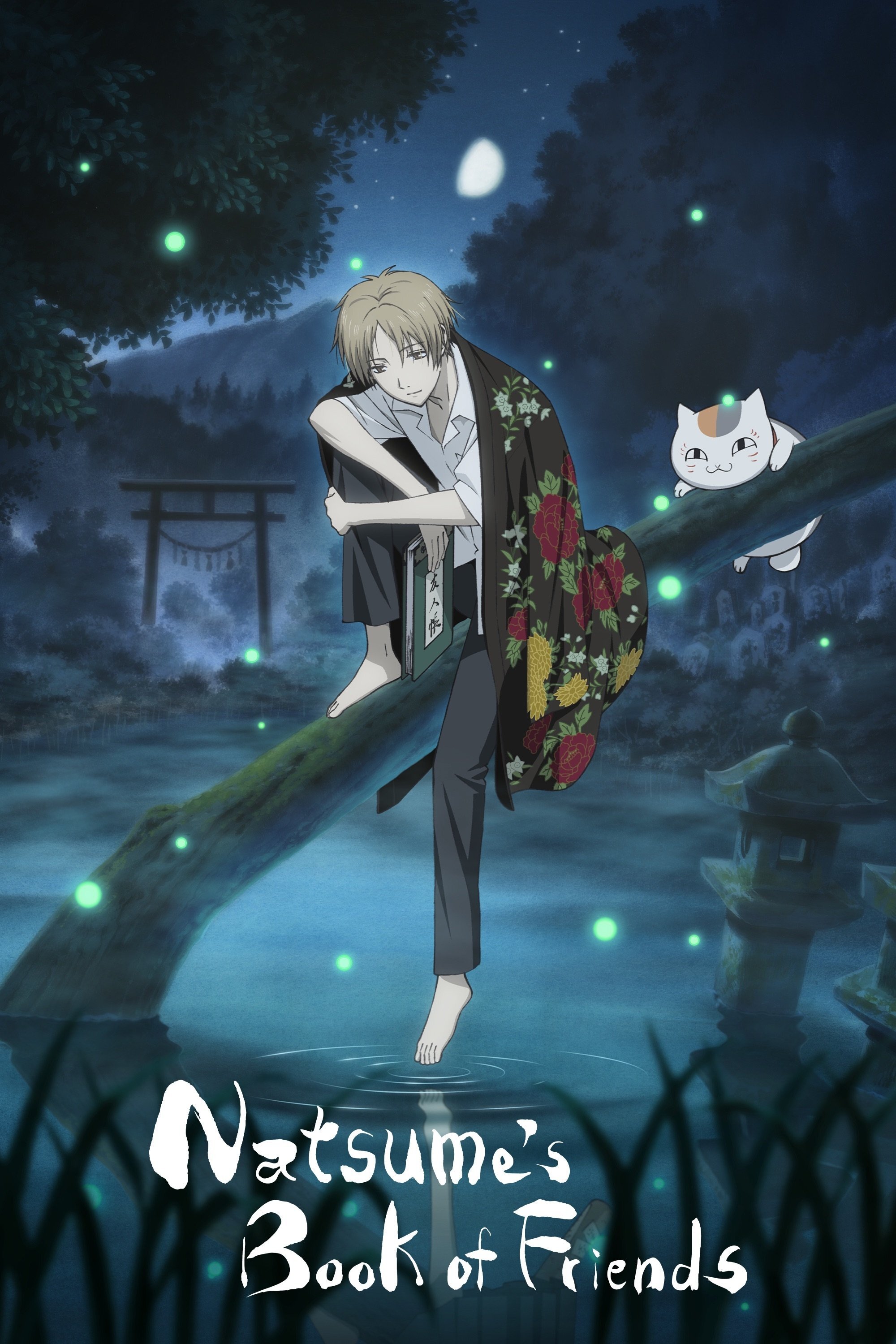
Natsume's Book of Friends2008
Supernatural vignette series exploring the liminal space between human and yokai worlds. Like Boogiepop, it's episodic, atmospheric, and treats dread and melancholy with equal weight.
But It's gentler and more humanistic than Boogiepop, so less overtly horrifying. Some episodes prioritise emotion over intrigue.
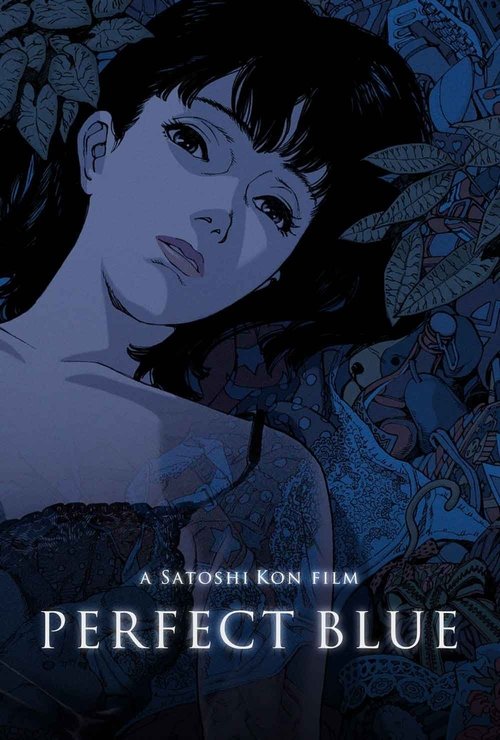
Perfect Blue1998
Satoshi Kon's psychological thriller about reality fracturing under obsession. Same fractured narrative approach, same use of repetition and unreliability, same conviction that horror lives in the gaps between what we see and what we understand.
But It's genuinely disturbing, with sexual violence and stalking woven through. The narrative is intentionally disorienting—some viewers find it manipulative rather than illuminating.
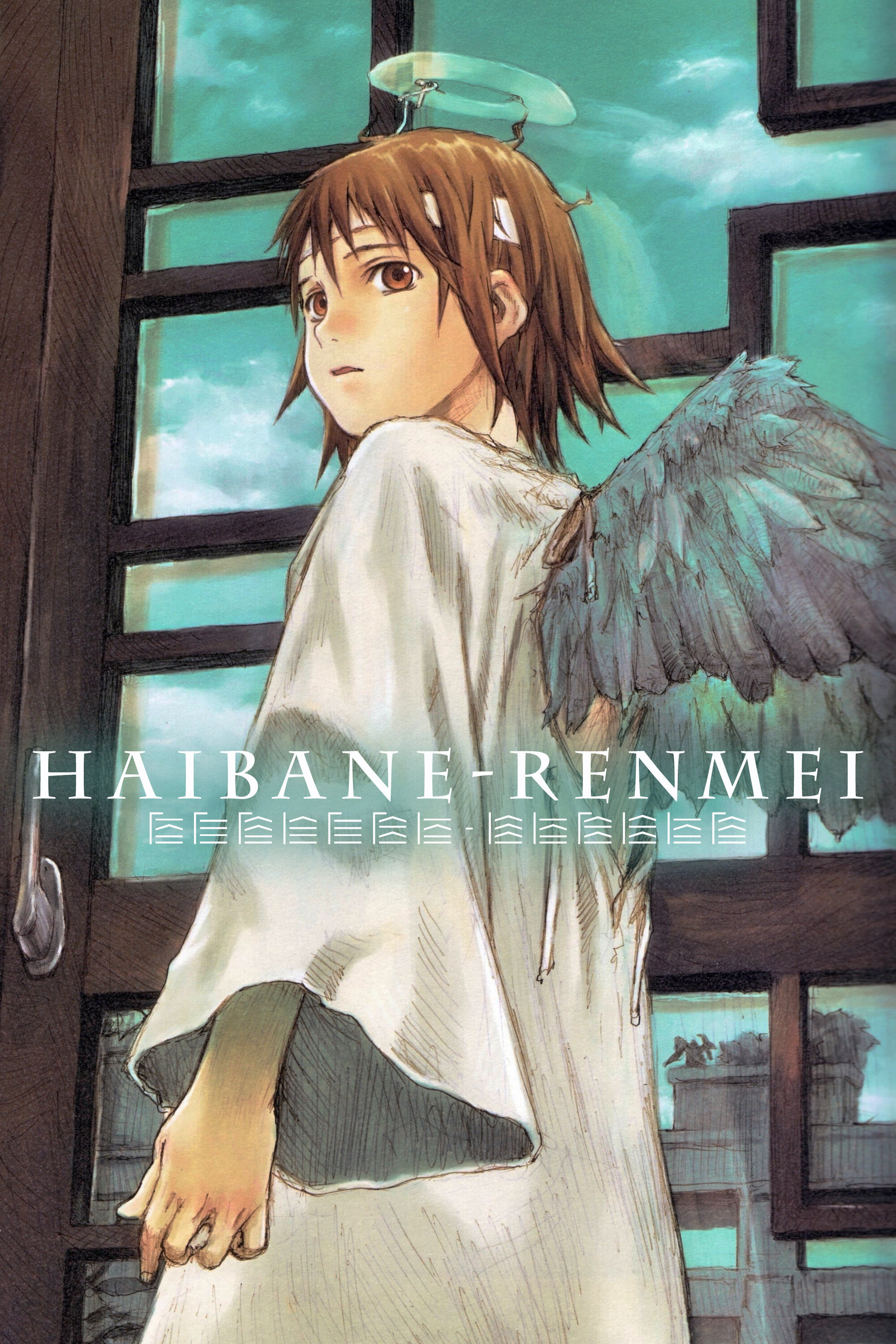
Haibane Renmei2002
A melancholic supernatural series that reveals itself in fragments, treating mystery and atmosphere as more important than answers. Shares Boogiepop's commitment to subtle unease and refusing easy interpretation.
But It's very quiet and philosophical. The pacing is dreamlike to the point of feeling aimless for some viewers. Plot isn't the draw.
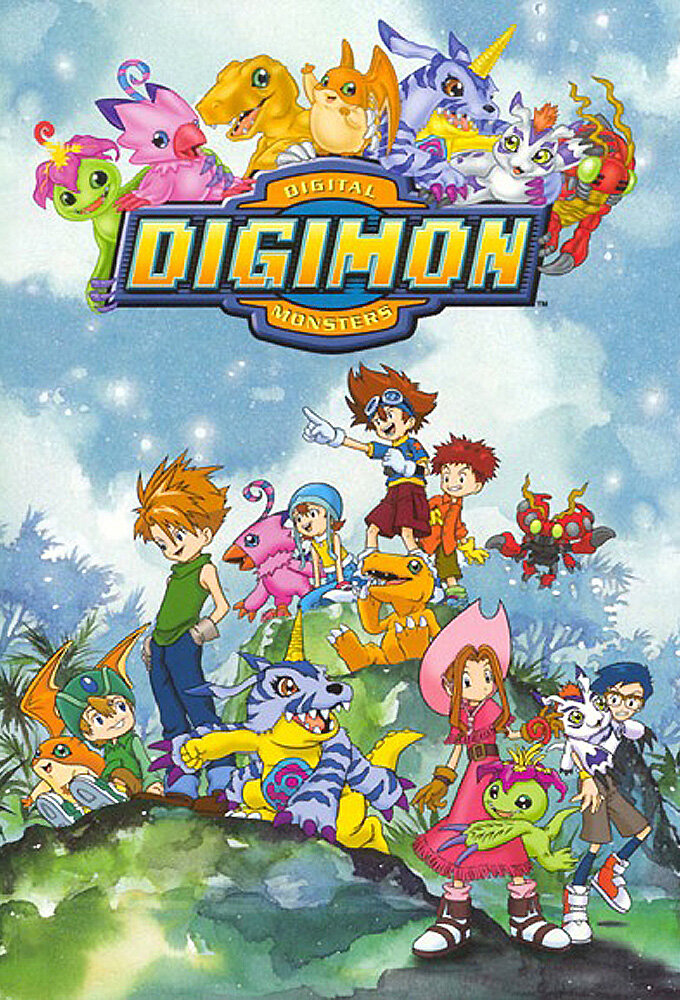
Digimon: Digital Monsters1999
Both pair bright animation with unsettling themes. Both ask what happens when a parallel reality—or a shared myth—bleeds into ordinary lives and ordinary kids have to reckon with it. Both trust that the form needn't signal the content.
A Digimon series that's surprisingly dark: it treats digital intrusion into reality as genuine horror, with a protagonist wrestling trauma rather than simply winning battles. Animated adventure with the psychological weight of Boogiepop.
But It's a children's show in premise and visual style, which confuses viewers expecting consistent darkness. Some may dismiss it as juvenile despite deeper undercurrents.
People
Cast






Production
- Shawne KlecknerExecutive Producer
Recommended by
Serial Experiments Lain, Paranoia Agent, Higurashi no Naku Koro ni, Neon Genesis Evangelion: The End of Evangelion, Armor Hunter Mellowlink, Pretty Guardian Sailor Moon Eternal the Movie Part 1