
Film
Do Raaste
A 1969 Hindi family drama about a man who sacrifices everything to hold his blended family together after his father's death. As his siblings grow up, each faces a choice between duty and desire, and the family fractures under competing loyalties. A meditation on obligation, love, and the cost of keeping promises.
If you liked this
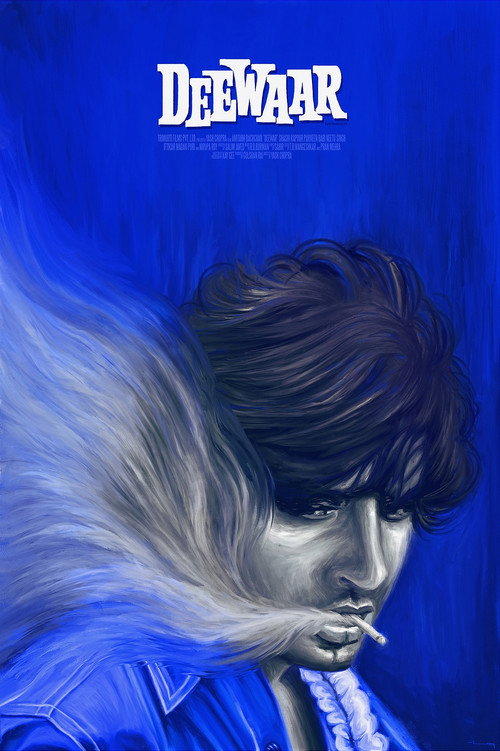
Deewaar1975
Amitabh Bachchan and Shashi Kapoor as estranged brothers torn between duty to their mother and personal ambition. The spiritual successor to Do Raaste's conflict between sacrifice and selfishness, with more action and raw emotional power.
But It's angry and sometimes bleak. The mother-worship can feel suffocating if you're not in the register of melodrama.
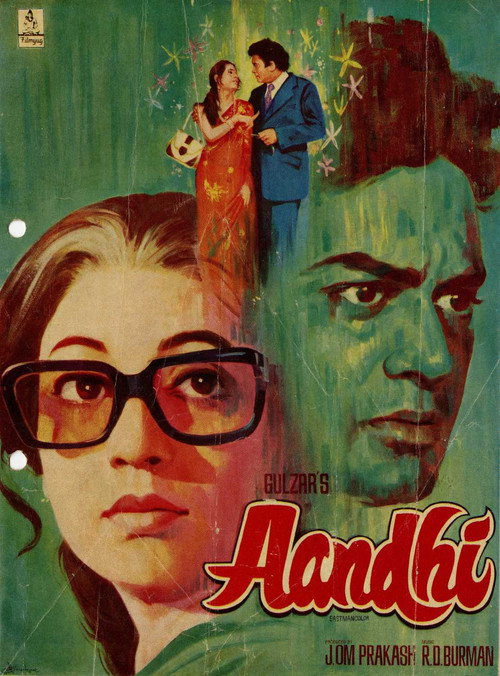
Aandhi1975
Rajesh Khanna (who played Navendu's youngest brother) carries this intimate drama about political ambition versus marriage. Sridevi's counterpart is equally sharp. A chamber piece about duty to others versus duty to yourself.
But Very talk-heavy and deliberately small. There's no plot momentum, just two people in a room choosing between things.
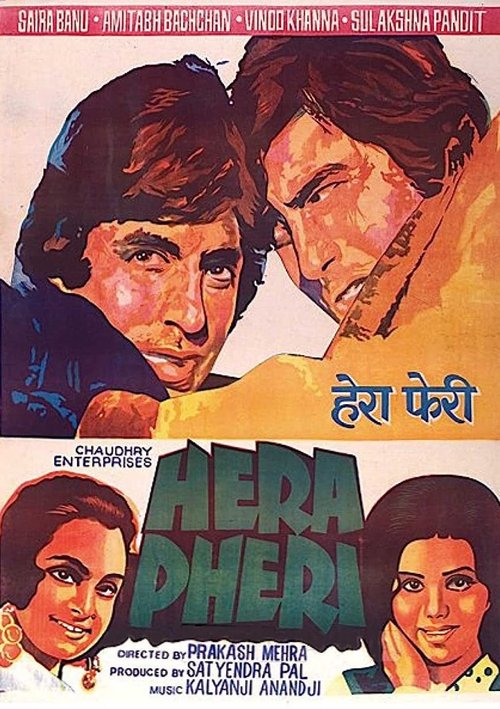
Hera Pheri1976
A more playful take on family obligation versus personal fulfillment. Vinod Khanna and Rajesh Khanna show the tension between staying loyal and running away, but the film doesn't punish either choice as sharply as Do Raaste does.
But The tonal mix of comedy and melodrama doesn't always land. It can feel uncertain about whether to be serious or light.
Not sure tonight? Get a pick in a minute, starting from Do Raaste
The wildcard
Something you would not have found on your own.
Pather Panchali1955
Both are epics of family duty and generational obligation, but Ray builds his film from the ground of what cannot be changed, while Do Raaste builds from the moment of choice. Ray is fate; Do Raaste is decision.
Satyajit Ray's masterpiece about family, poverty, and sacrifice—but from the perspective of childhood seeing it happen. A Bengali film (not Hindi) that shares Do Raaste's anatomy of obligation but filters it through wonder and loss instead of moral conflict.
But It's slower and more poetic. If you want drama and confrontation, this observes rather than dramatizes. Black and white, subtitled, and deeply melancholic.

More like this (4)
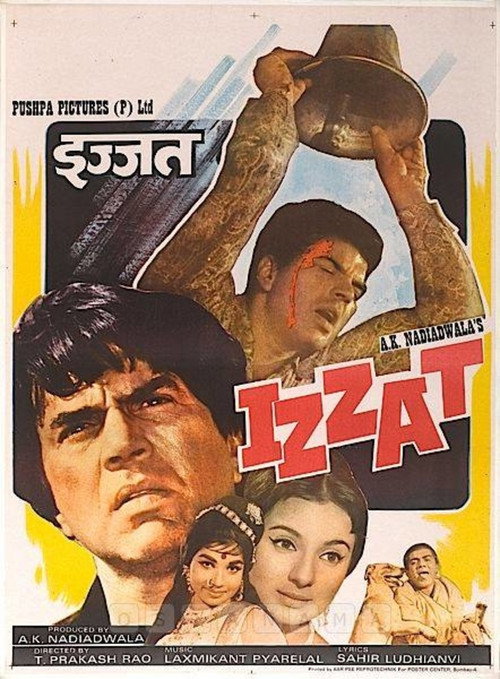
Izzat1968
Released just before Do Raaste, this explores honor, family legacy, and what happens when sacrifice becomes a trap. Rajesh Khanna again playing a man caught between duty and desire, but here the family is more explicitly toxic.
But The resolution feels rushed. After nearly two and a half hours of tension, it deflates rather than resolves with conviction.
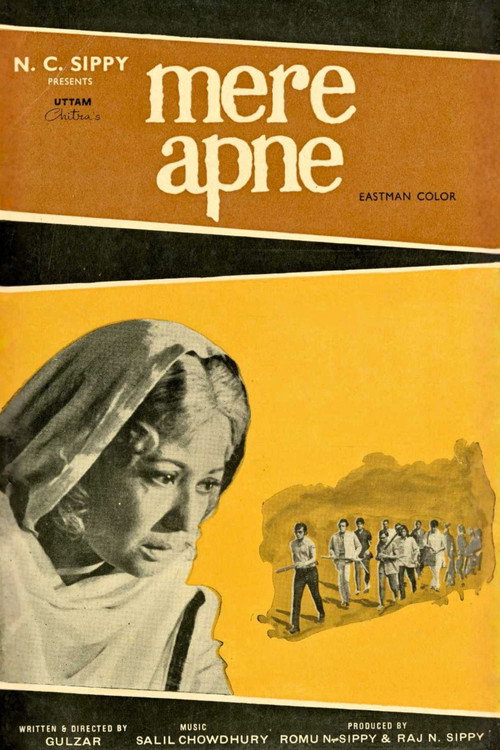
Mere Apne1971
Rajesh Khanna plays a younger man, but the film is really about generational conflict and whether the old guard's sacrifices were worth it. A compassionate reexamination of duty across two ages.
But The love story subplot feels tacked on. You're more interested in the philosophical argument than the romance.
Ikiru1952
Both are about the cost of sacrifice. Do Raaste asks whether the sacrifice held the family together. Ikiru asks whether the sacrifice was worth anything at all.
Kurosawa's Japanese film about a man who has spent his life in dutiful, joyless service and faces death still wondering if it meant anything. Not a family drama, but the same engine: a life surrendered to obligation, and the reckoning that follows.
But It's a meditation on meaninglessness and regret. Bleak is too light a word. Requires patience and emotional openness to despair.

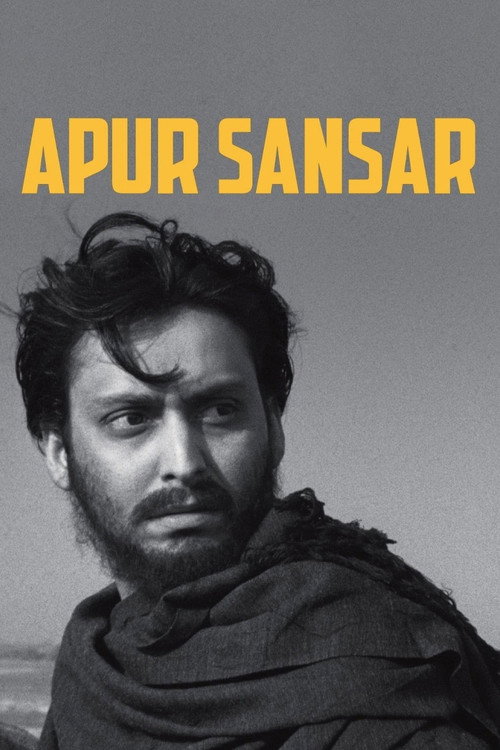
The World of Apu1959
Same question as Do Raaste—duty versus desire—but Ray asks it of a man with fewer choices and more resignation, and the answer is heartbreakingly unclear.
Ray again, but now the family is formed by marriage and accident rather than blood. A young man is bound by duty to a wife he didn't choose and children he never planned, and the film watches him either transcend or capitulate to that fate.
But Very slow. Bengali cinema of this era moves at a different speed than Bollywood. No resolution comes neatly; the film ends in ambiguity.
People
Cast
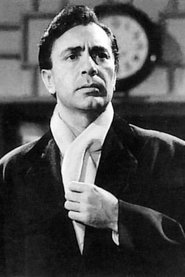 Balraj SahniNavendu Gupta
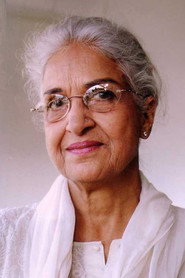 Kamini KaushalMadhvi Gupta
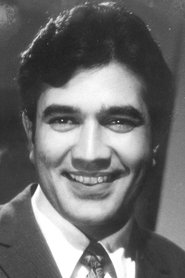 Rajesh KhannaSatyen Gupta
 Mumtaz AskariReena
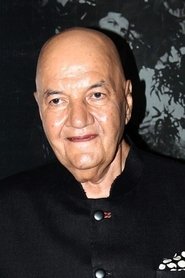 Prem ChopraBirju Gupta
 BinduNeela Alopee Prasad
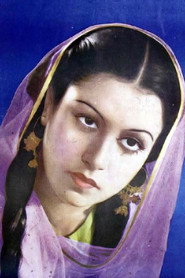 VeenaMrs. Gupta
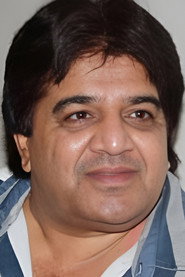 Mehmood Jr.Raju Gupta
- JayantKhan
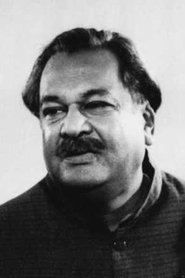 Asit SenAlopee Prasad
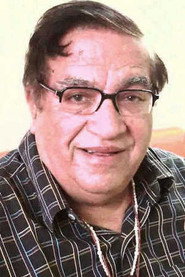 BirbalRasgullah
Directing
- Raj KhoslaDirector
Writing
- Akhtar RomaniDialogue
- Chandrakant KakodkarOriginal Story
- G.R. KamatScreenplay
Production
- Lekhraj KhoslaExecutive Producer
- Raj KhoslaProducer