
Film
Teesri Manzil
A 1966 Hindi thriller about mistaken identity and romance set in Bombay's nightclub scene. A woman pursues the man she believes killed her sister, only to fall for him without knowing his real identity. It's a dizzy, charming affair—part mystery, part romantic comedy—that moves with infectious energy and style. A cornerstone of 1960s Hindi cinema.
Should you watch it?
Watch it if you love old-fashioned Hindi thrillers where a whodunit gets tangled up with romance, wisecracks and nightclub glamour, and you don't mind the detours that make the chase feel playful.
Skip it if you want a lean, tightly plotted mystery, since this one wanders through songs and comic set-pieces and rarely hurries toward its solution.
What it asks of you: Settle in for close to three hours, with a leisurely build, frequent breaks for songs, and a tone that swings between jokes and suspense rather than staying grim.
Not sure? Find tonight's pick in a minute.
If you liked this
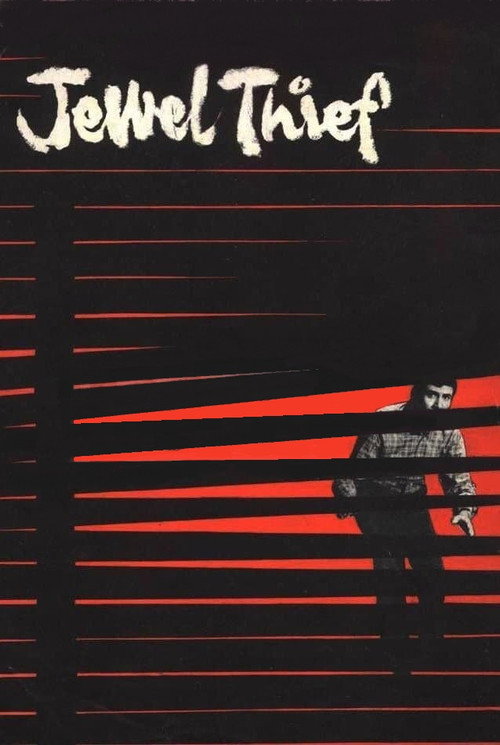
Jewel Thief1967
Rajesh Khanna and Mumtaz in a heist-comedy-romance with the same fizzy, playful spirit. Complicated plans, genuine stakes, and two leads who make scheming look like foreplay. Shot through with wit and visual style.
But If you want plot coherence, this will frustrate you. The mechanics don't survive scrutiny, and that's rather the point—you're meant to enjoy the mood, not solve the puzzle.
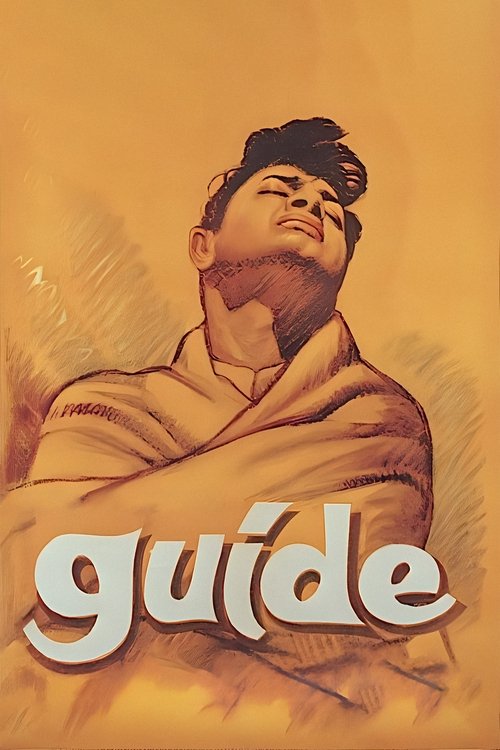
Guide1965
Dev Anand and Waheeda Rehman in a more serious romantic drama with dance, music, and moral complexity. Stunning cinematography and a real emotional core. Shows what Hindi cinema could do with deeper material.
But It's slower and more introspective than *Teesri Manzil*. The tone is elegiac, not playful. If you're here for nightclub glamour and rapid-fire romance, this will feel heavy.
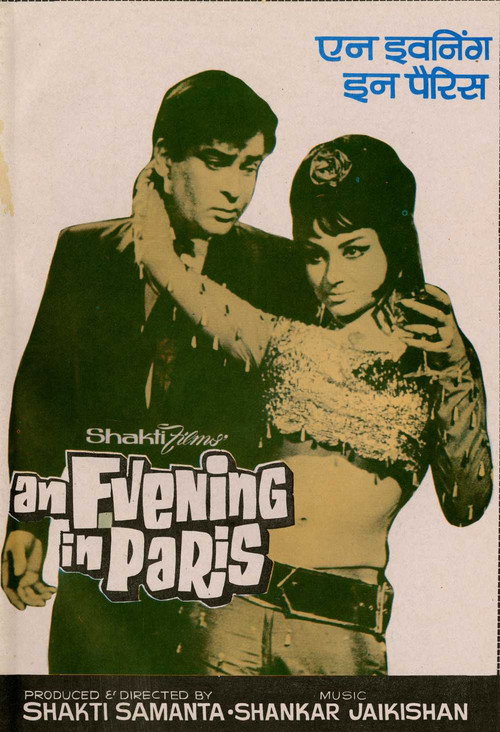
An Evening in Paris1967
Shashi Kapoor and Sharmila Tagore globe-trotting in a stylish thriller that borrows *Teesri Manzil*'s playbook—romance, mystery, beautiful people in beautiful places. Colour cinematography that still gleams.
But The plot is thin and the romance feels like the actual story. If you need coherent spy-craft or real suspense, you'll be disappointed.
Not sure tonight? Get a pick in a minute, starting from Teesri Manzil
The wildcard
Something you would not have found on your own.
Umrao Jaan1981
Both use the nightclub/dance world as their setting, but *Umrao Jaan* treats that world with tragic realism rather than glamorous romance. Same milieu, inverted emotional register.
Rekha as a courtesan in 19th-century Lucknow. No plot twists, no mistaken identity—just a woman's life unspooling with grace and heartbreak. Visually ravishing, morally complex, and anchored by one of Hindi cinema's greatest performances. Utterly still.
But It moves slowly and asks you to sit with melancholy. There's no thriller apparatus or comedy relief. Some find it glacial; some find it perfect.

More like this (7)
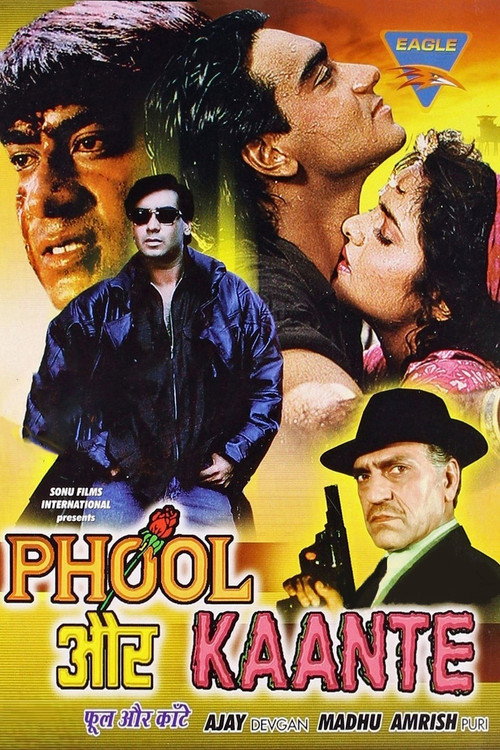
Phool Aur Kaante1991
Ajay Devgn and Madhoo in a 90s echo of the same DNA: mistaken identity, a romance built on deception, high stakes punctuated by song and comedy. Modern production value but the same delicious entanglement.
But It's glossier and broader than the original, with 90s sensibilities that can feel dated now. Lacks the effortless charm of the 60s version.
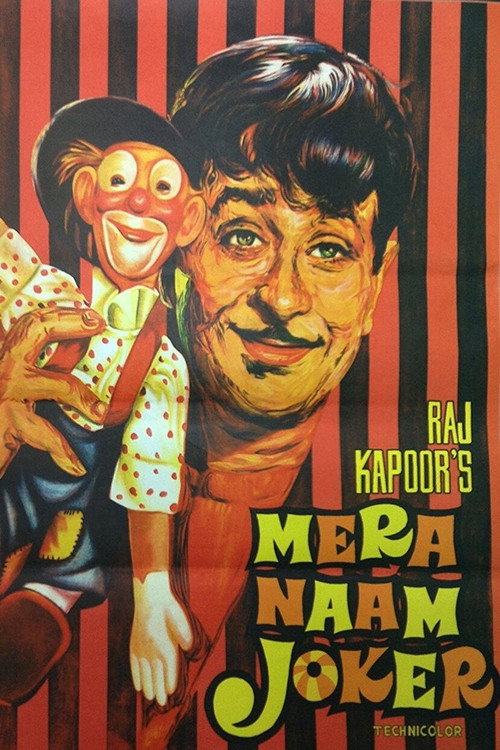
Mera Naam Joker1970
Raj Kapoor's epic three-part film about a circus performer hiding pain behind performance. Ambitious, emotional, and gorgeously shot. A meditation on love, sacrifice, and the loneliness of making others laugh.
But It's nearly three and a half hours. The tone swings wildly between broad comedy and genuine tragedy. Some viewers find it overwrought; others find it genius.
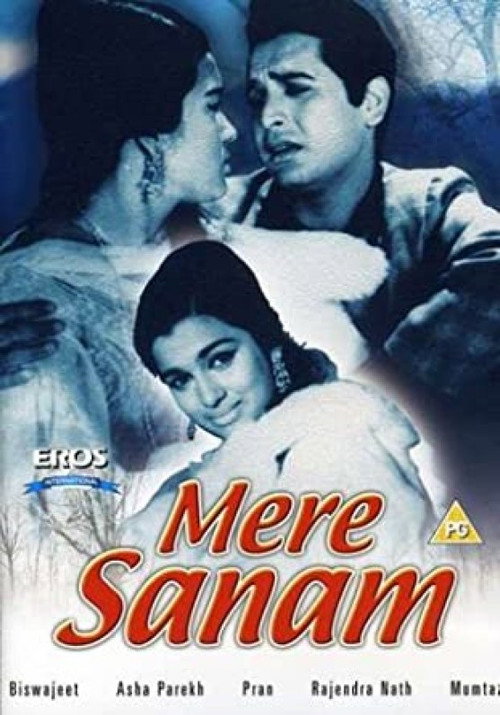
Mere Sanam1965
Shammi Kapoor again (he's magnetic in everything) opposite Rajshree in a romantic drama with mistaken identity at its core. Melodic, sincere, and surprisingly moving. A solid showcase for Kapoor's romantic range.
But It's more straightforwardly romantic and less playful than *Teesri Manzil*. The mystery plot is secondary. If you need the thriller edge, this softens it too much.
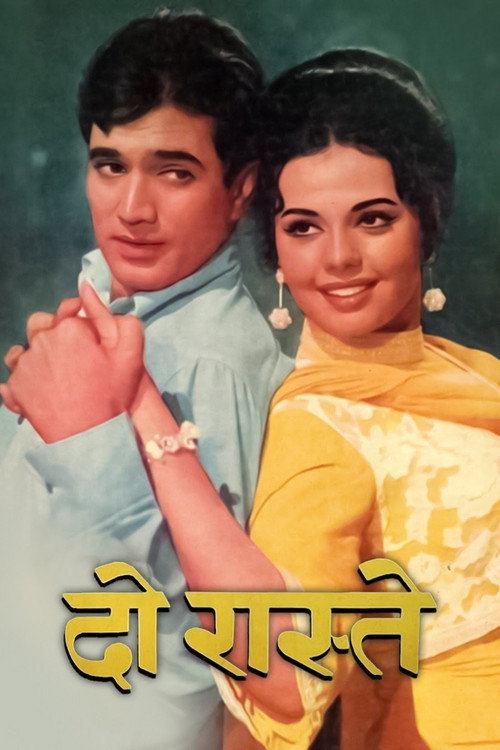
Do Raaste1969
Rajesh Khanna's debut opposite Mumtaz. A romantic thriller with crime, family drama, and real emotional stakes underneath the glamour. Shows what happened to these themes when actors like Khanna brought new energy.
But The tone is more melodramatic than *Teesri Manzil*. If you're looking for that precise balance of lightness and romance, this tips heavier.
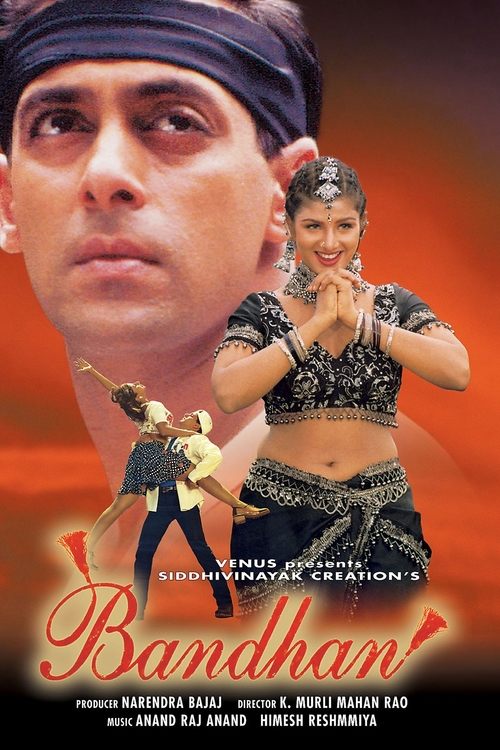
Bandhan1998
A much later film that understands what made 60s thrillers work—the joy of elaborate schemes, beautiful locations, and romance as the real engine. Ajay Devgn and Karisma Kapoor move through an ornate plot with style.
But By the 90s, this formula had calcified. It feels like a pastiche rather than something alive. Modern sensibilities make it feel slight.
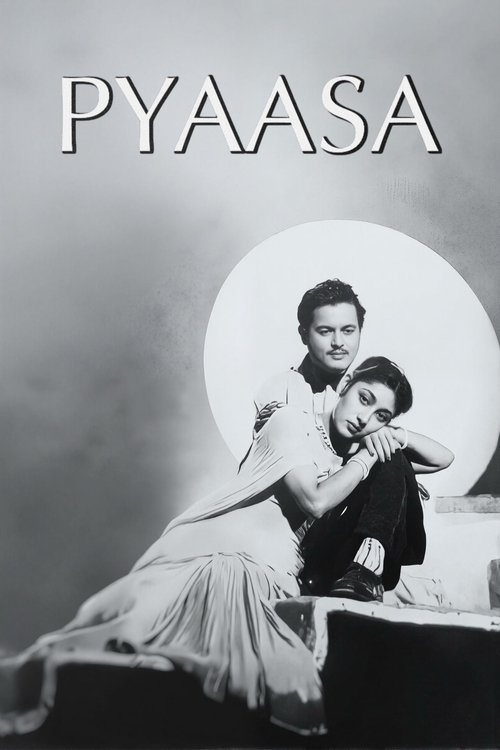
Pyaasa1957
Both films use Bombay's nightlife as a backdrop, but *Pyaasa* sees the city as a trap and a mirror. Where *Teesri Manzil* dances through romance, *Pyaasa* drowns in it.
Guru Dutt's masterpiece about a poet trying to survive in a city that doesn't value him. Black-and-white, poetic, devastating—a film about what gets lost when art meets commerce. It's nearly a century old and still breathtaking.
But It's bleak. There's no mystery to solve, no lightness. If you need a story that moves forward and resolves, this spirals inward. Pre-dating *Teesri Manzil* by a decade, it shows what Hindi cinema could do with despair.
Rang De Basanti2006
Both turn on the revelation of true identity and the collision between a character's perception and reality, but *Rang De Basanti* uses that structure to interrogate power and conscience rather than merely romance.
Aamir Khan and Soha Ali Khan in a modern thriller about activism and corruption that echoes *Teesri Manzil*'s structure—young people caught up in schemes larger than themselves, identity constantly in flux. Energetic, angry, and genuinely stirring.
But It wears its politics openly and heavily. Some find it preachy; others find it essential. It's also much longer and more ambitious than the elegant economy of the original.

People
Cast
 Shammi KapoorAnil Kumar / Rocky
 Asha ParekhSunita
 HelenRuby
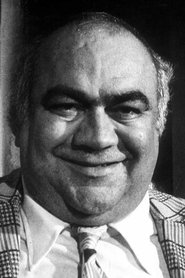 Premnath MalhotraKunwarsahab Mahender Singh
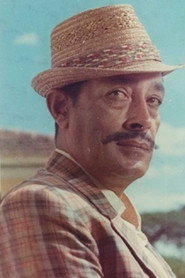 IftekharInspector Das
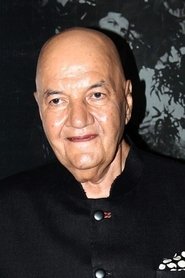 Prem ChopraRamesh
 Laxmi ChhayaMeena
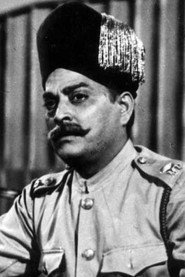 Raj MehraSunita and Rupa's father
- SabinaRupa
 Salim KhanRocky and Ruby's friend
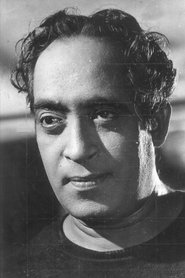 K.N. SinghManohar
- NeetaSabina
Recommended by
Coolie, An Evening in Paris, Junglee, Dil Deke Dekho, Inspector, Raaz, Nau Do Gyarah, Dil Tera Diwana