
Film
Waqt
Other titles called Waqt: the 1965 film.
Waqt is a Bollywood family drama about mortality, redemption, and the transmission of values across generations. A father facing death attempts to teach his wastrel son discipline through exile. It's a film about time running out and what that teaches us—sentimental but earnest, built on the premise that suffering can remake character.
If you liked this
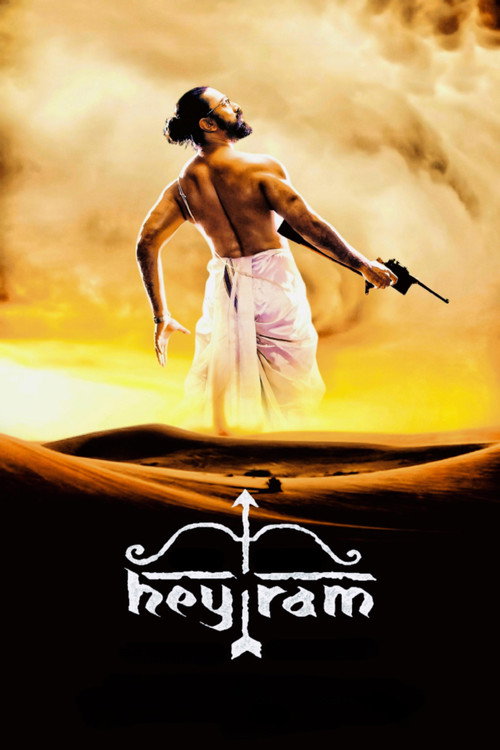
Hey Ram2000
Kamal Haasan's meditation on grief, violence and legacy. Like Waqt, it's a film about how trauma shapes fathers and sons, wrestling with Indian identity through intimate family rupture.
But Formally experimental and bleak; it demands patience and won't offer Bollywood's usual comforts.
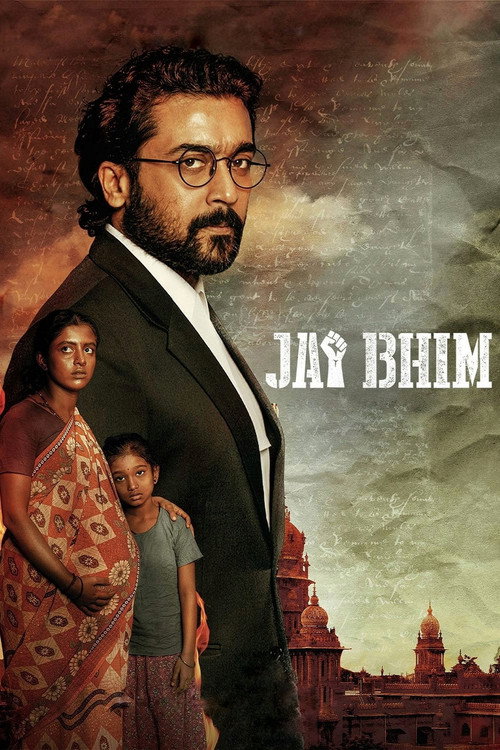
Jai Bhim2021
Suriya delivers a career-defining performance as a lawyer fighting injustice. Like Waqt, it's interested in moral awakening—a man learning to see systemic cruelty and choosing integrity over comfort.
But It's punishing. The violence and suffering are not softened; the film does not look away.
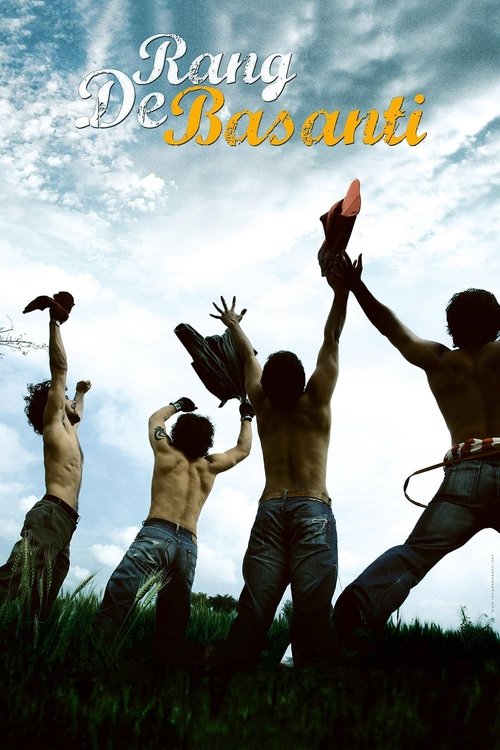
Rang De Basanti2006
Aamir Khan leads a group of young men toward activism and consequence. It shares Waqt's interest in how young men grow into responsibility—and what they sacrifice to do so.
But The second half pivots into something darker than its opening. Tonal whiplash if you're expecting a conventional campus film.
Not sure tonight? Get a pick in a minute, starting from Waqt
The wildcard
Something you would not have found on your own.
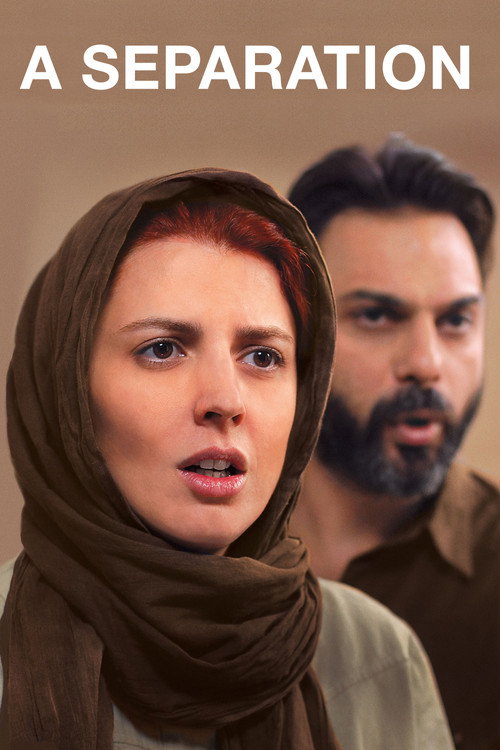
A Separation2011
Both films center on time—what's left of it, what's wasted—and use family as the arena for asking what makes a life matter.
Asghar Farhadi's Iranian masterpiece about family breakdown and moral responsibility. Like Waqt, it's built on the question of what we owe each other when love fractures—but it refuses sentiment entirely. A film that respects your intelligence.
But It offers no catharsis, no redemption, and no clear villain. It may feel like heartbreak with no resolution.
More like this (8)
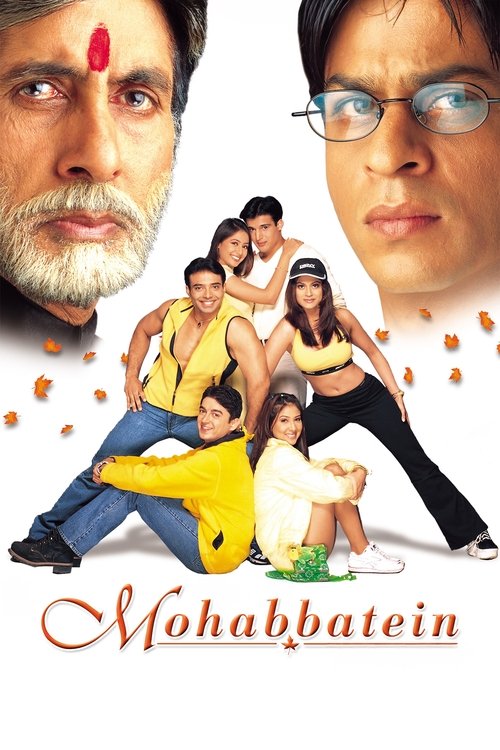
Mohabbatein2000
Amitabh Bachchan and Shah Rukh Khan embody opposing philosophies of love and duty. It explores generational conflict through the same lens Waqt uses: older men teaching younger ones about consequence.
But It's a musical romance dressed as a moral debate. If you can't accept that, the second half deflates.
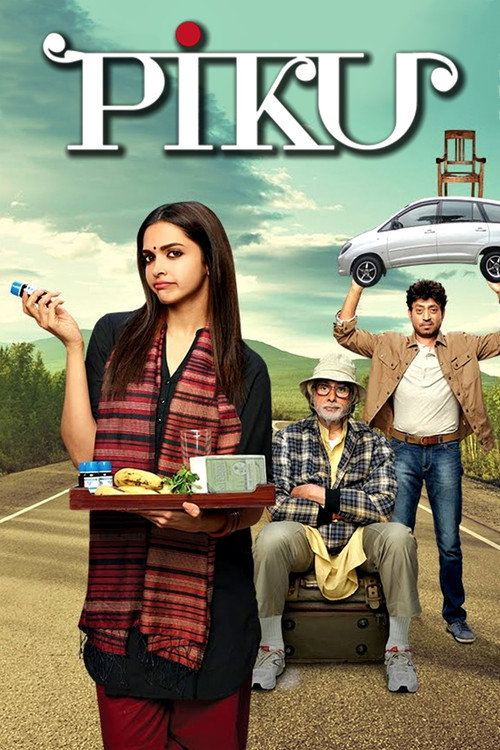
Piku2015
Deepika Padukone and Amitabh Bachchan negotiate intimacy, aging, and the unglamorous reality of care. It's tender about mortality in ways Waqt attempts but often undercuts with melodrama.
But The humor is gentle to the point of meandering. It moves at its own pace, which may feel slight if you want story momentum.
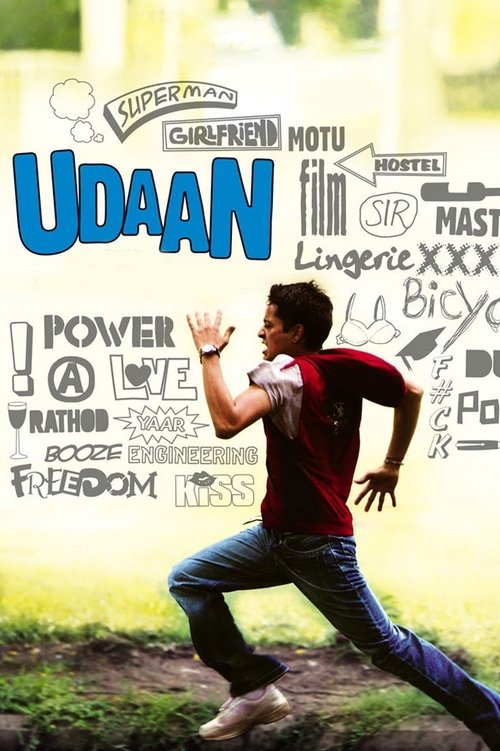
Udaan2010
A son returns home and collides with his estranged father's authoritarianism. Like Waqt, it maps the geography of masculine pride and the cost it extracts from families.
But It's deliberately slow and observational. The father remains partly opaque; there's no redemptive arc if that's what you want.
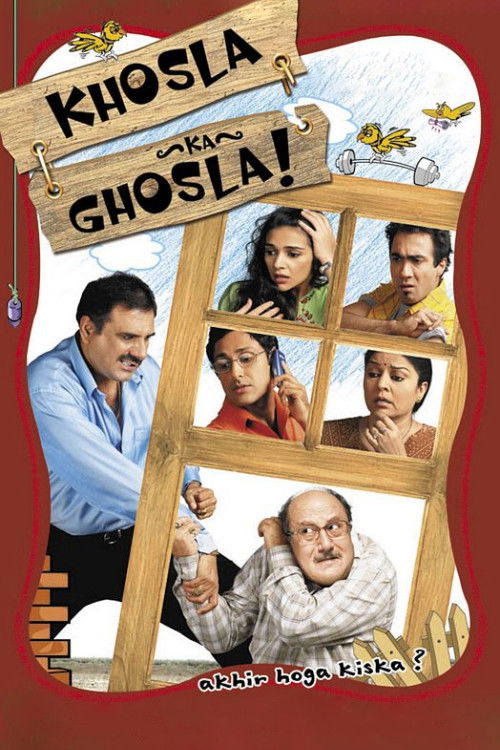
Khosla Ka Ghosla!2006
A family rallies when an aging father is defrauded. It treats aging, vulnerability, and family duty with both comedy and genuine affection—lighter than Waqt but sincere.
But The satire is broad and sometimes tips into caricature. The Hindi-film universe feels very present.
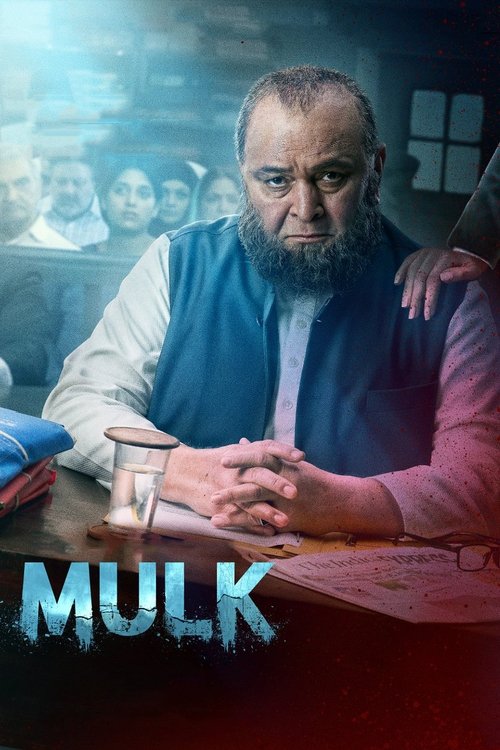
Mulk2018
Taapsee Pannu and Rishi Kapoor navigate inheritance, identity, and justice through a shared house. It inherits Waqt's framework—older and younger generations at odds—but reframes it through contemporary questions.
But It gets preachy toward the end. The moral messaging can feel bolted onto the story rather than emerging from it.
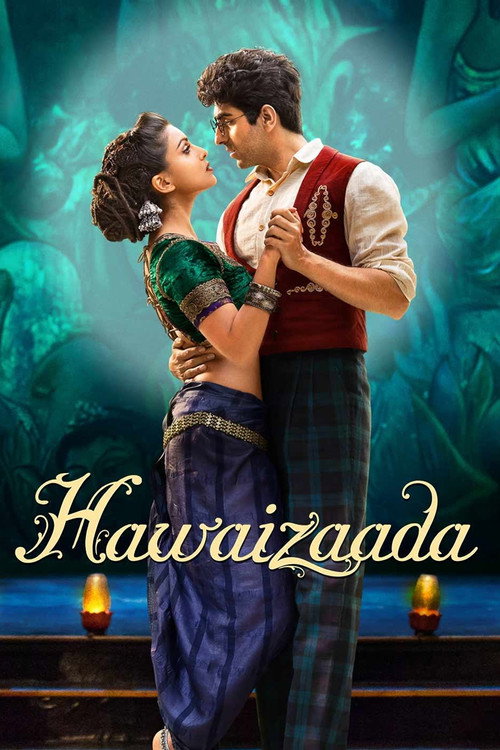
Hawaizaada2015
A biographical film about an Ottoman inventor and his son's partnership. It's genuinely about legacy and the transmission of ambition, even if it's less well-known than Waqt's frame allows.
But It's niche. If historical epics about forgotten inventors don't appeal to you, there's little else to catch you.
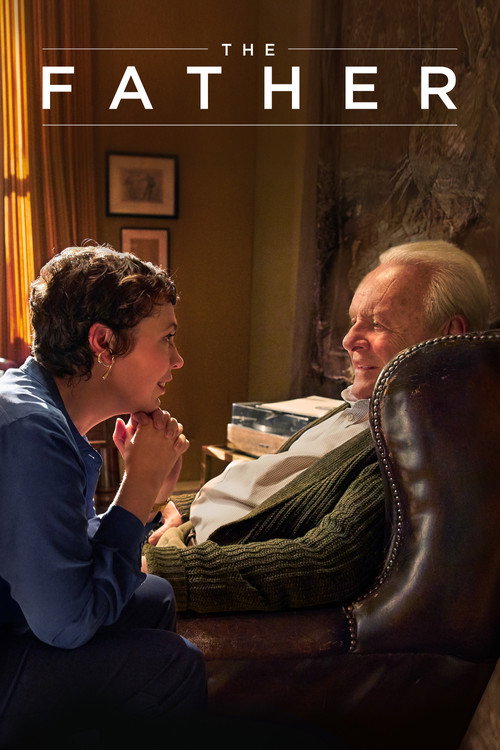
The Father2020
Waqt imagines a father saving his son through nearness to death. The Father asks what happens when death approaches and takes the father's mind first. It's the inverse condition.
Anthony Hopkins and Florian Zeller create a film that lives inside cognitive decline. Rather than observe aging from outside, it traps you in a father's collapsing sense of reality. Devastating and formally brilliant.
But It's claustrophobic and disorienting by design. If you watch it to feel better, it will fail you.
Bicycle Thieves1948
Both films refuse to sentimentalize hardship. Both argue that a father's crisis becomes a son's education—not comfortingly, but necessarily.
De Sica's neorealist masterpiece follows a father and son across Rome searching for a stolen bicycle. It's about dignity, desperation, and what fathers owe their children when the world offers nothing. Italian cinema did family crisis fifty years before Bollywood.
But It's in Italian, shot in post-war Rome, with no score and no relief. The emotional devastation is the whole point.

People
Cast
 Amitabh BachchanIshwarchand Thakur
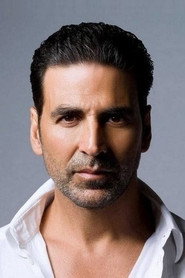 Akshay KumarAditya Ishwarchand Thakur
 Priyanka Chopra JonasPooja 'Mitali' Thakur
 Shefali ShahSumitra Thakur
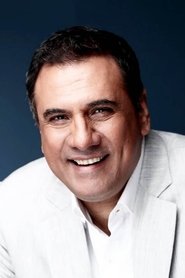 Boman IraniNattu Bhai
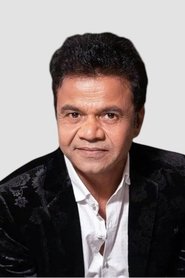 Rajpal YadavLaxman
 Asawari JoshiAshalata
Directing
- Vipul Amrutlal ShahDirector
Writing
- Aatish KapadiaScreenplay
- Aatish KapadiaStory
Production
- Vipul Amrutlal ShahProducer