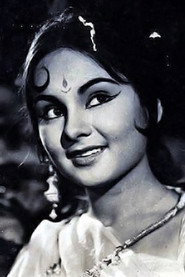
Film
Teesra Kaun
A 1965 Hindi crime thriller about a man fleeing false accusations of diamond theft from his sister's prospective in-laws. Taut, propulsive, and gorgeously shot, it captures the paranoia of wrongful suspicion with remarkable sophistication. For fans of classic suspense and Bollywood's golden age at its most assured.
Should you watch it?
Watch it if you enjoy a wrongly accused man hunted through a tangle of crime and family pressure, and old-fashioned melodrama with a clear forward push.
Skip it if you need slick modern pacing or restrained realism, since this 1960s picture leans on heightened emotion, coincidence and big sentimental gestures.
What it asks of you: It runs on heightened emotion and a steady, chase-driven momentum, so meet its theatrical big moments on their own terms rather than with irony.
Not sure? Find tonight's pick in a minute.
If you liked this
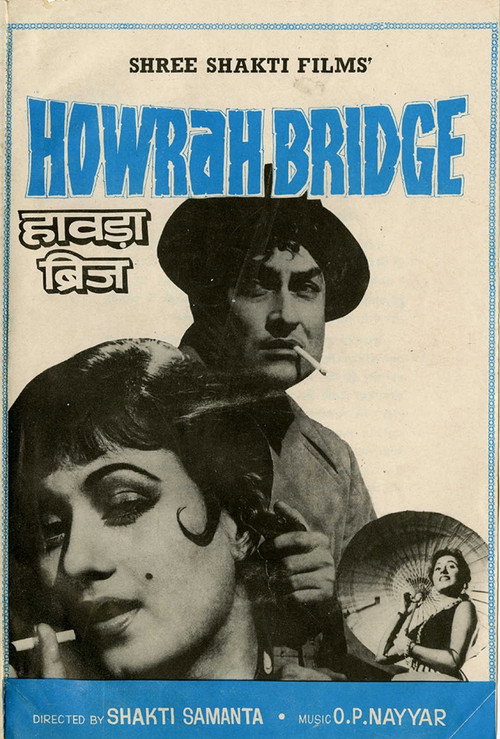
Howrah Bridge1958
An earlier Feroz Khan vehicle that refines the same DNA: a wronged protagonist navigating urban corruption and moral ambiguity. Tense, beautifully composed, and proof Khan was always a consummate actor beneath the action-hero veneer.
But Black and white and nearly seventy years old, it asks patience modern viewers sometimes lack. The pacing is deliberate in ways that can feel slow.
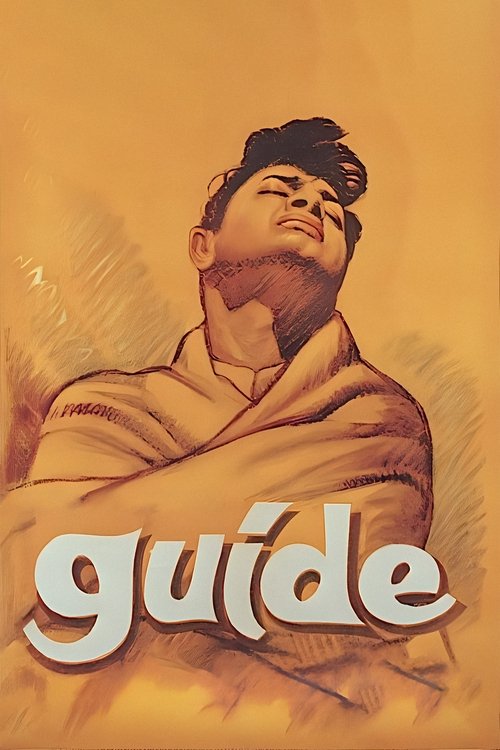
Guide1965
Released the same year, this masterpiece shares Teesra Kaun's fascination with deception, identity, and the blurred line between guilt and innocence. Dev Anand is hypnotic, and Vijay Anand's direction is immaculate.
But Its spiritual and philosophical bent may feel distant if you're hungry purely for plot momentum. It asks you to sit with ambiguity rather than resolve it.
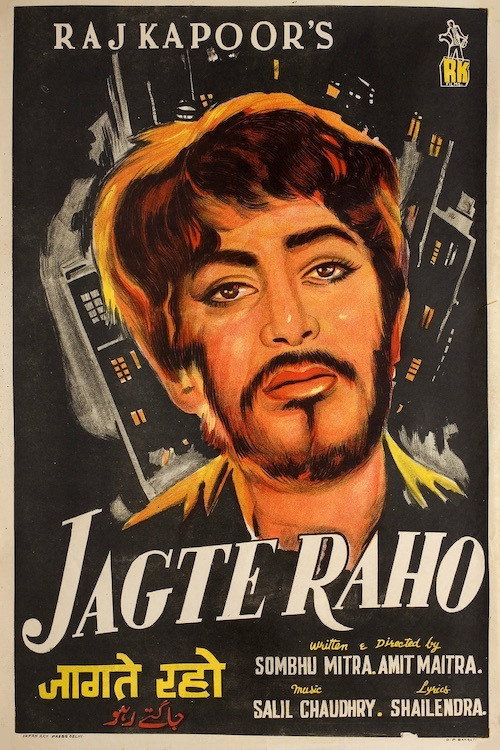
Jagte Raho1956
A social thriller about a man accused of a crime he didn't commit, set across a single night in the city. The paranoia and suspicion mirror Teesra Kaun's world perfectly, but Sombhu Mitra's direction is even more expressionistic and unsettling.
But It's more oblique and philosophical than thrilling. Some find its allegory heavier than its drama.
Not sure tonight? Get a pick in a minute, starting from Teesra Kaun
The wildcard
Something you would not have found on your own.
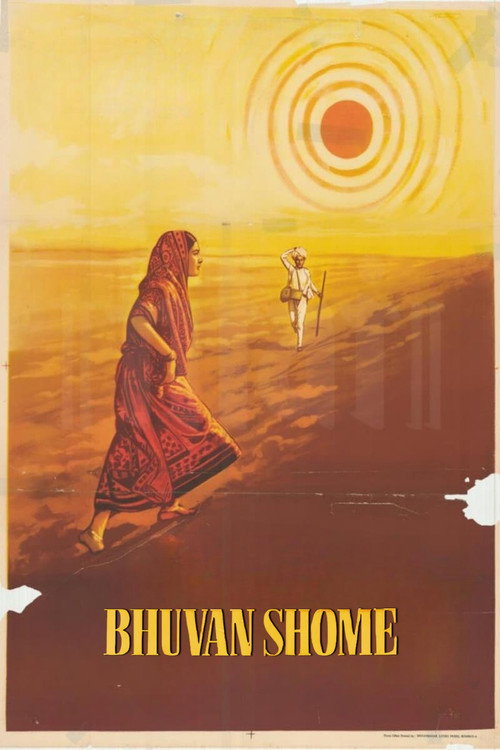
Bhuvan Shome1969
Both examine the trap of false accusation, but where Teesra Kaun treats it as urgent suspense, Bhuvan Shome treats it as existential philosophy. One runs; the other sits still.
Uttam Kumar in a Ramchandra Govind Aravindan film that deconstructs the wronged-man thriller into something strange and philosophical. Shot in sumptuous color, it asks what guilt means when everyone is both victim and perpetrator. Mesmerizing.
But This is a slow, meditative film that interrogates rather than resolves. Viewers seeking clarity or action will find it oblique and frustrating.
More like this (7)
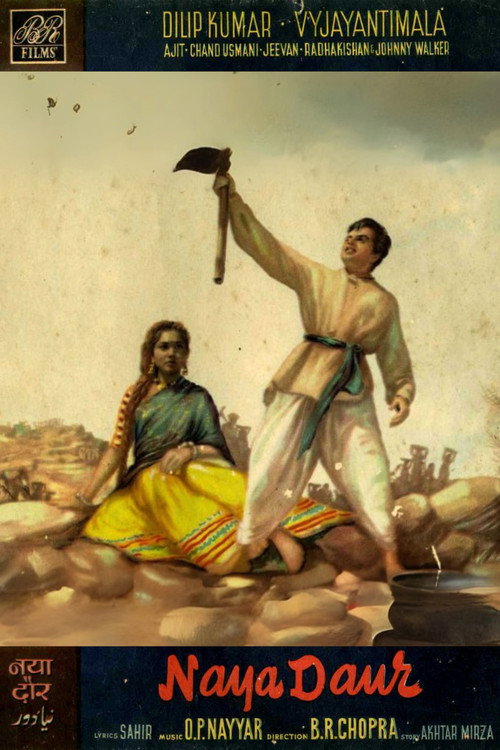
Naya Daur1957
Raj Kapoor and Madhubala in a film about class conflict and corruption that builds toward genuine moral stakes. The action sequences are inventive, the romance earned, and the social commentary sharp without preaching.
But At over two and a half hours, it demands commitment. The middle section prioritizes romance over momentum.
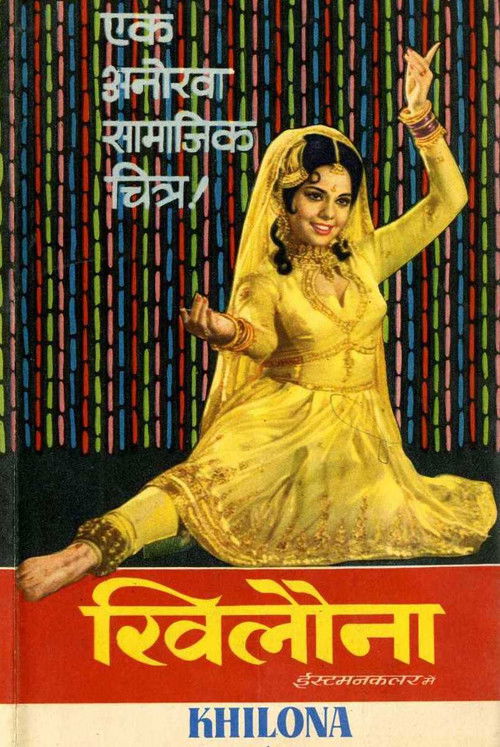
Khilona1970
A psychological drama about manipulation and victimhood that shares Teesra Kaun's interest in how perception becomes reality. Rajesh Khanna's performance is raw and unglamorous in ways that deepen the unease.
But Sexually frank for 1970. Its portrait of a destructive relationship may feel suffocating rather than gripping.
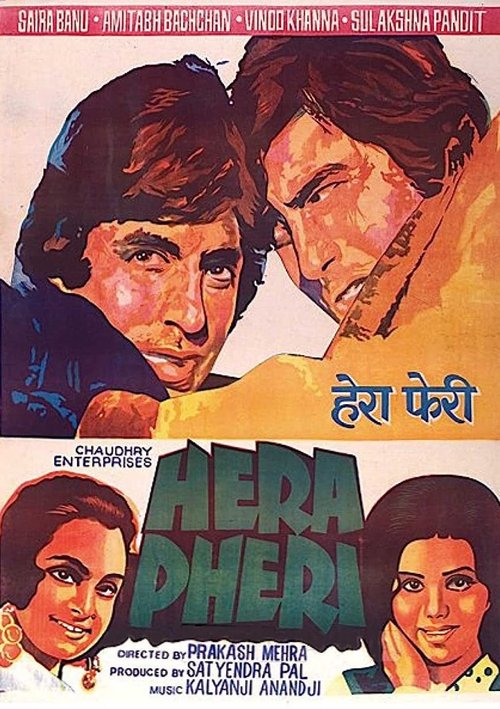
Hera Pheri1976
Vinod Khanna in a stylish cat-and-mouse game about a man trapped between the police and criminals. It inherits everything Teesra Kaun perfected: tension, ambiguity, visual sophistication, and a protagonist with nowhere to run.
But The print quality can be grainy. Some plot threads feel undercooked in the final act.
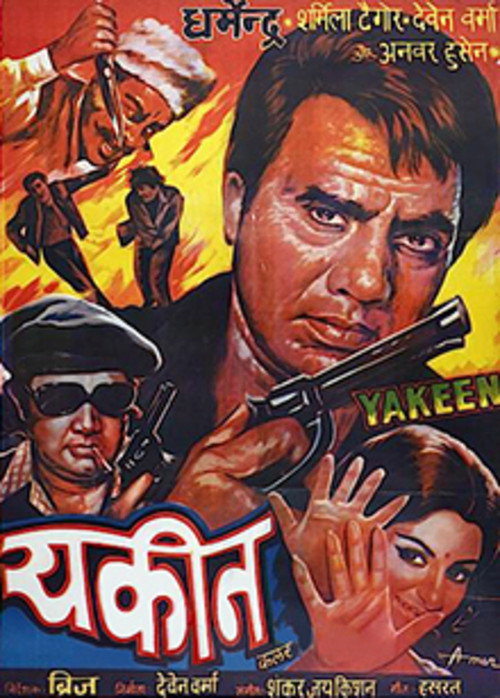
Yakeen1969
A suspense thriller where nothing is quite what it seems, with Rajesh Khanna and Mumtaz navigating a maze of secrets. Tightly wound and genuinely surprising, it proves the era was expert at moral and narrative complexity.
But The twist, when it comes, may feel contrived. The middle sags a bit waiting for it.
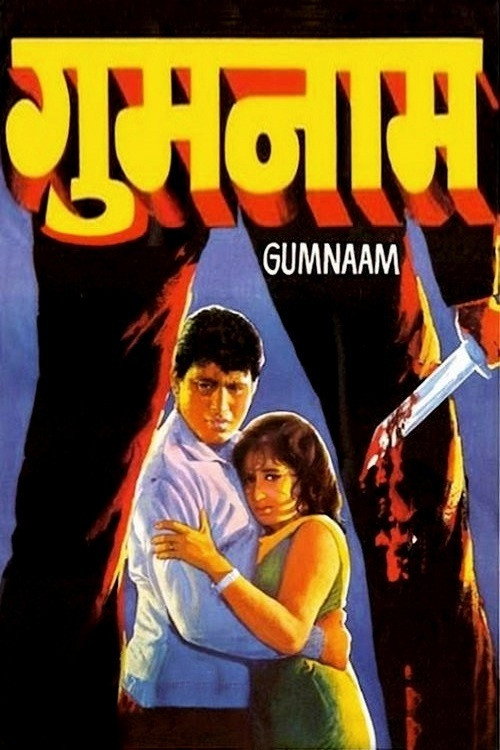
Gumnaam1965
A mystery thriller about strangers trapped together, each with something to hide. Playful and sinister by turns, it shows Bollywood's genre range in the same year as Teesra Kaun, though with a lighter hand.
But The mystery itself is less compelling than the atmosphere. The resolution feels like an afterthought. It's more mood than substance.
The Killing1956
Both are about a theft and the people it destroys, but told through paranoia and perspective rather than plot. Teesra Kaun is intimate and Indian; this is formal and cold. The DNA is the same engine.
Kubrick's diamond heist masterpiece told in fractured time, showing how the same event looks different from each witness's perspective. The moral and structural complexity here mirrors what Teesra Kaun achieves, but in a completely different grammar.
But It's American noir from 1956—black and white, sparse, cryptic. The fragmented structure can feel distant rather than involving. No song, no romance, no sentiment.

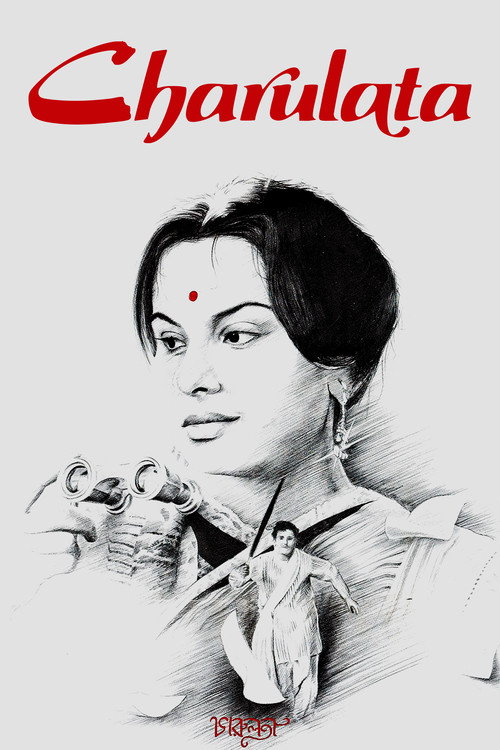
Charulata1964
Both are Indian films from 1964-65 at the height of classical cinema's sophistication. Teesra Kaun pursues the wronged man through the city; Charulata pursues the wronged woman through a single room. Different forms, same mastery of emotional architecture.
Satyajit Ray's chamber piece about a woman's awakening amid emotional betrayal and unspoken longing. Shot with extraordinary delicacy, it proves that Hindi cinema's complexity in the same era extends beyond action to the most intimate human terrain.
But It's a Bengali film from 1964, measured and internal. No plot momentum, no crime, no stakes beyond feeling. If you want thrills, this is the opposite.
People
Cast
 Feroz KhanPrakash
 ShashikalaLily