
Film
Bhuvan Shome
- Social drama
- Slow-burning
Bhuvan Shome follows a rigid, lonely widower on a transformative holiday that cracks open a life built on discipline and duty. Shot in luminous colour, it's a gentle story about thawing—how a person can change when they step outside their own shadow. Essential viewing for anyone who loves character-driven cinema and stories about second chances.
If you liked this
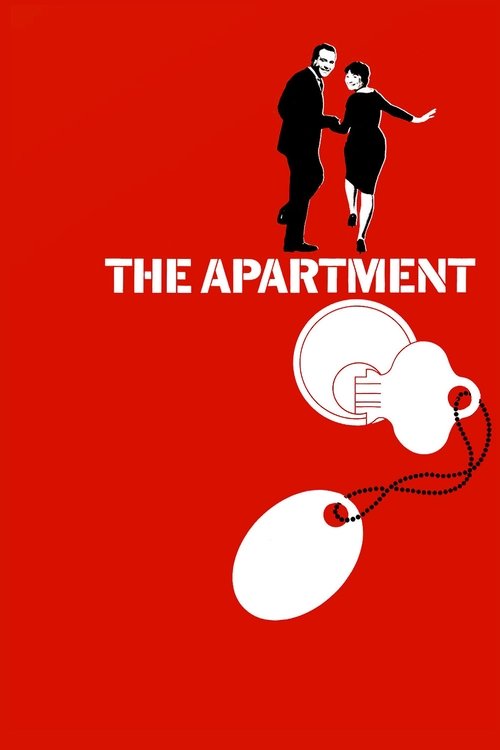
The Apartment1960
A lonely man in a cramped life learns connection through unexpected intimacy. Like Bhuvan Shome, it's about emotional thaw told through small gestures and genuine warmth, with a similar tone of melancholy that blooms into something tender.
But Black-and-white and nearly three hours. The pacing is deliberate; if you want plot momentum, you won't find it here.
Ikiru1952
Kurosawa's masterpiece about a bureaucrat discovering life after decades of mere existence. The parallel is exact: both films ask what happens when a disciplined man finally asks himself if he's been living at all.
But Deeply melancholic and philosophical. It doesn't offer easy comfort, and the reflection it demands can feel like homework.

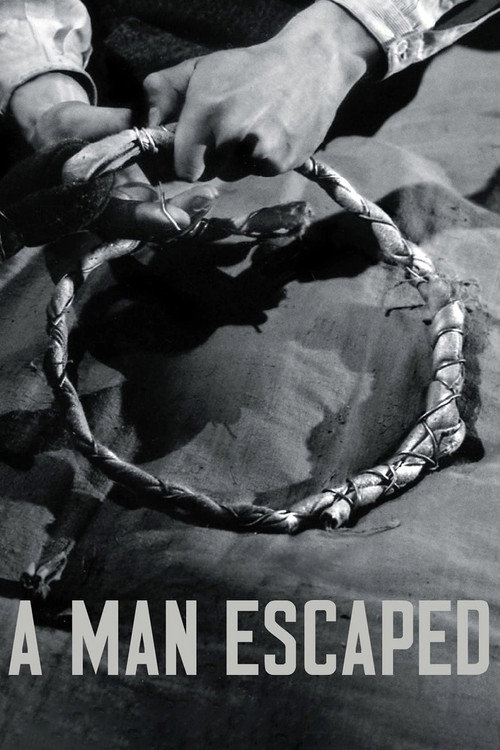
A Man Escaped1956
Bresson's quiet film about a prisoner's inner life and gradual transformation. Both films understand that the biggest changes happen internally, and both trust the audience to read silence and small acts as profound.
But Glacially slow and ascetic. There are no dramatic moments; if you need external action to stay engaged, this will test you.
Not sure tonight? Get a pick in a minute, starting from Bhuvan Shome
The wildcard
Something you would not have found on your own.
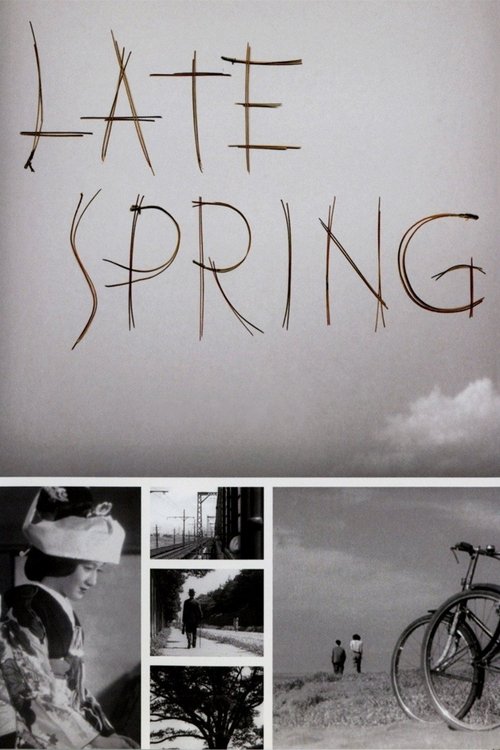
Late Spring1949
Both films use visual stasis and the rhythm of seasons to examine how rigid men learn to soften. Both trust that a widower's quiet transformation is the entire story.
Ozu's masterpiece about an aging widower and his daughter, told entirely through Ozu's signature still shots and seasonal rhythms. The connection runs deep: both films are about men learning to release their grip on how life should be, and finding grace in acceptance rather than control.
But Japanese, subtitled, and shot in a style that can feel static to modern eyes. If you expect camera movement and dramatic angles, the stillness may feel like nothing is happening.
More like this (6)
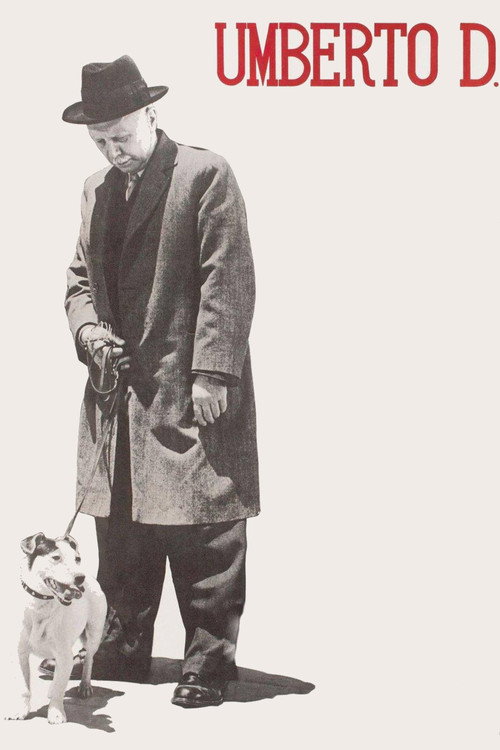
Umberto D.1952
An elderly pensioner's quiet struggle with loneliness and dignity. Like Bhuvan Shome, it's a portrait of an aging man confronting what his life has meant, told with neorealist gentleness and without sentimentality.
But Very little happens. The emotional weight comes from what's withheld, not from events. That demands patience most films don't ask for.
Tokyo Story1953
Ozu's meditation on aging, family, and acceptance. It shares Bhuvan Shome's belief that the smallest moments—a meal, a conversation, a look—contain everything that matters about being human.
But No plot. Scenes repeat and circle. If you need narrative propulsion, you'll find it maddening rather than moving.

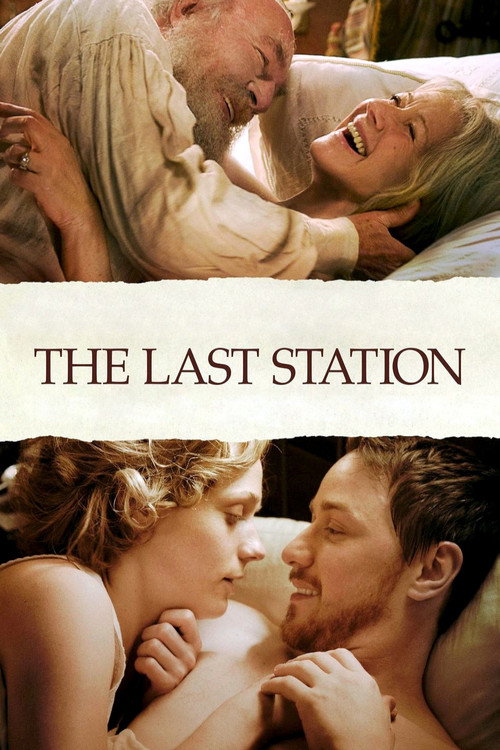
The Last Station2009
Christopher Plummer as an aging Tolstoy confronting mortality and what he's built his life upon. Like Bhuvan Shome, it's about an old man's reckoning with rigid principle and the possibility of softening.
But The supporting cast can overshadow the central performance. It's more conventional than Bhuvan Shome, which some will find clearer and others will find less interesting.
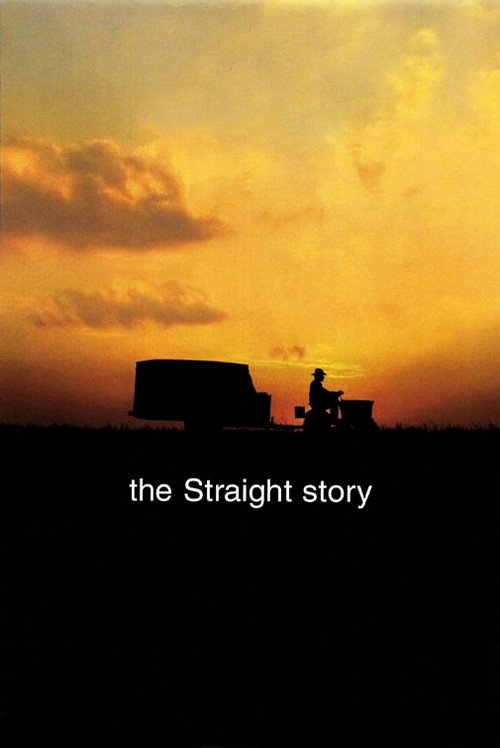
The Straight Story1999
Lynch's gentlest film: an elderly man's slow journey toward reconciliation and peace. Both films move at the speed of discovery, finding profundity in small acts and the company of others.
But Deliberately paced to the point of stasis. It's a meditation masquerading as a story, and if you want a destination, you may feel stranded.
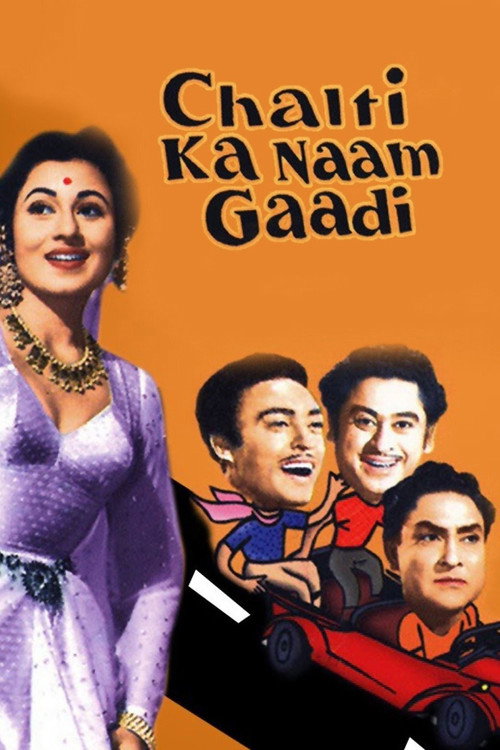
Chalti Ka Naam Gaadi1958
An earlier Hindi film about liberation and lightness. While more comedic than Bhuvan Shome, it shares that film's affection for older men discovering there's life left to live and joy still available.
But Tonal tonal shifts between broad comedy and sentiment can feel uneven. The emotional beats land less precisely than they do in Bhuvan Shome.
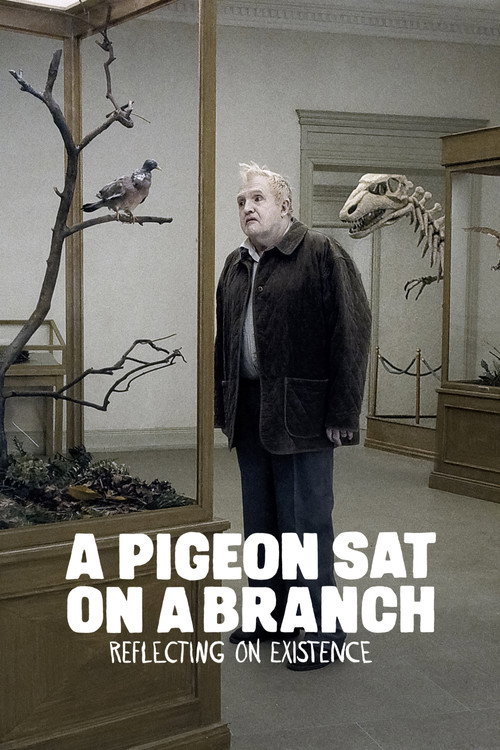
A Pigeon Sat on a Branch Reflecting on Existence2014
Both films find their depth in repetition and small gestures rather than plot. Both are about men moving through the world with minimal fanfare, discovering that ordinariness contains everything.
Benny Andersson plays a door-to-door salesman in this deadpan Swedish film about commercial failure and the small rituals that keep us alive. Tonally it's comedy, but its true subject—how we endure, what we find to cherish—mirrors Bhuvan Shome's quiet profundity.
But Bleak and repetitive by design. It finds meaning in monotony, which reads to some viewers as nihilistic rather than humanist. The humour is so dry it can feel like nothing at all.
People
Cast
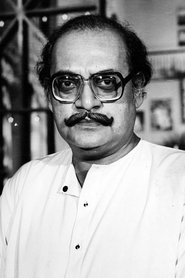 Utpal DuttBhuvan Shome
 Suhasini MulayGauri
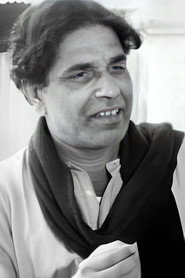
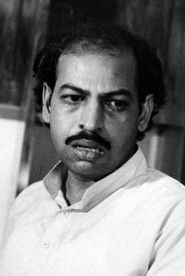 Sadhu MeherJadhav Patel
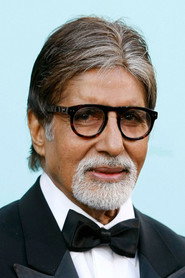 Amitabh BachchanNarrator (voice)
Directing
- Mrinal SenDirector
Writing
- BadrinathDialogue
- Mrinal SenScreenplay
- Balaichand MukherjeeStory
Production
- Mrinal SenProducer