
Film
Jagte Raho
A peasant stumbles into a Delhi apartment building searching for water and becomes a fugitive, mistaken for a thief. What unfolds is a brilliantly constructed satirical thriller where his innocent flight exposes the hypocrisy, corruption, and moral rot lurking behind every respectable door. It's Kafka meets Bollywood—darkly funny, socially scathing, and genuinely suspenseful.
Should you watch it?
Watch it if you enjoy sharp social satire where a simple premise slowly peels back a city's hypocrisy, and you like comedy that carries a quiet, unhurried moral unease underneath.
Skip it if you want brisk plotting and constant incident; this one lingers on talk and atmosphere for long stretches, and its 137 minutes feel leisurely rather than propulsive.
What it asks of you: Settle in for a long, measured night-time stretch with little action, where the humour is dry and the mood drifts between wry amusement and gentle melancholy.
Not sure? Find tonight's pick in a minute.
If you liked this
Rififi1955
A heist film structured as a locked-room thriller where ordinary crime exposes the rot in a whole society. Masterly tension and visual storytelling that influenced decades of cinema. The famous silent heist sequence is legendary.
But It's French, in black and white, and the pacing is glacial by modern standards. Some find the morality of rooting for thieves uncomfortable.

M1931
Fritz Lang's masterpiece about a child-murderer hunted through Berlin. Like Jagte Raho, it uses pursuit and entrapment to anatomize an entire city's corruption, fear, and complicity. Hypnotic and deeply intelligent.
But It's silent-era cinema, so the style is very mannered. The subject matter is genuinely disturbing and never softened.

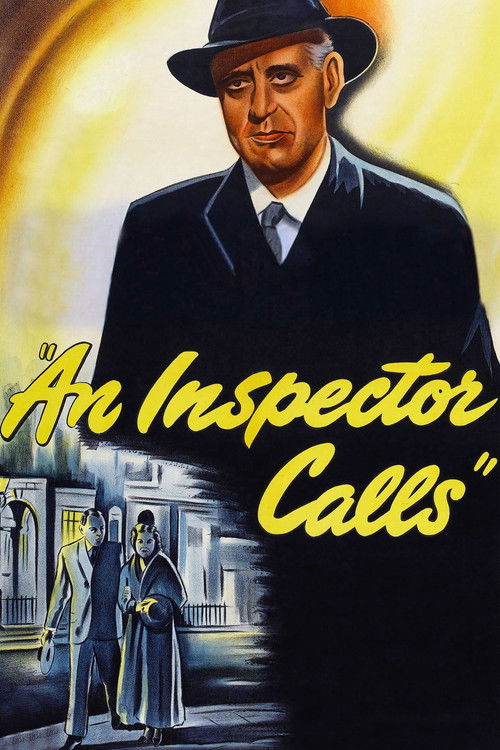
An Inspector Calls1954
A locked-room mystery where an inspector systematically reveals how respectable people destroyed a working girl's life through small cruelties. The structure builds like a theorem; the social indictment is absolutely withering.
But It's a play adapted to film, so it feels theatrical and claustrophobic. The moral lectures are unsubtle and the pacing drags.
Not sure tonight? Get a pick in a minute, starting from Jagte Raho
The wildcard
Something you would not have found on your own.
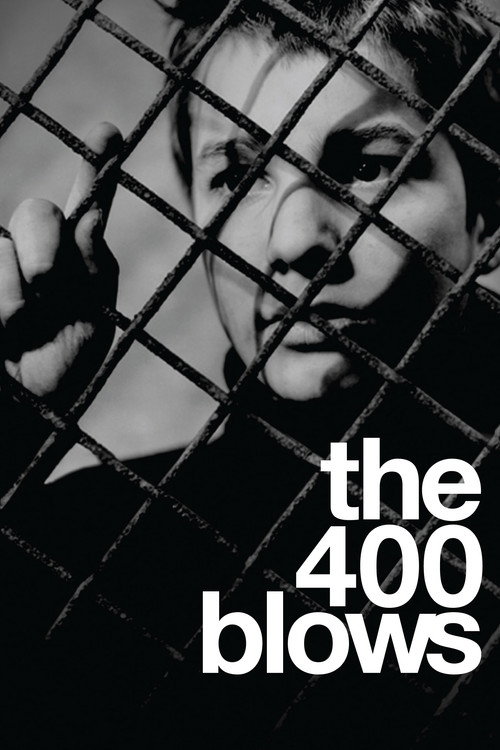
The 400 Blows1959
Both use innocent fugitives chased through cities as a lens to indict entire social systems. Both are ultimately about how society manufactures guilt in the guiltless.
A boy alone in Paris is hunted by authority—school, police, society—for small infractions, his innocence systematically destroyed by institutions that claim to protect him. The mirror-image: the system hunts the innocent, not the guilty. Truffaut's debut is heartbreaking and structurally brilliant.
But It's subtitled French New Wave cinema from the late 50s; the aesthetic is austere and the narrative deliberately anti-climactic.
More like this (8)
The Third Man1949
Post-war Vienna becomes a character as a man hunts his friend through the shadows. Carol Reed's direction is visual poetry, the zither score iconic, and the moral ambiguity about who deserves trust is devastating.
But The frame rate and image quality show their age badly. Some find the romantic plot saccharine.

Bicycle Thieves1948
A man searches Rome for his stolen bicycle; the journey becomes a portrait of post-war poverty and the small moral compromises that corrode dignity. Neorealist masterpiece, utterly moving and unpretentious.
But The pacing is deliberate and the ending is bleak. Without plot mechanics to drive it, it asks a lot of your attention.

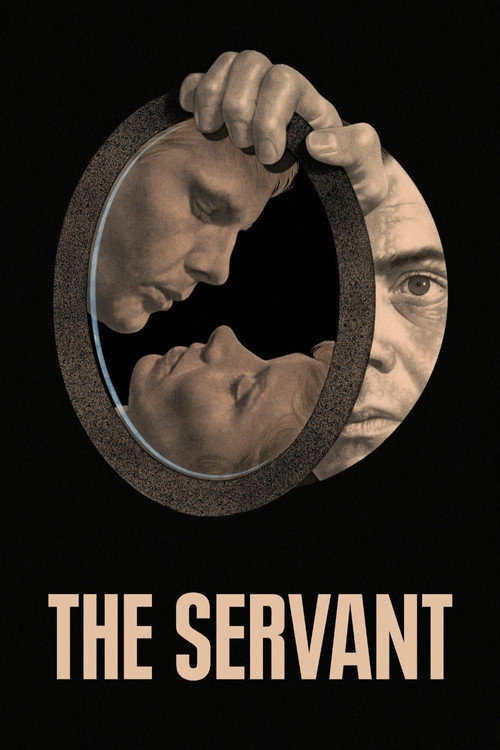
The Servant1963
A servant invades a wealthy household and methodically unmasks the corruption, weakness and perversity of his employers. Hallucinatory psychological thriller where power relations are weaponized with terrifying precision.
But The sexual power games are deeply uncomfortable and the class commentary can feel dated. It's also genuinely unsettling rather than entertaining.
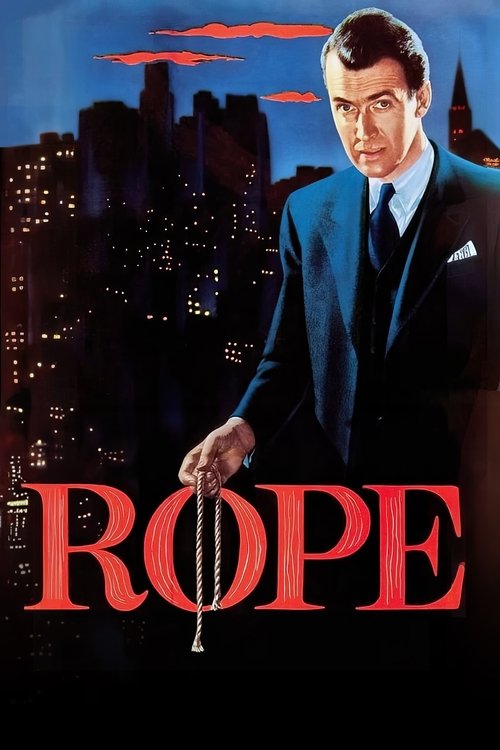
Rope1948
Hitchcock traps us in one apartment as two murderers host a dinner party, evading a determined guest. The technical virtuosity and moral tension build unbearably; you feel the walls closing in.
But The single-room setting becomes exhausting. Some of the theatrical artificiality works against suspense rather than for it.
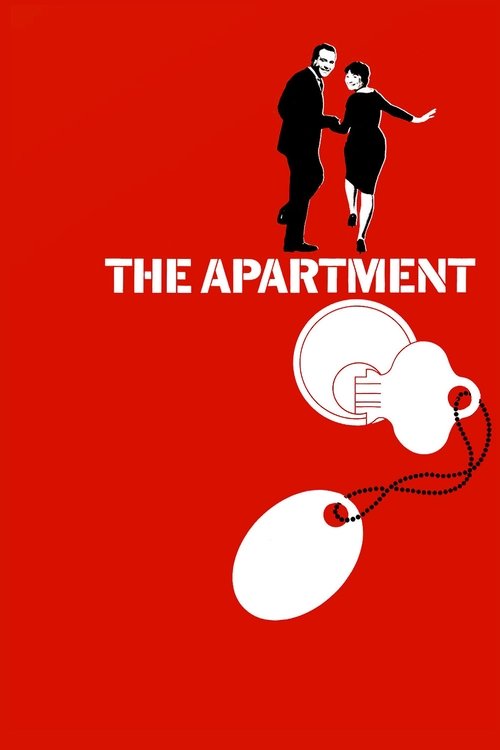
The Apartment1960
A junior executive loans his apartment for affairs and blackmail, slowly realizing the moral bankruptcy of the corporate machine he serves. Sharp, funny, and heartbreaking—a satire with real stakes.
But It's sometimes sentimental about its own cynicism. The gender politics around the female lead will feel dated.
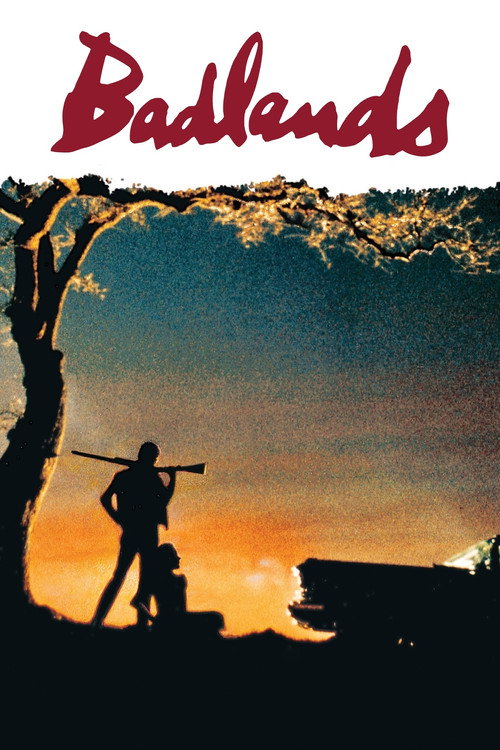
Badlands1973
Young lovers on the run expose the violence and hypocrisy of small-town America. Malick's directorial debut is visually ravishing and morally complex—fugitives as mirror to society's own cruelty.
But The romantic glamorization of the fugitives jars against the social critique. Malick's poetic style prioritizes mood over coherence.
In the Mood for Love2000
Both are deeply structured films set almost entirely in apartment buildings where proximity and witnessing corrupt and expose. Both use space as a moral statement.
A man and woman discover their spouses are having an affair in a cramped Hong Kong apartment building. Instead of drama, Wong Kar-wai gives you geometric beauty, longing, and the slow erosion of morality in confined spaces. Visually overwhelming and deeply sad.
But Almost nothing happens. It's purely mood and style; the narrative frustrates people wanting plot. The pacing is glacial.

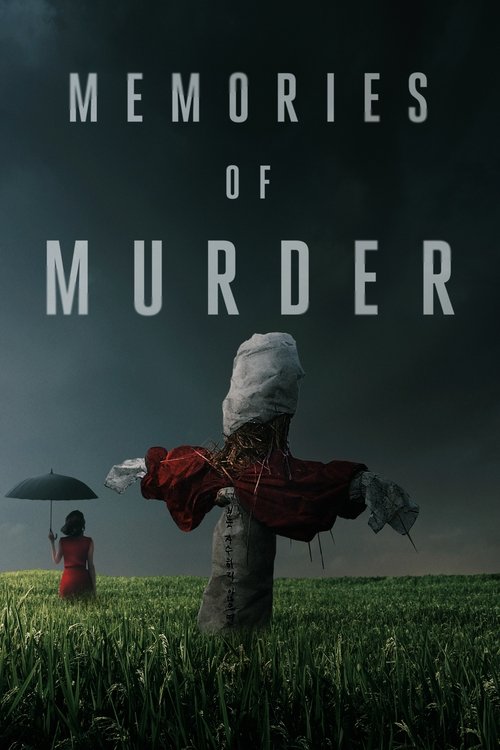
Memories of Murder2003
Both use the hunt—innocent or guilty—as scaffolding for anatomizing institutional corruption. Both structure social critique as genre suspense. Both are from non-English cinemas doing what Hollywood wouldn't.
A serial killer hunts a Korean village; detectives chase him through the 1980s. Bong Joon-ho's masterpiece is a thriller that systematically dismantles institutional authority—police incompetence, class blindness, systemic injustice—through relentless suspense. Perfectly constructed.
But It's subtitled and violent. The ending refuses catharsis, leaving you in moral uncertainty. Some find the length punishing.
People
Cast
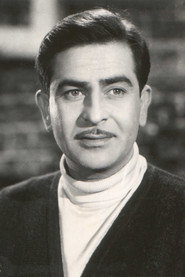 Raj KapoorPeasant
 NargisTemple Singer
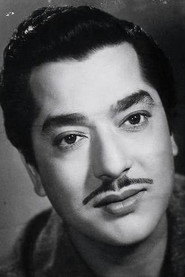 Pradeep KumarPradeep
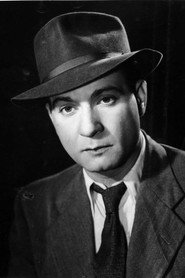 MotilalSinging Drunk
 Sumitra DeviSinging Drunk's Wife
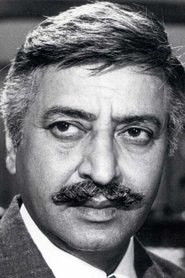 PranReporter
 Smriti BiswasSati
 Sulochana ChatterjeeMeenu
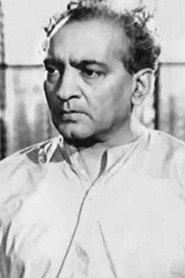 Pahadi SanyalShashan
 Daisy IraniTenant's Daughter
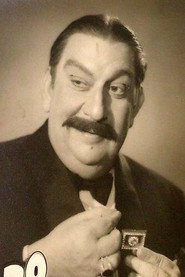 NemoRamnarayan 'Rambabu' Malik
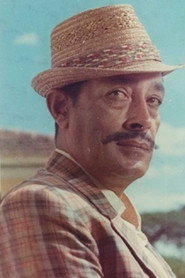 IftekharChandu
Directing
- Amit MitraDirector
- Sombhu MitraDirector
Writing
- Khwaja Ahmad AbbasDialogue
- Amit MitraScreenplay
- Sombhu MitraScreenplay
Production
- Raj KapoorProducer
Recommended by
Vidhaata, Padosan, Teesra Kaun, C.I.D., Howrah Bridge, Woh Kaun Thi, Funtoosh, Ek Phool Char Kaante, Raat Aur Din, Nau Do Gyarah