
Film
Ek Phool Char Kaante
- Romantic comedy
- Light-hearted
A 1960 Hindi comedy-romance about a young man navigating the approval of his fiancée's three wildly different uncles—one obsessed with rock and roll, one devoutly religious, one a cinema fanatic. It's a breezy, character-driven film that uses family conflict as both comedy and genuine warmth, capturing post-independence India's collision between tradition and modernity.
Should you watch it?
Watch it if you enjoy old-fashioned Hindi romantic comedies built on eccentric side characters and a gentle, ingratiating farce, where the charm lives in the bickering set pieces rather than the plot.
Skip it if the two-plus hours are padded with songs and repeated comic beats; if you need a lean story moving briskly, the middle will test your patience.
What it asks of you: Settle in for more than two hours of leisurely, sunny mood, where you laugh along with family pranks rather than chase any tension.
Not sure? Find tonight's pick in a minute.
If you liked this
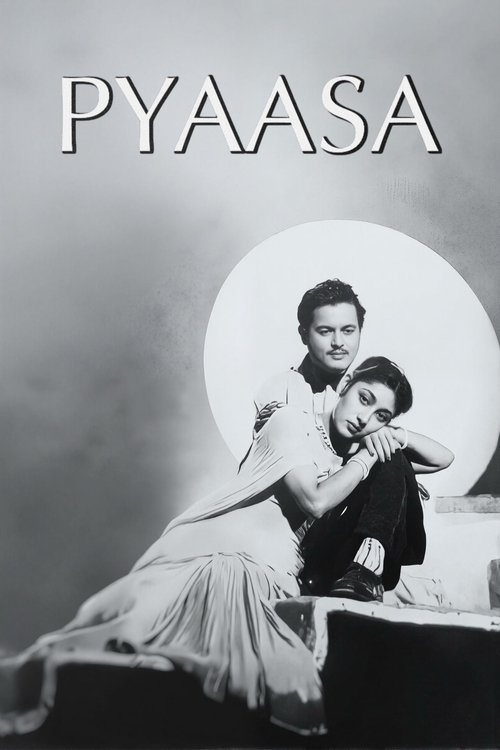
Pyaasa1957
Guru Dutt's masterpiece about a struggling poet in post-independence Delhi. Like Ek Phool, it's deeply invested in character and uses romance to explore larger questions about identity and belonging in modern India.
But It's far more melancholic and philosophical than the lighter tone of Ek Phool. If you want something purely comedic, this will feel slower and more introspective.
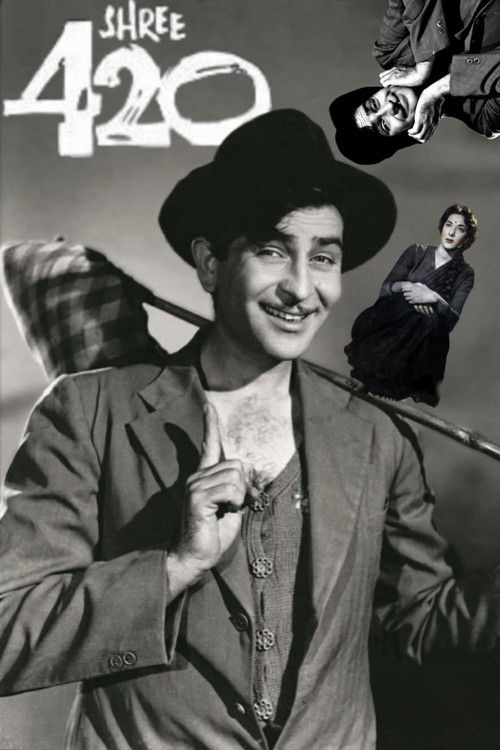
Shree 4201955
Raj Kapoor's charming film about ambition and morality in the city, with wonderful comic scenes and a romance that develops amid social observation. The ensemble cast creates the same kind of character-driven humour as the uncles in Ek Phool.
But At nearly three hours, it requires patience. The pacing is deliberate, and some sequences feel more theatrical than naturalistic by modern standards.
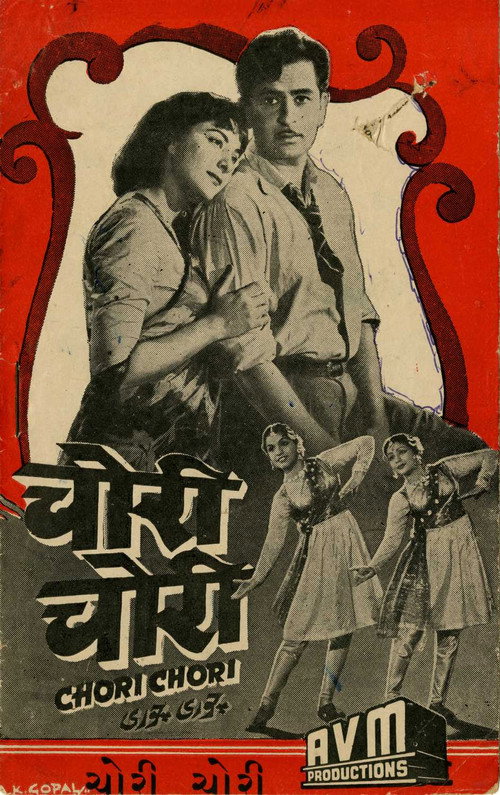
Chori Chori1956
A delightful romance-comedy about mistaken identity and class difference, featuring Raj Kapoor and Nargis. The charm comes from character interaction and witty situations rather than slapstick—exactly the tone Ek Phool is aiming for.
But The class commentary can feel dated, and some plot mechanics rely on contrivances that strain credibility even for 1950s cinema.
Not sure tonight? Get a pick in a minute, starting from Ek Phool Char Kaante
The wildcard
Something you would not have found on your own.
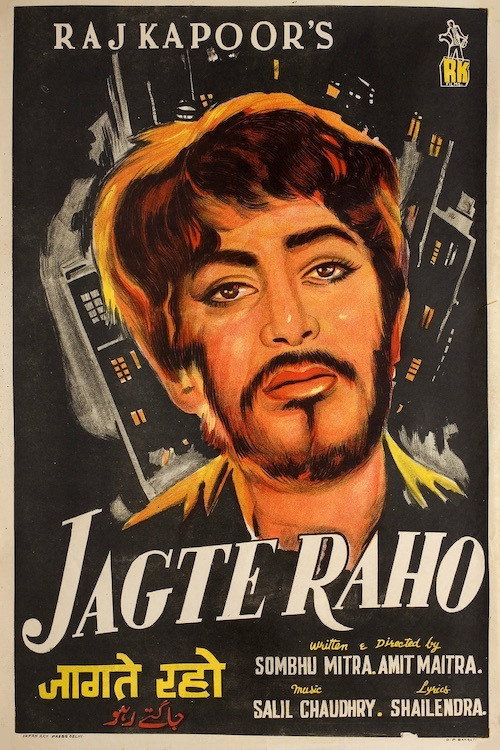
Jagte Raho1956
Both are post-independence Delhi films that use ensemble casts and domestic scenarios to show how tradition and modernity collide in ordinary people's lives. Where Ek Phool resolves this with romance and family acceptance, Jagte Raho leaves it unresolved—more honest, less comforting.
A brilliant neorealist film disguised as social comedy. A man spends one night trying to find water in a Delhi apartment building and encounters the city's entire social landscape. It has Ek Phool's warmth and character observation, but uses them to examine class and urban alienation with real bite.
But It's far more serious and political. The comedy serves a larger argument about society rather than existing for its own sake, which may feel didactic if you wanted pure entertainment.
More like this (7)
Goal!2005
A Hindi remake of Avanti's Tamil comedy about double identity and family chaos. If you loved how Ek Phool mines humour from family eccentricity, this film escalates that premise into something brilliantly constructed and genuinely funny.
But It's much cruder and broader in its comedy. The 1979 sensibility is greasier and less elegant than the 1960 film's restraint.

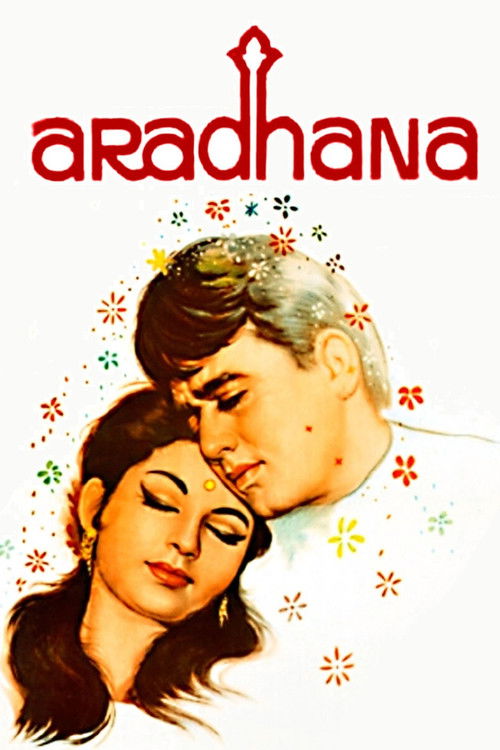
Aradhana1969
Rajesh Khanna and Sharmila Tagore in a romance split across decades. It has the same emotional sincerity about love and family approval that Ek Phool values, but adds melodrama and the star power of the late 1960s.
But The second half veers into heavy tragedy. If you want something lighter and more consistently upbeat, you'll find this tonal shift jarring.
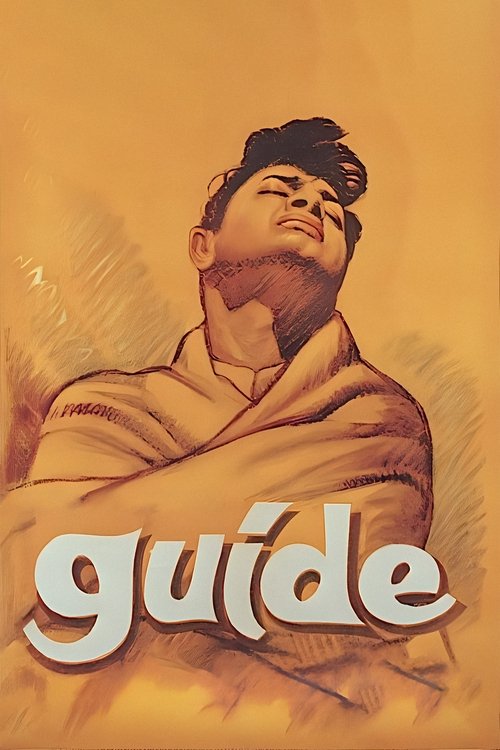
Guide1965
Dev Anand and Waheeda Rehman (who appears in Ek Phool) in a sophisticated romance about art, ambition and morality. It's gorgeous to watch and explores similar themes of individual choice versus family expectation.
But It's more serious and philosophical than comedic. The moral ambiguity of the male lead may frustrate you if you prefer clearer character motivation.
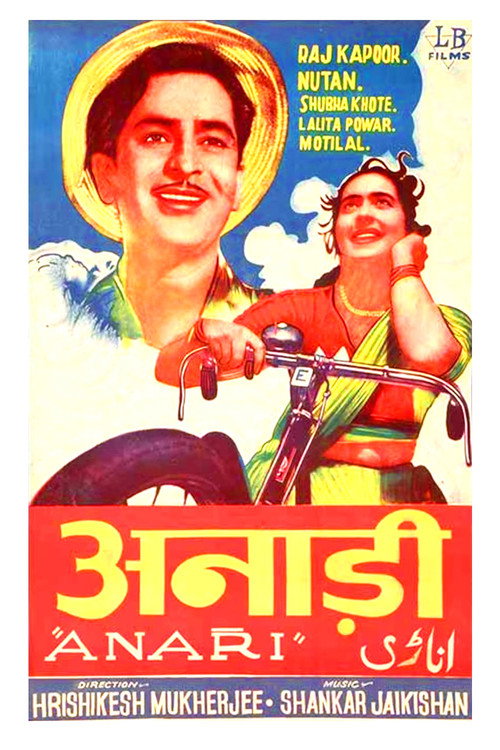
Anari1959
Raj Kapoor as an innocent man navigating the city and romance. It's a predecessor to Ek Phool with overlapping sensibility—earnest romance, comedy from character, and genuine affection for its ensemble cast.
But The innocence-versus-corruption plot can feel simplistic, and some comic sequences outstay their welcome.
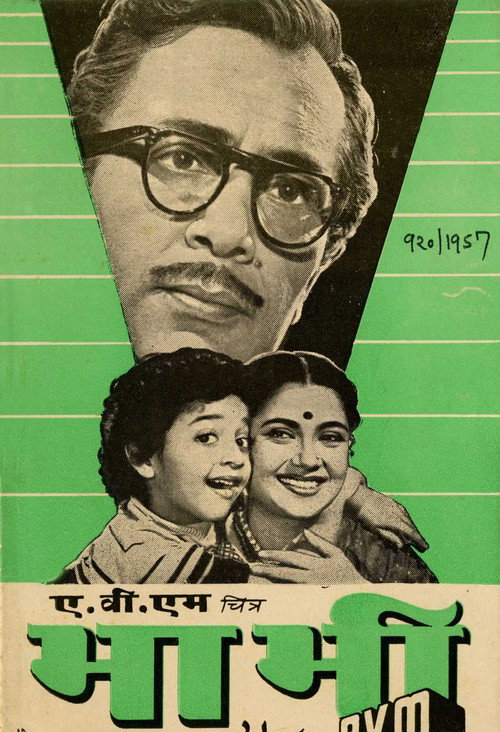
Bhabhi1957
A domestic comedy about family dynamics and marriage. The focus on relationships and how people navigate each other echoes what Ek Phool does with the uncles, though in a more kitchen-sink register.
But It's genuinely obscure even by 1950s standards. Finding a decent print may be difficult, and the pacing is leisurely.
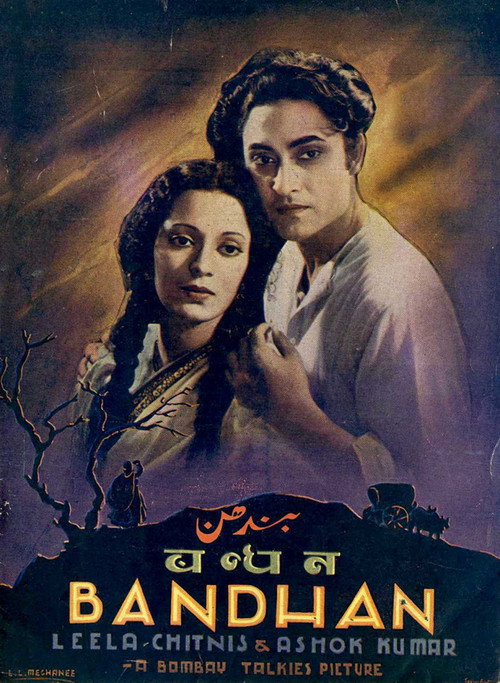
Bandhan1940
Released the same year as Ek Phool, this is an underrated gem about family obligation and love. The emotional earnestness will feel familiar, even if the plot mechanics are different.
But It's sentimental in ways that can feel heavy-handed. Some viewers will find it mawkish rather than touching.
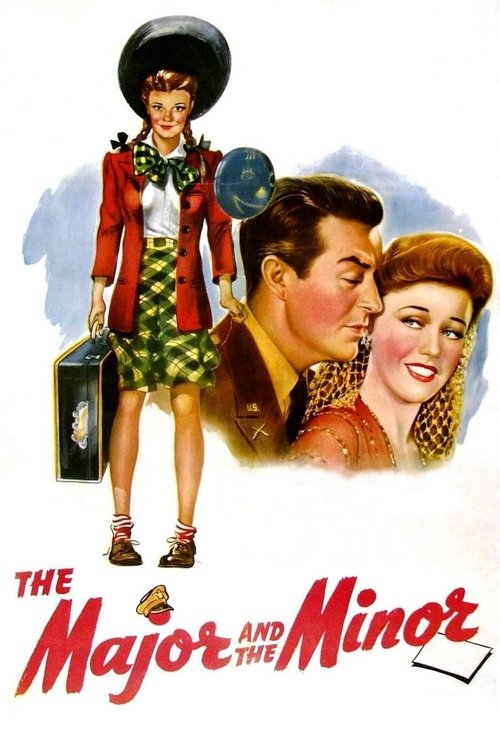
The Major and the Minor1942
Both films hinge on a protagonist winning over skeptics through wit and character rather than grand gesture. But where Ek Phool is earnest about family and belonging, Wilder is amused by the absurdity of social rules. Watching them back-to-back shows how the same dramatic engine produces opposite emotional temperatures depending on cultural register.
Billy Wilder's screwball comedy about a woman pretending to be a child to get a train ticket, and the complications that follow. The structure—a protagonist proving themselves to authority figures through comedy and charm—mirrors Ek Phool's DNA, but in a completely different register and era.
But It's American 1940s sensibility: faster, sharper, more cynical than Hindi cinema's warmth. The gender politics, though progressive for its time, won't read as such now.
People
Cast
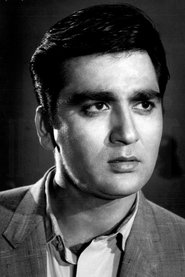 Sunil DuttSanjeev
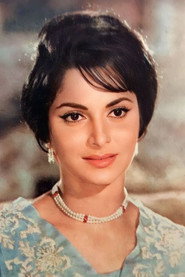 Waheeda RehmanSushma Saxena
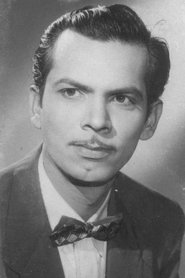 Johnny WalkerUncle - Rock 'N Roll Fanatic
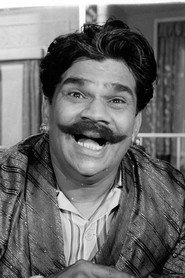 DhumalUncle - Religious
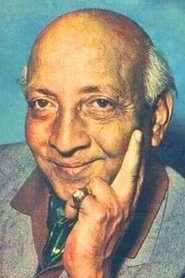 David Abraham CheulkarUncle - Cinema Fanatic
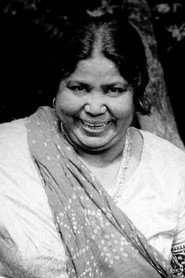
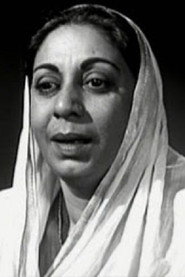
 Bindu(uncredited)
Directing
- Bhappi SonieDirector
Writing
- Bhappi SonieDialogue
- Suhrid KarIdea
- Omkar SahibScreenplay
- Omkar SahibScreenstory