
Film
Bhabhi
Bhabhi is a 1957 Indian drama about a woman navigating marriage, duty and self-worth in post-independence India. It's intimate and socially conscious, built on restraint and the weight of unspoken feeling. For anyone drawn to cinema that explores how personal desire collides with family obligation and social expectation.
Should you watch it?
Watch it if you like patient Hindi melodramas where the emotional stakes come from ordinary choices, duty and pride, and you don't mind a slow build toward them.
Skip it if you want fast plotting or a tight runtime, since at 168 minutes this is long and lingers over conversations and household routine more than incident.
What it asks of you: Settle in for close to three hours of unhurried, sentiment-heavy scenes, where patience pays off more than quick reactions do.
Not sure? Find tonight's pick in a minute.
If you liked this
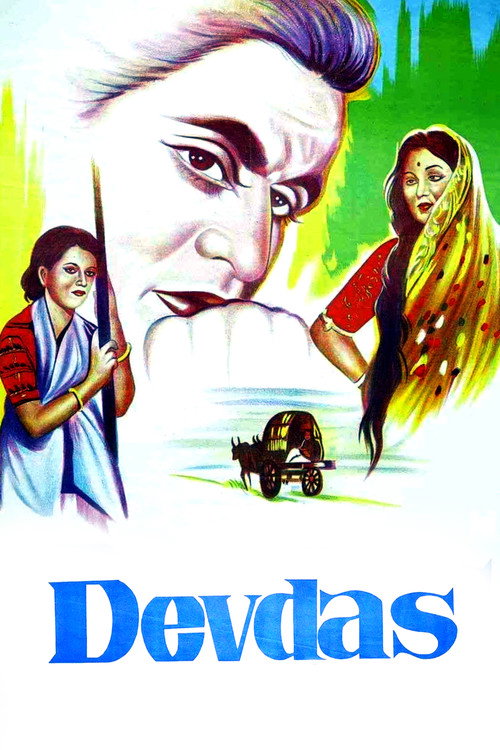
Devdas1955
Bimal Roy's tragic masterpiece about passion and social constraint. Beautifully photographed, emotionally devastating, and concerned with the same questions of duty versus desire that animate Bhabhi.
But Nearly three and a half hours, and the ending is relentlessly bleak. Some find the fatalism unbearable.
Pyaasa1957
Guru Dutt's poetic lament for the artist crushed by indifference and poverty. Made the same year as Bhabhi, it shares that film's moral seriousness and its refusal to make suffering easy to watch.
But Deliberately grim and slow-paced. The film wants you to sit with despair, not escape it.

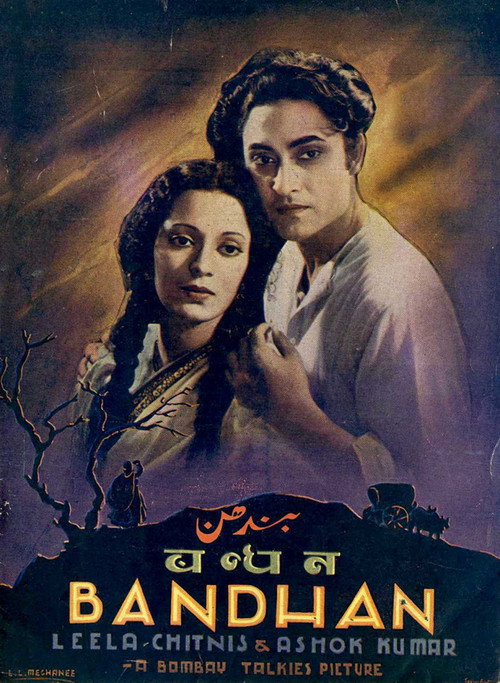
Bandhan1940
Another Bimal Roy film exploring how women are bound by family obligation and social propriety. Subtly acted, with real attention to the texture of domestic life and the compromises women make.
But The pace is deliberate and the drama internal. If you need plot momentum, this will feel like very little is happening.
Not sure tonight? Get a pick in a minute, starting from Bhabhi
The wildcard
Something you would not have found on your own.
Pather Panchali1955
Both films emerged in the same moment of Indian cinema, making the bold choice to look at ordinary lives—and especially women's lives—with the seriousness usually reserved for epics or tragedies. Both trust patience.
Satyajit Ray's debut is a revolution: cinema that observes rather than performs, that finds depth in poverty and ordinariness. Like Bhabhi, it trusts silence and small gestures to carry meaning, and sees marriage and family with unflinching clarity.
But Black and white, slow, and made in Bengali with subtitles. By the standards of 1950s popular Indian cinema, it is forbiddingly austere. Some find it depressing rather than moving.

More like this (6)
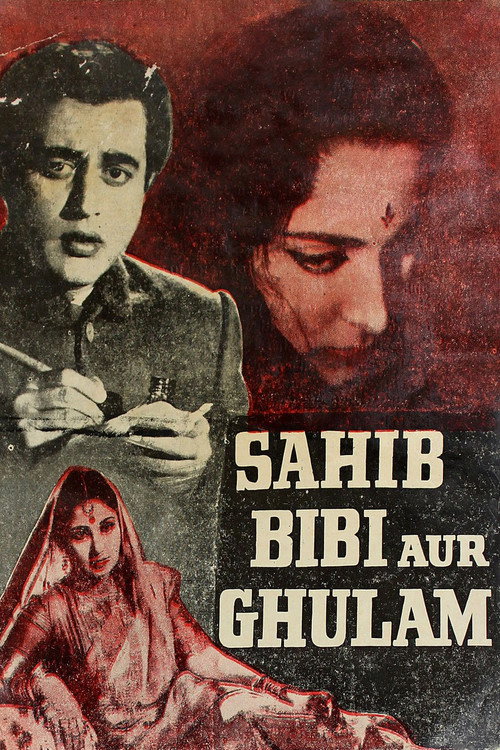
Sahib Bibi Aur Ghulam1962
Abhas Mukerji's portrait of a doomed marriage and a woman trapped in a loveless household. Gorgeously made, with Meena Kumari giving one of cinema's great performances of quiet suffering.
But The wife's only escape is alcohol and illness. If you're looking for triumph or agency, you won't find it here.
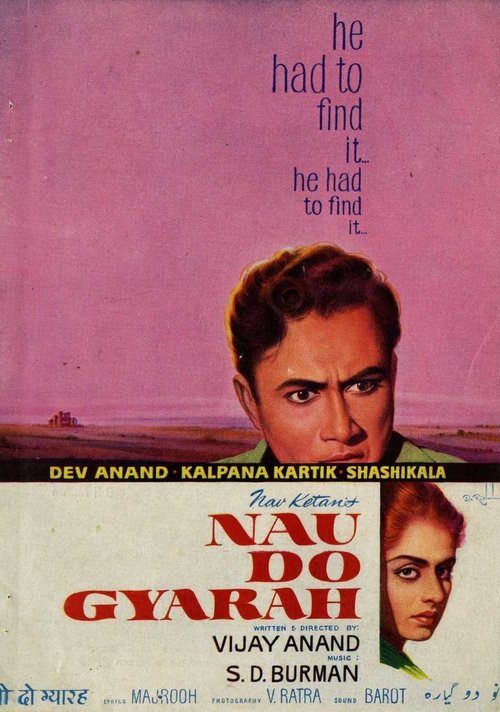
Nau Do Gyarah1957
A heist film with a moral edge, made the same year as Bhabhi. Fast-moving and fun, but it carries the same social concern about inequality and survival that runs through more serious dramas.
But The tonal shifts between comedy and crime are sometimes jarring. It wants to entertain and educate at once, and that's not always graceful.
Anari1959
Raj Kapoor as a country boy undone by the city and by his own nature. It's a melodrama, yes, but one that cares deeply about how character and circumstance collide.
But Raj Kapoor's persona can feel precious and self-pitying. The film indulges him, which will irritate anyone who doesn't.
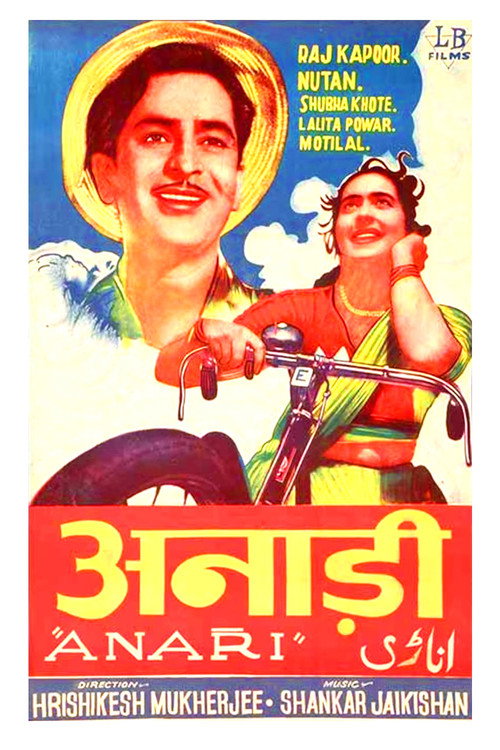
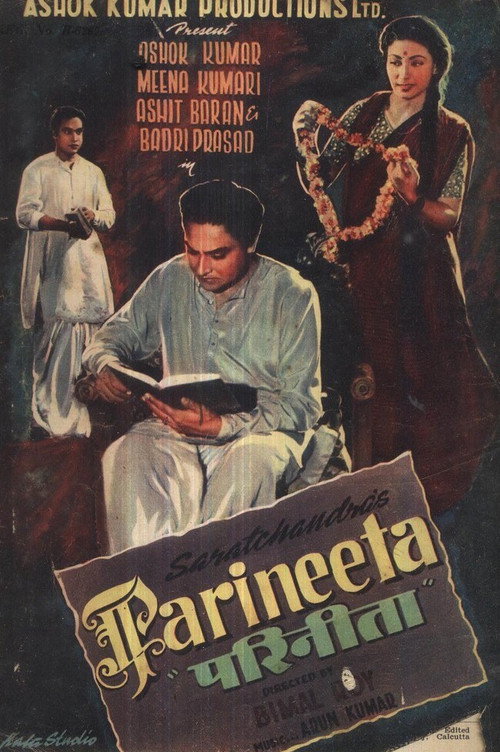
Parineeta1953
Ritualistic family drama about a woman's place in her household and how she navigates love within strict social boundaries. Beautifully composed and genuinely moving.
But The resolution relies on a happy accident rather than the characters making real choices. The ending feels more contrived than earned.
Crime and Punishment1956
Both films are fascinated by how moral obligation—to family, to society, to oneself—can become a kind of prison. Both see the internal as more real than the external, and both trust their audiences to sit with psychological torment.
Lev Kulidzhanov's Soviet adaptation of Dostoevsky. A man destroyed by guilt and the impossible weight of conscience. If you love Bhabhi's interest in how people are crushed by duty and social pressure, this explores that theme with terrifying intensity.
But Russian cinema of this era moves at its own pace, and this is bleak without the relief of music or sentiment. The protagonist is sometimes nearly unbearable to watch.

Ikiru1952
Both films believe that duty and obligation, properly understood, can redeem a life. Both suggest that surrender to something larger than yourself might be the only genuine victory. Both are quiet about this, and all the more devastating for it.
Kurosawa's masterpiece about a man discovering meaning in the face of death. Structurally simple, spiritually complex. It asks what life is for and what we owe to others—questions that live at the heart of Bhabhi.
But Japanese film from 1952, black and white, over two hours long, and philosophically demanding. The second half abandons plot almost entirely. Patience is not optional.

People
Cast








Directing
- R. KrishnanDirector
- S. PanjuDirector