
Film
An Inspector Calls
Other titles called An Inspector Calls: the 2015 film.
A crisp 1954 British mystery where a police inspector arrives at a wealthy family's dinner to investigate a girl's death, systematically revealing how each member bears responsibility. Contained, clever, and morally urgent—a locked-room drama that becomes something far darker than a whodunit. For anyone who loves ideas as much as plot.
If you liked this
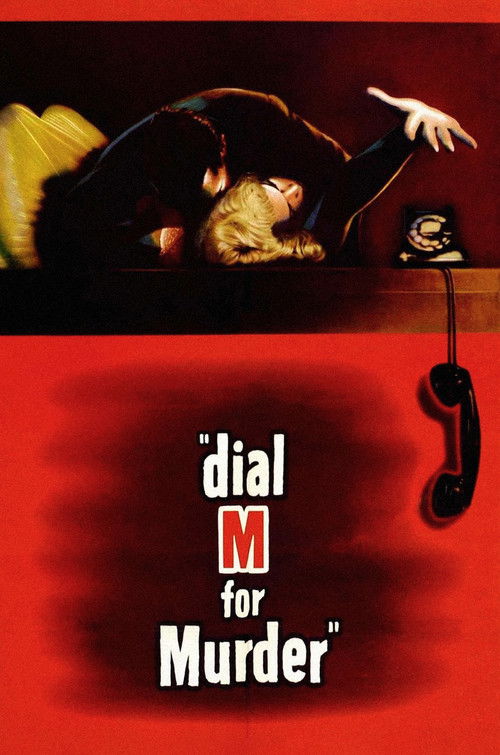
Dial M for Murder1954
Hitchcock's supremely constructed thriller about complicity and secrets within marriage, told almost entirely in one room. Psychological, elegant, and keeps you guessing until the final reveal. A masterclass in tension from constraint.
But The pacing is deliberate rather than propulsive, and the solution, once revealed, asks you to accept some convenient plotting that doesn't hold up to scrutiny.
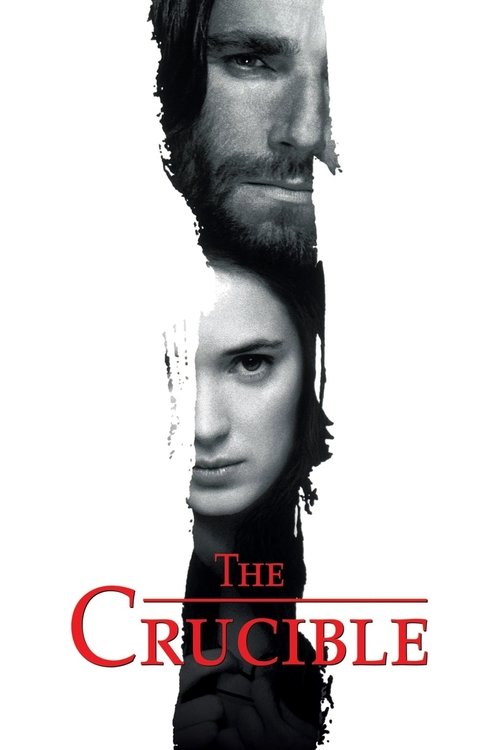
The Crucible1996
Arthur Miller's witch trials allegory adapted with Daniel Day-Lewis: a community tears itself apart through accusation and moral panic. Like An Inspector Calls, it's about how easily the innocent become guilty when fear takes over.
But Heavy-handed at moments, and the historical setting can feel like a lecture rather than lived experience if the cast isn't bringing their A-game.
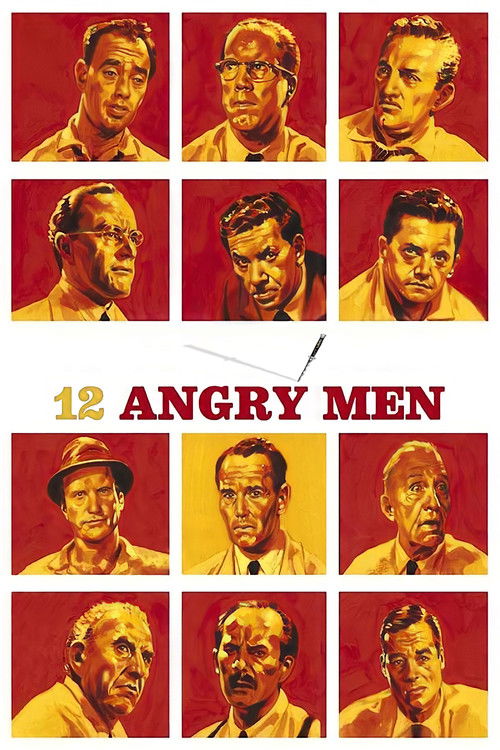
12 Angry Men1957
Sidney Lumet's chamber piece where twelve jurors debate a boy's fate in one room, no music, no fancy angles—just argument and moral reckoning. Shares the DNA: ordinary people forced to confront their own prejudices and complicity.
But If you want plot movement, this will feel glacial. It's essentially a courtroom debate stretched to two hours, which is either riveting or exhausting depending on your mood.
Not sure tonight? Get a pick in a minute, starting from An Inspector Calls
The wildcard
Something you would not have found on your own.
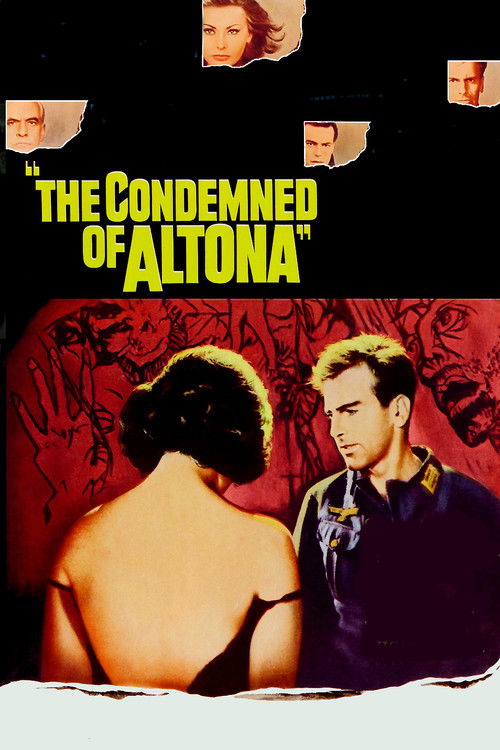
The Condemned of Altona1962
Both are stage adaptations that use a family gathering as a pressure chamber to expose moral guilt and complicity. Both suggest that innocence is a luxury the powerful cannot afford.
A powerful adaptation of Sartre's play about a German industrialist family confronting their father's Nazi past. Like An Inspector Calls, a family dinner becomes a moral interrogation where everyone is implicated and no one can escape responsibility.
But It's philosophically dense and performed in the theatrical style of the era—lots of monologue and existential angst. If you want plot to move quickly, this will feel like wading through tar.
More like this (8)
Rope1948
Hitchcock again, but leaner: two men commit murder and spend the evening entertaining a dinner guest in their apartment, the body hidden in a trunk. Real-time tension, intellectual games, and mounting dread. Brilliantly nasty.
But The gimmick (one continuous shot, mostly) can feel more important than the story, and the dialogue sometimes tips into speechifying about morality rather than feeling natural.

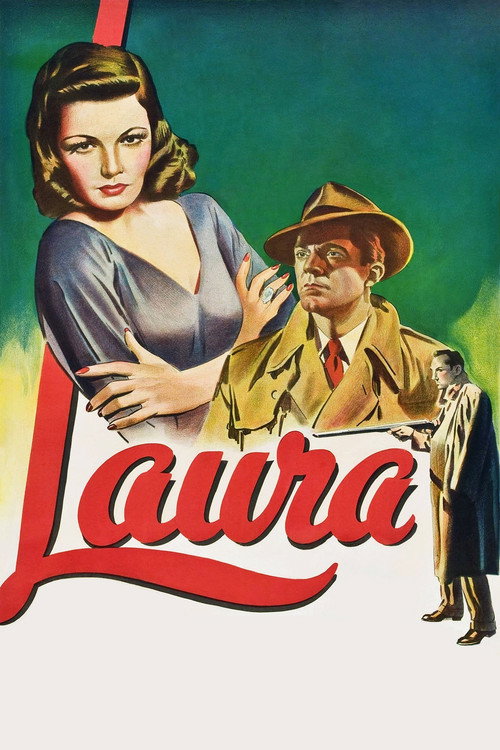
Laura1944
A detective investigates a woman's murder while becoming obsessed with her portrait; the mystery deepens as everyone he questions becomes a suspect. Stylish, twisty, and built on psychological complexity rather than procedural detail.
But It's a product of its era—the gender dynamics and the fetishizing male gaze might feel dated or uncomfortable depending on what you're in the mood for.
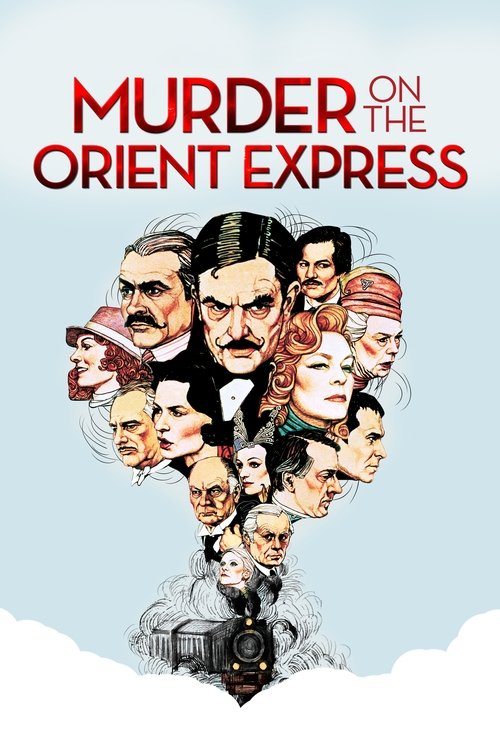
Murder on the Orient Express1974
Agatha Christie's locked-room mystery with Poirot trapped on a train with a dozen suspects. Ingenious plotting, a stellar ensemble cast, and the satisfaction of watching a brilliant mind work through an impossible puzzle.
But The resolution asks you to swallow a moral compromise that some find clever and others find neat and unsatisfying. Also quite lengthy for what is fundamentally a puzzle box.
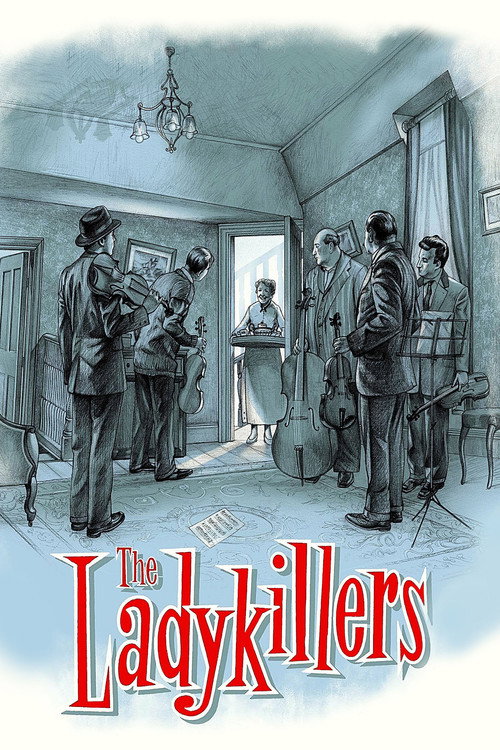
The Ladykillers1955
A criminal gang rents a room from an elderly landlady; their plan falls apart as they begin to destroy each other through guilt and paranoia. Dark comedy with serious undertones about how conscience eats away at schemes.
But The humour is broad by modern standards, and the film's treatment of its elderly female character, while ultimately sympathetic, is occasionally patronizing.
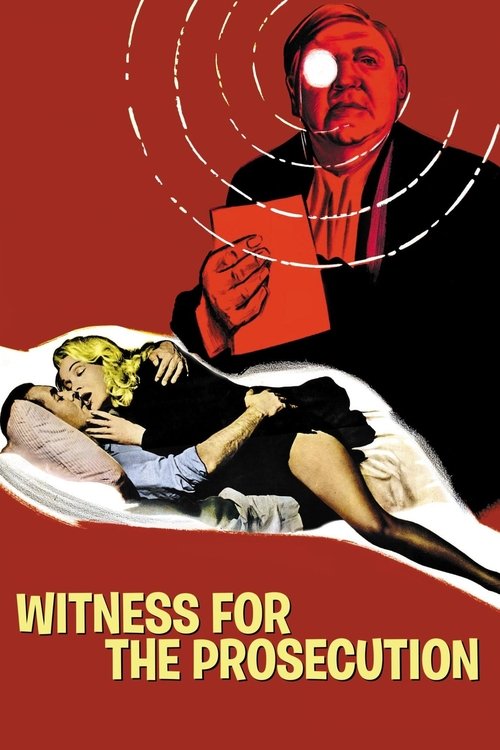
Witness for the Prosecution1957
Agatha Christie again, this time a murder trial where nothing is quite as it seems. Beautifully constructed, genuinely surprising, and features Marlene Dietrich in a role that subverts everything you think you know.
But It's extremely plot-dependent, so knowing the twist beforehand ruins much of the fun. Also, at over two hours, it occasionally indulges in courtroom theatrics that feel performative.
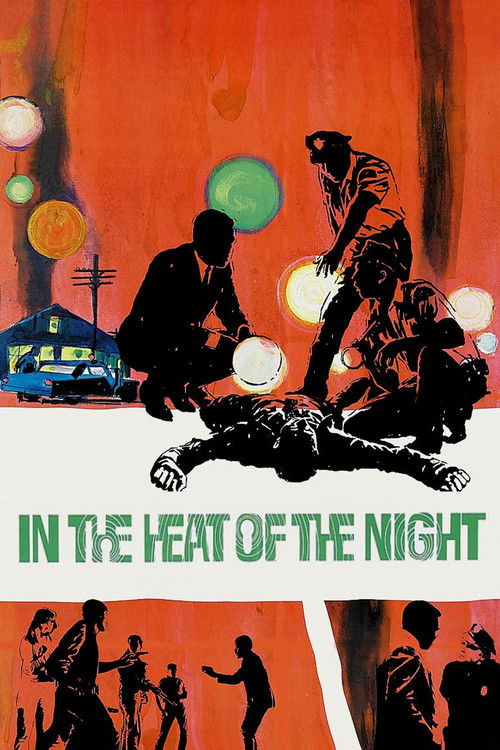
In the Heat of the Night1967
Sidney Poitier and Rod Steiger are a Black detective and white police chief forced to work together on a murder in the segregated South. Tense, socially urgent, and built on the chemistry between two men discovering each other's humanity.
But Some of the social commentary feels explicit to the point of obviousness, and certain scenes haven't aged as gracefully as others in their approach to racial dynamics.
Hour of the Wolf1968
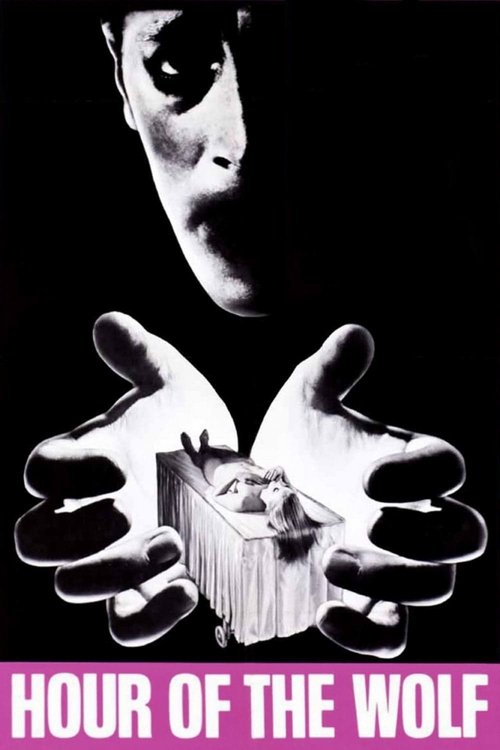
Both explore how an outside force—the Inspector or the island's strange malevolence—strips away civility and reveals the darkness already present in those who encounter it.
Bergman's surreal, unsettling film about an artist and his wife on an island where reality becomes increasingly uncertain. Abstract and dreamlike where An Inspector Calls is concrete, but equally concerned with how guilt and fear warp perception and identity.
But There's no conventional plot, the pacing is glacial, and the film embraces ambiguity to the point where some viewers find it frustratingly obscure rather than profound.
Ikiru1952
Both feature a mysterious visitor figure whose arrival forces the protagonist(s) to confront uncomfortable truths about their choices and complicity. Both suggest that real judgment comes from within, not from authority figures.
Kurosawa's devastating portrait of a dying bureaucrat discovering, too late, what truly matters. Formally inventive and achingly human; the film asks what makes a life matter and whether redemption is possible when time is running out.
But It's slow, melancholic, and offers no easy consolation. The second half shifts tone in ways that might feel tonally disjointed if you're not prepared for emotional depth over plot momentum.

People
Cast
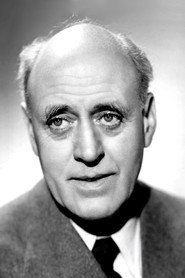 Alastair SimInspector Poole
 Olga LindoMrs. Sybil Birling
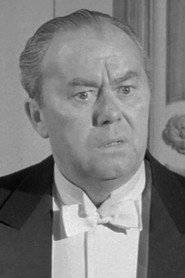 Arthur YoungMr. Arthur Birling
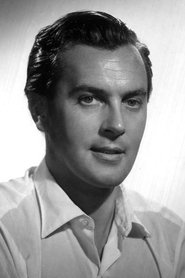 Brian WorthGerald Croft
 Eileen MooreSheila Birling
 Bryan ForbesEric Birling
 Jane WenhamEva Smith
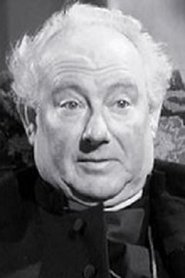 George WoodbridgeFish & Chip Shop Owner - Stanley
 Barbara EverestCommittee Member - Mrs. Lefson
- Charles SaynorPolice Officer - Arnold Ransom
- Olwen BrookesMiss Francis - Hat Saleswoman
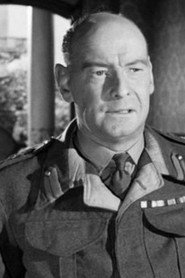 John WelshShop Walker - Mr. Timmon
Directing
- Robert LynnAssistant Director
- Pamela DaviesContinuity
- Guy HamiltonDirector
- Ted SturgisThird Assistant Director
Writing
- Desmond DavisScreenplay
- J. B. PriestleyTheatre Play
- J. B. PriestleyWriter
Production
- A.D. PetersProducer
- Raymond AnzarutProduction Manager