
Film
The Condemned of Altona
A Sophía Loren-led chamber drama about wealth, complicity, and family reckoning. A dying patriarch summons his youngest son and daughter-in-law to settle the future of a German shipbuilding dynasty, only to have buried Nazi-era secrets explode in their midst. Tense, intelligent, built on performance and moral vertigo rather than plot mechanics.
Should you watch it?
Watch it if you are drawn to stories where guilt hangs over a household and every polite exchange carries a hidden charge, the kind of talky, claustrophobic chamber piece that rewards patience.
Skip it if you want brisk storytelling or a film that moves quickly; this one is stagey, wordy and deliberate, with long arguments that can feel repetitive at 103 minutes.
What it asks of you: Expect a sealed-off, mostly indoor evening at a measured pace, with a heavy mood and a lot of dense talk to keep track of.
Not sure? Find tonight's pick in a minute.
If you liked this
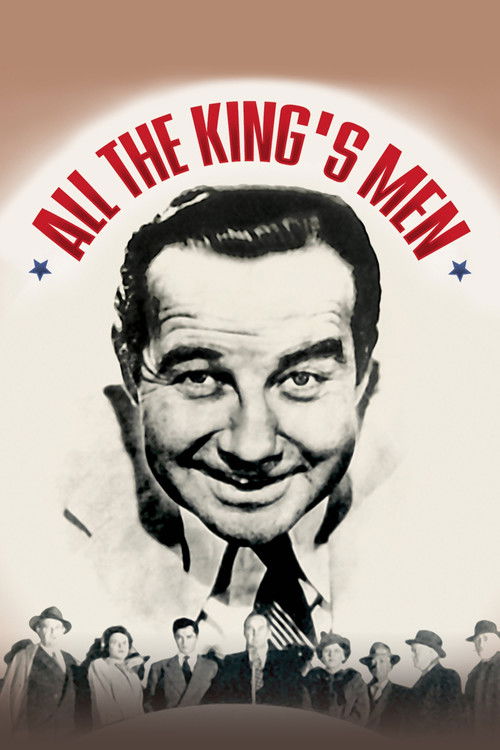
All the King's Men1949
A masterclass in how power corrupts families and institutions from within. The performances cut deep, and it shares The Condemned's interest in inherited guilt and the price of complicity.
But The pacing is deliberate—this isn't a thriller. It demands patience and rewards attention, but some will find it glacial.
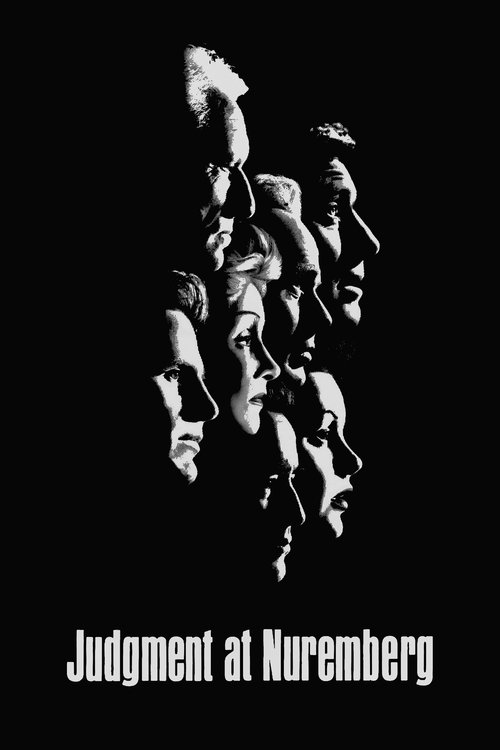
Judgment at Nuremberg1961
Released the year before, it grapples with identical moral terrain: how to assign responsibility for Nazi atrocities across a society. Spencer Tracy and Maximilian Schell (who also stars here) in a masterwork about reckoning.
But At three and a half hours, it's an undertaking. The courtroom setting can feel theatrical to modern eyes.
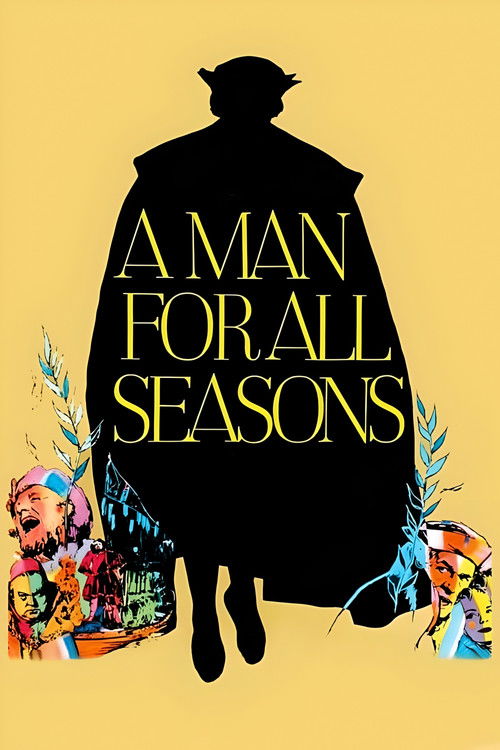
A Man for All Seasons1966
Another Schell performance in a chamber drama about an individual's integrity tested against institutional and family pressure. Quiet, morally uncompromising, built on dialogue and conviction.
But Very theatrical. If you need visual spectacle or plot momentum, this will feel like watching paint dry.
Not sure tonight? Get a pick in a minute, starting from The Condemned of Altona
The wildcard
Something you would not have found on your own.
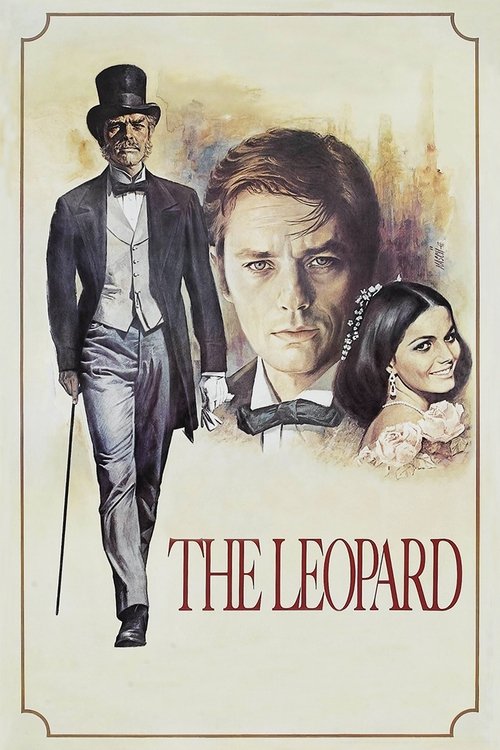
The Leopard1963
Both are about powerful old families confronting obsolescence and moral reckoning. Both are built on performance and atmosphere rather than narrative propulsion. Both ask: what do we owe the past?
Visconti's operatic meditation on a Sicilian aristocracy watching its world die. Also about a patriarch, inheritance, and the question of whether to adapt or resist. A film about historical vertigo—how to live when your world is ending.
But Three hours, Italian, with long sequences that feel like paintings. Requires surrender to Visconti's visual rhythms and to the melancholy itself.
More like this (7)
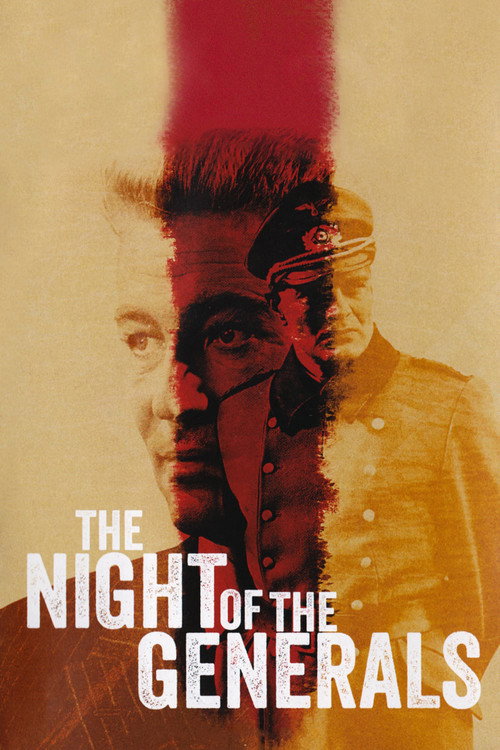
The Night of the Generals1967
A murder mystery wrapped around WWII guilt and the question of culpability. Schell again, in a film equally preoccupied with how the war's shadow falls on the present.
But The plot mechanics sometimes override the moral questions. Uneven, and doesn't quite achieve the depth it's reaching for.
Ikiru1952
Kurosawa's meditative masterpiece about a dying man confronting his life and legacy. Similar emotional register—quiet, devastating, about what we leave behind and what we owe.
But It's a slow, contemplative film about mortality. If you want narrative propulsion, you'll be frustrated.

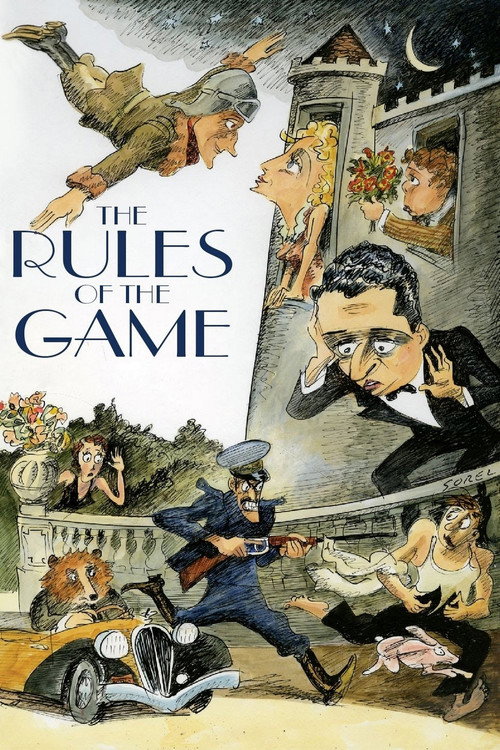
The Rules of the Game1939
Renoir's pinnacle: an ensemble trapped in a country house where class, duty, desire, and self-deception collide. The moral complexity and chamber-drama architecture predate and anticipate Altona.
But French, pre-war, requires active engagement. The pacing is leisurely and the structure is less plot than observation.
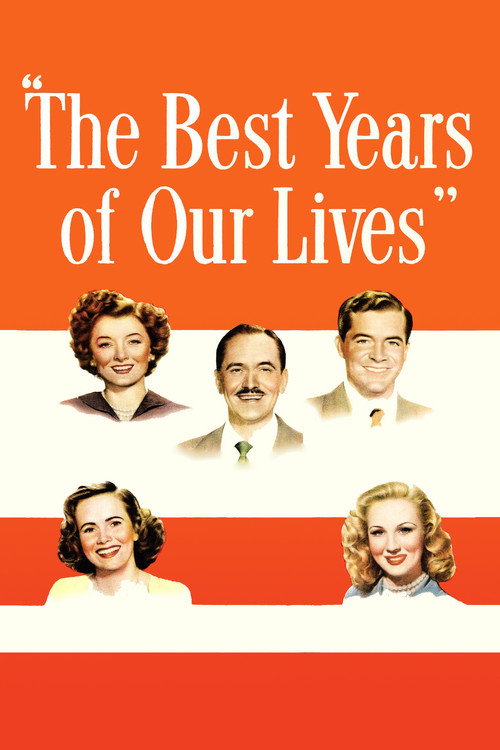
The Best Years of Our Lives1946
A post-war American film about coming home and reckoning with what the war took and left behind. Different in tone but aligned in its refusal to offer easy comfort about the past.
But Sentimental by design, and the length allows the sentiment to settle in. Some will find that cloying.
Venom1981
A tense, confined ensemble piece—a family and strangers trapped together in a London townhouse. The pressure-cooker dynamic mirrors Altona's claustrophobic intensity.
But It's a genre exercise, and sometimes it tips into thriller cliché. Less intellectually rigorous than what Schell's doing.

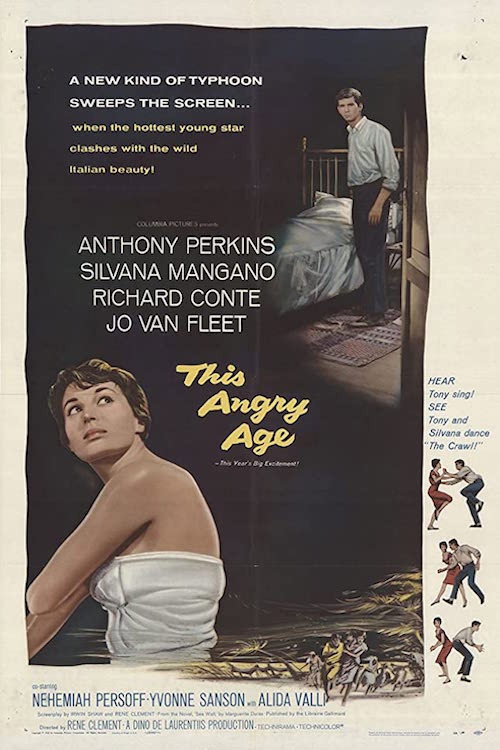
This Angry Age1957
A multigenerational family saga with an excellent cast including Silvana Mangano. Post-colonial guilt and inherited responsibility, family fracture under pressure.
But Less cohesive than its ambitions suggest. The structure strains under the weight of its own scope.
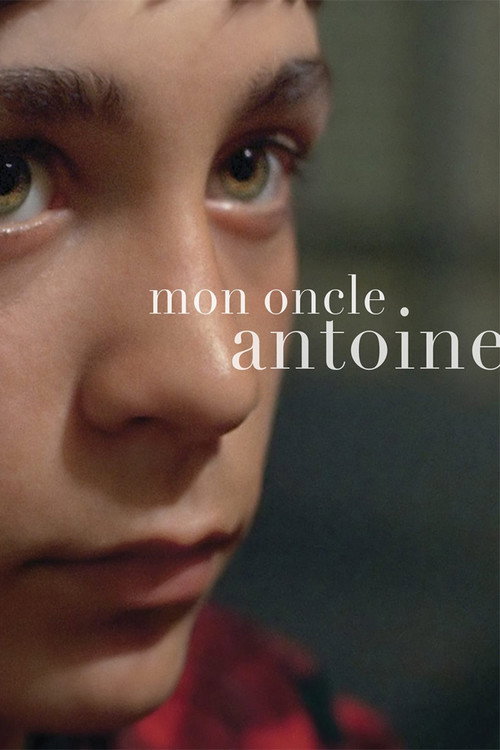
Mon oncle Antoine1971
Both examine moral complicity across generations—how proximity to guilt implicates the witness. Both trust the audience to feel what isn't explicitly stated. Both are films about people learning what their families have done, and what that knowledge costs them.
Michel Brault's Canadian masterpiece: a boy observing his uncle's moral compromises in a small asbestos-mining town. Deceptively gentle, but morally exacting. A film about the corruption of innocence through proximity to complicity.
But Very quiet. The drama is internal. If you expect confrontation or resolution, you'll leave disappointed.
People
Cast
 Sophia LorenJohanna von Gerlach
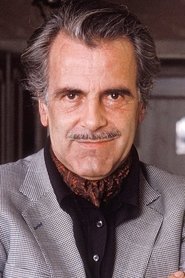 Maximilian SchellFranz von Gerlach
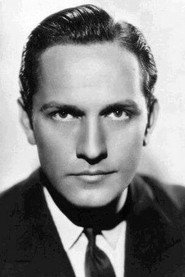 Fredric MarchAlbrecht von Gerlach
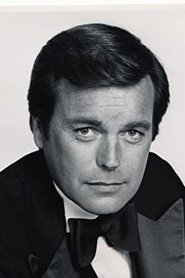 Robert WagnerWerner von Gerlach
 Françoise PrévostLeni von Gerlach
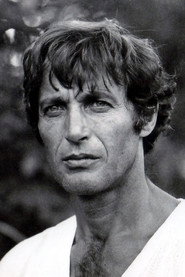 Gabriele TintiActor
Directing
- Vittorio De SicaDirector
- Luisa AlessandriFirst Assistant Director
- Barbara FuschScript Supervisor
- Pina ZaniScript Supervisor
- Beppe MenegattiSecond Assistant Director
Writing
- Abby MannScreenplay
- Cesare ZavattiniScreenplay
- Jean-Paul SartreTheatre Play
Production
- Luciano PerugiaLine Producer
- Carlo PontiProducer
- Thomas SagoneProduction Manager
- Jerzy MaccProduction Secretary
- Mario Di BiaseUnit Manager
Recommended by
The Fifth Seal, An Inspector Calls, Lancelot Link: Secret Chimp