
Film
Mon oncle Antoine
- Coming-of-age
- Slow-burning
A quietly devastating portrait of a boy's childhood in rural 1970s Quebec, where his uncle runs the local store and funeral parlour. Gagnon watches with clear eyes as adult compromises and small cruelties unfold around him. Tender, elegiac, and unsentimental—a film that feels like a remembered winter, all close observation and buried feeling.
If you liked this
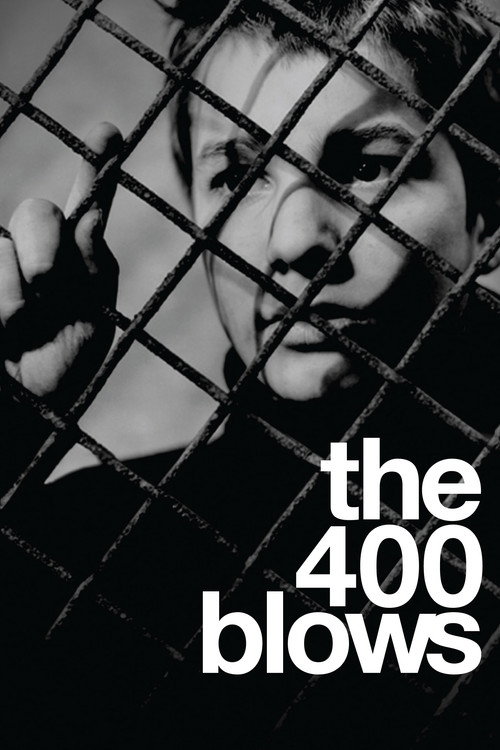
The 400 Blows1959
Truffaut's portrait of a Parisian boy adrift, watching adults fail him with the same unflinching clarity Jutra brings to Quebec. Both films trust children's intelligence and resist easy sentiment.
But It's a slow, quiet film about social alienation. There's no plot to carry you, only accumulated small moments and the boy's growing isolation.
Kes1970
Another boy discovering the world's hardness through a relationship with something alive and real. Loach's Sheffield mirrors Jutra's Quebec—provincial, working-class, beautiful in its honesty.
But The ending is genuinely painful and offers no comfort. Some viewers find the social realism relentlessly bleak.

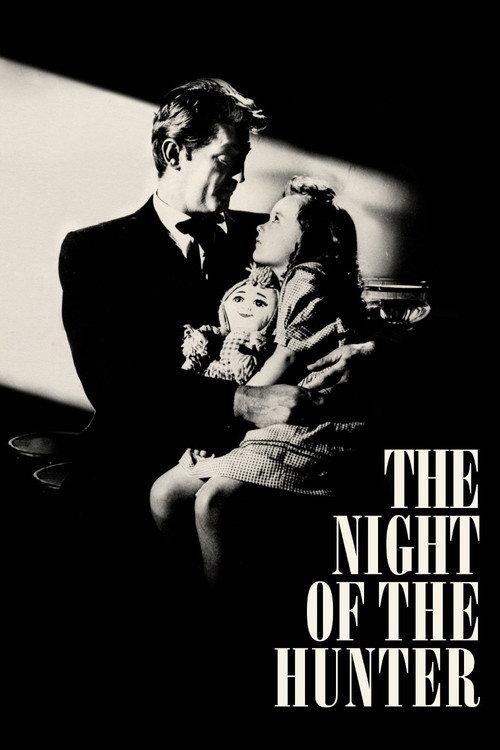
The Night of the Hunter1955
A child's-eye view of a nightmarish adult world, with the same chiaroscuro mood and moral complexity. Mitchum's menace and the film's dreamlike terror create something you won't forget.
But It's stylized and expressionistic—sometimes the artifice distances you from what should be intimate. The pacing is unusual and may feel mannered.
Not sure tonight? Get a pick in a minute, starting from Mon oncle Antoine
The wildcard
Something you would not have found on your own.
Spotlight2015
Both films understand that the worst damage happens in institutions—the Church, the family—and that exposing it requires a clear eye and refusal to look away.
A completely different genre—procedural journalism, not memoir—but it shares the same architecture: ordinary people complicit in systems that crush the vulnerable, and the work of naming that plainly without righteousness.
But It's driven by plot and momentum rather than reflection. If you're seeking the intimate, psychological atmosphere of Jutra's film, this is public and muscular instead.

More like this (8)
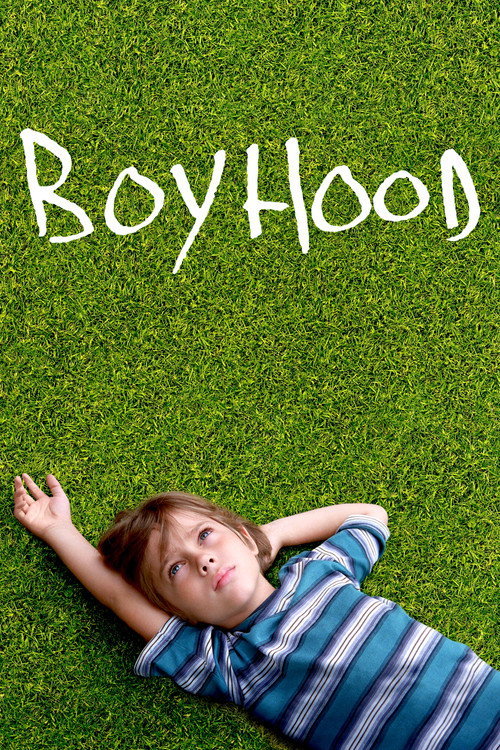
Boyhood2014
Linklater follows a boy across years with the same patient, non-judgmental eye Jutra uses. Both films understand that growing up is mostly small moments of recognition, not big events.
But Twelve years of shooting means the film is long and episodic. If you need narrative momentum or emotional crescendos, this won't deliver them.
A Prophet2009
A young man's education in a closed world, learning its codes and cruelties. Like Mon oncle Antoine, it's about initiation into a system rigged against the young, with immense psychological depth.
But It's set in a French prison and is much harder-edged and violent. The tone is noir, not nostalgic.

Amarcord1973
Fellini's memory of fascist Italy through a small town's eyes. Digressive, sensual, warm—a film that captures how childhood feels, with comedy and darkness mixed together.
But It's surreal and sometimes silly. If you want naturalism, this veers into theatrical and fantastical registers.
Bicycle Thieves1948
A father and son in post-war Rome, their relationship eroding as poverty presses down. Like Jutra's film, it finds heartbreak in the smallest moments and asks what we owe each other.
But It's Italian neorealism—handheld, unglamorous, utterly committed to showing pain without music to soften it.

Come and See1985
A boy's initiation into horror through war in Belarus. Elem Klimov makes you live inside trauma. It's a masterpiece, but it's the opposite of cozy or cathartic.
But It's genuinely difficult to watch—unflinching depictions of violence and suffering. This is cinema as endurance test.

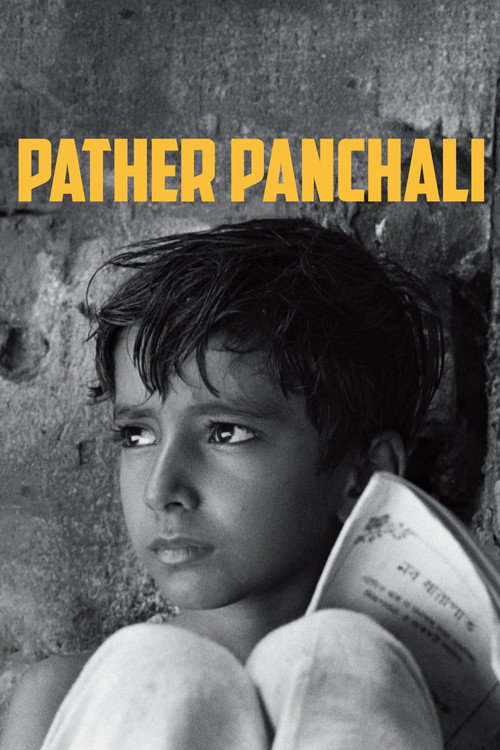
Pather Panchali1955
Ray's Bengali family drama has the same tender attention to poverty and childhood. Rain, hunger, and the texture of ordinary life are the real subjects, shot with luminous patience.
But At 2.5 hours, it's deliberately paced. Some sequences feel deliberately still, which can feel slow if you're not attuned to Ray's rhythm.
Tokyo Story1953
Both use a younger figure's eyes to examine how adults navigate failure and habit. Both are about what we don't say to each other and how that silence shapes us.
Ozu's film about aging parents visiting their son in Tokyo. Elliptical, almost plotless, filmed from a low angle like a child watching. It's about time, loss, and the comedy of endurance in the face of change.
But Nothing happens. Literally nothing. If you require narrative progression or dramatic peaks, this will feel like watching grass grow.

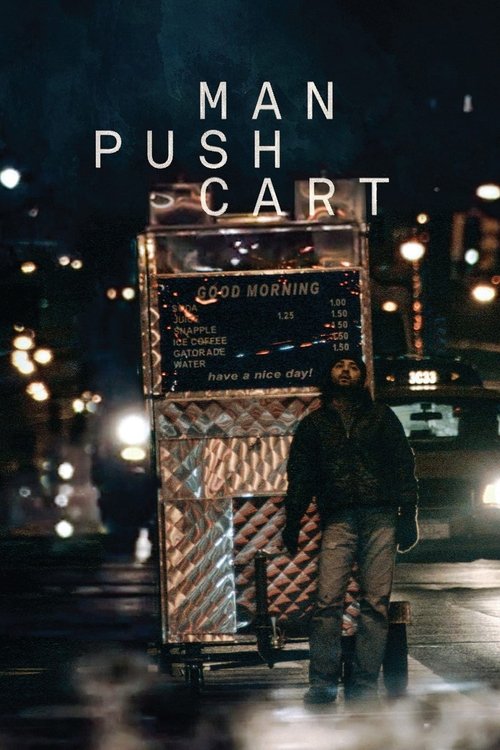
Man Push Cart2006
Both films insist on watching the unglamorous lives of people in small towns or marginal positions, and find full humanity and tragedy there without condescension.
A Pakistani immigrant in New York pushes a coffee cart. Ramin Bahrani watches daily labour and dignity in working-class life with the same unstinting attention Jutra brings to rural Quebec. Sparse, humane, deeply moving.
But It's grainy 16mm and shot in real locations with non-professional actors. The pace is glacial. You watch someone's exhaustion across hours with no arc of uplift.
People
Cast
 Jacques GagnonBenoit
- Lyne ChampagneCarmen
 Jean DuceppeUncle Antoine
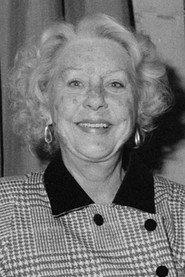 Olivette ThibaultAunt Cecile
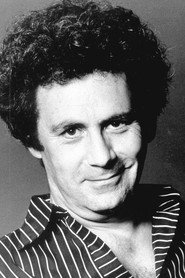 Claude JutraFernand, Clerk
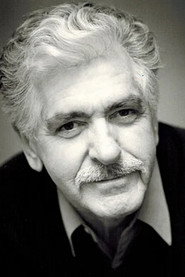 Lionel VilleneuveJos Poulin
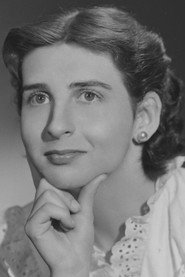 Hélène LoiselleMadame Poulin
- Mario DubucPoulin's son
- Lise BrunellePoulin's daughter
- Alain LegendrePoulin's son
- Robin MarcouxPoulin's son
- Serge EversPoulin's son
Directing
- Claude JutraDirector
Writing
- Claude JutraAdaptation
- Clément PerronAdaptation
- Clément PerronStory
Production
- Marc BeaudetProducer