
Film
Alex in Wonderland
A director's fever dream after his debut film hits big. Paul Mazursky's 1970 love letter to cinema itself, where a young filmmaker's everyday encounters become elaborate movie fantasies—Fellini collides with Hollywood ambition. It's playful, occasionally maddening, utterly sincere. For people who love movies more than plot.
If you liked this
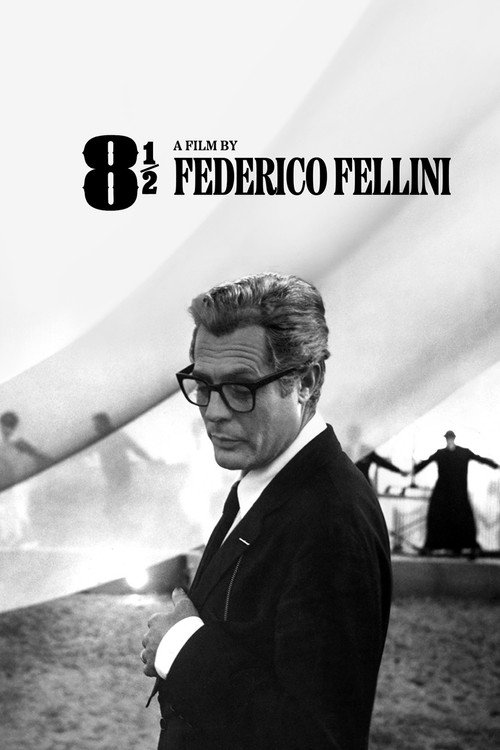
8½1963
Fellini's masterpiece about a director paralysed by success and creative choice. The DNA of Alex in Wonderland lives here—fantasy bleeding into reality, the blur between life and art as the only honest thing.
But At 138 minutes, it moves in its own time. If you want plot propulsion, this isn't it. Patience required.
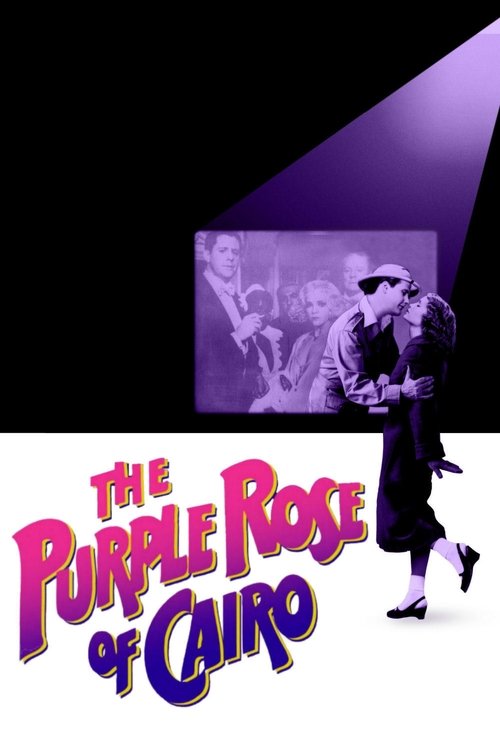
The Purple Rose of Cairo1985
Woody Allen's most tender film: a Depression-era woman's movie fantasy becomes real and walks out of the screen. Like Alex, it understands why we need cinema—it's a lifeline, not a luxury.
But Allen's voice dominates; if that's not your register, nothing here will convert you. Some find the sentimentality cloying.
Contempt1963
Godard's Contempt is cinema about cinema, a marriage collapsing on a film set. The film itself is the subject—egos, money, art, desire. Like Alex, it refuses to separate the movie from the life making it.
But Demands active viewing. Long passages of talk and colour fields. Not a film for background watching.

Not sure tonight? Get a pick in a minute, starting from Alex in Wonderland
The wildcard
Something you would not have found on your own.
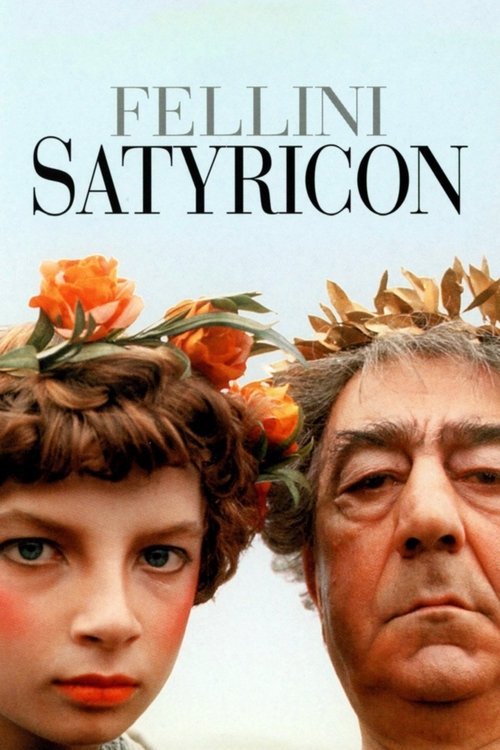
Satyricon1969
Both films use fantasy and genre pastiche as their primary language; both argue that cinema itself is a form of consciousness.
One year before Alex, Fellini made an ancient Rome epic that's really a fever dream—bizarre, gorgeous, incomprehensible in the best way. Like Alex, it argues that cinema is the only language that matches how we actually experience desire and confusion.
But It's avant-garde disguised as a costume film. Non-narrative, deliberately obscure. You're not meant to understand it in the conventional sense.
More like this (8)
Singin' in the Rain1952
The greatest Hollywood film ever made: a musical about the birth of sound cinema, shot through with genuine love for the medium itself. Pure joy wrapped around real ambition and craft.
But If musicals aren't your thing, no amount of brilliance will change that. It's unironic entertainment.

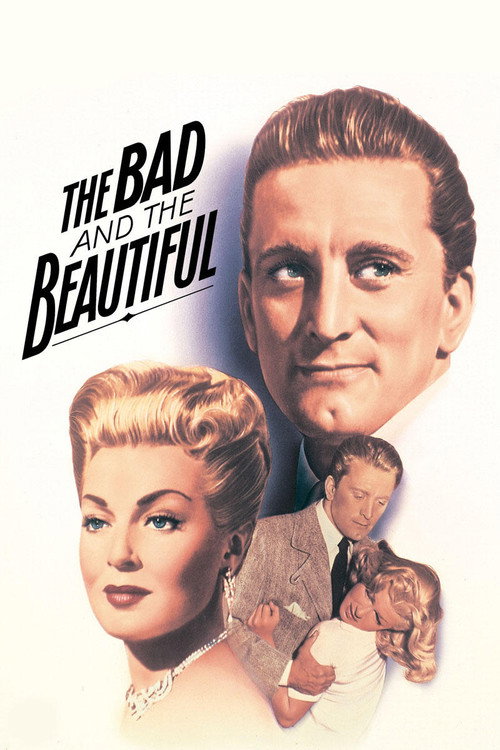
The Bad and the Beautiful1952
Minnelli's Hollywood melodrama about a ruthless producer and his collaborators. Cynical and gorgeous, it understands why people burn themselves for cinema—the addiction is real.
But Aggressively of its time. The gender politics won't feel quaint to modern eyes—they'll feel wrong.
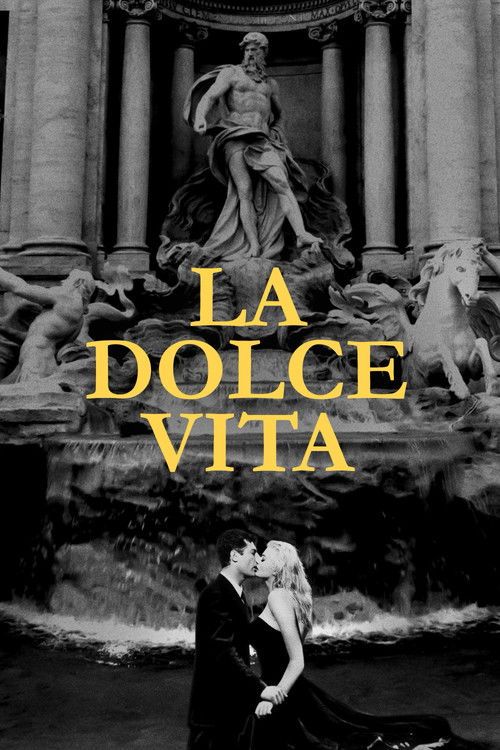
La Dolce Vita1960
Fellini again, but looser: a Rome journalist drifting through scandal, glamour, decadence. Mazursky loved this film's visual generosity and its view of excess as both alluring and hollow.
But Three hours. Episodic. It's less a story than a mood, a series of encounters. Some find it indulgent.
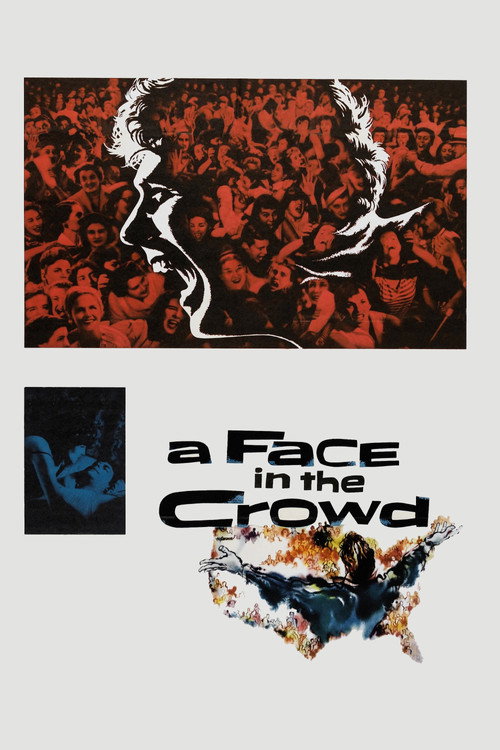
A Face in the Crowd1957
Kazan's paranoid masterpiece about media, ambition, and the American grift. A drifter becomes a TV star and reveals himself as a monster. Darker than Mazursky, but the same world: image is destiny.
But It's angry in ways that feel almost uncomfortably prophetic. Andy Griffith is genuinely unsettling. Not comforting.
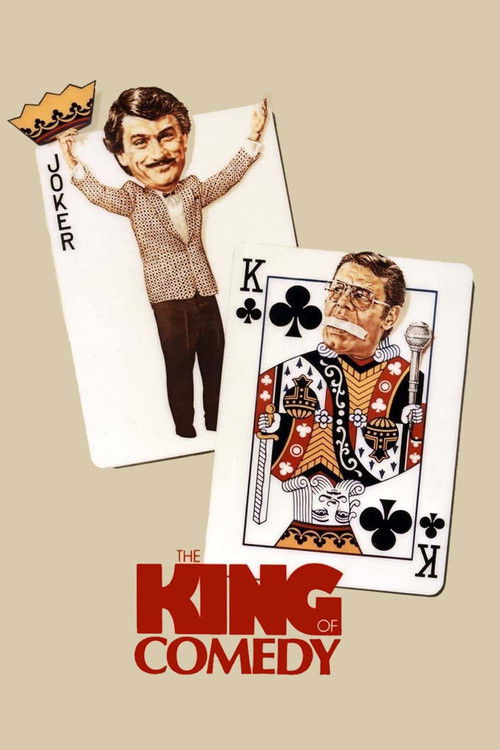
The King of Comedy1982
Scorsese's acid take on fame hunger: a delusional fan kidnaps his idol to get on TV. It's about the pathology of performance and desire. Not kind, but precise about Hollywood's effect on sanity.
But Deeply uncomfortable. De Niro's character is creepy and sad. The film never lets you enjoy it, which is exactly the point.
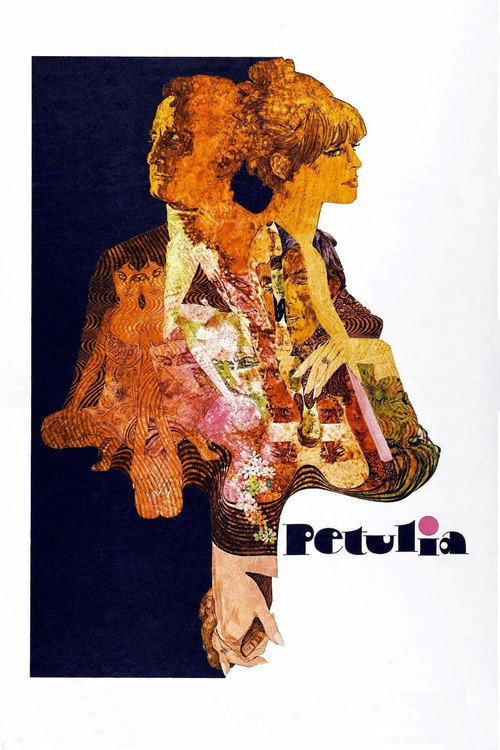
Petulia1968
Linklater before Linklater: Elio Petri's San Francisco wandering, a fractured romance, jump cuts and ambiguity. It's about disconnection in beautiful places. Mazursky's world, but melancholic.
But Narrative fragmentation that can feel like sloppy editing if you're not with it. Cold at its centre. Very much a 60s artefact.
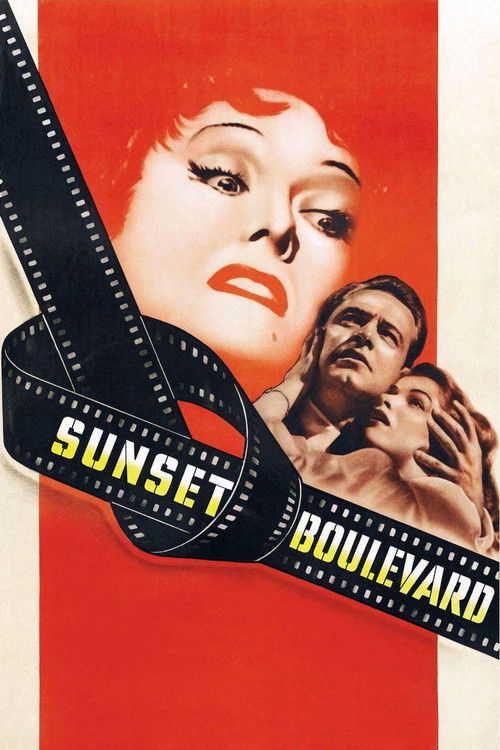
Sunset Boulevard1950
Both center on a filmmaker's relationship to success and failure; both use Hollywood as a backdrop for questions about identity and survival.
Wilder's Hollywood gothic: a forgotten silent star and a young screenwriter. Where Alex is optimistic about ambition, Sunset Boulevard is its tombstone. Essential to understand what Mazursky was reaching for.
But It's pitch-black. No warmth, no hope. For some, it's too bitter—the film offers no redemption, just inevitability.
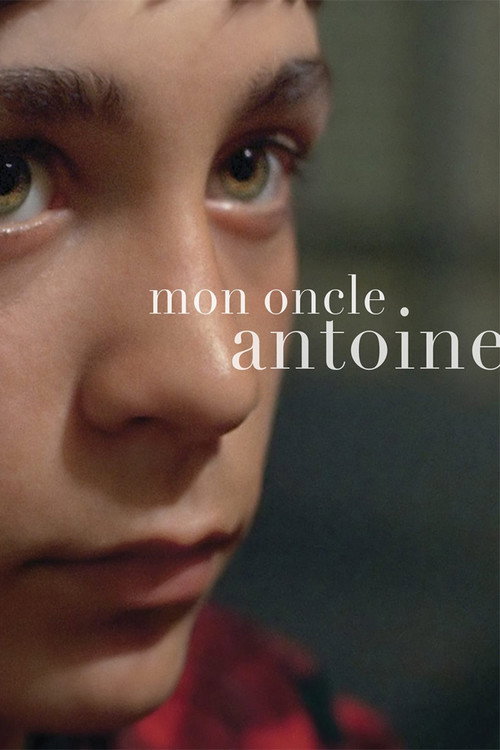
Mon oncle Antoine1971
Both are films about creative people (one a mortician, one a director) using their work as a way to process reality; both trust observation over incident.
A Quebec film from just after Alex: a funeral director and his nephew navigate work, mortality, Christmas. Slow, observant, funny in a way that hurts. It has Alex's gentleness but more patience. A masterpiece that's barely known.
But You must read subtitles. Nothing happens in a conventional plot sense. It's a mood piece about an ordinary life.
People
Cast
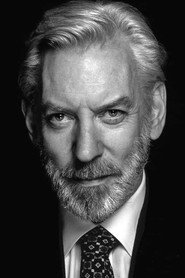 Donald SutherlandAlex Morrison
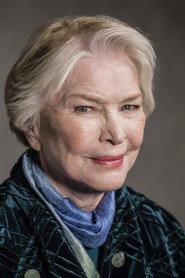 Ellen BurstynBeth Morrison
- Meg MazurskyAmy
- Glenna SargentNancy
- Viola SpolinMother
- Andre PhilippeAndre
 Joan DelaneyJane
 Neil BurstynNorman
- Leon FrederickLewis
- Carol O'LearyMarlene
- Tox DroharTox
Directing
- Anthony RayAssistant Director
- Paul MazurskyDirector
Writing
- Larry TuckerScreenplay
- Paul MazurskyScreenplay
Production
- Anthony RayAssociate Producer
- Larry TuckerProducer